What Is Dehydrated Candy?
Dehydrated candy is candy that’s dried with warm airflow (a food dehydrator) to remove some moisture. The goal is a denser, chewier, less-sticky bite—not the light, airy “puffed” texture you get from freeze-drying. Best results come from gummies, marshmallows, and sour belts.
Some candies dehydrate well—especially gummies, marshmallows, and sour belts—for a denser, chewier, less-sticky bite. Start at 125–140°F (52–60°C) and dry 6–24 hours depending on thickness; see the quick chart below plus what to avoid (like chocolate).
Candy Dehydrator Temp & Time Chart
Most candies can be dehydrated for a chewier / less-sticky texture—especially gummies, marshmallows, and sour belts. Start here:
- Gummies: 125–140°F (52–60°C), 6–12 hours → denser & chewier
- Sour belts: 125–135°F (52–57°C), 6–10 hours → less sticky, chewy
- Marshmallows: 115–130°F (46–54°C), 4–8 hours → crisp outside, dries fast
- Fruit snacks: 125–140°F (52–60°C), 6–12 hours → chewy to firm
Use with caution:
- Jelly beans: 125–135°F, 8–16 hours (shell may dull)
- Licorice: 125–135°F, 8–14 hours (tougher bite)
Avoid (won’t dehydrate well):
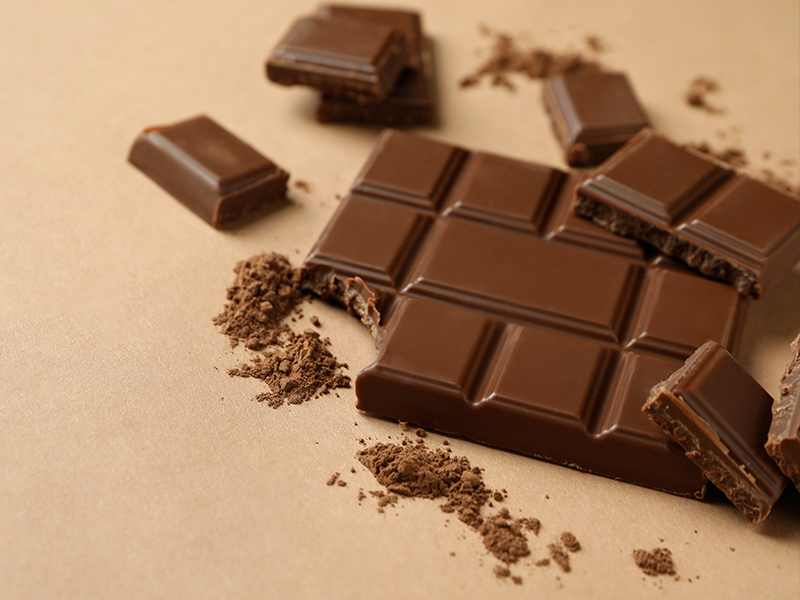
- Chocolate: softens/melts (fat-based)
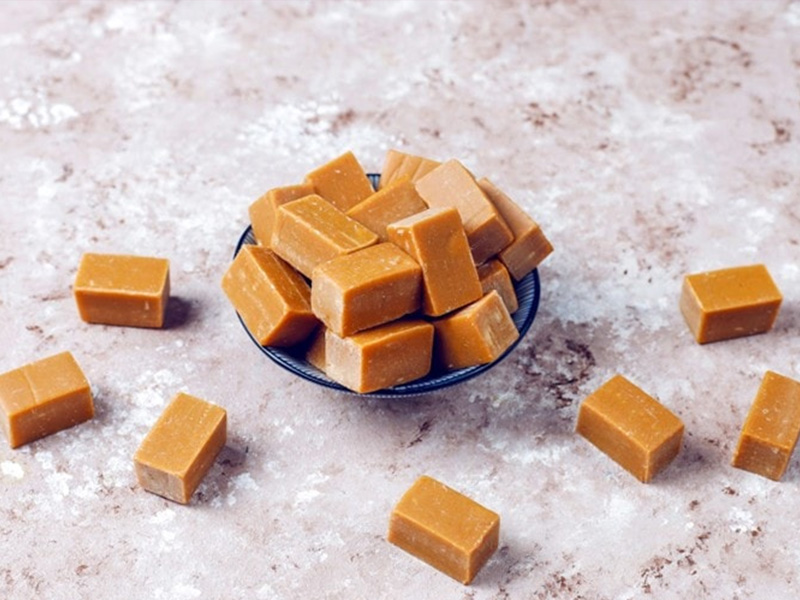
- Caramel/taffy: melts/sticks or turns rock-hard
- Hard candy/lollipops: often turns tacky/opaque
Tip: Dry times vary by candy size, airflow, and humidity—check every 1–2 hours and stop when texture is where you want it.
Can You Dehydrate Candy?
Yes—many candies can be dehydrated. Results depend on ingredients: water-based gels (gummies, marshmallows, fruit snacks) dry best; fat-based candy (like chocolate) won’t “dry” and may soften; very high-sugar candies can turn sticky or rock-hard instead of drying evenly.
1. Candies That Dehydrate Well
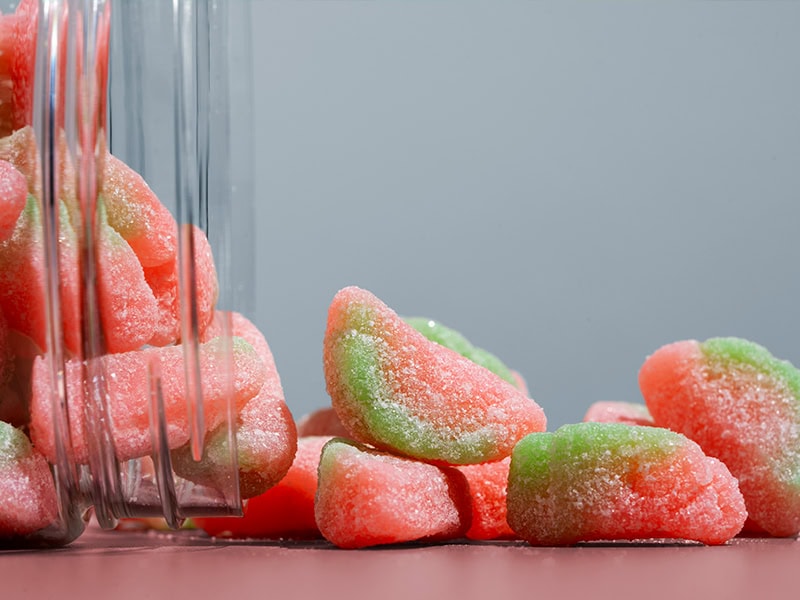
- Gummy and fruit snacks: These are water-based gels, so they dry down into a firmer, denser chew. If you dry them longer, edges can turn crisp—check often and stop at your preferred texture.
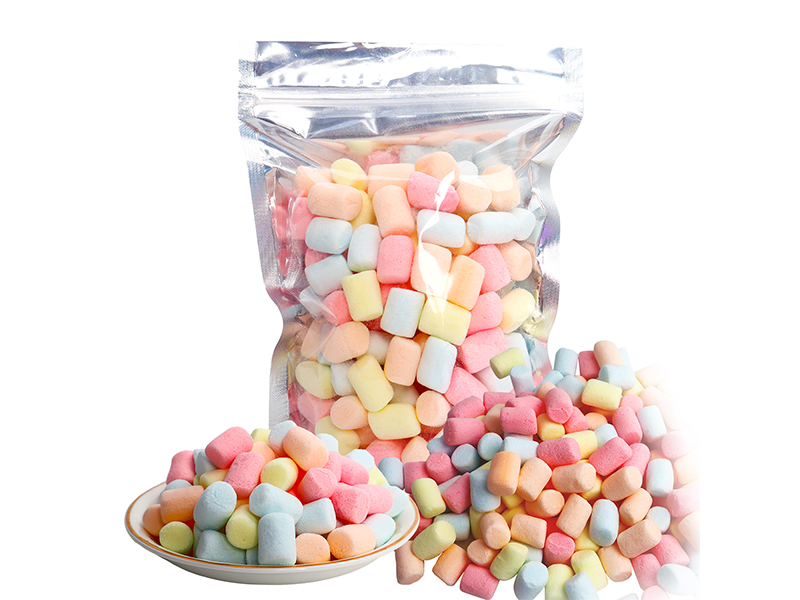
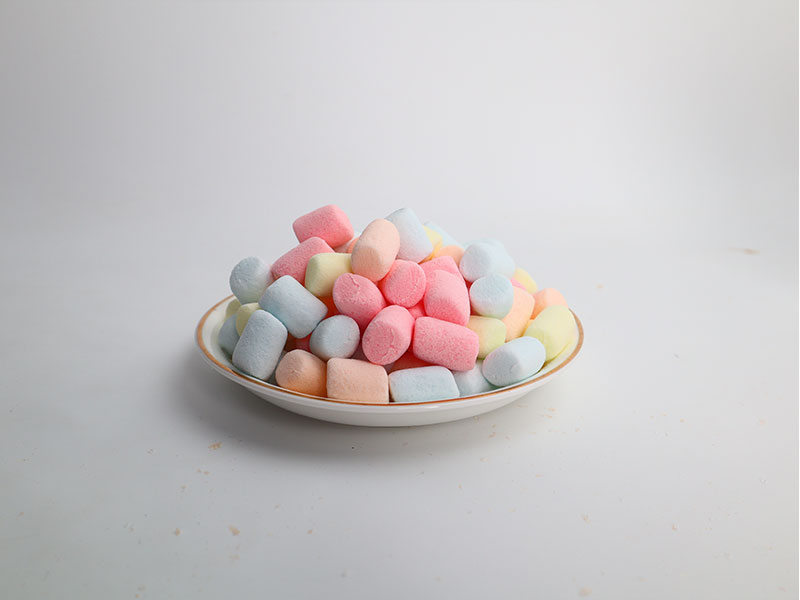
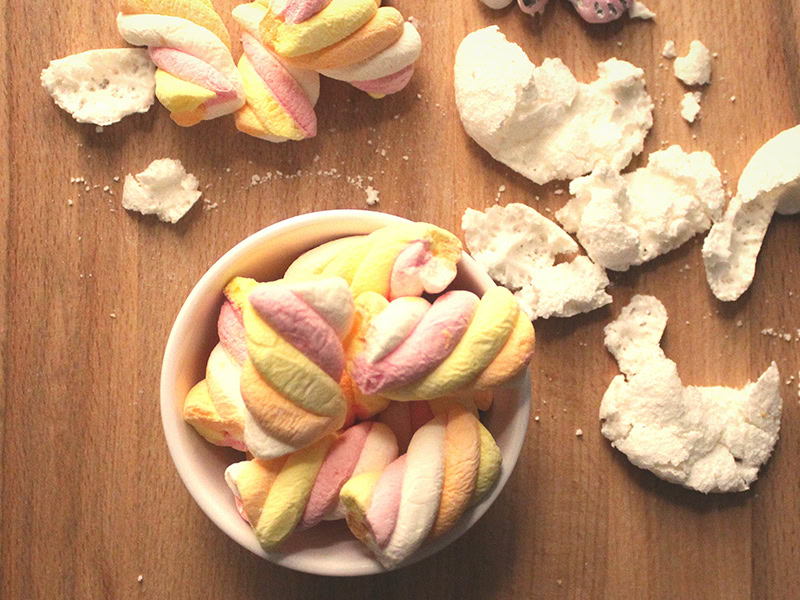
- Marshmallows: They dry quickly and become crisp and lighter to bite. For a dramatic “puffed” airy texture, that’s typically a freeze-drying effect rather than dehydrating.
2. Candy That Doesn’t Dehydrate Well
- Chocolate: It has high fat and low moisture which aids in it not shrinking much or drying out. Instead of fully dehydrating, it prefers to melt or stay unchanged.
- Caramel & Taffy: Additionally, these candies also do not have a high moisture content compared to the sugar content they have. Thus, instead of getting crispier, they prefer to just become super hard.
What Happens When You Dehydrate Candy?
Now, you may want to know what type of transformations your candy may undergo, right? Well! Dehydrating a piece of candy involves the removal of its water content which leads to its flavor, texture, and overall shape and appearance being transformed. Let us examine how this is achieved!
Texture Changes: Dehydrating removes moisture, so candy usually becomes firmer and less sticky. Gummies often shift from chewy → dense/firm and may become crisp if dried longer.
Flavor Enhancements: Have you ever observed certain dried foods being sweeter in taste? If so, then keep in mind that dehydrating a piece of candy has also been observed to enhance its taste. The reason is that the absence of water allows sugar and flavour compounds to become more prominent which in turn makes the candy richer in taste. However, you have to be careful as this means that the total sugar concentration will increase per bite.
Appearance Alterations: The surface may look more matte, and sugar can crystallize slightly as moisture leaves.
Dehydrating changes texture and moisture, but it doesn’t “remove sugar”—so it’s not a low-sugar method.
How Long Does It Take to Dehydrate Candy?
Most candy takes 6–12 hours to dehydrate at 125–140°F (52–60°C), but thin candies dry faster and dense pieces take longer. Start checking at hour 4–6, then every 1–2 hours until the texture is chewy/crisp to your liking.
Freeze-Dried vs Dehydrated Candy
Have you ever thought about why some candies are chewy while others are light and crispy? The answer lies in knowing their methods of preservation which are dehydration and freeze-drying. So, in this section, we will help you understand the differences in texture, flavor, and how long you can keep them.
1. The Making Process:
Dehydrating candy process: In this process, you apply heat to the candy which causes water evaporation.
Freeze Drying: It involves firstly freezing the candy and then reducing the surrounding pressure resulting in sublimation, which transforms water from solid to gas.
2. Texture Changes:
Dehydrated Candy: Moreover, once the candy goes through the heating with the removal of water, the final product has a much denser, chewier texture. For instance, dehydrated fruit snacks tend to be leathery as well.
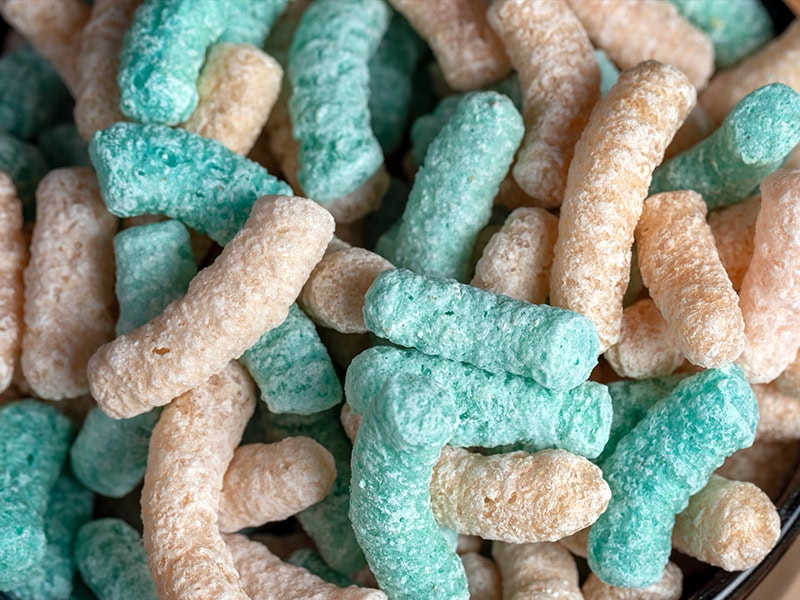
Freeze-Dried Candy: Freeze-drying removes water after the candy is frozen, so the result is often light, airy, and crisp (a more “puffed” bite). Like with the case of marshmallows, freeze-dried candies become crunchy and dissolve in the mouth.

3. Flavor:
Dehydrated Candy: At dehydrator temperatures, candy doesn’t caramelize the way it would at much higher heat. Instead, flavors often taste more intense because there’s less moisture and the texture is denser.
4. Shelf Life and Storage:
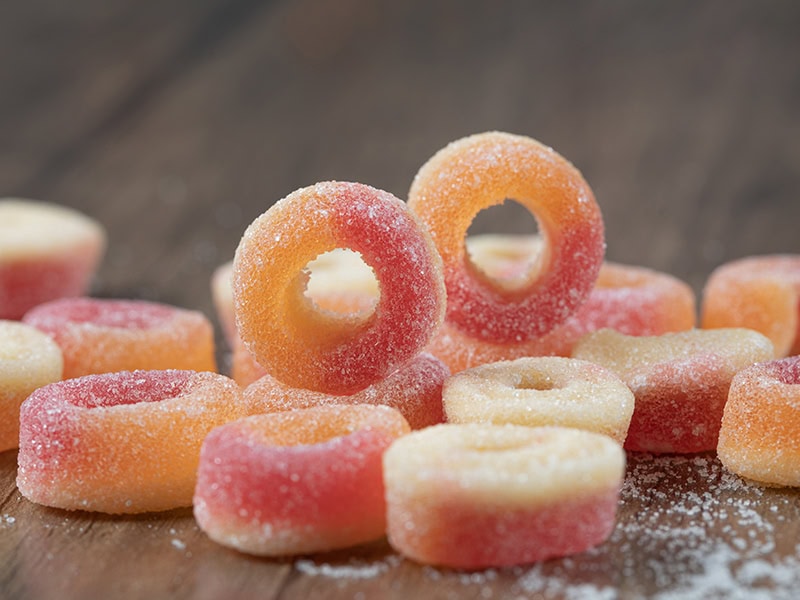
For best quality, store dehydrated candy airtight in a cool, dry, dark place. Many dried foods are typically best used within about 4 months to 1 year for quality, depending on storage temperature and humidity.
5. Use Cases:
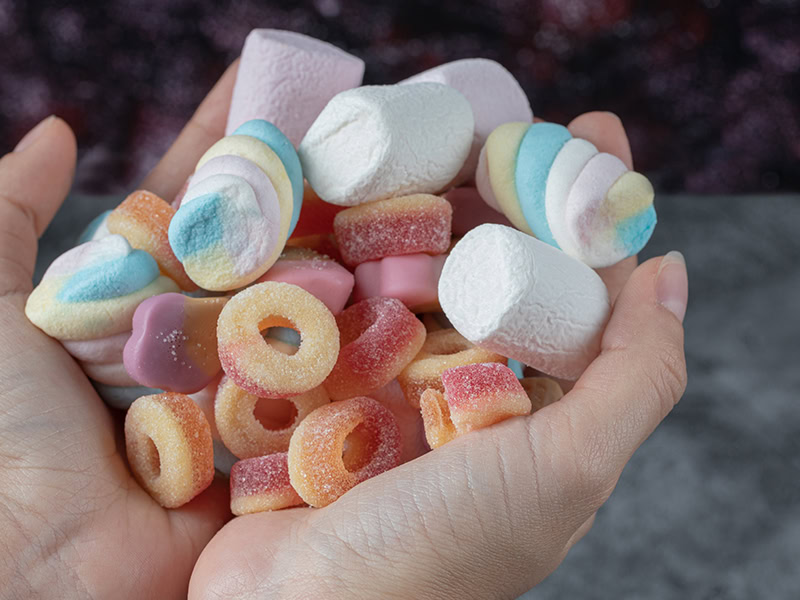
Dehydrated candy: It has an incredibly unique texture, making it an ideal choice for garnishing desserts or as a mix-in, for example: adding dehydrated gummy bears in cupcakes for an extra bite.
Freeze-dried candies: On the other hand, provide an extended shelf life alongside being lightweight which makes even freeze-dried fruit candies perfect for long-lasting snacks to take on the go.
What Does Dehydrated Candy Look Like?
Now, let us look into how candies are affected when moisture is taken away from them:
Comparison of visual transformations of different types of candies
| Visual Transformations of candies | ||
|---|---|---|
| Gummy | Soft, chewy, vibrant colors | Smaller, firm, intensified colors |
| Before dehydration | After dehydration | |
| Marshmallows | Soft, fluffy, white or pastel hues | Crisp, light, slightly shrunken |
| Hard Candies | Glossy, hard, translucent | Matte, slightly sticky, opaque |
| Licorice | Flexible, chewy, glossy | Hard, brittle, loss of sheen |
| Taffy | Soft, stretchy, smooth surface | Hard, brittle, possible cracking |
| Jelly Beans | Firm, chewy, shiny coating | Harder, chewier, dull coating |
DIY Guide: How to Dehydrate Candy at Home
Furthermore, you will be very pleased to know that you can dehydrate your favorite candies at home and enjoy their crispy texture and sweet flavor. Trust me this would be a sweet adventure that I wish to take along with you!
1. Step1 Select Your Candy
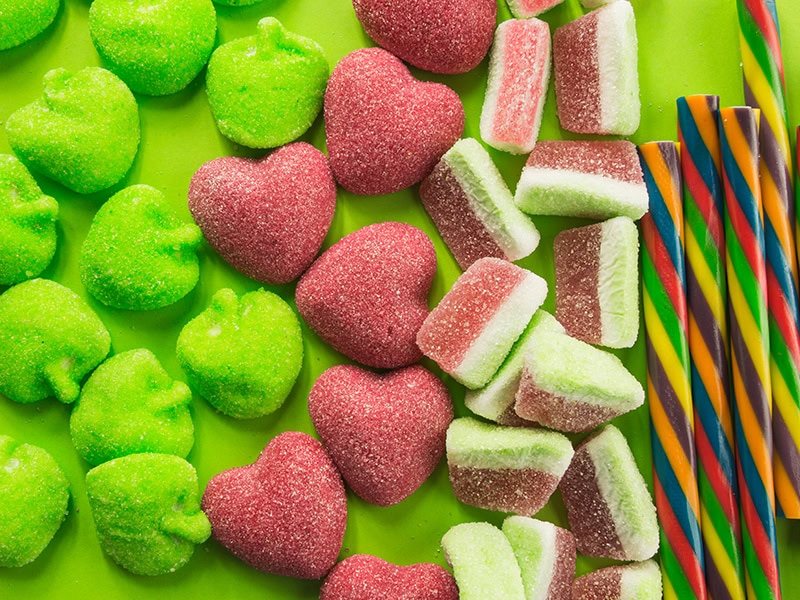
Choose water-based candies (gummies, fruit snacks, marshmallows) and avoid fat-based candy like chocolate, which won’t dry properly in a dehydrator. Those will only leave a mess behind.
2. Step2 Prepare Your Equipment
Use a food dehydrator for best control. If using an oven, it must be able to hold a low temperature around 140°F (60°C) with airflow; otherwise it may cook the candy instead of drying it.
3. Step3 Arrange the Candies
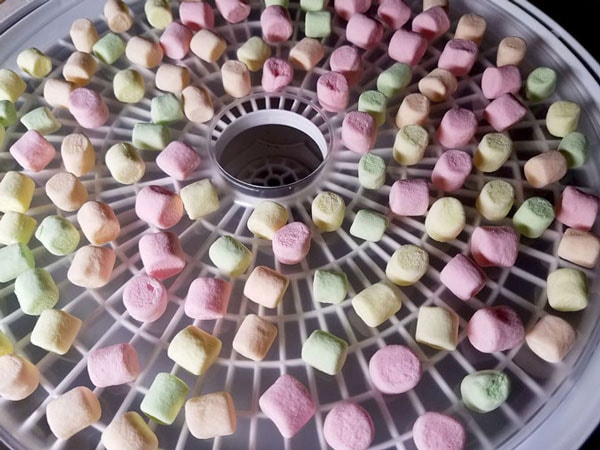
Now, evenly spread out your chosen candies in a single layer on top of the parchment paper or on the dehydrator trays. Make sure the candy pieces are not touching each other so air can circulate freely.
4. Step4 Set the Temperature and Time
For candy in general, use a dehydrator or an oven and dial the temperature to a low setting within the range of 125°F to 135°F (52°C to 57°C). The temperature provides enough heat to get rid of moisture while not melting the candy. Depending on the type and amount of candy, the dehydration process can take anywhere from 6 – 24 hours. For example, gummies take about 6-8 hours, whereas large pieces take longer. Take note: It is important to check on them!
5. Step5 Monitor the Process
Check every 1–2 hours once the candy starts to change. Gummies will shrink and firm up, sour belts become less sticky, and marshmallows turn crisp quickly. Stop when the texture matches what you want.
6. Step6 Cool and Store
Once you get the desired textures, remove them from the heat source. Let them cool down to room temperature, preferably for a long period of time to firm up. Room temperature is best as well. After cooling, store the dehydrated candies in a container that is airtight to prevent them from absorbing moisture and becoming sticky/ chewy.
7. Tips for Success:
- Choose low-moisture content candies that can effectively dehydrate.
- Avoid using high-fat candies like chocolates as they may not get dehydrated, so it would be a waste of time.
- Lastly, Begin with minimal quantities to observe the impact of dehydration on various types of candies.
8. Storage & Troubleshooting (Dehydrated Candy)
- Sticky after drying? It likely re-absorbed humidity. Cool completely, then store airtight in a cool, dry, dark place; re-dry 1–2 hours if needed.
- Melting or sweating? Temperature is too high or candy is fat-based (like chocolate). Lower temp or switch candy type.
- Too hard? You overdried. Next batch: reduce time or use thicker pieces.
- How long does it keep? For best quality, many dried foods are typically stored months to about a year depending on conditions.
Can You Dehydrate Chocolate?
Not really—dehydrating doesn’t work well for chocolate. Chocolate is already low in water and high in fat, so a dehydrator won’t “dry it out” the way it dries gummies or fruit. Instead, gentle heat may soften or melt chocolate, and you may see fat bloom (a whitish haze) or texture changes.
Can You Freeze Dry Candy in a Dehydrator?
No. A dehydrator cannot freeze-dry candy. Freeze-drying removes water by freezing it first and then pulling it out as vapor under low pressure (vacuum). A dehydrator only uses warm air circulation, so it can dehydrate—but it cannot perform the freeze-drying process.
Conclusion
To wrap everything up, there are many ways for candy to be altered and the texture and taste certainly be changed using the process of dehydrating. However, the results will differ depending on the type of candy, as well as the methods used to dehydrate them.
From an inquisitive candy enthusiast interested in trying things out in the kitchen to a business looking for high-end products, there is a world of possibilities which is offered by dehydrated and freeze-dried candies.
Click to consult and unlock exclusive B2B solutions
For Brands, Importers & Distributors (B2B)
MPS Candy supports OEM/ODM and bulk supply for gummy & chewy candy programs.
Export support and stable capacity for repeat orders
Want pricing or samples? Contact us with your target market, packaging format, and estimated volume. Custom flavors, shapes, colors & texture targets, Private label packaging and display-ready options.
MPS Candy is a Chinese candy manufacturer that can provide you with a variety of candy wholesale, candy OEM services, and factory direct wholesale prices.
For those who aim to captivate their consumers with extraordinary sweets, we encourage you to try contact us for custom solutions and wholesale opportunities.