
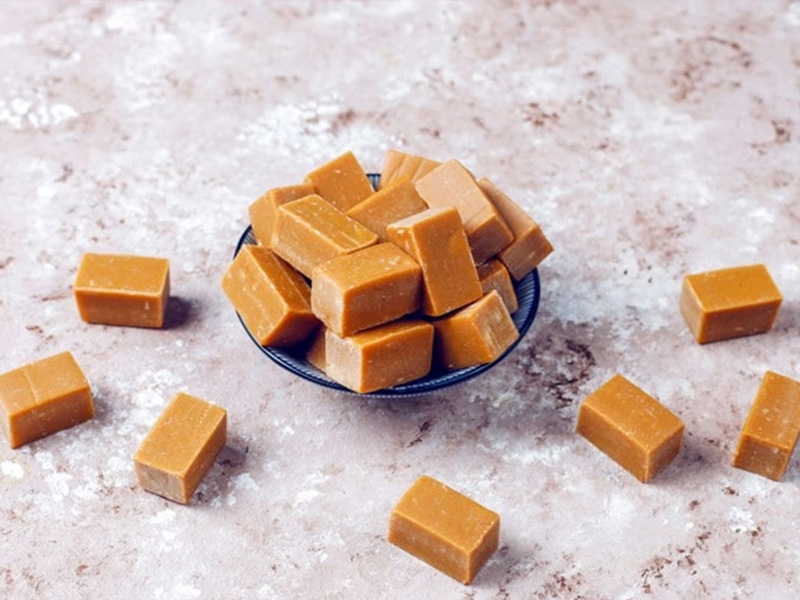
Hi there, sugar lover! You probably have prepared smooth fudge or gotten some from a friend, so you know how tempting it can be. But how long does fudge last? P.S. Well, it is not all about the flavor, and proper storage plays an immensely crucial role.
How long does fudge last in the fridge?
Room temperature (unrefrigerated): 1–2 weeks (airtight container, cool/dry spot).
Refrigerator: up to 3 weeks (wrap well + separate layers with wax/parchment).
Freezer: up to 3 months for best quality (wrap tight; thaw slowly).
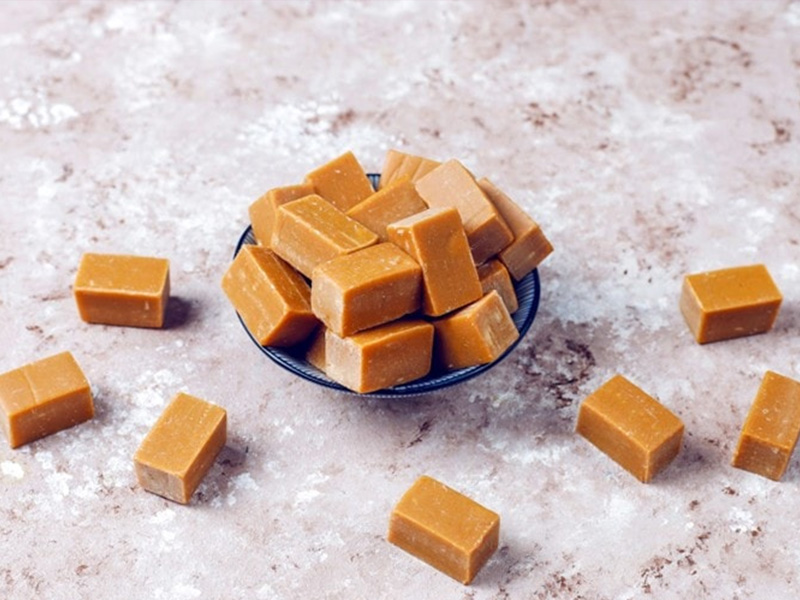
How Long Does Homemade Fudge Last?
Fudge is a much-loved candy made of simple ingredients like sugar, butter, and milk. It has a dreamy, cream-like texture.
Fudge tastes best when it’s fresh and properly wrapped. Over time, it can dry out, absorb odors, or lose its smooth texture—especially with temperature swings. Commercial fudge may last longer mainly due to controlled processing and packaging (and sometimes preservatives, depending on the product).
For a fudge to taste great, it should be left at room temperature in a closed box with a tight cover. This will make it impossible to dry out or absorb odors, spoiling the taste.
Fudge can also be frozen for long-term storage and can easily remain in good shape for three months. When determining its storage method, asking yourself how long you need it is always a good idea.
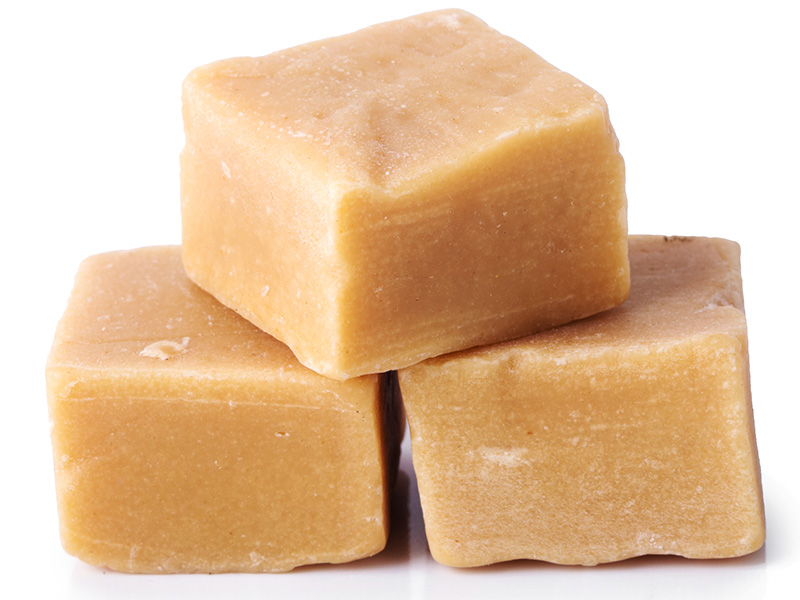
Should Fudge Be Stored in the Refrigerator?
Not always. Many recipes and candy makers say fudge doesn’t need refrigeration if it’s wrapped airtight and kept in a cool, dry place.
However, refrigeration can extend how long it stays good (up to about 3 weeks)—just know it may dry out faster if it isn’t wrapped extremely well.
If your kitchen is warm/humid or you need maximum shelf life, the fridge is a practical option—wrap tightly and separate layers with wax/parchment.
Factors Affecting Fudge Shelf Life
The more a cube of sweet goodness can last, the more you know. You will also learn about these results from a successful combination of environmental conditions, preparation methods, and storage techniques.
Mastering these elements will give it extra life while the full-bodied quality and taste remain the same. Fudge you make at home or buy from a store equally requires your special attention regarding it being handled properly and safely.
Some of the key factors that define the shelf life of fudge are:
- Humidity, temperature, and air exposure: Too much humidity can make a fudge piece sticky. In contrast, air exposure can dry it out and cause it to lose its soft, creamy components. Temperature changes can also make it brittle or too soft, reducing its quality. Wrapping the fudge correctly or storing it in a sealed container is a good way to prevent these problems if they have already started.
- The type of fudge and the preparation methods: How the toffee is made can be one of the reasons fresh groceries like butter and cream expire. The type and process of cooking it will affect its shelf life. Fudge with butter or cream will likely have a more limited shelf life than those made with condensed milk or sugar-based recipes. Harden the fudge while storing the freshly prepared one using chemicals.
- Correct storage: The main point is that fudge must be stored in a cool, dark place, not exposed to the sun’s light. Pack some fudge in an airtight strip, put it in the cabinet, and run it at room temperature instantaneously. Use airtight containers when storing fudge in the refrigerator or freezer to keep the texture and taste intact and avoid flavor loss.
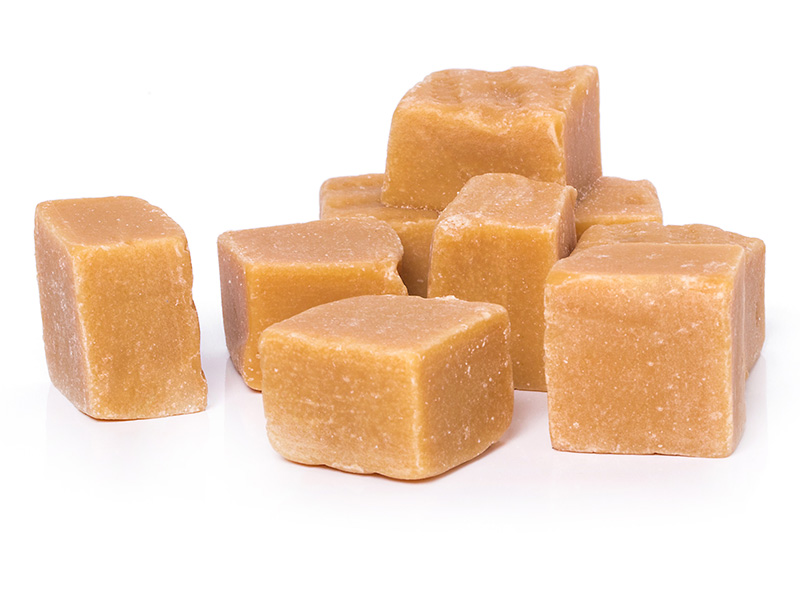
How Long Does Fudge Last?
Although fudge is typically best if eaten quickly, it can still be preserved for a much longer shelf life through proper storage. Factors such as the storage environment, temperature, and humidity are crucial for fudge to maintain its smooth consistency and rich taste.
Hence, if you leftover fudge from a favorite recipe batch or love chocolate fudge and want to store it later, learning how to properly store fudge is crucial for long-term storage.
Here is a clear guide on the fudge’s freshness based on the storage methods used:
- Room Temperature: Up to 1–2 weeks in an airtight container (cool, dry place).
- Refrigerator: Up to 3 weeks when tightly wrapped and layered with wax/parchment to prevent drying.
- Freezer: Up to 3 months for best quality when wrapped airtight; thaw slowly for best texture.
How to Properly Store Fudge?
Simply put, the article suggests an engaging touch that allows the sweet delight of fudge to remain untouched for days, weeks, or even months.
Different approaches target distinct lengths of time, e.g., from refrigerating the remainder that is best at room temperature for the short term to the long-term storage in the freezer.
For a sweet experience, follow the steps to keep the fudge fresh, and eat it only when you want to.
1. Room Temperature Storage
Fudge is best stored at room temperature when you eat it in the short term. This way, you will achieve the best results if you directly consume it within a few days.
- Each fudge piece is made safe from drying out by wrapping it with wax paper or plastic wrap.
- Tie the airtight bag around your face to protect yourself from the freshness of the wrapped pieces.
- The container should be kept in a cool, dark room away from direct sunlight or heat sources to avoid melting or difficult crusting.
2. Refrigerating Fudge
To extend the shelf life of the fudge, keep it in the refrigerator, but this is not always necessary.
- Wrap the fudge securely with wax or plastic paper to ensure it retains moisture.
- Set it in a sealed container so you can be sure not to let off odors or air from the refrigerator.
- Keep them away from items with strong odors, like onions and cheese, because the smell they emit will be strong.
3. Freezing Fudge
If you store fudge in the freezer or freeze fudge for a long time, its freshness can be preserved for several months.
- Cut the fudge into small pieces and then divide them among the people who want to share them.
- Every fudge piece should be wrapped in wax or parchment paper and then covered with aluminum foil.
- Place the wrapped pieces in a secure bag suitable for the freezer or an airtight container. Attach a label with the storage date.
4. Thawing Tips
When you desire to partake in having the fudge, you need to follow these steps to get the desired results:
- Select the margin of the fudge you want from the freezer and unload it.
- Leave it at room temperature for a few hours to get the same texture as it used to.
Common Storage Mistakes to Avoid
Getting fudge to achieve the right storage condition is the first step to its authentic, creamy texture or flavor. Yet some common slips could ruin it all.
You should avoid some mistakes to keep your treat fresh for the next few weeks at room temperature (or for long-term storage). Here are some common storage mistakes and how to fix them.
Lack of Air-Tight Container: Fudge that is stored without sealing it with an air-tight container can dehydrate quickly as the dry air will make the surface of the fudge lose its smoothness and flavor. Always put the fudge in an airtight container so the moisture is not released.
Exposing Fudge to Heat: If the fudge is at ambient temperature, it should be placed in a cool, dry area. Do not place it close to heaters, as it may alter the texture of the fudge from warm temperatures.
Not Refrigerating Properly: The fridge type of fudge requires tight wrapping to secure smell absorption. Wrap it in plastic wrap first before depositing thus keeping its flavor.
Failing to Prepare the Freezer: Use a freezer bag to store fudge for a long time. Fudge that is frozen must be sealed well to prevent freezer burn.
Forgetting to Rotate Old Fudge: Regularly check on preserved fudge and consume the older ones first to avoid waste. You can easily tell if the fudge has gone wrong by its appearance and taste.

Signs That Fudge Has Gone Bad
Many people love fudge, but like any other dessert, it can go bad. Identifying the symptoms of fudge spoilage is crucial to ensuring that the dessert remains a pleasant experience.
Proper preservation is the key to maintaining fudge quality, whether you keep extra on the counter or store it in the refrigerator for a long time.
For instance, superior maple and penuche fudge is less likely to be avoided if manufactured properly. On the other hand, being aware of the signs indicating when fudge should be avoided is as critical as consuming it fresh.
- Texture Changes: Fresh fudge is soft and smooth, but spoiled fudge often becomes dry, crumbly fudge, or so hard that it is almost impossible to eat. It might not be fresh anymore if it seems hard to cut or bite.
- Appearance: Look for mold, white dots, or discoloration on the surface. These signs indicate the fudge has been spoilt in the pantry or refrigerator.
- Smell: Fudge that has gone bad may have a bad or sour odor, which ruins its taste. However, fresh fudge should be sweet and richly fragrant.
- Taste: Your fudge’s life is written in its taste. Taste that is less sweet, a bitter aftertaste or any other unpopular flavors are signs to throw it out.
To keep the fudge existing and not become spoiled, wrap it with wax paper and store it in airtight containers. Whether you indulge in it at once or let it morph over time, the best way to maintain the freshness of fudge is by using proper storage tips and not giving taste buds a chance to shine in all cases.
Fudge Shelf Life: Homemade vs. Commercial Fudge
The shelf life of fudge differs dramatically in homemade and commercial varieties, with each having unique storage characteristics. Fresh homemade fudge is usually kept at room temperature for 7-14 days and up to 3 months in a freezer due to its preservative-free nature and the fact that it’s 100% made of natural ingredients.
You can store homemade fudge for up to three months. However, the texture may change after it thaws. Transferring it to a sealed container is best to prevent the sugar from becoming caramel when fudge undergoes a temperature control process.
Commercial fudge, mainly from a well-known candy store, has a longer shelf life of 2-3 months when kept at room temperature because of the custom preservation techniques. Here at MPS, we use our candy-making experience of over 20+ years to ensure good quality and shelf-stable confectionery products for our customers and business customers.
Our peanut butter fudge and other types remain as fresh as ever by paying attention to temperature and premium packaging. Fudge is a sweet treat that tends to last longer without changing conditions. However, reject the fudge if it smells foul, molds, or has strange textures.
How to Store This Kind of Candy in Large Supermarkets?
To say that candy covers a wide range of products with various ways to store them is an understatement. Chocolate is sensitive to temperature changes and can easily melt or form a white film (blooming).
Gummies and other chewy candies can absorb moisture, becoming sticky or hard. For instance, hard candies tend to be sticky in high humidity. Knowing how these items behave in different conditions is the key to proper storage.
A candy’s quality can be kept with the help of appropriate conditions on the site. A climate that is relatively cool and dry (preferably 65-70°F or 18-21°C) should be kept away from the sun and heat sources to avoid loss.
Ensuring an even temperature will prevent sweetness from melting, drying, and even changing texture. The lowest humidity is under 50%, so no moisture or clumping will occur.
1. Storage Methods
The proper storage of products will add newness and prevent contamination:
Containers/Airtight Packaging: Airtight containers have seals that help prevent moisture and odor absorption, which are the main tools for maintaining flavor and texture. After opening, candies in bulk should be put into airtight containers.
Shelving and Display Units:
- Temperature-Controlled Displays: Refrigerated displays are the smart choice for chocolate, especially in the hotter months. When arranging a freezer, the temperature must be considered to prevent condensation.
- Dry or Cold Shelfing: Most candies are stored on dry shelves with direct heat sources or sunlit windows.
- Display Placement: It would be beneficial to avoid positioning candies next to pungent substances, such as cleaning supplies or produce, so the absorption of the foul smell can be warded off.
Separation of Odorous Candies: Intensely flavoured candies, such as licorice or mint, should be kept in a separate compartment to prevent them from stealing the other candies’ flavors.
The FIFO stock rotation method ensures that the oldest stock is sold first, minimizing waste and maximizing freshness. Regular monitoring is also necessary to detect damage, pest infection, or spoilage.
Certification to food safety standards is unavoidable. Only by obeying these rules will the supermarkets be able to ensure the quality of the candy and customer satisfaction.

Frequently Asked Questions (FAQs)
1. How long does homemade fudge last?
Homemade fudge typically lasts 1–2 weeks at room temperature when stored airtight.
2. How long does fudge stay good in the fridge?
Properly wrapped and stored, fudge can last up to 3 weeks in the refrigerator.
3. How long does fudge last unrefrigerated?
Unrefrigerated fudge usually stays best for 1–2 weeks in an airtight container in a cool, dry place.
4. Can you freeze fudge?
Yes. Wrapped airtight, fudge can stay fresh in the freezer for up to 3 months (best quality).
5. What’s the best way to store fudge?
Let it cool completely, wrap tightly, and store in an airtight container. Separate layers with wax/parchment to prevent sticking and drying.
6. Should fudge be refrigerated?
Not necessarily. Many recipes say it doesn’t need refrigeration, but refrigeration can extend shelf life—wrap very well to avoid drying.
7. Does fudge go bad?
Yes. Throw it out if you see mold, smell sour/off odors, or notice unusual wetness/sliminess. (Drying and crumbly texture is often quality loss, not always spoilage.)
8. How do you thaw frozen fudge?
For best texture, thaw overnight in the fridge, then let it sit at room temperature briefly before eating.
Conclusion
After reading this article, you should now have a clear and actionable understanding of how long fudge can be stored at room temperature, refrigerated, and frozen, how it should be packaged and stored, and which signs of spoilage necessitate immediate disposal. Whether it’s a small plate of handmade fudge in your own kitchen or a large inventory in your store or warehouse, these principles can help you reduce waste and ensure that every piece of fudge maintains its delicate texture and consistent quality.
For you, the greatest value lies in no longer needing to guess the expiration date “by feel,” but rather making informed storage decisions based on the environment, recipe, and storage method, balancing flavor with food safety and cost control. If you are responsible for store or channel operations, you can also apply the temperature and humidity management, display location, and packaging methods mentioned in this article to overall candy shelf management, extending the shelf life of more products.
Partner with MPS to boost your candy sales
Fulfill your taste buds with MPS’s superior fudge, a blend of awesome flavor, and a longer food shelf life. Be it you’re a candy store owner, an event planner, or a fudge fanatic.
Our bulk and wholesale confectionery make your treats the best they can be and maintain their optimum taste.
Take a chance to feel the difference made with our various styled fudges, and don’t restrict yourself from asking for wholesale candy solutions, contact us. Experience your very own fudge magic the easy way!