
Milk chocolate — one of the most beloved sweets in the world — is more than just something that melts in your mouth. Although millions of people enjoy it every day, many are still unclear about what it really contains, how it’s made, and what makes its flavor and texture unique.
In this article, you won’t just read a list of ingredients — you’ll learn:
- Why milk chocolate tastes the way it does
- How industrial production works
- What physical and nutritional properties it has
- Whether it can be considered healthy
- How it differs from other chocolate types
- What real consumers and food buyers should know
This guide synthesizes science, real production insight, and consumer context — written not just to inform, but to genuinely answer your questions.
What Is Milk Chocolate? More Than a Definition
At a glance, milk chocolate is chocolate that contains milk. But that simple phrase doesn’t explain how milk changes the character of the chocolate.
In basic terms, milk chocolate is made from:
- Cocoa solids — responsible for chocolate flavor
- Cocoa butter — the fat that gives chocolate its melt
- Milk solids — which soften bitterness and give creaminess
- Sugar — which balances cocoa’s natural intensity
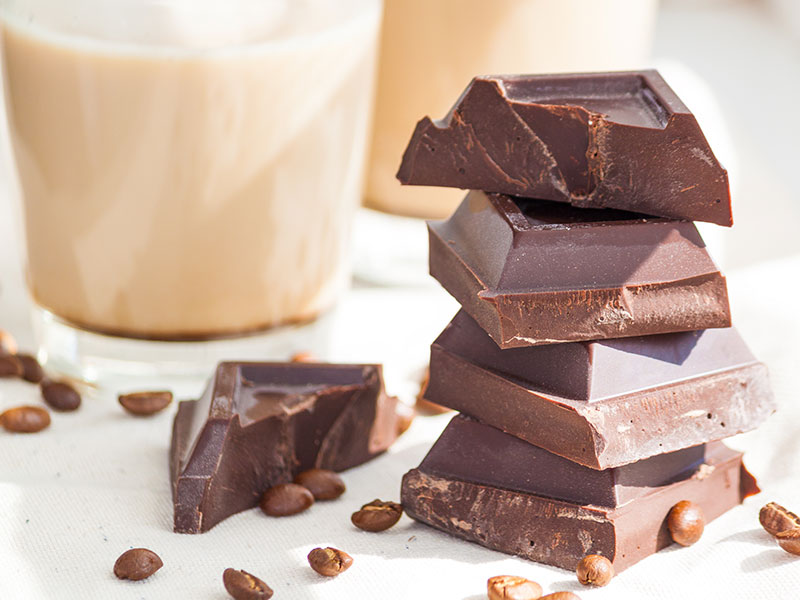
What separates milk chocolate from dark chocolate is not just the presence of dairy — it’s how dairy interacts with the cocoa and fat matrix to produce a specific taste and texture that appeals to a wide range of people.
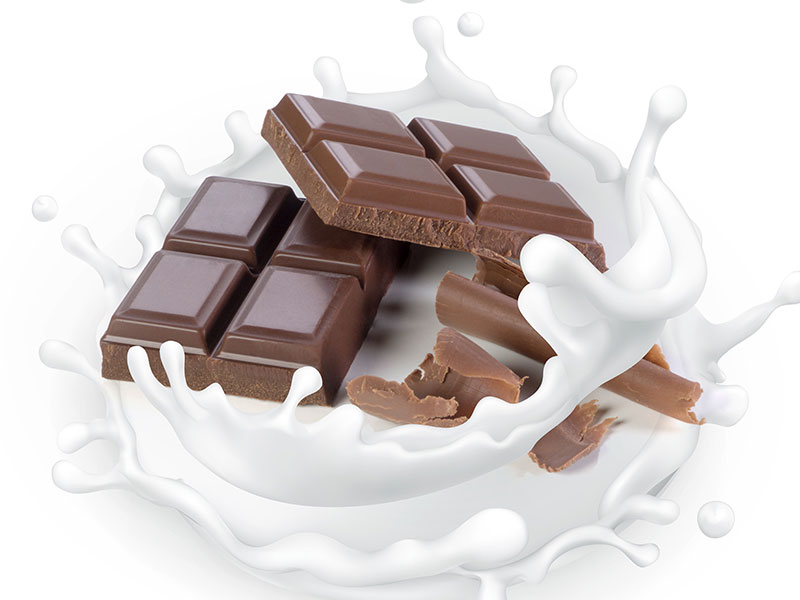
When milk powder or milk solids are added to chocolate, they:
- Soften the natural bitterness of cocoa
- Increase smoothness and creaminess
- Alter the melting behavior
- Create a lighter color compared to dark chocolate
These effects are not superficial — they change how our taste receptors and texture perception interpret the chocolate experience.
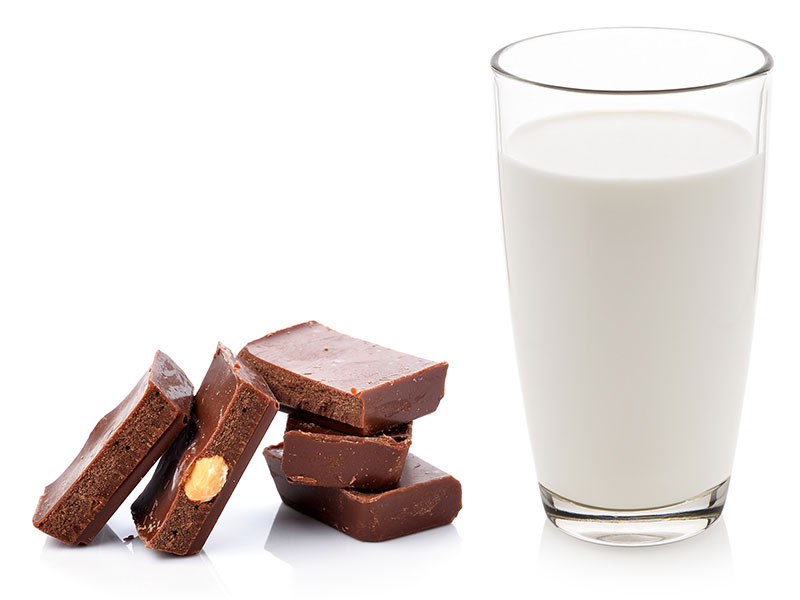
Why Milk Makes Milk Chocolate Different
Let’s address a question many readers ask:
“Why does milk chocolate taste creamier and sweeter than dark chocolate?”
1. Interaction of Milk Proteins with Cocoa
Milk proteins coat cocoa solids and sugar particles in a unique way. This coating interrupts the perception of bitterness and strengthens the sensation of sweetness, even if the sugar percentage is similar to other chocolate.
2. Fat Melting Behavior
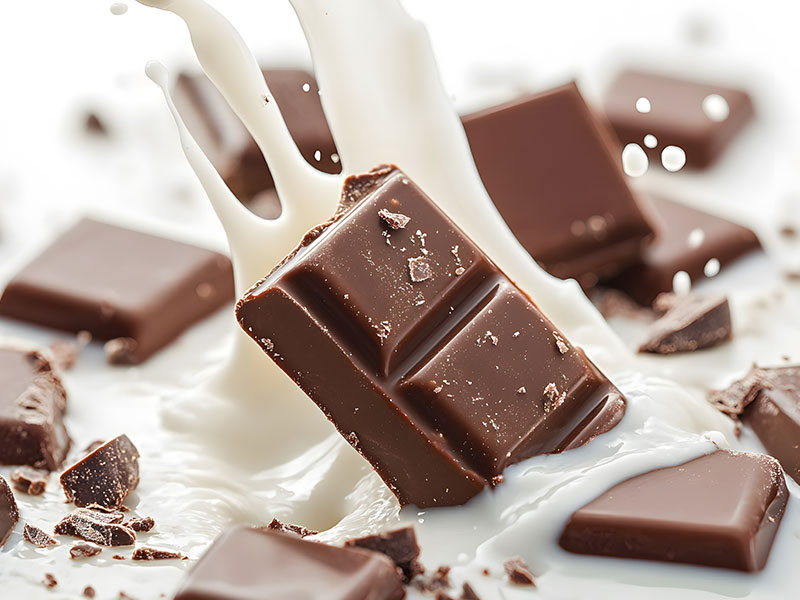
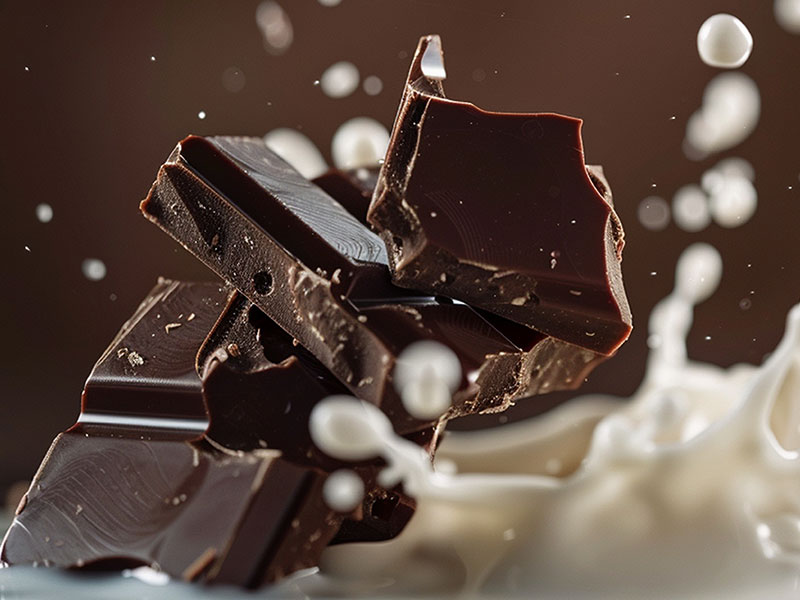
Cocoa butter has a narrow melting range around human body temperature. When milk fat is added into this fat system, it slightly lowers the melting point. This means milk chocolate starts to soften and melt more quickly in your mouth, giving a pleasant sensory experience.
So milk chocolate isn’t sweeter just because of added sugar — it’s the combined effect of milk proteins and fat in the cocoa matrix.
How Milk Chocolate Is Made: A Story of Transformation
Understanding how milk chocolate is produced at scale helps explain why quality varies so much between products.
Step 1: Blending and Refining
The first step is mixing cocoa liquor (ground cocoa solids and butter), sugar, and milk powder into a uniform paste.
Then, the mixture goes through refining — a set of rollers that reduce particle size to below ~25 microns. This is critical: smaller particles feel smoother in the mouth.
Step 2: Conching — Flavor Development
Conching is a long mixing stage, often lasting hours. It:
- Evaporates unwanted volatile compounds
- Coats particles fully with fat
- Develops flavor complexity
- Removes moisture
Longer conching times typically result in richer, more refined flavor and smoother texture.
Step 3: Tempering — Stability and Shine
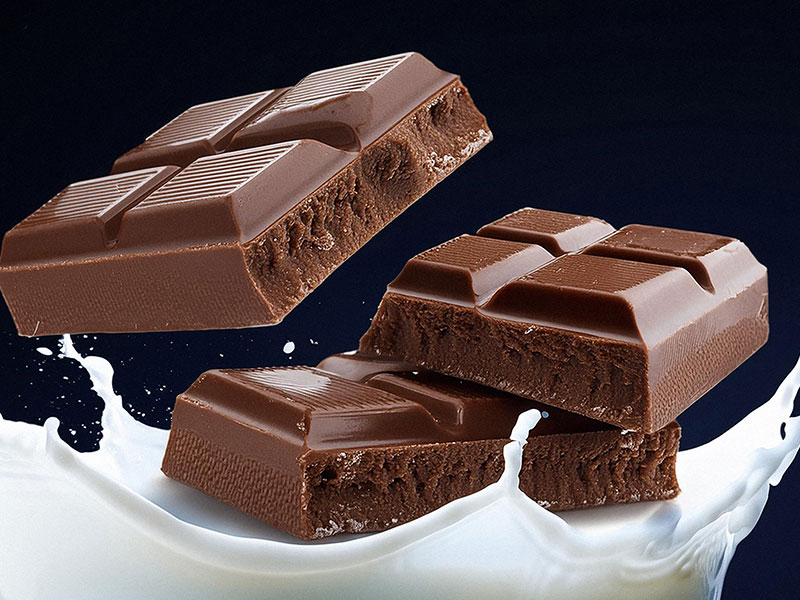
After conching, chocolate is tempered — carefully heated and cooled to allow the fat crystals in cocoa butter to form stable structures.
Proper tempering gives chocolate:
- A glossy surface
- A clean snap
- Better shelf stability
Un-tempered chocolate tends to develop “fat bloom” — a whitish film on the surface — because the fat recrystallizes randomly.
Step 4: Molding & Cooling
The final step is pouring the tempered chocolate into molds and cooling it under controlled temperature and humidity to solidify its structure.
This stage may seem simple, but it’s often where minor flaws — like air bubbles or uneven setting — first show up.
The Real Nutritional Story: What Milk Chocolate Actually Contains
Milk chocolate is a high-energy food. In practical terms, it contains:
- Carbohydrates (mainly sugar)
- Fats (cocoa butter + milk fats)
- Proteins (from milk solids)
- Small amounts of minerals like calcium, magnesium, and iron
It’s inaccurate to classify it as a “health food.” However, it does supply quick energy and some nutrients from cocoa and milk.
Compared to dark chocolate:
- Milk chocolate has more sugar
- Less antioxidants
- More dairy nutrients like calcium
This explains why milk chocolate is often enjoyed for comfort and energy, rather than nutritional benefit in a strict sense.
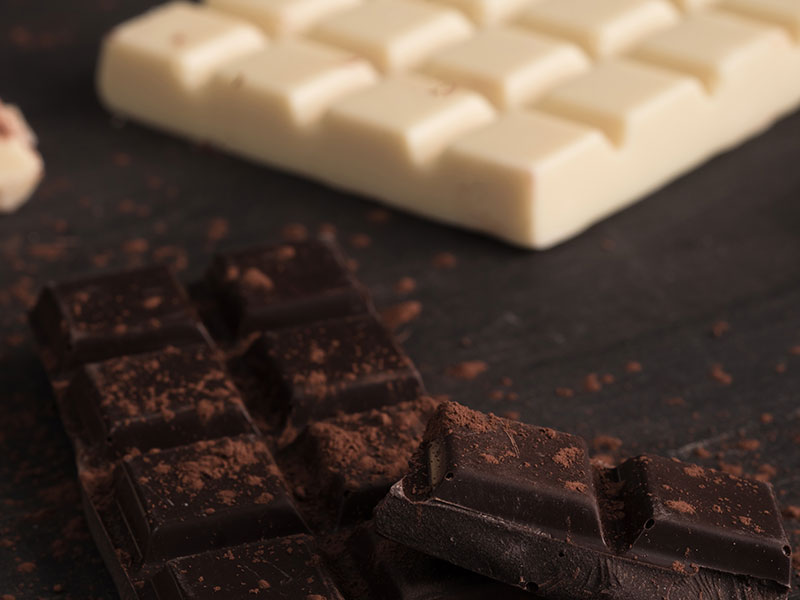
Milk Chocolate vs Dark Chocolate vs White Chocolate: In Words
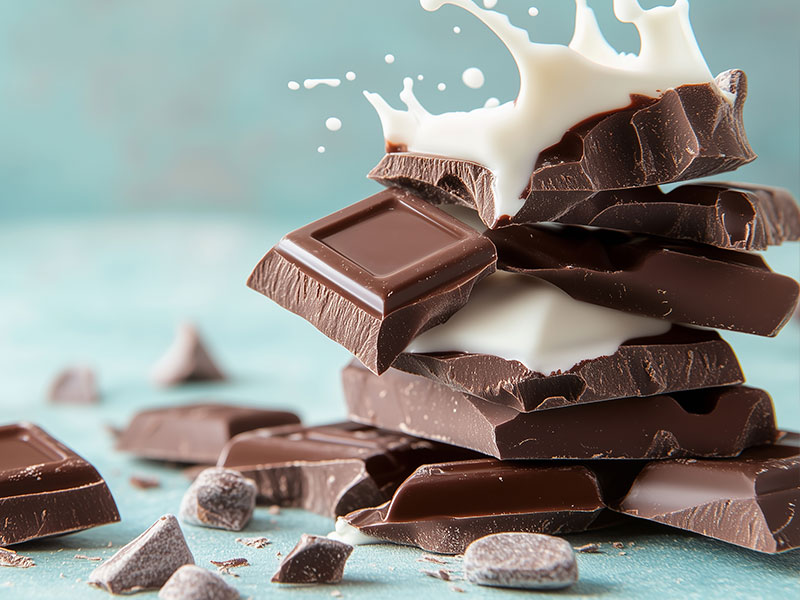
Most charts can describe the differences structurally, but here’s how the experience differs:
1. Milk Chocolate
- Creamy, mild cocoa notes
- Sweet and smooth
- Melts quickly
2. Dark Chocolate
- Strong cocoa intensity
- Less sweet, more bitter
- Richer flavonoid profile
3. White Chocolate
- No cocoa solids (just butter, sugar, milk)
- Very sweet
- Lacks classic “chocolate” flavor
FAQ
1. Does milk chocolate contain real milk?
Yes — it contains milk solids or powder derived from dairy.
2. Is milk chocolate healthy?
In moderation, milk chocolate can be part of a balanced diet — but it is not a “healthy food” by itself.
3. Why does milk chocolate melt faster than dark chocolate?
Because milk fat and cocoa butter create a fat matrix that softens at lower temperatures.
4. Can milk chocolate be made without dairy?
Yes — plant-based versions using oat, almond, or coconut milk powder are increasingly available.
What Many Manufacturers Get Wrong — And What You Should Know
Industrial chocolate varies widely in:
- Cocoa percentage
- Milk powder quality
- Conching time
- Tempering precision
- Added emulsifiers
Products with insufficient conching may taste grainy. Products with poor tempering may bloom. So when choosing chocolate — whether as a consumer or as a buyer — understanding these production benchmarks matters.
From Shelf to Market: Buying Guide for Brands and Retailers
Whether you are:
- A private-label brand owner
- A distributor
- A retailer planning seasonal SKUs
You should evaluate milk chocolate on:
- Cocoa percentage
- Type and quality of milk solids
- Sweetness level
- Texture profile
- Packaging and shelf life
At professional scale, manufacturers like MPS provide bulk supply with customizable cocoa and milk profiles, certifications, and packaging solutions for different markets (EU, US, GCC, etc.)
Conclusion: Milk Chocolate Isn’t Simple — It’s Engineered
Milk chocolate looks familiar, but it is the product of careful science and craftsmanship:
- Ingredient balance
- Particle refinement
- Flavor development
- Fat crystallization control
Understanding these aspects not only answers your questions — it also equips you to make better purchasing and production decisions.
If you want to take this further — such as optimizing formulations for specific markets, designing private-label chocolate products, or understanding cost structures — MPS Candy can help you build a Milk Chocolate Buyer or Manufacturing Guide next.
We are MPS Candy, a China-based candy manufacturer specializing in OEM and ODM candy production for global brands, importers, distributors, wholesalers, and retail channels.