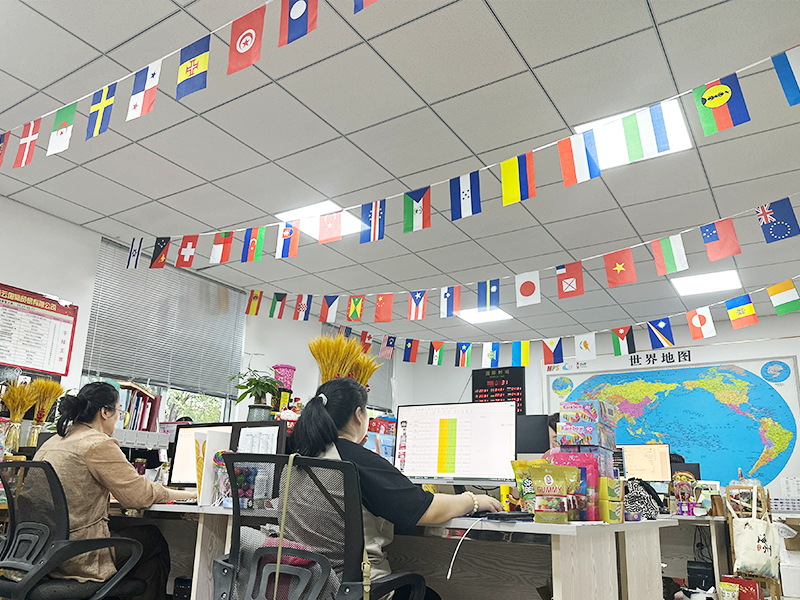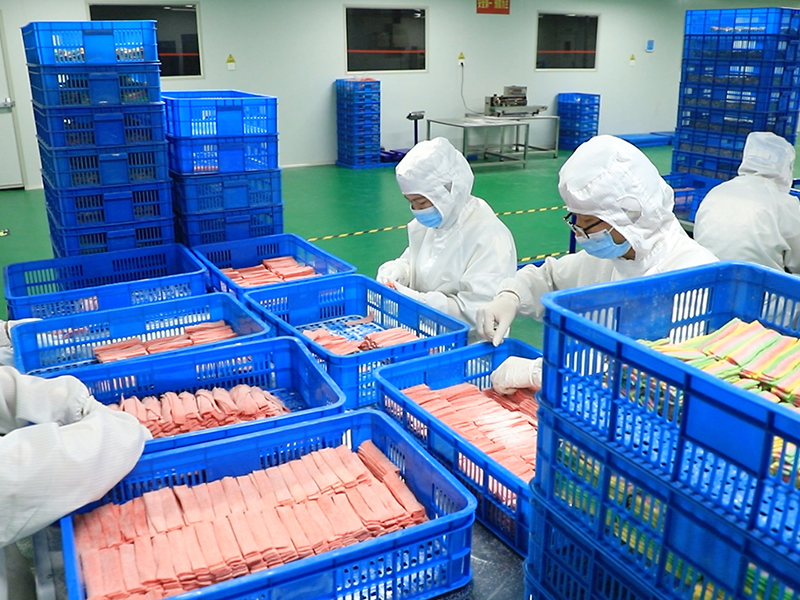
For distributors, importers, and private-label brands evaluating scalable confectionery categories, fruit candy represents one of the lowest-risk and highest-flexibility segments.
Global sales of hard candies, gummies, chewy bites, and filled varieties are solid; they store well and are versatile enough for seasonal or promotional campaigns.
The category also supports fast SKU expansion through flavor, texture, and packaging variations—ideal for seasonal and promotional programs.
What Is Fruit Candy?
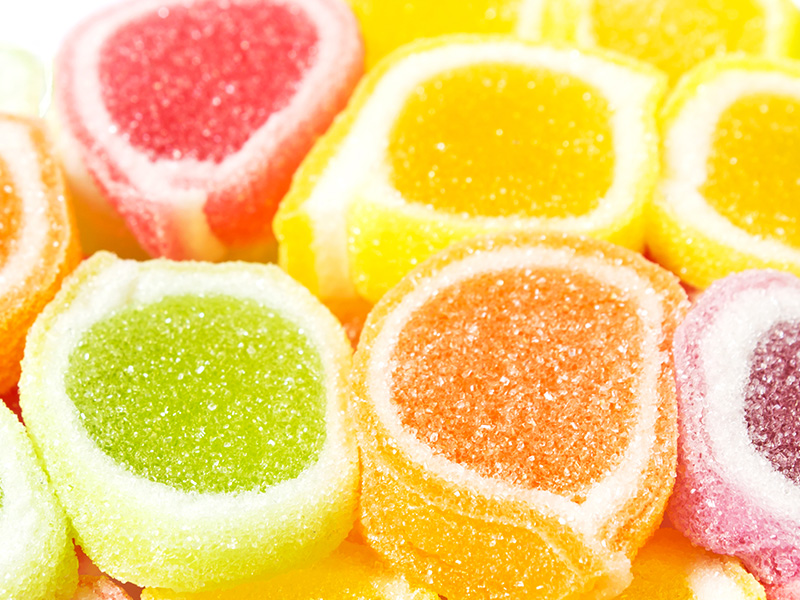
In this guide, “fruit candy” refers to fruit-flavored confectionery formats (hard candy, gummies, chews, and filled pieces), while “fruit-based confections” refer to products made with higher real-fruit content.
From a business perspective, fruit candy is a subcategory of confectionery that is defined by its fruity characteristics, such as taste, aroma, or shape, rather than cocoa or chocolate content.
From a sourcing and assortment perspective, fruit candy allows distributors and private-label brands to scale product lines rapidly without investments in new production infrastructure, making the category particularly well-suited for businesses testing new markets or expanding existing distribution networks.
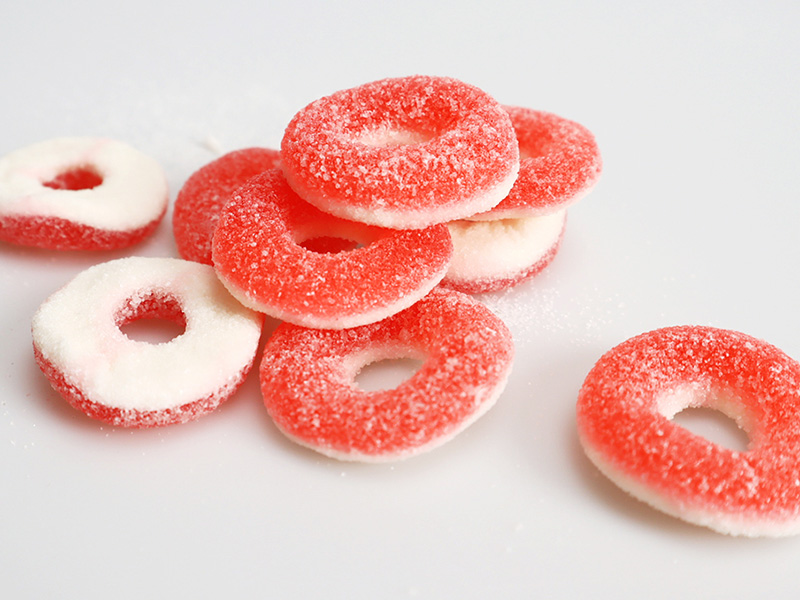
Fruit candy comes in multiple formats—hard candy, gummies, chews, jelly-filled pieces, and lollipops—offering operational advantages like easy storage, long shelf life, and consistent quality during transport.
Business guidance:
- Private-label brands should make the best of the wide variety of fruit candy formats to create a differentiated assortment without changing core manufacturing and packaging processes, maintaining steady production costs while increasing SKU count.
- Distributors and importers benefit from the longer shelf-life and low sensitivity to temperature, making it possible for them to plan their supply chain easily.
- Retail buyers can stock fruit candy across formats—including e-commerce—because quality and texture remain consistent over time.
Fruit-Flavored Candy vs. Fruit-Based Confections
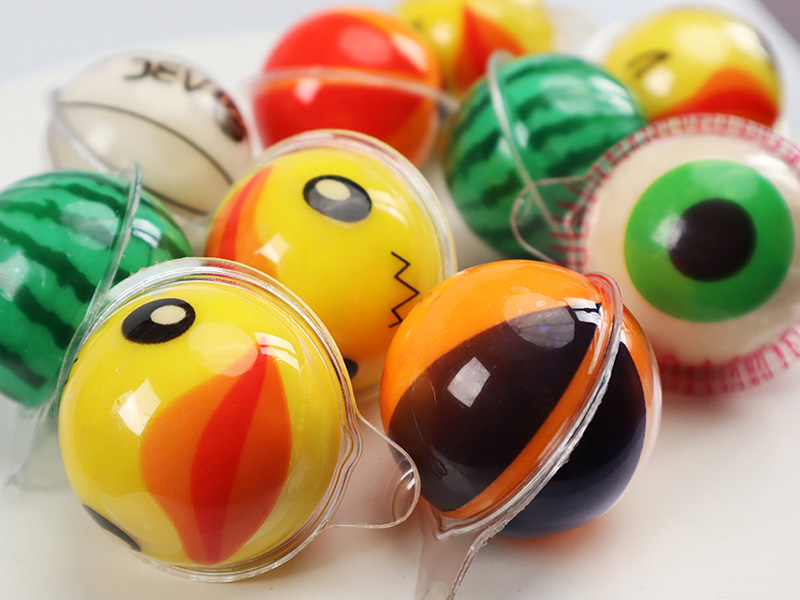
One of the most important traits for businesses evaluating fruit candy is the difference between fruit-flavored candy and fruit-based confections. While both of them have a fruit theme, they differ in ingredients, compliance needs, and commercial applications.
- Fruit–flavored candy depends on flavorings, such as natural extracts, artificial flavors, or juice concentrates, to replicate or enhance fruit taste. This allows manufacturers and private-label brands to maintain a consistent profile, low cost, and a predictable shelf life.
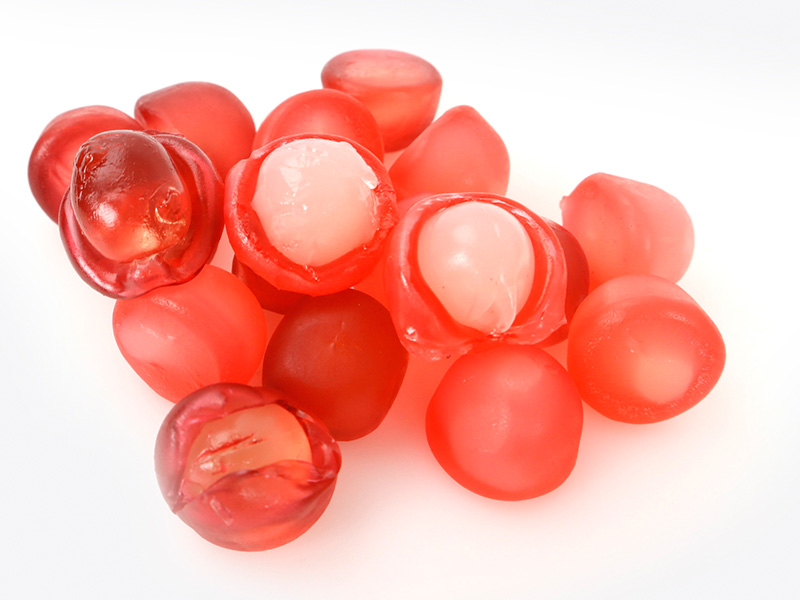
- Fruit-based confections use real fruit ingredients, like purees or dried fruit. While they appeal to premium or health-conscious segments, they need more careful sourcing, shorter shelf life management, and much stricter temperature control. For importers and retailers, this translates into higher operational complexity and potential cost implications.
Business guidance:
- Cross-border shipments or larger markets, generally, importers & distributors focus on the convenience and widely available fruit candy since they are the most stable and produce the largest volumes.
- In contrast, premium private-label lines may include fruit-based confections for health-focused shoppers, but they require shorter production cycles and tighter shelf-life management.
- Distributors will be able to use these different characteristics to target individual segments of the market effectively and develop a well-rounded assortment that combines the best aspects of both mass market fruit-flavored candies and premium fruit-based candies for different retail and entertainment venues.
Main Types of Fruit Candy
Fruit candy is widely available in different formats, with each of them offering distinct advantages in terms of storage, shipping, market appeal, and operational efficiency. Understanding these differences helps distributors, private-label brands, and retailers make informed decisions about which format is best suited for their business aims.
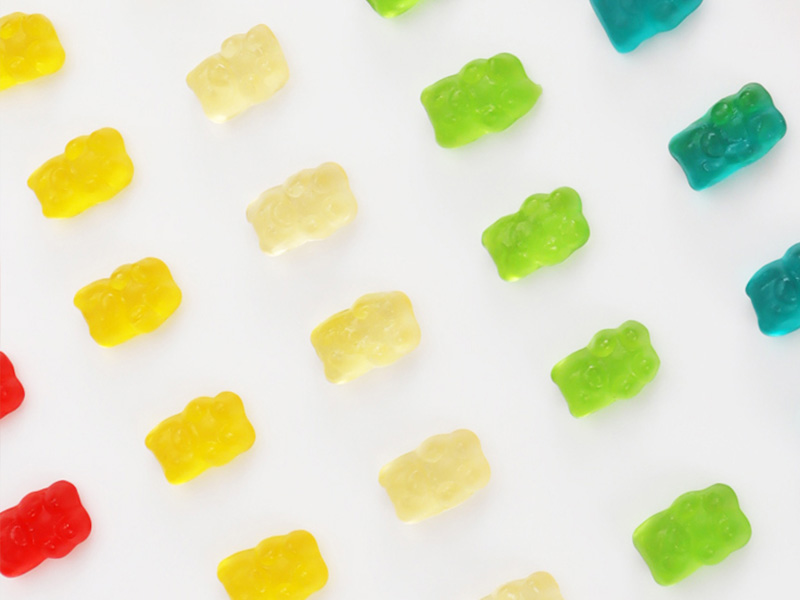
1. Gummy Fruit Candies
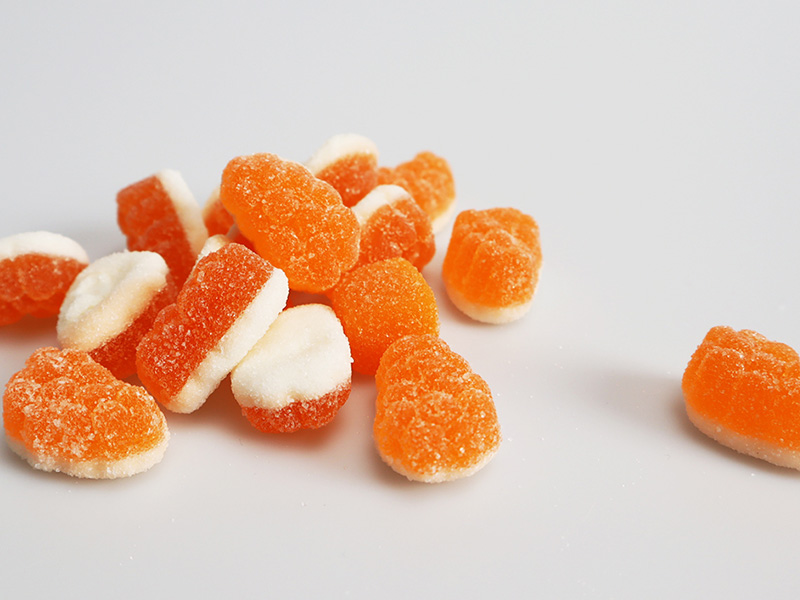
With their softness, wide variety of consumers, and ability to endure shipping, gummies serve as ideal products for high turnover retailers, private label programs, and online sales channels. The ability to produce both limited-edition lines and themed collections that don’t disrupt standard operating processes allows for increased flexibility in SKU management and seasonal sales strategies.
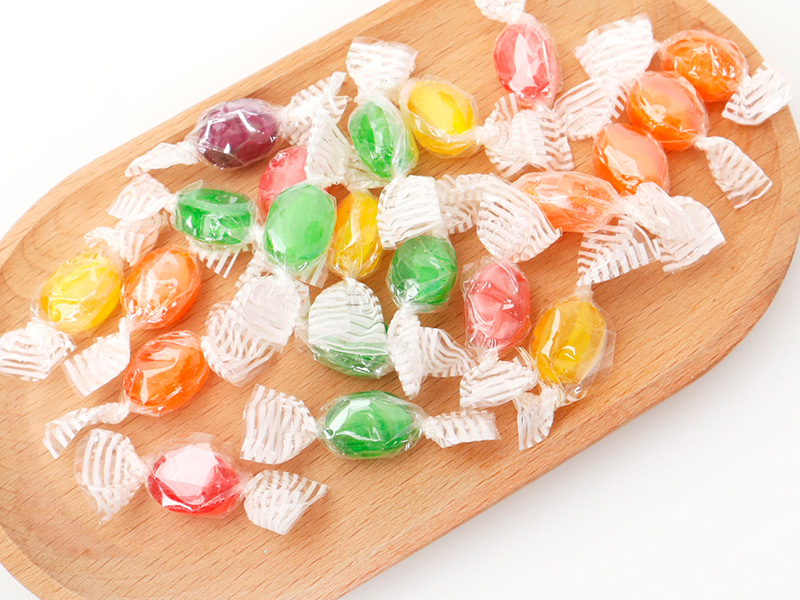
2. Hard Fruit Candies
Hard candies have an outstanding shelf life, length of time on the shelf, and are very easy to store. Hard candies do not change as much from temperature variations as other types of candy, so they are ideal for international shipping, extended distribution time frames or cycles.
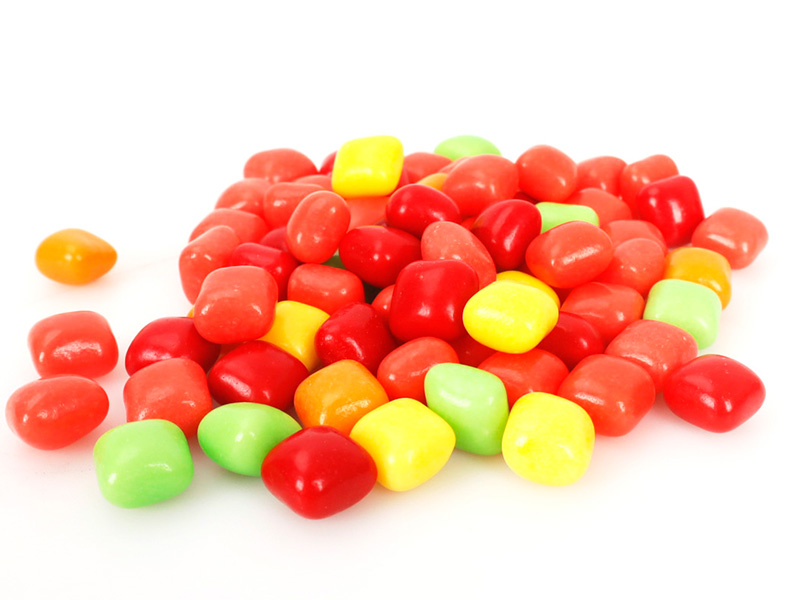
3. Chewy and Soft Fruit Candies
The soft, chewy textures and rich flavors of soft and chewy provide a high-quality consumption experience that appeals to a wide range of consumers. These products are ideal for inclusion in gift boxes or variety packs, as well as in special assortments around a season or other occasion, enhancing their perceived value.
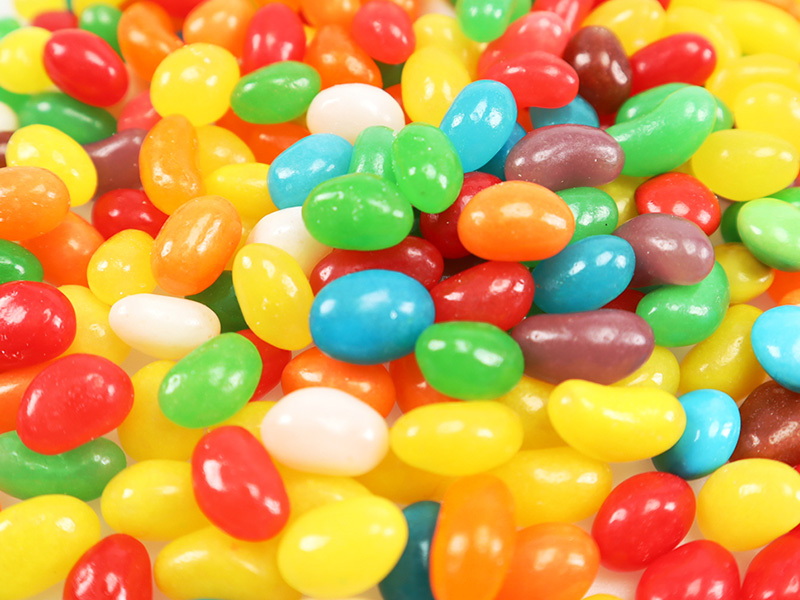
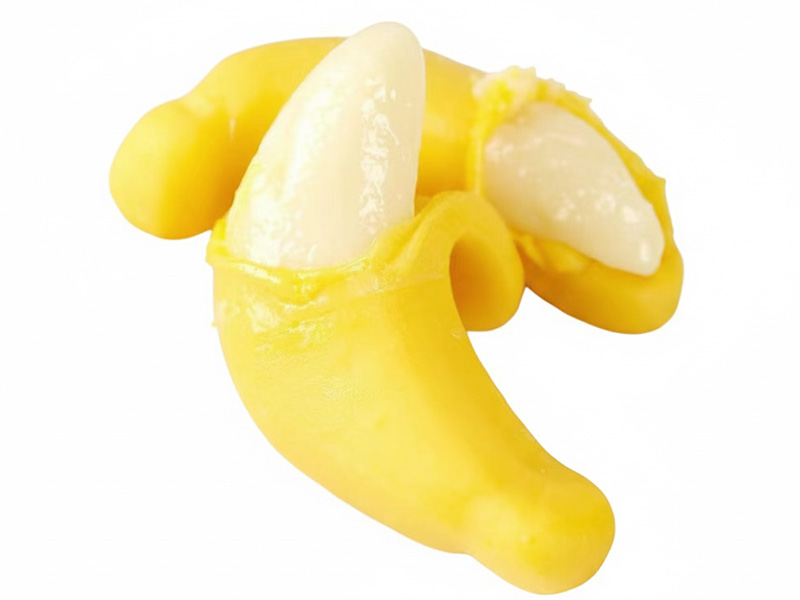
4. Jelly and Filled Fruit Candies
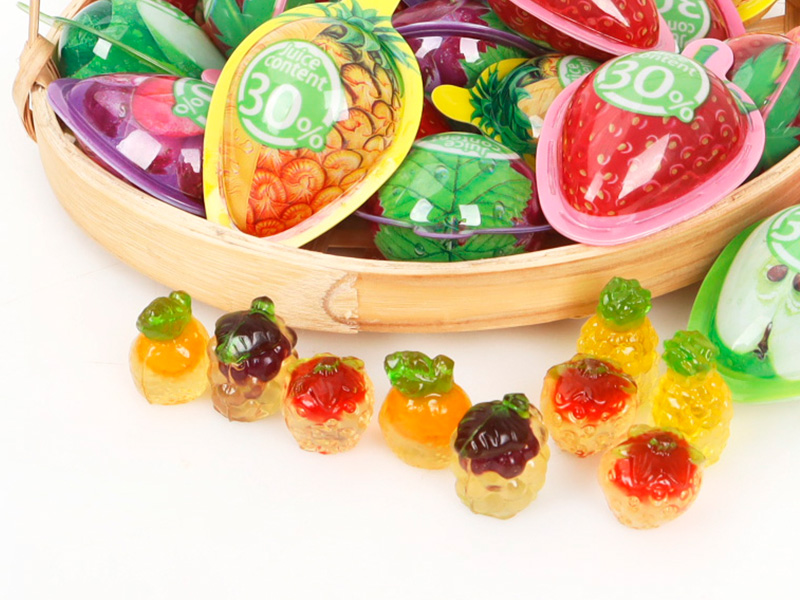
The jelly and filled candy formats are excellent platforms for creating a complex blend of flavors and textures over multiple layers, thereby providing strong positions for these items in the mid-to-premium segments of the candy market.
The majority of these products offer unique opportunities for private label customization and seasonal marketing efforts.
Popular Fruit Candy Flavors
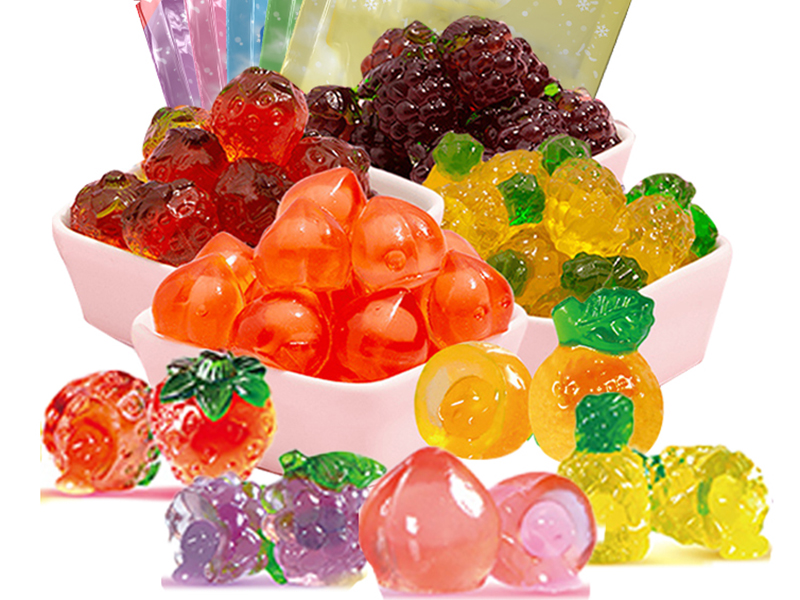
Strawberry, lemon, orange, apple, and grape are evergreen best-sellers because they’re instantly recognizable and perform well in mixed assortments.
Tropical mix and berry mix help brands refresh shelves without changing the base format, while sour mix (often built around citric/malic acid profiles) drives repeat purchases with younger shoppers and works especially well for seasonal “limited edition” runs.
Common Ingredients Used in Fruit Candy
As for businesses evaluating candy products, it’s crucial to have an understanding of these ingredients, not only for flavor and texture but also for scalability, shelf-life, and compliance. The choice of ingredients directly affects production consistency, market suitability, and operational efficiency.
1. Sugar and Syrup Systems
The base of the majority of fruit candies is sugar combined with multiple syrups, which provide structure, chewiness, and sweetness. The right choice will guarantee stability, consistent quality, and suitability for different market needs, especially for a wholesale point of view.
Common systems include:
- Granulated sugar: cost-effective, traditional, widely accepted
- Glucose syrup: improves texture and prevents crystallization
- Invert sugar: enhances sweetness and extends shelf life
- Sugar alternatives: suitable for sugar-free or low-calorie offerings
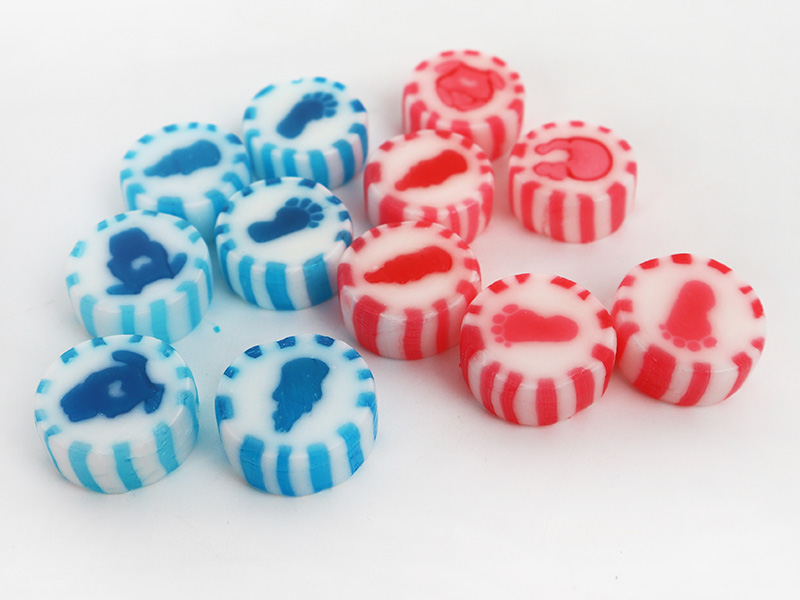
2. Flavoring Methods
Flavor defines the overall appeal of a fruit candy and shapes product positioning. Manufacturers choose between:
- Natural fruit extracts: premium perception, regulatory considerations for certain markets
- Artificial flavors: cost-effective, consistent, scalable for large production runs
- Fruit juice concentrates: add authenticity, color, and appeal to health-conscious consumers.
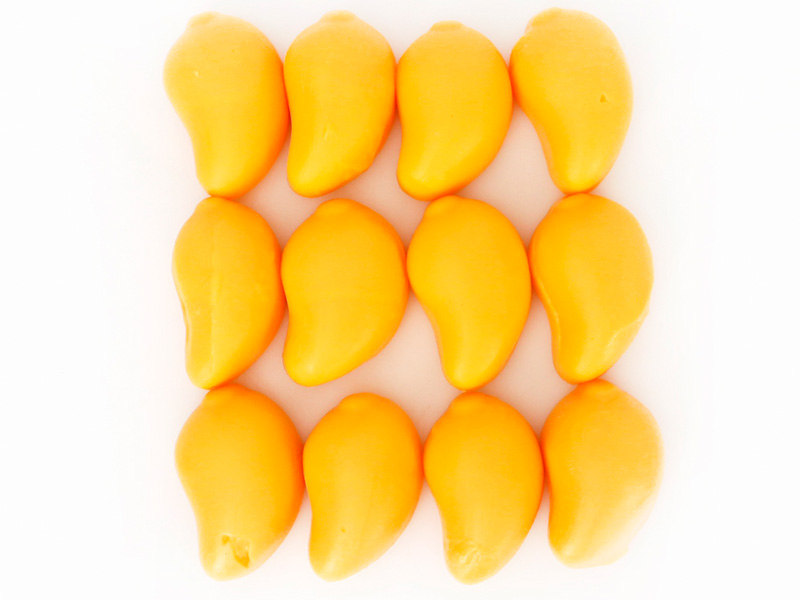
3. Coloring Considerations
Colors are the most important part of retail and e-commerce visibility. Ingredients choices usually include:
- Natural colors (from fruits, vegetables, or plants) for organic or health-focused lines
- Synthetic colors for vibrant, stable, and cost-effective options

4. Compliance and Labeling
For global distribution, ensure products comply with destination-market regulations (e.g., FDA requirements in the U.S.) and are produced under recognized food-safety systems such as HACCP and ISO-based quality management. Accurate labeling not only ensures regulatory compliance but also diminishes operational risk and supports the private label or export operations.
Sourcing Guide: Fruit Candy for Importers, Distributors & Brands
1. Buyer Checklist for Wholesale & Private Label Fruit Candy
Before placing an order, confirm MOQ (per SKU and per flavor), flavor count per assortment, and the best packaging format for your channel (peg bags, stand-up pouches, jars, or display boxes). Align lead time with your selling window (seasonal vs. everyday) and lock in key certifications you’ll need (e.g., HACCP/ISO, halal/kosher if required). Finally, confirm label language, ingredient/allergen declarations, and any destination-market compliance requirements before artwork approval.
2. Shelf-life & Storage Requirements
Most fruit candy formats are shelf-stable at ambient conditions: hard candy commonly ranges around 18–24 months, while gummies and chewy candies are often 12–18 months (exact shelf life depends on formulation and packaging). Store in a cool, dry place away from direct sunlight; control humidity to prevent stickiness (gummies/chews) or surface sweating (hard candy). For longer distribution cycles, use moisture-barrier packaging and keep cartons sealed until merchandising.
3. Private Label Workflow: From Concept to Shipment
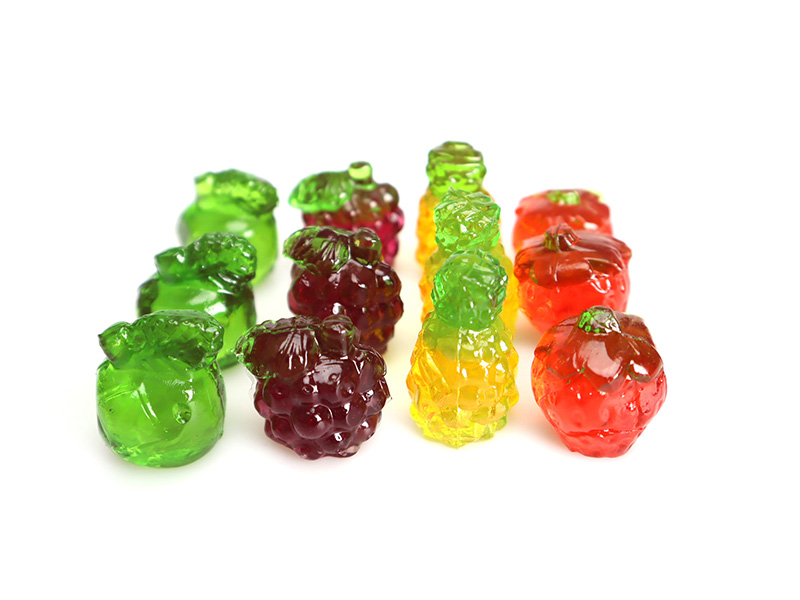
Select formats + flavors: choose the base type (hard/gummy/chew/filled) and define the flavor set (single flavors or mixed assortments).
Sampling: confirm texture, sweetness/sour level, color, and piece size; finalize the target spec.
Packaging & label approval: lock in pack format, artwork, label language, and compliance statements (ingredients/allergens/nutrition).
Production & shipment: confirm lead time, QC checkpoints, carton marking, and shipping terms so inventory arrives before your sales window.
Target Consumer Groups for Fruit Candy
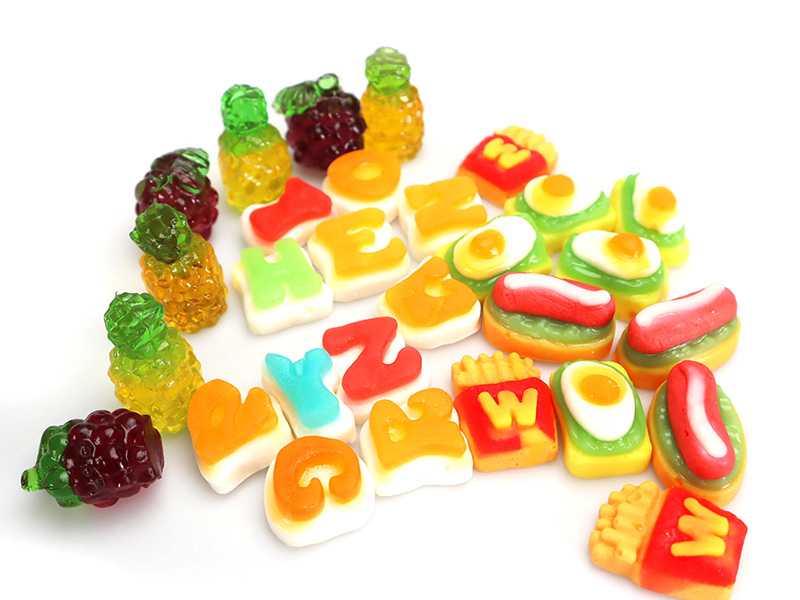
Rightly targeting consumers for fruit candy is important for businesses planning product lines, assortment strategies, and marketing initiatives. To know consumer preferences as commercial insights helps retailers, distributors, and private-label brands make informed decisions about flavors, formats, and packaging.
1. Children and Family Consumption
Vibrant colors, familiar fruit flavors, and playful shapes make fruit candies particularly appealing to children. Families often look for affordable portion sizes and easy-to-find products. For businesses, this translates into high-turnover SKUs suitable for supermarkets, convenience stores, and discount retailers, as well as bulk packing that simplifies inventory management.
2. Teenagers and Young Adults
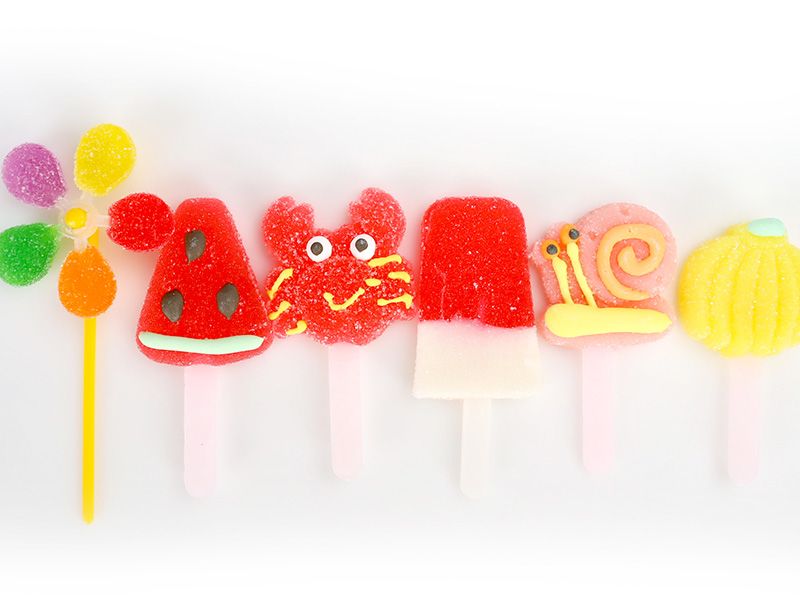
Young adults and teens are drawn to flavor variety, novelty, and visually appealing packaging. Sour, mixed fruit, and limited-edition flavors perform well with this demographic. Companies can easily leverage this insight by introducing seasonal or trend-driven assortments that are targeted at e-commerce platforms, impulse channels, or promotional campaigns, allowing for different experimentation with less risk.
3. Mass-Market vs Premium Consumers
Entry-level products primarily focus on traditional flavors and value pricing, while premium options strongly emphasize natural ingredients, creative textures, and sophisticated packaging. Businesses can structure dual-tier product lines, optimizing reach across different retail channels while balancing operational requirements such as storage, shelf life, and production complexity.
Fruit Candy vs Chocolate Candy
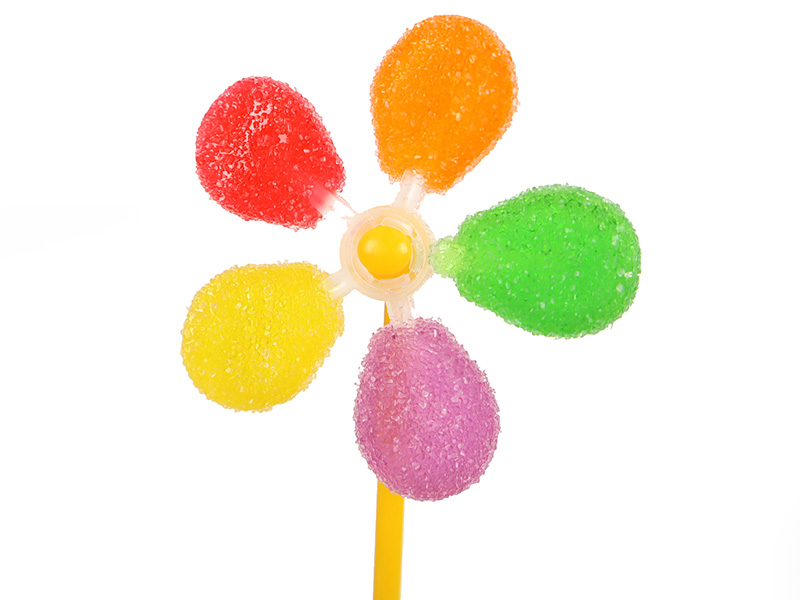
Fruit and chocolate candy categories are both thriving markets; therefore, businesses should take into consideration the differences in the methods of shipping, customizations, shelf life and storage requirements, and the risk involved with running an operation on both. They’re all key factors in how companies develop their sourcing plans, set pricing, and scale their operations.
1. Operational and Market Implications
- Distribution and Logistics: Distributors and importers can more easily manage the distribution and logistics of fruit candy due to the decreased risk of spoilage, as well as simplified forecasting of inventory needs.
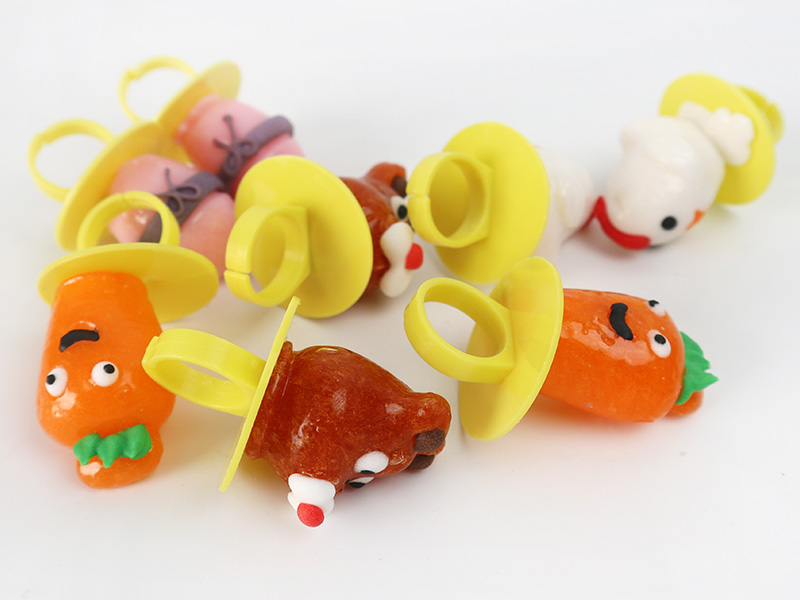
- Customization and Product Strategy: Fruit candy’s ability to be produced in different flavors, shapes, and packaging types from chocolate allows private label retailers and suppliers to take advantage of the product testing capabilities of fruit candy by allowing them to offer rare and unique SKUs for the consumer to try.
Key Advantages of Fruit Candy for Distribution and Retail
Fruit candy occupies a unique position within the wider confectionery market, giving business advantages that other candy categories, such as sugar-based sweets or chocolate, can’t match.
Its functional resilience, flavor versatility, and shelf stability make it highly attractive for companies that are managing massive inventories, multiple retail channels, or export operations. Compared with more temperature-sensitive categories and trend-driven novelty items, fruit candy is easier to forecast, ship, and refresh through flavor rotations.
1. Core advantages of fruit candy when compared to other types
- Operational Effectiveness: Hard candy and gummies have a longer shelf life than other candy types because they are less temperature-sensitive and travel well, which simplifies import and cross-border distribution.
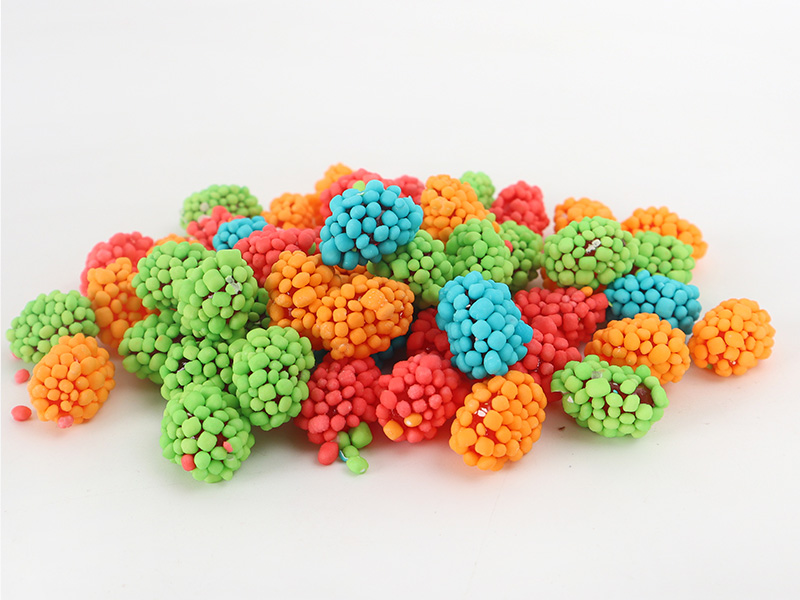
- Flavor Options: Fruit candy is built on stable sugar-and-syrup systems, with flavors added via extracts, concentrates, or flavorings—making it easy to launch seasonal mixes and limited editions without changing core production.
- Market Opportunities: Fruit candy products are ideal for daily and promotional purposes, making them a strong fit for grocery, convenience, and e-commerce—especially for everyday stock and promotional programs.
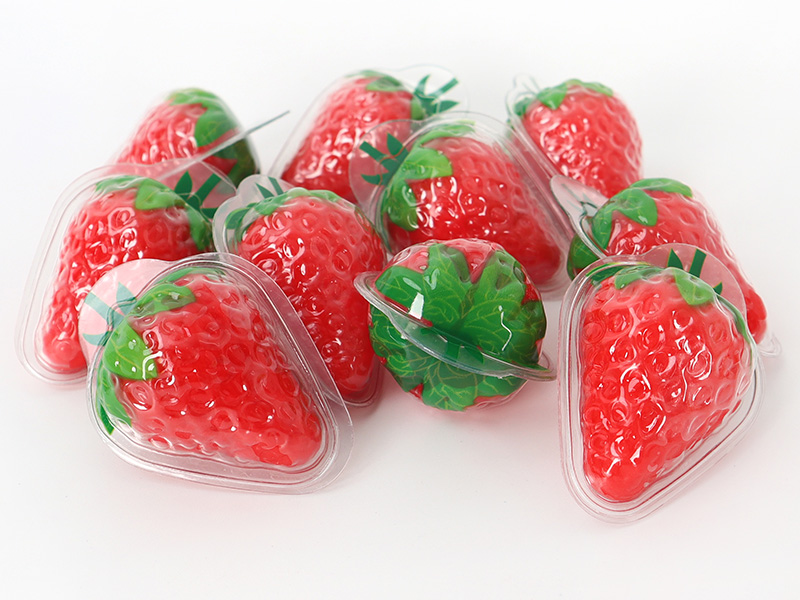
2. Commercial Flexibility and Market Resilience
Fruit candy performs well in both everyday sales and seasonal promotions. Its shelf stability and format flexibility let businesses rotate flavors, build bundles, and test new assortments without changing core supply agreements.
Fruit Candy Brands and Product Styles
In the market, recognizable fruit-candy brands often map to a few core product styles—fruit chews, gummies, hard candies, and filled pieces. Examples include SKITTLES (fruit-flavored chews), STARBURST (fruit chews), HARIBO (fruit gummies), Trolli (sour gummies), Jelly Belly (jelly beans), and Jolly Rancher (hard fruit candy).
Fruit candy brands distinguish less through flavor alone and more through product structure, packaging strategy, and functional consistency. As for buyers and brand owners, understanding these elements is key to evaluating long-term scalability.
1. How fruit candy brands structure their product styles
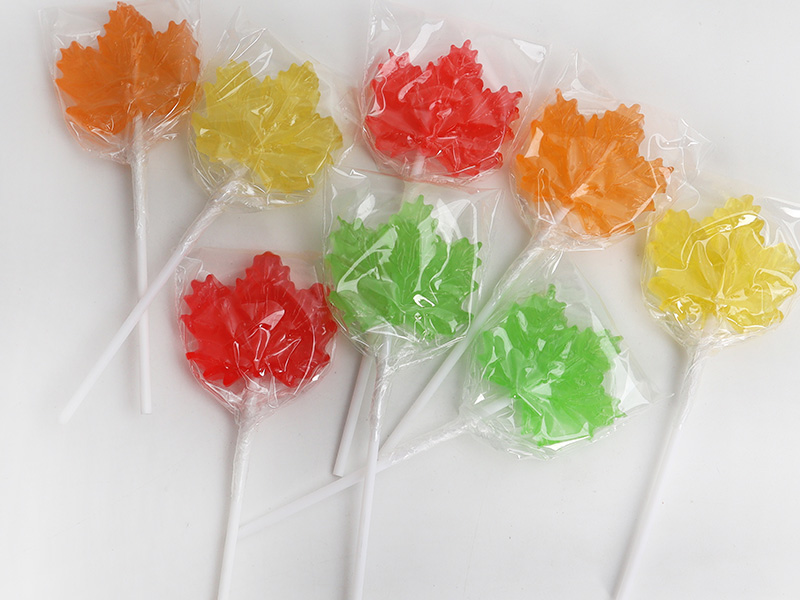
- Gummies, hard candies, chewables, and filled varieties are the basic formats of confectionery products.
- All other flavors and formats can be produced using these base formats without changing the way they are manufactured.
- This makes it easier to update or modify the assortment of candy options in a store with little to no operational change.
2. Packaging as a positioning tool
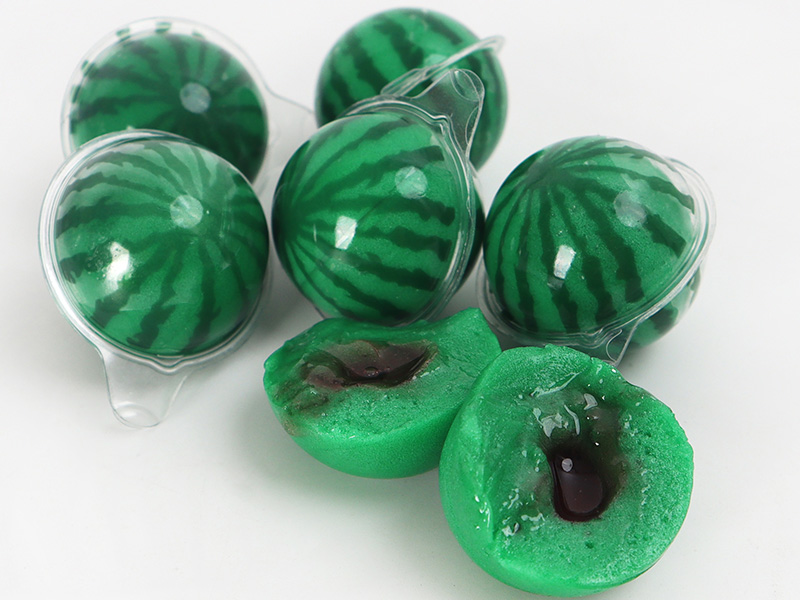
- Single-serving wrapped sweets promote hygiene; portion-size control is part of the candy custom.
- Bulk packaging targets wholesalers and food service businesses while providing low-priced retailers with lower-cost alternative options.
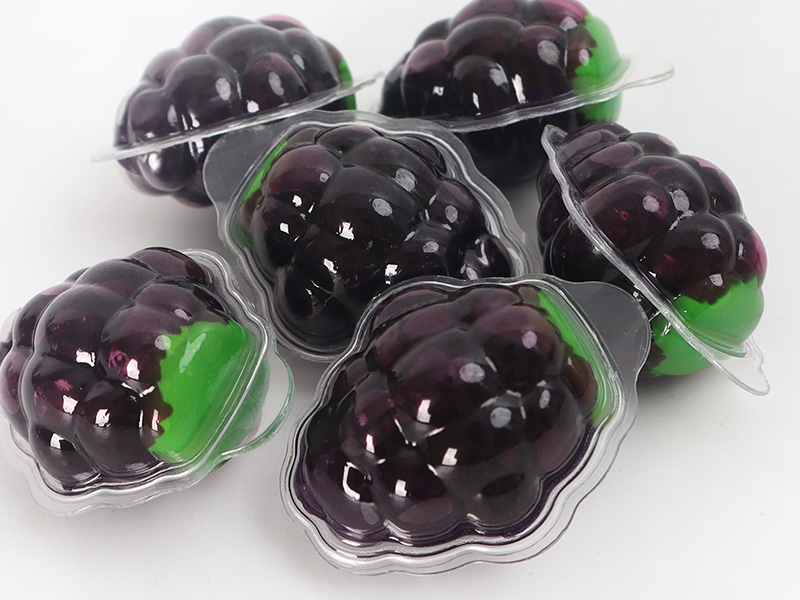
- Premium packaging (resealable bags and display boxes) provides for positioning products at a higher gross margin until sold at retail.
3. Operational factors that influence brand strength
- Consistent taste, texture, and appearance across production batches
- Standardized specifications that simplify repeat ordering
- Reliable quality that supports long-term distribution agreements
4. What scalable fruit candy brands prioritize
- Standardized core SKUs
- Flexible flavor extensions
- Packaging aligned with sales channels
- Production models that support volume without quality loss
FAQ: Fruit Candy for Buyers and Brands
1. What is fruit candy?
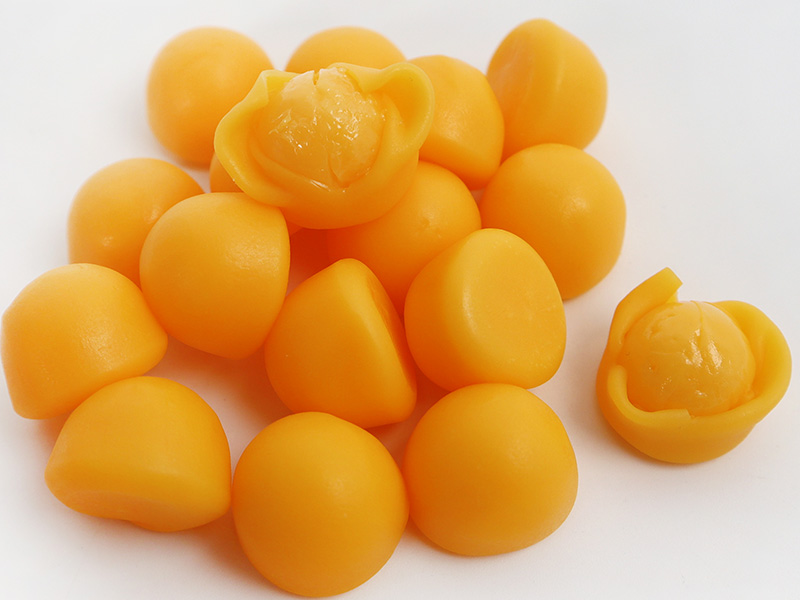
Fruit candy is a broad category of confectionery defined by fruit flavors, fruit-like shapes, or fruit aromatics—commonly including hard candy, gummies, chews, and filled pieces.
2. Fruit-flavored vs. fruit-based: what’s the difference?
Fruit-flavored candy relies on flavorings (extracts, concentrates, or artificial flavors) for consistency and long shelf life, while fruit-based confections use higher real-fruit inputs (purees/dried fruit) and usually require tighter shelf-life and sourcing control.
3. What are the main types of fruit candy?
The core formats are gummies, hard candy, chewy/soft candy, and jelly- or liquid-filled pieces—each suited to different price points and channels.
4. What is fruit candy made of?
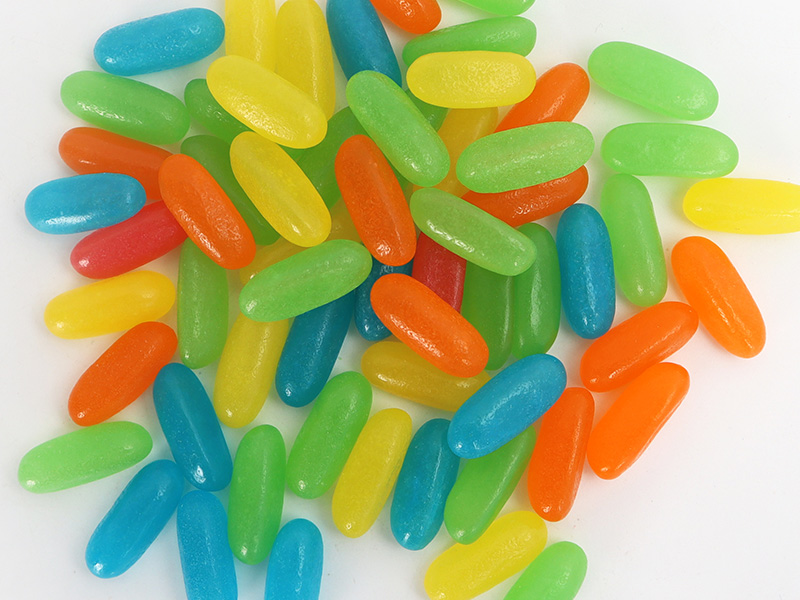
Most fruit candy uses sugar-and-syrup systems, plus flavorings, acids (for tartness), and colors; gummies/chews also rely on gelling agents to set texture.
5. Is fruit candy shelf-stable for shipping?
Yes—most fruit candy is designed for ambient distribution, making it easier to ship and store than temperature-sensitive confectionery (shelf life varies by recipe and packaging).
6. What packaging formats sell best for wholesale/private label?
Peg bags and stand-up pouches are common for retail and e-commerce, jars work well for bulk/club and counter displays, and display boxes support impulse and promotional placements.
Conclusion
Fruit candy performs reliably across regions and channels when quality, packaging formats, and flavor profiles match local demand. For companies expanding assortments, partnering with an export-ready manufacturer that supports compliance, customization, and scalable production can reduce risk and speed up growth.