If you’re wondering whether you’re already late to place seasonal candy orders, this buying calendar is built exactly for that question.
From the haunted treats of Halloween to the heart-shaped indulgences of Valentine’s Day, holiday candy is big business. The holiday cycle in 2026 bodes for another burst of consumer demand.
Consider this your tactical field manual to the sugar-dusted madness. It breaks down an ultimate buying timeline broken into each major holiday, crucial purchasing windows, and decodes the in-and-outs of compliance. Only then, your stock arrives on time and to specification so that you can make sales.
This guide is written for importers, distributors, private-label brands, and retail buyers who cannot afford missed in-store weeks.
Why a Late Candy Order Can Kill an Entire Holiday Season
1. Concentrated Seasonal Demand
Holiday candy demand spikes sharply around Halloween, Christmas, Valentine’s Day, and Easter. Seasonal chocolate alone generates $3.3B annually in US sales.
Meanwhile, Halloween accounts for nearly $4.5B in candy spending. Such concentrated bursts of demand create a ripple effect across the supply chain through –
- Shipping Congestion: Carriers face peak volumes during Q4 and early Q1. It leads to delays and premium freight costs.
- Stockouts: Retailers who miss the buying window risk empty shelves during peak foot traffic. You’ll lose both revenue and customer trust.
- Production Bottlenecks: Manufacturers operate at full capacity during seasonal runs. It leaves little room for late orders or reworks.
For example, search volume for chocolate bars peaked at 92 out of 100 in December 2024. Valentine’s Day lollipops saw a 34.7% month-over-month spike in February 2024. Such mass surges are predictable only with the perfect calendar.
If you are buying for retail or distribution, missing these demand spikes usually means either premium freight or post-holiday markdowns — both eat directly into margin.

2. The ‘In-Store Week’ Impact
The phrase ‘In-store week’ denotes the retail window when the candy must be on shelves. The critical window is where your holiday candies capture impulse buys and seasonal promotions. Missing it even by a few days means –
- Lost promotional opportunities.
- Reduced sell-through rates.
- Excess inventory post-holiday markdowns.
Smart retailers usually plan themed displays 4 – 6 weeks before the holiday. Therefore, Valentine’s Day candy should hit shelves by early January. Halloween assortments should arrive by late August. Such alignment of procurement schedules enables –
- Timely delivery to distribution centers.
- Sufficient buffer for merchandising and planogram execution.
- Optimal exposure during peak consumer interest.
3. The Count-Back Method
In simple terms, Count-Back means you don’t ask “when should I order?”, you ask “when must the candy already be on shelves?”
Procurement teams favor Count-Back for a foolproof buying calendar. The reverse planning technique starts with a specific in-store date and works backward through each supply chain milestone.
Set the In-Store Week (October 1 for Halloween). Count Back Lead Times –
- Retail delivery: 1 week.
- Distributor handling: 1 – 2 weeks.
- Manufacturer production: 4 – 6 weeks.
- Ingredient sourcing or packaging: 2 – 3 weeks.
Add Buffer for Delays: 1 – 2 weeks for freight or compliance issues.

4. Example
This is the most common and most expensive mistake Halloween buyers make every year.
You need to place orders by mid-July to fill your shelves by October 01. That’s 10 – 12 weeks of lead time (factoring in production, transit, and retail). It’s highly effective for seasonal products with limited production windows and high customization (themed packaging or allergen-free variants).
Step-by-Step Process: Building Your Timeline Backwards
| Stage | Usual Lead Time | Key Considerations |
|---|---|---|
| In-Store Date | Fixed (holiday week) | Retail display setup, consumer visibility |
| Retail Delivery | 1 Week | Distribution center handling, shelf stocking |
| Shipping + Transit | 4 – 6 weeks (ocean) | Freight booking, port congestion, customs |
| Customs Clearance | 5 – 10 days | Documentation, inspections, duties |
| Packaging + Labeling | 1 – 2 weeks | Seasonal branding, compliance (allergen info) |
| Layout Approval | 1 week | Retailer or brand sign-off on design |
| Production | 3 – 5 weeks | Manufacturing, QA, batch testing |
| Raw Material Sourcing | 2 – 3 weeks | Ingredient procurement, vendor coordination |
1. Formula for Order Placement
Calculate your order placement date as follows –
Order Date = In-Store Date − (Retail Delivery + Shipping + Customs + Packaging + Layout + Production + Sourcing) + Buffer Time (1 – 2 weeks) for unexpected delays
Example A: Halloween Candy Buying Calendar (USA)
- Target In-Store Week: October 1 – 7
- Peak Consumer Buying: 65% purchase Halloween candy in October, with 21% buying in September.
- Ocean Shipping Lead Time: 4 – 6 weeks
- Production Time: 3 – 5 weeks
- Customs Clearance: ~7 days
Recommended Timeline –
- Order Placement: By mid-July
- Production Completion: Early August
- Shipping Departure: Mid-August
- Arrival and Clearance: Late September
- Retail Delivery: Last week of September
- In-Store Display: October 1
Example B: Ramadan Candy Buying Calendar (GCC Region)
- Target In-Store Week: 2 – 3 weeks before Ramadan (starts ~February 20, 2026)
- Key Compliance Factor: Halal Certification (mandatory for all GCC markets)
- Ocean Shipping Lead Time: 5 – 7 weeks (longer due to port congestion in Jebel Ali, Dammam)
- Halal Certification Process: 2 – 4 weeks (includes audit, documentation, and approval)
- Production Time: 3 – 4 weeks
Recommended Timeline –
- Order Placement: By early December (previous year)
- Halal Certification Initiation: November (previous year)
- Production Completion: January
- Shipping Departure: Mid-January
- Arrival and Clearance: Mid-February
- Retail Delivery: Late February
- In-Store Display: ~February 15

Holiday Order Calendar (Ocean Shipping)
Timing your logistics is as critical as choosing the right product mix. Aligning the procurement schedule with shipping lead times is essential to avoid delays, stockouts, and missed promotional windows.
| Holiday | Region | Target In-Store Week | Order By (Ocean) | Key Notes |
|---|---|---|---|---|
| Halloween | USA/Canada | Oct 1 – 7, 2025 | July 15 – 20, 2025 | 65% of US candy sales occur in Oct |
| Christmas | EU/UK/GCC | Dec 1 – 7, 2025 | Sept 10 – 15, 2025 | EU customs require complete documentation |
| Ramadan | GCC | Feb 10 – 15, 2026 | Dec 1 – 5, 2025 | Halal certification adds 2 – 4 weeks |
| Lunar New Year | East Asia/SEA | Jan 10 – 15, 2025 | Oct 25 – 30, 2025 | Port closures begin mid-January |
| Easter | NA/EU | Mar 15 – 20, 2026 | Jan 1 – 5, 2026 | Cold chain logistics are critical for chocolate |
Lead Times for Different Routes
Understanding lead times across international shipping routes is essential for strategic planning. Transit times vary widely by region, mode, and season.
| Route | Ocean Transit Time | Peak Season Buffer | Ideal for Holidays |
|---|---|---|---|
| Asia → USA | 25 – 35 days | +7 – 10 days | Halloween, Easter |
| Asia → EU | 30 – 40 days | +10 – 14 days | Christmas, Easter |
| Asia → GCC | 20 – 30 days | +7 – 10 days | Ramadan, Christmas |
| EU → USA | 15 – 25 days | +5 – 7 days | Christmas |
| GCC → SEA | 10 – 15 days | +3 – 5 days | Lunar New Year |
Regional Quick Check
Holiday candy procurement isn’t one-size-fits-all. Each region has its own cultural preferences, compliance requirements, and logistical challenges. It shapes how and when buyers should plan.
1. North America and Europe
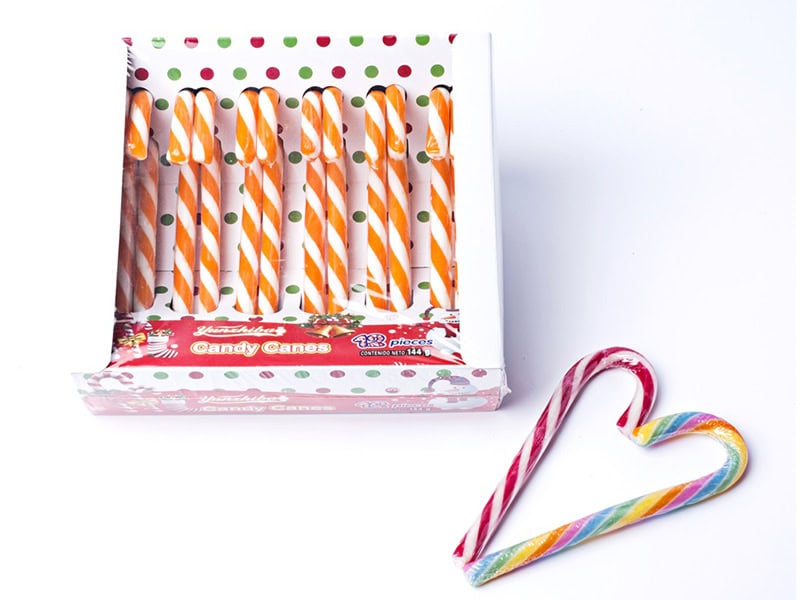
- North America: Chocolate, popping gummy candies, hard candies, lollipops, and regular gummy candies. Clients often order them with holiday packaging, mashmellows, jolly beans, and more.
- Europe: Marzipan figurines (Germany, Spain), chocolate mendiants (France), and foil-wrapped szaloncukor (Hungary, Slovakia) are traditional favorites.
Promotional Periods
- Halloween: Promotions begin mid-September; peak buying occurs in October.
- Christmas: Retailers stock shelves by early November; promotional campaigns launch mid-November.
- Easter: Displays go up by mid-March, with peak sales in early April.
Packaging Considerations
- Visual Appeal: Rich colors (gold, red, green) and seasonal motifs boost impulse buys.
- Eco-Friendly Materials: Kraft paper, biodegradable films, and recyclable tins are increasingly preferred.
- Gift-Ready Formats: Pillow boxes, wooden crates, and ribboned tins enhance perceived value.
- Freshness: Airtight packaging is essential for fudge and soft candies to prevent drying or spoilage.
These markets reward early placement and punish late arrivals with brutal markdowns.
2. GCC Region
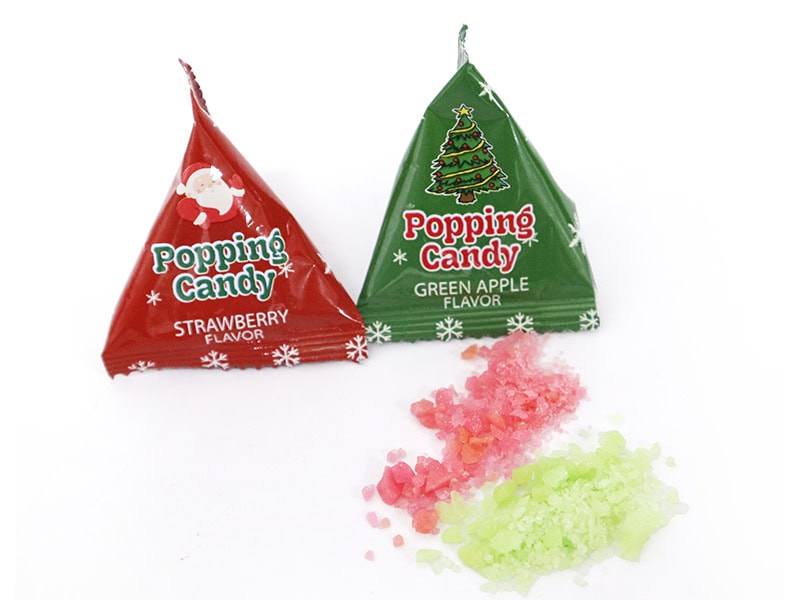
- Gift Boxes: Ramadan and Eid drive demand for premium assortments. Chocolate and lollipops with popping gummy, hard, and regular gummy candies come with luxury packaging, gold embossing, and velvet-lined trays.
- Halal Certification: Mandatory for all food products. Certification must cover ingredients, production, storage, and transport. Recognized bodies include ESMA (UAE), SFDA (Saudi Arabia), and GAC.
- Arabic Labeling: Required for all consumer goods. Labels must include product name, description, ingredients, nutritional info, manufacturer details, expiry date, and storage instructions.
Compliance Timeline
- Halal Certification: Takes 2 – 4 weeks, including audits and lab testing.
- Label Translation and Approval: Add 1 – 2 weeks for regulatory review.
Cultural Sensitivity
- Avoid alcohol-based flavorings or gelatin from non-halal sources.
- Ramadan packaging often features crescent moons, lanterns, and calligraphy.
- Eid gift boxes are popular for corporate gifting and family sharing.
In GCC markets, timing errors usually show up as certification delays, not production issues.
3. East Asia + Southeast Asia
Traditional sweets with local ingredients like coconut candy, sesame brittle (Vietnam), Dodol (Malaysia), tamarind, and mung bean candies (regional) cover the market.
- Lunar New Year: January 29, 2026 (Year of the Snake)
- National Day (Golden Week): October 1 – 7 (annually)
Impact on Supply Chain
- Factory Closures: Begin 1–2 weeks before Lunar New Year; production resumes mid-to-late February.
- Port Congestion: Shipping volumes spike in January; carriers often void sailings or roll cargo.
- Labor Shortages: Workers take extended leave, delaying production and customs clearance.
- Strategic Adjustments
- Advance Ordering: Place orders by October–November for Lunar New Year delivery.
- Air Freight Planning: Book early to avoid rate surges (30–50% increases reported in past years).
- Buffer Inventory: Stockpile critical SKUs before factory shutdowns.
In this region, factory shutdowns — not demand — are the real bottleneck.

Import Compliance and Certification
Compliance is a regulatory checkbox as well as a strategic imperative. Each market has its own set of rules that shape how candy is produced, packaged, and labeled.
1. EU, UK, and GCC Compliance Tips
Under Regulation (EU) No. 1169/2011, candy packaging must include:
- Product name and legal description.
- Ingredient list with allergens emphasized (bold font).
- Net quantity and nutrition declaration.
- Expiration date (“best before” or “use by”).
- Country of origin (if relevant).
- Name and address of EU-based importer.

2. UK Compliance
Post-Brexit, UK labeling requirements mirror EU rules but require –
- UK-based food business operator or importer details.
- Compliance with the UK-specific additives and preservatives list.
- Toy safety compliance for candy with embedded toys.
3. USA Compliance Requirements
FDA Factory Registration: All facilities for US consumption must register with the FDA under the Food Safety Modernization Act (FSMA). This applies to both domestic and foreign facilities.
4. Halal and Kosher Certification
1. Halal Certification: Essential for GCC markets and Muslim-majority regions, Halal certification verifies that candy –
- Is produced in facilities with Halal-compliant protocols.
- Contains no alcohol or non-Halal animal derivatives.
- Is free from cross-contamination with non-Halal items.
2. Kosher Certification: It ensures compliance with Jewish dietary laws, including –
- Approved ingredients (no gelatin from non-kosher animals).
- Supervised production (often requiring rabbinical oversight).
- Separation of meat and dairy (though less relevant for candy).
Private Label Considerations: From Concept to Production
Launching a private-label candy line, especially for holiday seasons, requires a structured process. Otherwise, it’s difficult to ensure brand consistency, regulatory compliance, and timely delivery.
1. Step 1: Product Selection
Choose from stock formulations (gummies, lollipops, fudge) or co-develop custom flavors and shapes.
2. Step 2: Packaging Design + Proofing
Submit brand assets for mockups. Manufacturers typically provide digital proofs and physical samples for approval.
3. Step 3: Regulatory Review
Ensure packaging meets FDA, EU, or GCC labeling standards, including nutrition facts, allergen declarations, and Halal/Kosher certification if applicable.
4. Step 4: MOQ Negotiation
Discuss the MOQ based on packaging type. The candy MOQ at MPS is one 20 ft container (3-5 SKU). And the MOQ for packaging can significantly vary based on the candy type.
5. Step 5: Production and QA
Full-scale manufacturing begins post-proof approval. Lead times range from 3 to 6 weeks, depending on complexity.
6. Step 6: Shipping and Fulfillment
Align with your holiday calendar using the Count-Back Method to ensure on-time in-store delivery.

Risk Calendar: Where Seasonal Candy Orders Most Often Collapse
Most seasonal candy failures are not caused by bad products, but by bad timing assumptions. Even the best buying calendars fail without an explicit risk buffer and fallback plan. Factory shutdowns, port congestion, seasonal disruptions – anything can derail procurement plans, delay deliveries, and shrink profit margins. That’s why a Risk Calendar paired with a Backup Plan is essential.
1. Factory Shutdowns During Lunar New Year (East Asia/SEA)
- Dates: January 29 – February 12, 2026 (Year of the Snake).
- Impact: Most Chinese factories shut down for 2 – 4 weeks, starting as early as mid-January.
- Post-Holiday Lag: Labor shortages and slow ramp-up can delay production until late February or early March.
- Ripple Effect: Disruptions extend to Vietnam, Malaysia, and South Korea, affecting regional suppliers and logistics.
2. Port Congestion During Black Friday and Christmas (USA/EU)
- Black Friday: November 28, 2026.
- Christmas: December 25, 2026.
- Impact: 30% – 50% increase in delivery volumes to overload ports, warehouses, and last-mile networks.
- Port Bottlenecks: In 2021, 35% of containers at Long Beach exceeded dwell time limits, with ships waiting 5 – 7 days offshore.
- Route Diversions: Blockages like the Suez Canal incident in 2024 forced ships to reroute around Africa, adding 10 – 14 days to transit times.
3. Route Diversions and Weather Disruptions
- Winter Storms (EU/NA): November–January can delay Christmas and Lunar New Year shipments.
- Hurricane Season (USA): August–October overlaps with Halloween shipping.
- Geopolitical Risks: Red Sea tensions, labor strikes, and customs slowdowns can trigger rerouting
Strategies for Managing Risks: Building Resilience Into Your Calendar
1. Dual-Mode Freight: Sea + Air
- Sea Freight: Cost-effective for bulk shipments with long lead times (it’s the one we use).
- Air Freight: For high-margin SKUs, replenishment, or urgent deliveries (not available at MPS).
- Hybrid: Choose sea for base inventory and air for top-up orders (only a few can afford).

2. Split Orders Into Two Batches
- Batch 1: Early production and shipment to cover base demand.
- Batch 2: Later shipment to replenish stock or meet promotional surges.
It reduces the risk of total stockout. You’ll have flexibility in adjusting to real-time demand. Such measures also enable staggered cash flow and inventory management.
3. Pre-Locking Warehouses and Backup Layouts
- Warehouse Pre-Booking: Secure space in strategic regions (UAE, Rotterdam) 3 – 4 months in advance.
- Backup Layouts: Prepare alternate distribution plans in case of port diversions or last-mile bottlenecks.
- Cold Chain Readiness: For temperature-sensitive candies, ensure reefer capacity and backup carriers.
Frequently Asked Questions (FAQs)
1. What happens if I place my seasonal candy order too late?
Late orders usually mean higher freight costs, limited SKU availability, rushed compliance checks, or missing the in-store week entirely.
2. How long in advance should I order holiday candy for different shipping routes?
Timing depends on shipping method and destination. Use the Count-Back Method. Start from the target in-store week and work backward through production, packaging, shipping, and customs clearance to determine your order date.
3. What key documents are required for importing candy into the USA?
To import candy into the US, you’ll need to comply with FDA and CBP regulations. Key documents include –
- FDA Facility Registration: Required for all foreign manufacturers under FSMA.
- Prior Notice to FDA: Must be submitted before shipment arrival.
- Commercial Invoice: Detailing product description, quantity, and value.
- Packing List: Itemized breakdown of contents.
- Bill of Lading/Air Waybill: Proof of shipment and routing.
- Certificate of Origin: For tariff classification and trade agreements.
- Label Compliance: Must include nutrition facts, allergen declarations, and ingredient list in English.
4. How should I plan for Ramadan’s shifting dates?
Ramadan follows the lunar calendar and shifts ~10 – 11 days earlier each year. For 2026, it begins around February 20. Planning tips –
- Start Early: Begin procurement planning by October–November 2024.
- Halal Certification: Initiate certification at least 6–8 weeks before production.
- Shipping Strategy: Use ocean freight for bulk orders by early December.
- In-Store Timing: Aim for arrival by early February for pre-Ramadan promotions.
5. How can I ensure my Halal/Kosher certification is valid after repackaging?
Repackaging can affect certification status if not appropriately managed.
1. Halal Certification
- Repack in Certified Facilities: The repackaging site must also be Halal-certified.
- Maintain Ingredient Integrity: No cross-contamination with non-Halal items.
- Update Certification Scope: Notify certifying body of repackaged SKUs and request updated documentation.
- Label Accuracy: Ensure Halal logo and certifier details are correctly displayed.
2. Kosher Certification
- Supervised Repackaging: May require rabbinical oversight or approval.
- Kosher Symbol: Must match the certifying agency and product category.
- Private Label Protocols: Use a Kosher Private Label Agreement to extend certification to new packaging formats.
Conclusion
The 2026 holiday season approaches faster than most buyers expect. That’s why candy procurement requires strategic foresight, regulatory precision, and logistical agility from the start.
For B2B buyers, distributors, and private-label brands, the stakes are high and the timelines are tight. And this guide should equip you with the tools to navigate it all thoroughly.
Contact MPS Candy to plan your holiday candies in advance
If you are planning seasonal candy programs for 2026, the safest time to act is before everyone else does.
Start planning with MPS Candy now to lock production windows, compliance, and shipping capacity early.
MPS maintains high-quality output with strict regulatory compliance and very tight timelines.
Our experience can fill your shelves with the most captivating products for different markets and holidays.