Sugar-free candy is often significantly more expensive than regular candy — sometimes costing 2–3 times more for the same size.
This price difference isn’t just branding or marketing. It comes from the higher cost of sugar alternatives, more complex manufacturing processes, and stricter quality control requirements.
Here’s exactly why sugar-free candy costs more, what you’re really paying for, and whether the price is justified.
Many consumers are surprised when they see sugar-free candy priced noticeably higher than regular candy. As more people reduce sugar for weight management, diabetes control, or general health reasons, demand for sugar-free options has grown — and so has the price gap.
The global sugar-free confectionery market was valued at approximately USD 2.45 billion in 2024 and is projected to grow at a compound annual growth rate (CAGR) of 4.2% from 2025 to 2030, reaching an estimated USD 3.16 billion by 2030.
In this article, we break down the real reasons behind the higher cost of sugar-free candy, explain how sugar-free confections are made, examine potential health effects, and help you understand what to look for on labels — so you can decide whether the price is worth it.
Why Sugar Substitutes Cost More Than Sugar?
Sugar substitutes are significantly more expensive than traditional sugar — in some cases costing 5–20 times more at the raw material level.
Ingredients Cost
Premium sugar alternatives such as erythritol, xylitol, stevia, and allulose require complex production processes and limited supply chains.For example, allulose — a rare sugar — can cost up to four times more than standard table sugar due to low yields and specialized processing.
Production Complexity
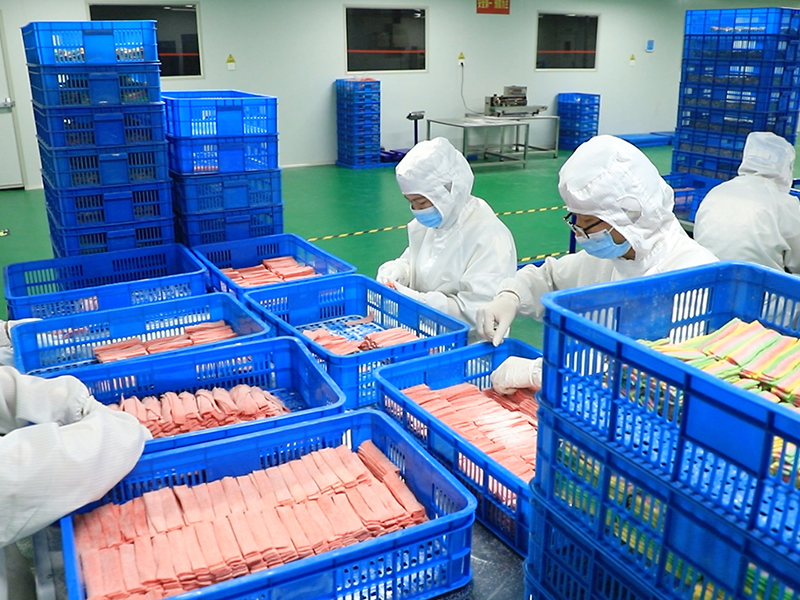
Creating sugar-free candies needs particular production tools and methods that must duplicate sugar-based treats’ texture and taste. Sugar-free sweet production demands accurate formula changes and advanced equipment that pushes operation costs higher. Specialized production lines for sugar-free candies require big financial investments, so their retail prices stay high.
From a manufacturing perspective, sugar-free candy requires precise formulation adjustments and specialized equipment to replicate the texture, sweetness, and stability that sugar naturally provides.
Smaller Market Demand
Although demand for sugar-free candy is growing, it still represents a niche segment compared to traditional confectionery. Smaller production volumes mean higher per-unit costs, especially when specialized ingredients and dedicated production lines are required. Despite market expansion to USD 2.3 billion in 2023, followed by USD 3.8 billion by 2033, this industry sector shows small numbers compared to regular candy production.
Regulatory Requirements
Manufacturing sugarless candy demands strict market rules and thorough product tests to ensure the product meets all labeling and safety standards. Companies need to perform thorough testing and document findings to follow these rules, which increases their production spending.
Compliance with labeling, safety testing, and international regulations adds additional time and cost — all of which are reflected in the final retail price.
The higher cost of zero sugar candy results from using expensive ingredients and running a complicated manufacturing line while meeting low market needs and following strict rules. Various elements push up the price of sugar-free sweet products. Sugar substitutes can cost 5–20 times more than traditional sugar at the raw material level.
In short, sugar-free candy costs more because manufacturers face higher ingredient costs, greater technical challenges, smaller production runs, and stricter regulatory requirements.
Why Sugar-Free Candy Is Harder to Manufacture?
Sugar-free candies are made without the use of sugar to attract people who want to moderate their sugar intake. With such products, it is wise to know how these candies are made and the impact they have.
The main ingredients of sugar-free candies consist of sweeteners, fillers, flavorings, and stabilizers:
- Sugar substitutes – These lower the calories which sugary candies would provide, along with the damage done to blood sugar levels. A common substitute includes sugar alcohols like erythritol, xylitol, maltitol, and sorbitol, or high-intensity sweeteners such as stevia, sucralose, or monk fruit extract. For more details, you can check out this report on sugar substitutes.
- Additional Fillers – Polydextrose and maltodextrin are fillers used to replace sugar and achieve the same bulk and texture, which provides a mouthfeel akin to sugar-containing candies.
- Flavorings and Stabilizers – Emulsifier and flavoring ingredients are added to provide a good, stable product with a longer, realistic and as well providing good taste to the product. Ingredients like citric acid and lecithin are among the most common.
Unlike sugar, these substitutes do not behave predictably during heating, cooling, and molding, making consistency much harder to control during production.
Are They Really Sugar-Free?
The claimed sugar-free candies could have carbohydrate or sugar alcohol content that affects blood sugar rates. Sugar-free candy has a much higher production failure rate, which directly increases unit cost.
- Carbohydrates and Sugar Alcohols – Although sugar alcohols have fewer calories than sugar they raise blood sugar yet to a lesser amount than common sugars. The blood sugar impact of xylitol on human beings stands at 7 on the glycemic index scale. Vital signs differ for all people, so eating too many sugar-free candies may cause stomach problems.
- Label Examination – Check the food label meticulously to see how much total carbohydrate and each sweetener appears. The blood sugar impact of sugar-free products depends on the amounts you consume though even small amounts can affect your blood sugar levels. According to Mayo Clinic reports, sugar alcohols tend to boost blood sugar levels, especially when consumed by vulnerable populations.
Sugar-free sweets contain sweetener alternatives and additional ingredients to reproduce standard sweet treats’ flavor and texture. Regular consumption of sugar-free candies still needs control because they can affect blood sugar control even with minimal effects.
Is Sugar-Free Candy Really Sugar-Free?
Some People wonder, “Is sugar-free candy bad for you?” Sugar-free sweet also comes with its advantages and disadvantages. It is marketed as a healthier option when compared to traditional candies.
1. Pros
- Suitable for Individuals Monitoring Sugar Intake – If you are a diabetic or simply someone trying to cut down sugar intake, sugar-free candies can be a great treat without putting your blood glucose level at risk. These products generally have a lower glycemic sugar substitute and are better for sugar level management.
- Potential Oral Health Benefits – Unlike regular candies that can give and contribute to tooth decay, sugarless candy, especially ones that contain xylitol, may lessen the chances of cavities. This is due to the fact that xylitol limits the growth of oral bacteria, which is helpful for dental health.
2. Cons
- Digestive Issues – Several sugar-free candies include sugar alcohols like mannitol and sorbitol which may cause problems in the stomach area. Overeating can create bloating, gas, and diarrhea due to these substances not being fully absorbed in the digestive tract.
- Artificial Ingredients Concerns – Some studies have explored potential health concerns related to certain sugar substitutes. However, current scientific evidence remains mixed, and most regulatory authorities consider approved sweeteners safe when consumed within recommended limits.
- Allergic Reactions – Some people develop allergic reactions when they eat substances used as sweeteners in artificial products. People suffer digestive discomfort when they have symptoms of stomach swelling and stomach problems alongside itching sensations. Businesses must put their dietary label information on all items.
3. Impact on Blood Sugar Levels
You should enjoy sugar-free candy in small amounts because these products cause almost no changes to blood glucose. The consumption of sugar alcohol in excess may impact blood sugar levels slightly while also producing negative effects. Aware eating habits must remain the norm for people living with diabetes. Individual responses vary, making moderation essential — especially for people with diabetes or digestive sensitivity.
Reading Labels and Making Informed Choices
Understanding labels is essential when choosing sugar-free candy, as not all products affect the body the same way. To pick healthier options, you must read about the ingredients of zero sugar candy.
Use ingredient labels to detect sugar alcohols such as maltitol and erythritol because they affect digestion and blood sugar control. Check if the product uses aspartame or sucralose for sweetening and if it includes natural sweeteners stevia, or monk fruit.
1. Key Things to Look for on Labels
- Carbohydrate & Calorie Content – Food should match the specific pattern of your diet.
- Sugar Alcohols & Sweeteners – Some may cause sugar-free candy side effects like bloating.
- Added Fats – Oils and cocoa butter used in the product could raise its fat and calorie count.
- Serving Size – Examining real serving size is important instead of trusting single portion numbers.
If you wonder, “Is sugar-free candy really sugar-free?” but some products still contain carbs that impact your blood sugar numbers. Reading labels ensures informed decisions.
Tips for Enjoying Sugar-Free Candy
You can decrease sugar-free sweet drawbacks by using it responsibly. The body reacts poorly to excessive sugar alcohol consumption in products that use sorbitol and maltitol, with digestive discomfort and bloating.
Have sugar-free candies as special snacks alongside nutritious meals. Select products that use stevia or monk fruit as sweeteners for a smarter nutrition choice.
If you’re wondering, “Is sugar-free candy better for you?” Read labels to see how much sugar your body processes and reduce your intake of blood sugar-raising products.
Slowly taking your time with your treat allows you to enjoy it more and lose the urge to eat more than necessary.
Sugar-Free Candy Trends and Market Demand
Sugar-free confection treats are now getting more popular because people follow keto diets and need diabetes management. People following special diets and managing health conditions choose sweets made with plant-based sweeteners that match their needs.
People increasingly choose natural sugar alternatives in candy because they prefer clean-label food products across the confectionery sector.
How MPS Can Help your Sugar-Free Candy Needs
Sugar-free candy costs more due to higher ingredient prices, complex manufacturing processes, and stricter regulatory requirements. While it can be a suitable option for people managing sugar intake, moderation and label awareness are essential. Understanding these factors helps both consumers and businesses make informed decisions.
For brands and distributors, working with experienced manufacturers can help balance formulation challenges, regulatory compliance, and cost efficiency when developing sugar-free candy products.
Looking for High-Quality Sugar-Free Candy? Explore Your Options Today!
At MPS Candy, we provide a variety of delicious sugar-free candies, including hard candies and gummies, made with premium ingredients. Whether you’re cutting down on sugar or need diabetic-friendly treats, we have the perfect option for you. Contact now!
Interested in Sourcing Sugar-Free Candy for Your Business? Contact Us for Samples and Pricing!
Retailers and distributors can benefit from our wholesale and private-label services. With custom flavors, packaging, and bulk order options, MPS Candy is your trusted partner in the sugar-free confectionery industry. Get in touch today!