Halal candy sounds simple: “no pork, no alcohol, done.”
In real life, candy is a tiny chemistry party—flavors, colors, glazing agents, emulsifiers, and (for gummies) the famous troublemaker: gelatin. That’s why so many shoppers (and importers) end up asking the same question: “Is this candy actually halal… or just halal-ish?”
People keep searching the same questions every year:
- Is this candy halal?
- What ingredients should I check first?
- Is gelatin always haram?
- Do I need a halal certificate to import or sell it?
This article gives you a clear, practical answer—written for real humans (and the real buyers who need to approve products fast). You’ll learn how halal candy is determined, which ingredients matter most, what certification actually proves, and how to avoid the most common “surprise, it’s not halal” problems.

What “halal candy” really means
In candy, “halal” usually comes down to three things working together:
- Ingredients are halal-compliant (no porcine-derived ingredients, no prohibited alcohol usage, and acceptable sources for animal-derived components).
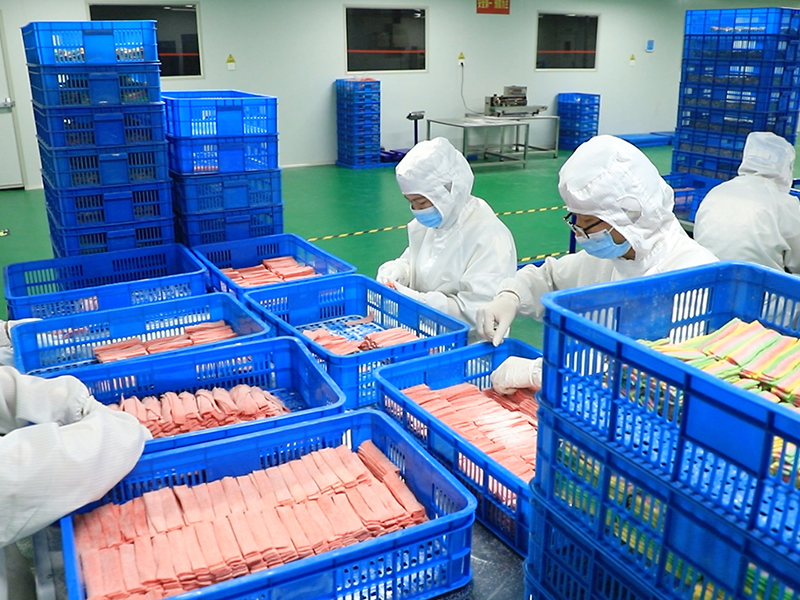
- Processing controls prevent cross-contact with non-halal materials.
- Certification & documentation prove it—especially important for distribution, retail chains, and export.
If you’re a consumer, you mostly care about (1) and (3).
If you’re an importer/distributor/brand, you care about all three because your customers—and sometimes your channel partners—will ask for evidence.
The ingredients that most often decide whether candy is halal
Candy labels can be long, but only a few ingredients tend to cause 80% of halal compliance headaches.
1. Gelatin
Gelatin is common in gummy and marshmallow. The tricky part is source: gelatin in the market is commonly derived from pig skin or cattle hides/bones, and origin determines acceptability for halal requirements.
A high-level rule buyers use:
- Pork gelatin = not halal
- Bovine gelatin can be halal if sourced and processed under halal requirements (including slaughter standards and certification)
- Fish gelatin is often considered permissible, but verification still matters for certification and handling
- Plant alternatives (like pectin or agar) can avoid animal-origin issues entirely—common for halal-friendly gummy formulations
If you’re sourcing halal gummies at scale, you don’t “guess” gelatin. You verify it.
2. Flavors and extracts
Many flavors are halal-friendly—but some extracts and carriers may involve alcohol. Whether that’s acceptable can vary by certifier and destination market. If you see vague terms like “natural flavors,” that’s not automatically a red flag—but it is a reason to request documentation.
3. Glazing and coating agents
Some candies use glazing agents for shine and anti-stick performance. These are usually fine, but source and processing can matter in strict halal programs—especially for mixed-format candies (gummies + coated pieces).
4. Emulsifiers and “E-numbers”
Emulsifiers show up in chewy candy, chocolate candy, and coatings. Many are plant-based; some are animal-derived. The smart move is simple: if your product targets halal markets, standardize approved emulsifier specs and keep supplier documents ready.
5. Cross-contact
Even if the recipe is perfect, production must avoid cross-contact with non-halal materials. That’s why many halal programs emphasize segregation—dedicated storage/tools and validated wash-down procedures.
How to tell if candy is halal
If you’ve ever stood in front of a candy shelf thinking, “This looks halal…but am I sure?”—you’re not alone. The problem is that candy labels are rarely written to answer halal questions directly.
Many ingredients are listed in broad categories (“flavors,” “emulsifiers”), and the most important details—like gelatin source, processing controls, or certificate scope—are often not visible on the front of the pack.
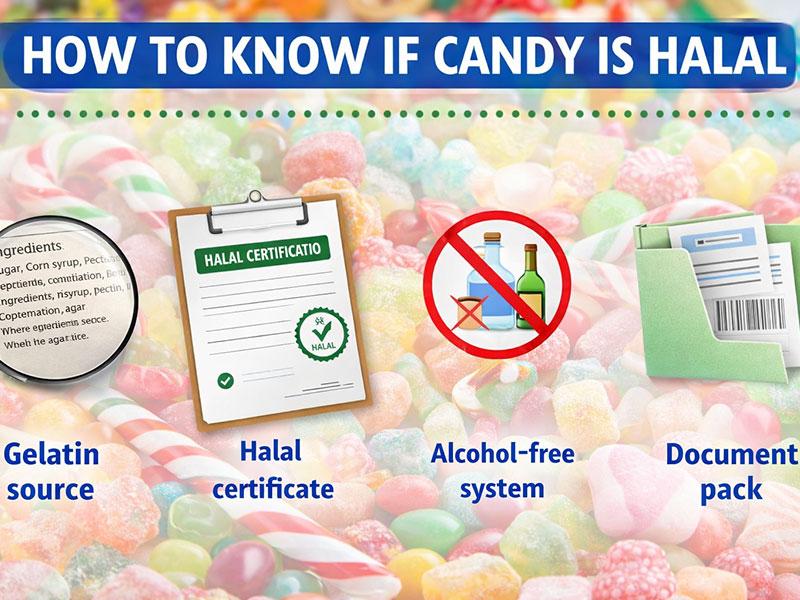
That’s why the fastest, most reliable way to check halal candy isn’t to overanalyze every ingredient one by one. Instead, you want a simple decision system that works for both:
| What to check | What “good” looks like | What to do if it’s unclear |
|---|---|---|
| Gelatin source (gummies/marshmallows) | Halal bovine gelatin or plant gels (pectin/agar) | Request gelatin certificate + traceability |
| Alcohol in flavors | No alcohol carriers (or accepted by your certifier) | Ask for flavor spec sheets |
| Production controls | Segregated storage/tools + validated cleaning | Request QC overview / audit info |
| Documentation pack | Traceability + batch records available | Confirm what documents are included for export |
| Halal certification mark / certificate | A credible halal cert tied to the product and facility | Ask for the certificate + scope (products/plant/valid dates) |
This isn’t just for buyers. Consumers can use the same logic when choosing brands: certificate + gelatin source + documentation clarity.
Halal certification: what it actually proves
Halal certification is basically a third-party verification that ingredients, handling, and production meet halal requirements for a defined scope.
1. What it usually proves
- Ingredients meet halal requirements for the certified scope
- Handling/processing requirements are in place
- The certifier has audited the defined scope
- The certificate is valid during a time period
2. What it doesn’t automatically prove
- That every product from the same factory is halal
- That the certificate is accepted in every country and channel
- That a product without the mark is non-halal (it might simply be uncertified)
3. Two important points for real-world exporting
- Halal certification is not one universal “world passport.”
Acceptance can vary by country, retailer, and customer requirements. - Fake certificates exist.
IFANCA has publicly warned about fraudulent halal certificates being used in trade, which is exactly why buyers should verify certifier legitimacy and scope.
So the goal isn’t “collect logos.” The goal is reduce risk: religious compliance, customer trust, and fewer import surprises.
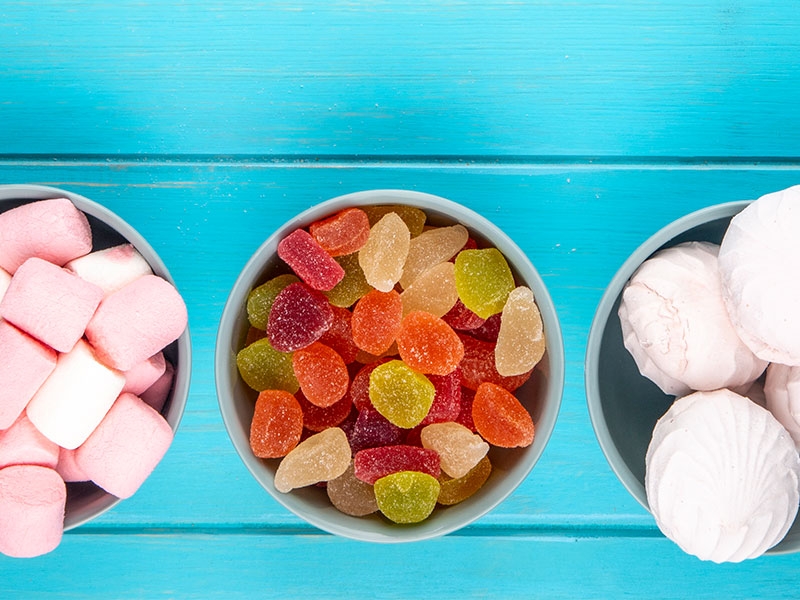
Why halal gummies get the most attention
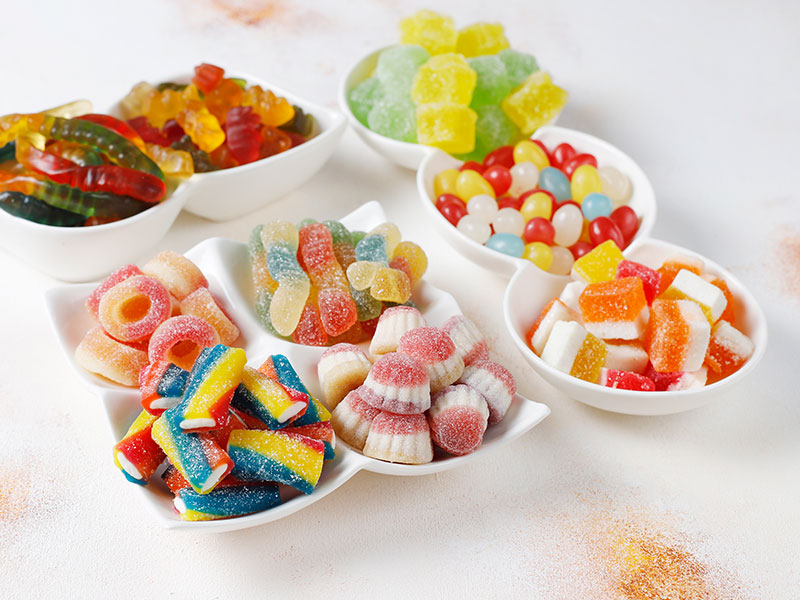
People rarely panic about halal lollipops. Most hard candies and many lollipops are built on a relatively simple base: sugar, syrup, acids, flavors, colors. Gummies are different. Their chew texture comes from a gelling system, and that gelling system is often where halal compliance is won or lost.
In many markets, consumers don’t ask “Is this candy halal?”—they ask “Is this gummy halal?” because they know gelatin is commonly used and the source isn’t always obvious from the label.
The real reason gummies are sensitive: texture depends on ingredient origin. Whether the product uses porcine gelatin, halal-certified bovine gelatin, fish gelatin, pectin, or agar changes not only halal status, but also chew, elasticity, and shelf stability.
A halal gummy program often focuses on:
- verified gelling system (halal bovine gelatin or pectin/agar options)
- stable chew texture and moisture control (important for shipping)
- consistent color/flavor across batches (important for private label)
- packaging that protects shelf life and prevents humidity issues
So if your market relies heavily on gummy sales, halal compliance isn’t a “checkbox”—it’s a product development strategy.
Which candy types are easiest to make halal?
Some categories are naturally simpler to align with halal requirements than others.
Often easier (fewer high-risk ingredients):
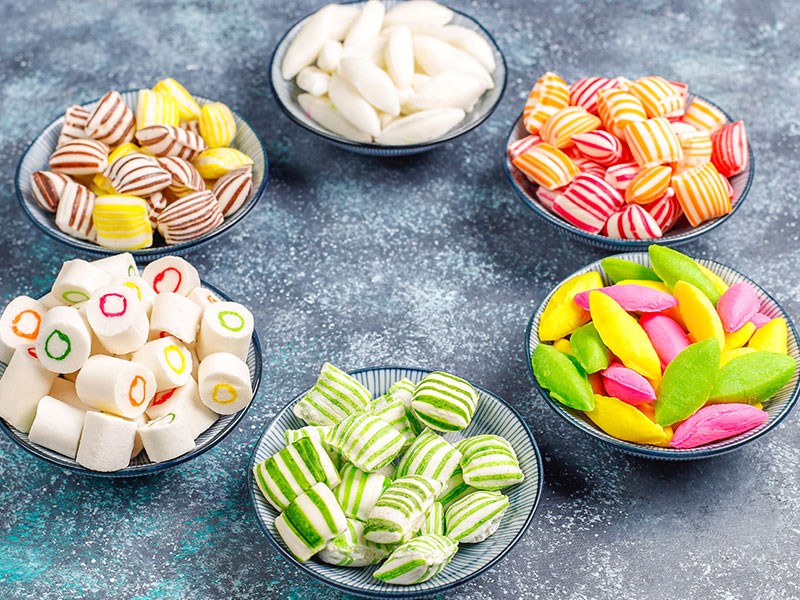
- Hard candy drops are usually the simplest starting point. Their core formula is typically sugar, glucose syrup, acids, flavors, and colors. Since there’s no gelatin structure, fewer ingredient origins raise questions. In many halal programs, hard candy becomes the “foundation SKU” because it’s straightforward to certify and stable in export logistics.
- Many lollipops fall into a similar category. They often share the same base as hard candy drops, and the main focus is usually flavor compliance and documentation. If the stick glue or coatings are used, buyers just need to confirm those materials are compliant as well.
- Some jelly beans can be relatively easy, but they require a quick check on finishing agents. Jelly beans often use glazing for shine and handling, and that’s where suppliers must verify the glaze source, any emulsifiers, and whether the color system aligns with halal requirements.
- Seasonal hard candy items (like candy canes) are also often easier for the same reason: simple sugar-based structures and long shelf stability. They’re popular for halal programs because they’re both “safe” from an ingredient perspective and commercially reliable for seasonal shipments.
Often needs closer verification:
- gummies (gelatin/pectin system)
- marshmallows (gelatin system)
- coated confections (glaze and additives)
- filled candies (flavor systems and stability)
This doesn’t mean gummies are “hard.” It means gummies require more ingredient clarity and stronger documentation—which is exactly what serious buyers want anyway.
What types of halal candy can be supplied in bulk?
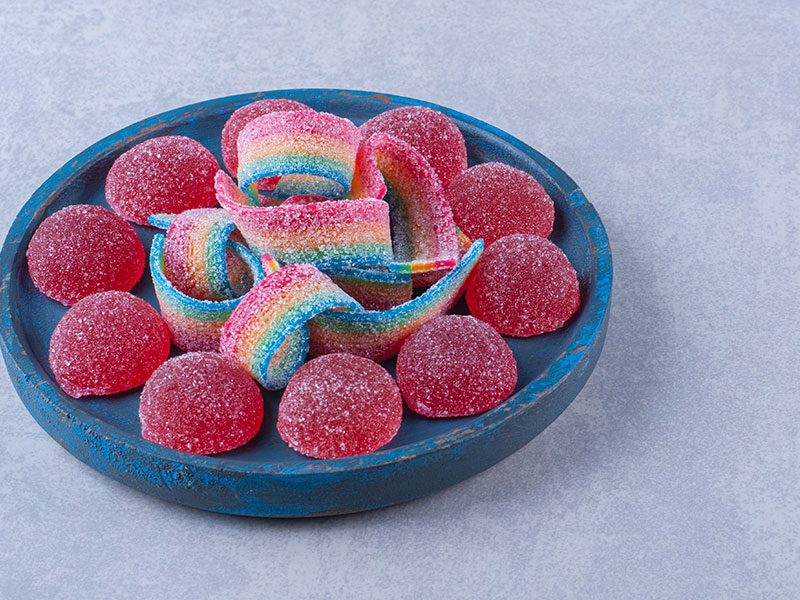
Halal candy programs can cover multiple categories, depending on your target market and certification requirements. MPS Candy halal-ready options include: candy canes, 4D fruit gummies, jelly beans, classic gummy candies, lollipops, peelable gummies, marshmallows, and amber candy.
For gummy and marshmallow formats, halal compliance typically relies on halal bovine gelatin or plant-based gelling systems (pectin/agar), with strict control to avoid alcohol-based carriers and porcine-derived ingredients. For importers and distributors, it’s also important to confirm segregation procedures and traceability documents for smoother approvals and export processing.
The “avoid awkward surprises” buyer checklist
If you’ve ever had a halal deal stall after sampling, it’s usually because someone asked one of these questions too late.
Before you confirm a bulk order, it helps to clarify:
- What gelling system is used (especially gummies/marshmallows)?
- Does the halal certificate scope match the SKU and facility?
- Are flavors alcohol-free or compliant for your market’s standard?
- Are there clear ingredient and allergen documents ready for your channel?
- Is there a defined segregation and cleaning approach?
- Are traceability documents available for export and retailer audits?
The goal isn’t paperwork for fun. The goal is faster approvals, fewer reformulations, and fewer “we can’t list this product” conversations.
Why halal matters to B2B buyers?
For importers, distributors, and retail chains, halal is not only a religious requirement—it’s also a commercial filter:
- Channel access: many GCC and SEA buyers require halal certification as a baseline
- Retail trust: halal certification reduces customer objections and returns
- Procurement efficiency: buyers can standardize supplier approval faster with verified documentation
- SKU flexibility: halal-compliant formulations often also align with “cleaner label” expectations in some markets
In other words: halal is both compliance and market strategy.
A practical “buyer checklist” before you place bulk orders
This is the part that saves weeks of back-and-forth.
Before confirming bulk halal candy, buyers typically ask for:
- ingredient list + allergen statement
- halal certificate (product + facility scope, validity dates)
- gelatin/pectin/agar documentation for gummies and marshmallows
- production segregation approach (cleaning validation / tool segregation)
- export document pack availability + traceability statement
MPS also states they support container-scale supply and export readiness (MOQ 1×20′) for halal programs.
FAQ
1. What makes candy halal?
Halal candy follows Islamic dietary rules by avoiding prohibited ingredients and ensuring compliant handling/processing, often verified through halal certification.
2. Is gelatin always non-halal?
No. Gelatin can be halal depending on its source and certification—porcine gelatin is not halal, while bovine gelatin can be halal when sourced and processed according to halal requirements, and plant gels like pectin/agar are commonly used alternatives.
3. How can I quickly check if a candy is halal?
Look for a credible halal certification mark or request the certificate, verify high-risk ingredients (especially gelatin), and confirm the producer uses segregation/cleaning controls for cross-contact prevention.
4. What halal candy products does MPS Candy offer?
MPS Candy can provide candy cane, 4D gummy, jelly bean, gummy candy, lollipop, peeled gummy, marshmallow, and amber candy.
5. Can halal candy be private label / OEM?
Yes—MPS as a China halal candy manufacturer providing OEM/private label options including custom flavors, shapes, and retail formats.

Conclusion
Halal candy doesn’t need to be complicated—but it does need to be verified.
Halal isn’t just an ingredient list; it’s ingredient + process + proof. Once those three are aligned, halal candy becomes one of the cleanest “yes/no” procurement categories—great for buyers, great for retailers, and great for consumers who just want to enjoy a sweet without second-guessing every label.
We are MPS Candy, a China-based candy manufacturer specializing in OEM and ODM candy production for global brands, importers, distributors, wholesalers, and retail channels.