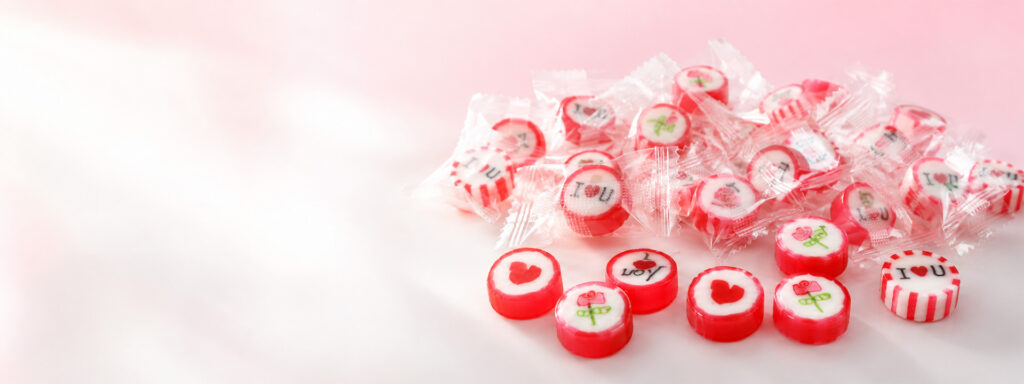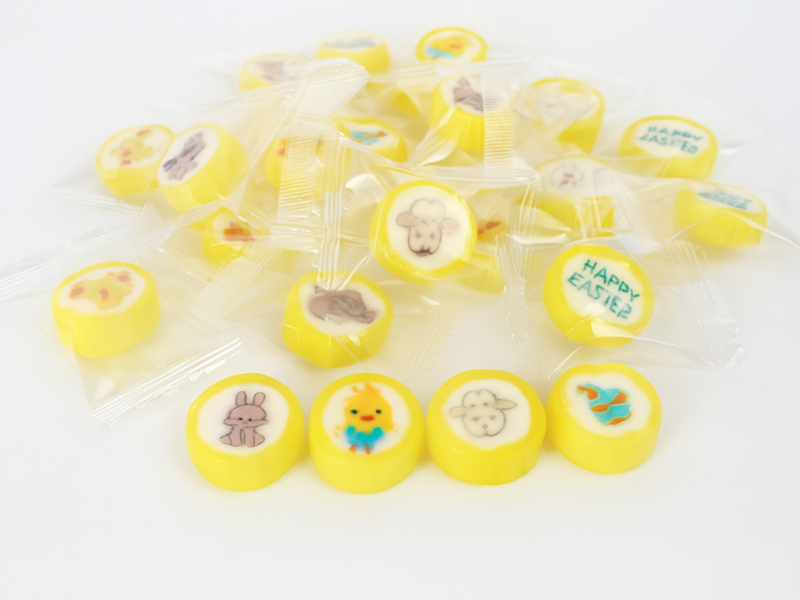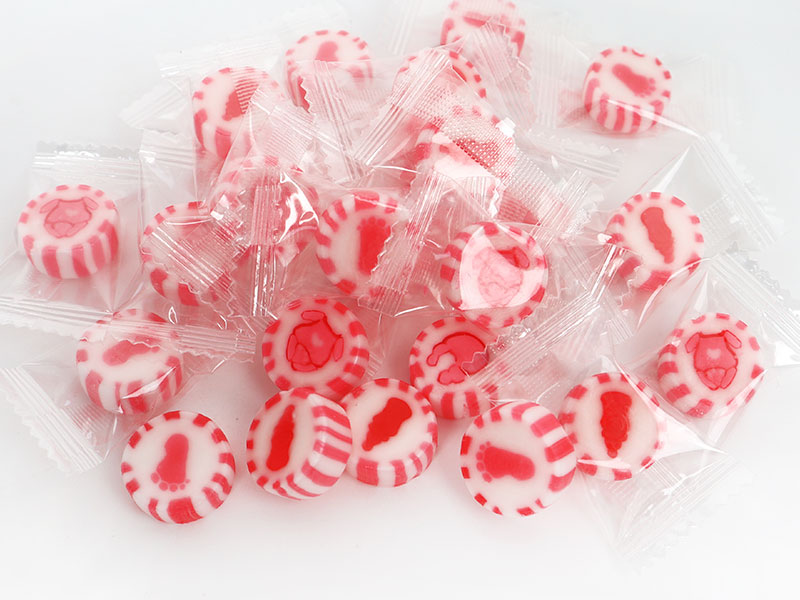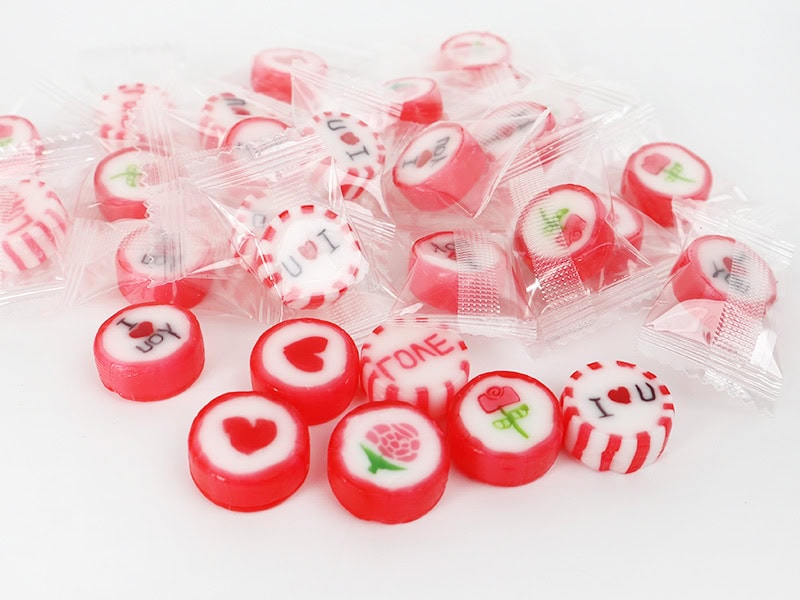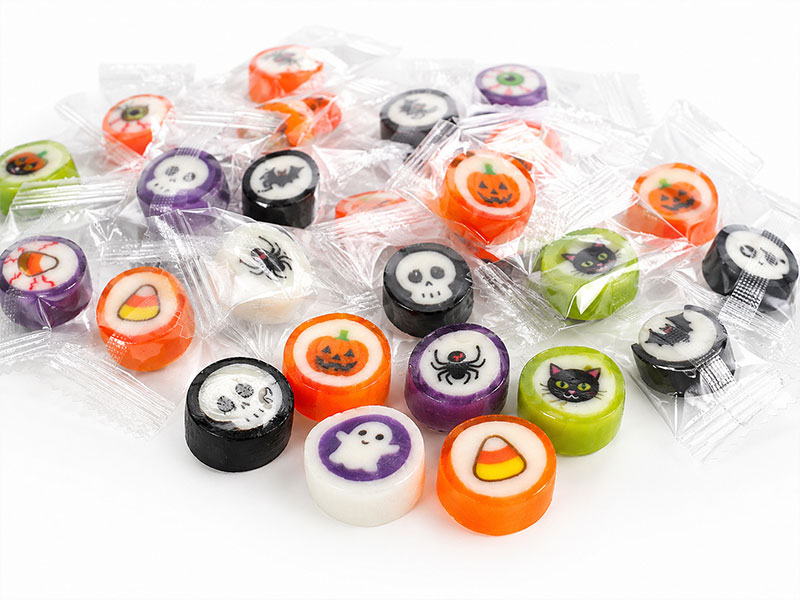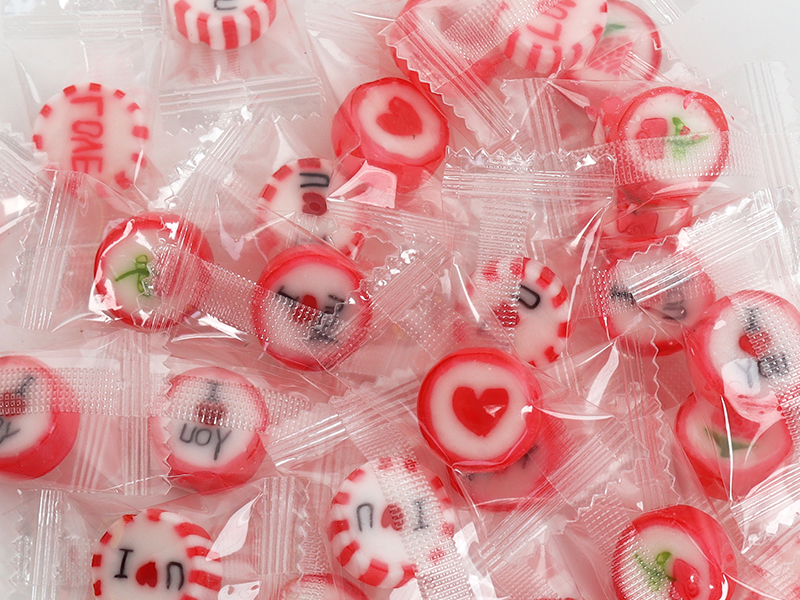
Some candies win with flavor. Some win with nostalgia. Cut rock candy wins with a third superpower: it makes people do a double-take.
You see a small, glossy hard candy slice in a jar…and inside it there’s a clean little picture—maybe a lemon, a heart, a letter, a star, a holiday icon. The reaction is almost automatic:
“How is the picture inside the candy?”
That moment of curiosity is exactly what makes this product so strong in retail, gifting, promotions, and private label programs.
You’ll learn what cut rock candy is, how the internal image works, how it’s made (high level), what buyers can customize, and what bulk buyers should check so a “great-looking sample” doesn’t turn into a headache after shipping.

What Is Cut Rock Candy?
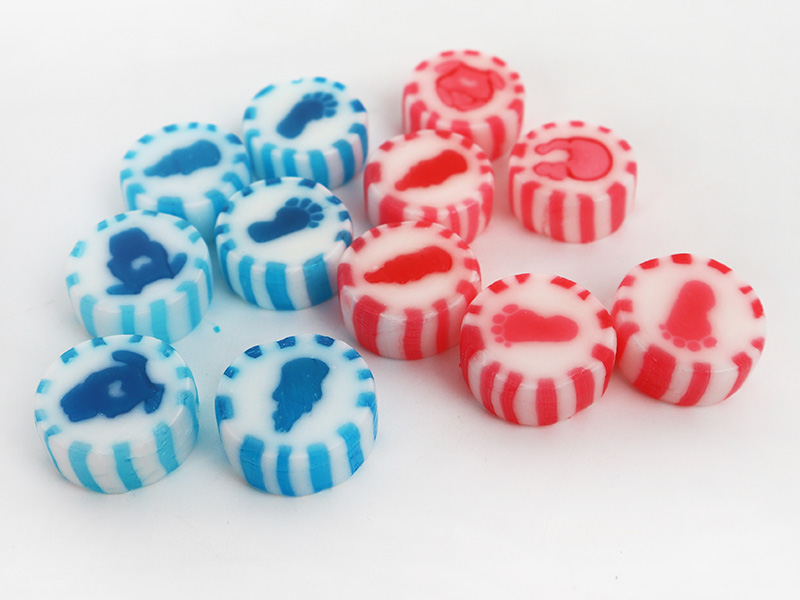
Cut rock candy is a kind of hard candy that has a picture or pattern built into the middle of the candy log. After the candy is made, the log is sliced into small pieces, and each piece shows the same design on the front.
In other words, the image is not printed on the surface. It is not injected after shaping, and it is not attached like a sticker. The design is part of the candy’s internal structure from the beginning.
This is also why design clarity and production consistency matter so much in cut rock candy manufacturing. If the internal structure is not formed correctly, the picture may look distorted after cutting. For buyers, the design itself is not just decoration—it is the core value of the product.
That is the basic idea.
It is often called picture hard candy, image candy, or hard candy with picture inside. When the design is customized for a brand, people may also call it logo candy.
What makes this candy special is that the design is part of the candy itself, not something printed on the wrapper. Because the image is visible right away, the product is easy to understand, easy to photograph, and easy to display. That is why it works especially well for clear packaging, gift programs, and promotional candy projects.

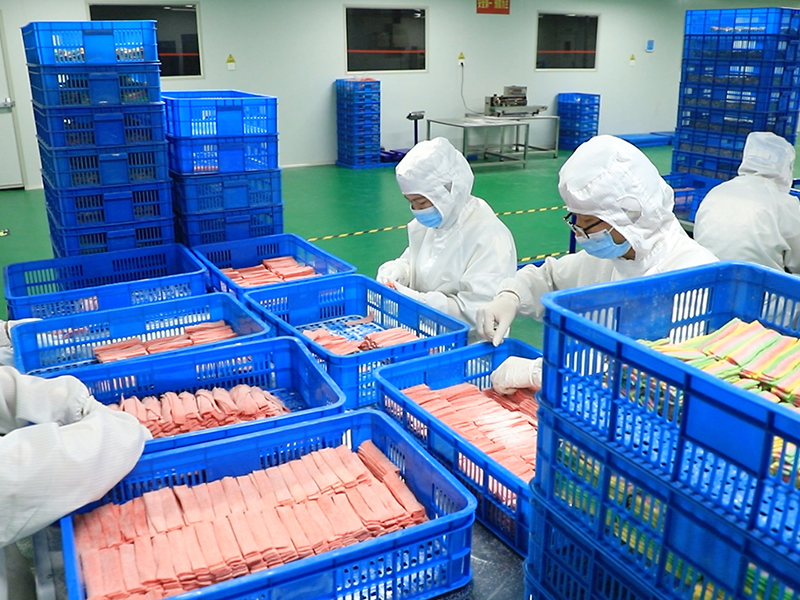
How cut rock candy is made
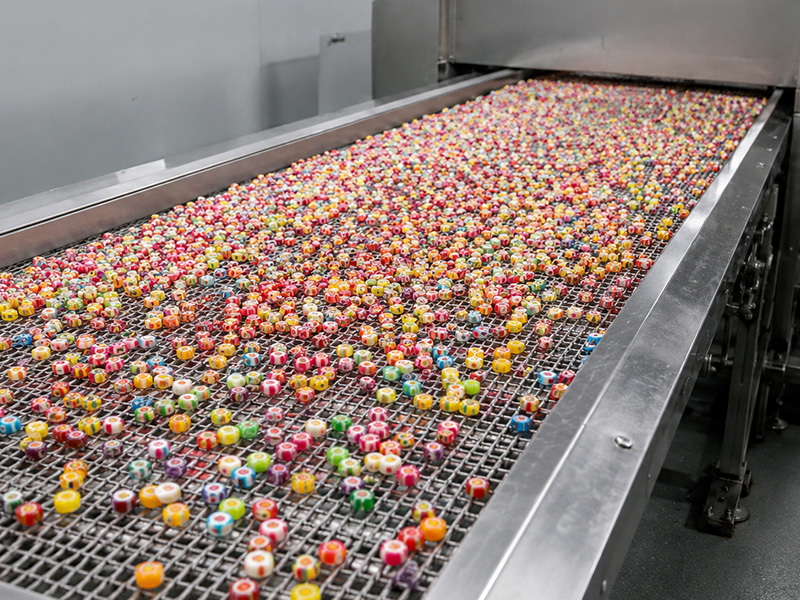
People often assume this candy is hand-painted. It’s not. The method is more like building a design from colored candy “blocks,” then scaling it down.
Here’s what’s happening in a high-level:
1. The candy base is cooked
A sugar-based hard candy mass is cooked to reach the correct hard-candy stage. This creates the glassy texture and shelf stability buyers expect from hard candy.
2. Color/flavor portions are prepared
To build a picture, you need separate portions of candy mass in different colors (and sometimes different flavors). Think of these as the “pixels” or “parts” of the image.
3. The internal image is assembled at a larger size
This is the surprising part: the picture starts big, because it’s easier to assemble and align before it’s reduced to the final candy size.
4. The image bundle is wrapped and formed into a log
Once the picture is assembled, it’s wrapped with additional candy mass around the outside to hold the structure together and create the final log.
5. The log is stretched to final diameter
The log is carefully pulled to the required diameter. As the candy is stretched, the internal image scales down proportionally—like shrinking a poster without changing the proportions.
6. Cooling, stabilization, slicing
After cooling and stabilization, the log is sliced into uniform pieces. Because the image runs through the log, every slice reveals the same design.
That’s the whole story: assemble → wrap → pull → slice.
And the quality comes from how well those steps are controlled.

Why Cut Rock Candy Keeps Selling
Cut rock candy is not just a candy product. It is a visually self-explanatory retail item. That matters because in many sales environments, buyers do not have much time to educate consumers. Products that can communicate their value immediately usually perform better.
1. It works especially well in clear packaging
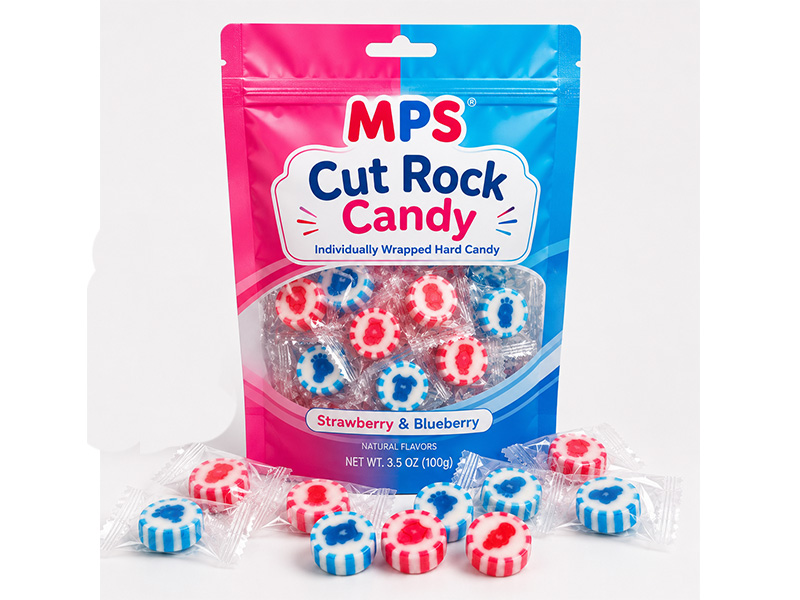
This is one of the biggest commercial advantages of cut rock candy. When packed in a transparent jar, the product itself becomes the display. In a stand-up pouch with a window, the candy becomes the hero image.
That reduces the need for heavy graphic explanation, because the design inside the candy is already doing the selling.
2. It supports impulse purchases
Cut rock candy combines two things that work very well at retail: novelty and instant clarity. Shoppers can understand the concept within seconds—there is a picture inside the candy, and every piece shows it.
That quick recognition helps drive impulse buying, especially in gift shops, seasonal displays, checkout zones, and online mixed candy bundles.
3. It fits repeatable seasonal programs
Another reason buyers keep reordering cut rock candy is that it adapts easily to calendar-driven retail. Hard candy formats are relatively stable, easy to store, and suitable for seasonal design changes.
By changing the internal image to match Halloween, Christmas, Valentine’s Day, Easter, or other themes, brands can build repeatable sales cycles without changing the entire product concept.
4. It encourages repeat orders because the concept is easy to refresh
For buyers, one of the most useful features of cut rock candy is that the base product stays the same while the design can keep changing. That means importers, distributors, and private label brands can refresh the line with new themes, logos, letters, or seasonal graphics without rebuilding the whole category.
In commercial terms, that makes reordering easier and product planning more flexible.
Cut rock candy sells well because it combines visual clarity, giftability, impulse appeal, and seasonal adaptability. And buyers keep reordering it because it is not a one-time novelty—it is a format that can be refreshed and merchandised again and again.

What can be customized?
This is where cut rock candy becomes very B2B-friendly. You’re not just choosing a flavor—you’re building a program.
Here’s what buyers typically customize:
| Customization area | Common options | Why it matters commercially |
|---|---|---|
| Inside image | letters, icons, fruit shapes, simple logos | instant shelf differentiation |
| Color palette | single theme, multi-color theme, seasonal palette | makes the design pop |
| Flavor | fruit profiles, mixed assortments, mild sour | improves repeat purchase |
| Piece size | mini slices, standard slices, thicker slices | different price tiers |
| Assortment logic | single design SKU or mixed designs | better value perception |
| Packaging | individual wrap, pouch, jar, gift box, display carton | fits channel and logistics |
If you want to keep development fast, the winning formula is usually:
simple image + strong contrast + clear packaging.
Packaging That Helps Cut Rock Candy Sell
For cut rock candy, packaging does more than protect the product. It directly affects visibility, perceived value, channel fit, and sales performance. Because this is a design-driven candy, the packaging should help shoppers see the picture inside as quickly and clearly as possible.
1. Jars
Jars are one of the strongest options for channels where presentation matters. They work especially well for gift shops, tourist retail, premium shelves, and photo-driven e-commerce. A clear jar turns the candy into a ready-made display, making the product look more giftable and easier to merchandise without much explanation.
2. Stand-up pouches with windows
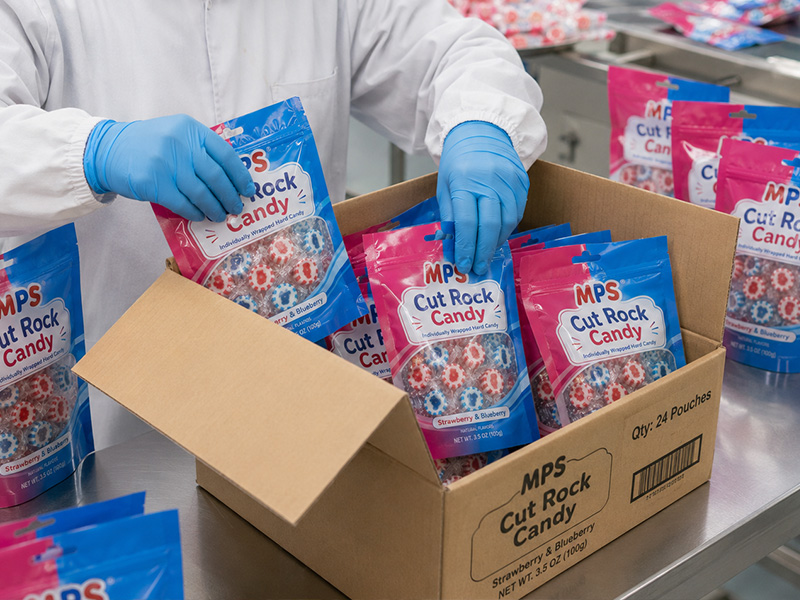
This is often the most practical choice for mainstream retail, supermarkets, and online sales. The pouch keeps the format flexible and retail-friendly, while the window allows the candy design to stay visible. For many buyers, this balance between cost, presentation, and shelf efficiency makes window pouches a strong commercial option.
3. Individually wrapped pieces
Individually wrapped cut rock candy is useful for sharing formats, mixed assortments, giveaways, and promotional programs. It can also support hygiene expectations and portion control, which is helpful in certain retail environments, seasonal events, and bulk distribution programs.
4. Display-ready cartons
For seasonal projects and retail chains, display-ready cartons offer a clear operational advantage. They allow stores to open the box and place it directly on shelf with minimal labor. This makes them especially suitable for promotional periods, checkout zones, and fast-moving novelty candy programs.
The most important principle is simple: the easier it is for shoppers to see the design, the easier it is for the product to sell. For buyers, that means packaging should be chosen not only for protection, but also for how well it supports product visibility and channel performance.

What bulk buyers should evaluate
This is the part that turns an “interesting candy” into a reliable SKU.
A sample can look perfect on day one. Bulk buyers need it to still look good after:
- shipping vibration
- warehouse handling
- humidity exposure
- shelf time
- opening/resealing (for pouches)
Here are the checks that actually matter:
| What to evaluate | Why it matters | What problems look like |
|---|---|---|
| Image clarity | the design is the selling point | blurry lines, distorted shapes |
| Color boundaries | quality perception | colors bleeding into each other |
| Slice consistency | pack fill and retail appearance | uneven thickness, weight variation |
| Chipping/breakage | export stability | cracked edges, powder in bag |
| Stickiness resistance | climate + shelf stability | sweating/tackiness under humidity |
| Flavor consistency | repeat orders | inconsistent taste across batches |
| Packaging integrity | protects product & design | weak seals, low barrier performance |
If you do only one extra check: ask how the candy performs in warm/humid storage conditions. Hard candy is stable—but humidity can still affect surface feel and appearance if packaging isn’t right.

Conclusion
Cut rock candy is one of the rare candy formats that explains itself in one glance: every piece reveals a built-in picture. That creates instant shelf impact, strong impulse buying behavior, and an easy path to seasonal and promotional programs—without the fragility of many trend candies.
For bulk buyers, the product’s success comes down to three things:
- design clarity that holds up at scale
- physical stability through shipping and humidity
- packaging that shows the design and protects it
If you’re planning a bulk order or a custom private label program (design + flavor + packaging), you can consult MPS Candy to confirm feasible image complexity, packaging formats, and MOQ structure for efficient production and export supply.
As a China-based confectionery manufacturer, MPS Candy supports OEM/private label programs for novelty hard candy formats including cut rock candy—working with importers, distributors, and retail brands on design feasibility, flavor options, packaging formats, and export supply planning.