

Kosher candy is candy made under kosher supervision using approved ingredients and controlled production, and it typically shows a trusted kosher certification symbol (hechsher) on the package. Always verify the symbol on the specific product you’re buying because certification can vary by flavor, country, or production run.
3-step checklist (fast):
- Look for a trusted kosher symbol (hechsher) on the package.
- Check status: Dairy / Pareve / Passover (symbols and labeling matter).
- For gummies/chewy candy, confirm gelatin source (or choose gelatin-free).

What Is Kosher Candy?
Kosher candy is candy made under Jewish dietary laws (kashrut) using approved ingredients and production controls, and it typically shows a trusted kosher certification symbol (hechsher) on the package. Always verify the symbol on the specific product you’re buying, because certification can vary by flavor, country, or production run.
Before we dive into kosher candy, let’s get a handle on what “kosher” is. It’s a Hebrew word that essentially means “fit” or “proper”, and it’s all about some food laws that Jewish people observe. Kosher refers to Jewish dietary laws (kashrut) that guide permitted ingredients and food preparation.
Kosher dietary regulations control everything from which animals are permissible to consume to cooking and food preparation equipment. For processed foods and candy, kosher certification guarantees that ingredients and processes meet these stringent dietary regulations.
Several organizations provide kosher certification, allowing consumers to be assured that a product meets these regulations.

What Makes Candy Kosher?
Candy is kosher when it uses kosher-approved ingredients (e.g., gelatin source matters), is produced on properly controlled equipment to avoid non-kosher contamination, and carries a trusted hechsher on the final retail packaging. Also check whether it’s labeled Dairy or Pareve, depending on your needs.
Watch for carmine/cochineal (E120) in red candies and coatings. The OU considers them non-kosher—so rely on a trusted hechsher on the package.
For candy to be kosher, several important factors must be taken into account:
1. Ingredients
The largest thing to keep in mind when thinking about whether or not a candy is kosher is ingredients. All ingredients must adhere to kosher food laws. Gelatin is a high-risk ingredient in gummies and marshmallows. Don’t rely on “kosher gelatin” wording alone—choose products with a trusted hechsher or gelatin-free options.
Additionally, all additives that are not kosher are completely out of the question.

2. Dairy and Meat Separation
So, according to kosher laws, you have to keep dairy and meat separate. That includes candy. You can’t have dairy candy when you’re having meat. To make it easier for people to keep these laws, companies label their foods as “dairy,” “meat,” or “pareve” (which means it’s neither dairy nor meat).
3. Manufacturing Process
Other than ingredients, even the process of making candies counts. Equipment and facilities employed should be absolutely free from any non-kosher contamination. If a firm manufactures both kosher and non-kosher products, segregation and sanitation processes should be implemented to prevent cross-contamination.

4. Kosher Certification
The easiest way to tell if a candy is kosher is to check the packaging for a kosher certification mark. These marks are from credible kosher certifying agencies and signal that the product has been tested out and marked as kosher under the guidelines.
Kosher Candy Certification Organizations
Some of the largest agencies inspect food items such as candies to kosherize them. Some of the largest kosher certification agencies include:
Orthodox Union (OU): With one of the most common recognizable certifications, the OU mark shows a tiny “U” nested within a circle “O.”
Star-K: The Star-K is easily identifiable by the star and “K” together.
Kof-K: Easy and simple to recognize, the Kof-K stamps denote strict kosher dietary observance.
Chicago Rabbinical Council (cRc): Found all over the Midwestern states, the cRc logo can be identified by a “C” in a circular frame.
Kosher Supervision of America (KSA): The KSA certification assures the product has passed the scrutiny of this extremely well-established agency.
These organizations work in conjunction with the manufacturers to ensure that the products are adhering to kosher standards strictly. If you notice one of these symbols on a candy packaging, you are certain that the product adheres to kosher food laws.

How to Choose Kosher Candy
Kosher candy considerations: Certification, ingredients and diet.
1. Check for Certification
Check for a trusted kosher certification on the food packaging.
2. Understand Ingredients
Certain confections, especially gummies and marshmallows, might contain non-kosher ingredients. gelatin unless they carry kosher certification.
3. Explore Specialty Brands
Brands make kosher-certified candy and other products offer a variety of choices.
4. Consider Dietary Needs
Kosher certification focuses on Jewish dietary requirements. Some kosher candies may also meet vegetarian or halal preferences, but those are separate standards and should be confirmed independently.
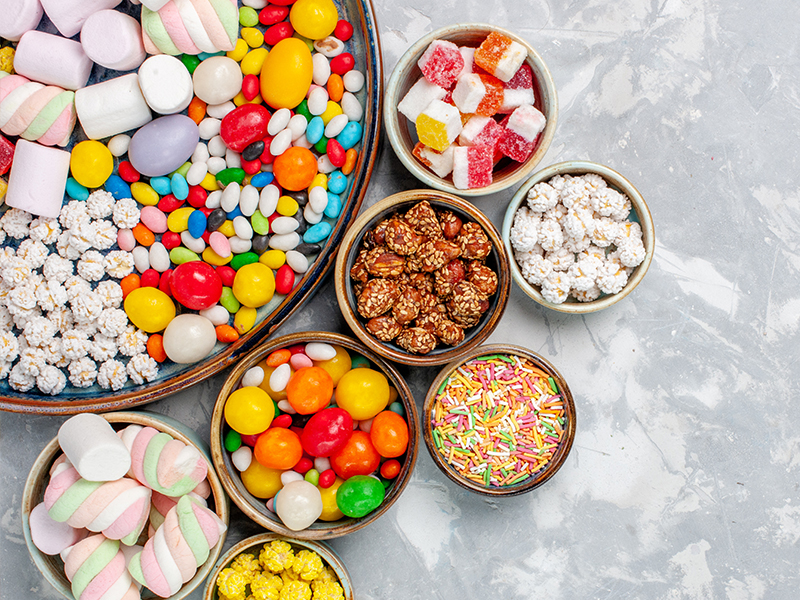
What to look for on candy labels
When people ask “what is kosher candy,” they usually mean one thing: can I trust this candy’s kosher status based on the package? The most reliable shortcut is a recognized kosher certification symbol (hechsher) printed on the packaging. If a product is certified, it has been reviewed under kosher supervision—this is especially important for processed foods, where even small additives or shared equipment can change kosher status.
Dairy vs. pareve matters:
- Pareve generally means the product contains no meat or dairy ingredients, which is useful if you’re avoiding dairy candy or serving mixed meals.
- However, “dairy-free” marketing claims and kosher “pareve” concepts aren’t always the same thing—always rely on the certification symbol and its label notes (e.g., dairy status) rather than assumptions.
Popular Uses for Kosher Candy
Kosher candy is not only for those who observe Jewish dietary laws. There are kosher candy list, many for all tastes, for example:
1. Gifting
For holidays like Hanukkah, Purim, and Rosh Hashanah, kosher candy can be an excellent gift.
2. Celebrations
Ideal for weddings, bar/bat mitzvahs, and family gatherings, kosher candy allows everyone to indulge worry-free.
3. Everyday Treats
And for kosher-conscious shoppers and fruit candy enthusiasts alike, there’s nothing better than a shortlist or list of certified candies for everyday snacking.
FAQ
1. What makes candy kosher?
Candy is kosher when it meets kosher dietary rules and is produced under reliable kosher supervision—especially for processed foods that may use shared equipment or additives.
2. How can I tell if candy is kosher?
Look for a trusted kosher certification symbol (hechsher) on the package, then confirm whether it’s dairy or pareve. For gummies and chewy candy, check for gelatin-free or verified gelatin sourcing.
3. What does “pareve” mean on candy?
Pareve generally indicates the product contains no meat or dairy ingredients, which helps when serving mixed meals. Always rely on the certification label notes for the most accurate status.
4. Are gummy candies always kosher?
Not always. Gummies are often risky because they may contain gelatin. Choose certified gummies and verify gelatin source or gelatin-free labeling.
5. Is chocolate automatically kosher?
No. Chocolate can include dairy ingredients, emulsifiers, flavorings, or be made on shared equipment. Certification and dairy/pareve status on the label are key.
6. What’s the difference between kosher and halal candy?
They are different standards. Some candy may be both, but you must verify each certification separately based on labeling and certifying bodies.
7. Can I buy kosher candy in bulk for events or retail?
Yes—many brands offer bulk bags, fun-size assortments, or wholesale cartons. For strict needs, request packaging photos showing the hechsher and confirm dairy/pareve status before ordering.

Purchasing kosher candy from MPS
Finding delicious kosher-certified candy has never been easier. From traditional chocolate bars to sticky gummies, there are many kinds to satisfy everyone’s craving.
Whether you are a consumer that wants to know about the best certified kosher candy out there or a business that wants to stock quality treats, this guide will give you all the information that you need.
If you are an individual that wants to indulge in a delicious kosher-certified sweet licorice treat or if you are a business looking to purchase the best kosher candy in bulk, this guide will help you sort through the best options available to you.
For importers/distributors: We can share current packaging photos showing the hechsher, available pack formats, and a compliant product list by market. Send us your country, pack size, and estimated volume for a quotation.