Private label candy helps brands launch or expand a candy line without building their own factory. By working with a qualified manufacturer, you can customize product type, flavor, shape, and packaging — then sell under your own brand.
Whether you run a retail chain, an e-commerce store, or supply supermarkets, launching a private label candy line can open a new growth channel — with better control over margins, differentiation, and repeat purchase.
You don’t need your own candy factory to build a candy brand. Private label manufacturing makes it possible to work with an experienced candy manufacturer in China to produce products under your logo, colors, and packaging — while you focus on branding and sales.
In this guide, you’ll learn how private label candy works, why demand is growing, and what to look for when choosing a reliable candy manufacturer in China — from product capability and packaging to compliance and MOQ.
What Is Private Label Candy?
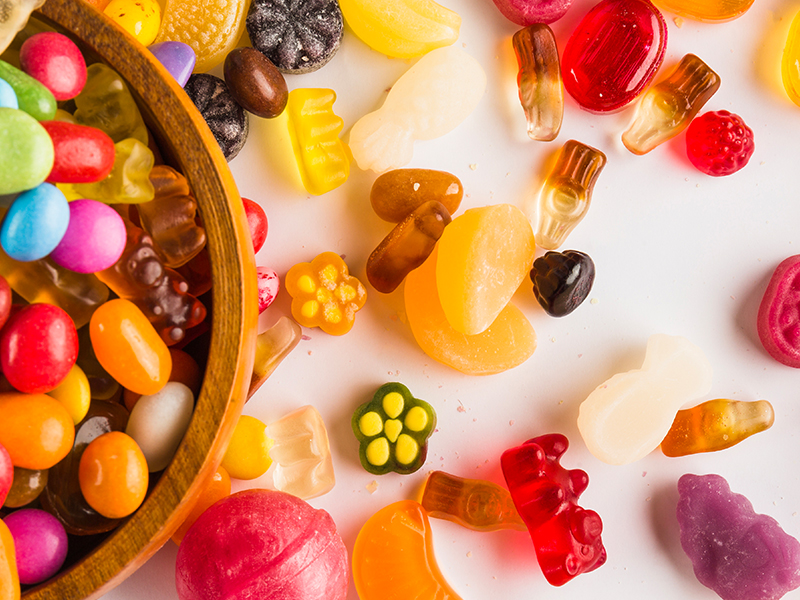
Confectionery produced by a third party but marked under your company’s name is called private label candy. You collaborate with a knowledgeable Chinese candy manufacturer to produce a product line customized to your brand’s identity rather than buying costly equipment or a candy making plant.
Though supermarkets have for long used private brands to save money and establish allegiance, the trend is now rapidly expanding among ecommerce startups, hotel chains, small event organizers, and lifestyle brands. COVID-19 has accelerated consumer attitudes towards white label products.
Consider, for instance, launching a sugar-free gummy vitamin line under your personal health brand or offering your wedding customers custom printed tins of chocolate truffles. Private labeling gives you that power.
The attraction is in the power and selectiveness that it provides. You determine the appearance, flavor, and packaging of the candy product.
You determine the price point. Your brand starts to be linked by your clients first and foremost with the knowledge of eating your candy, therefore driving repeat businesses and loyalty.
Why Private Label Candy Is Growing in 2025
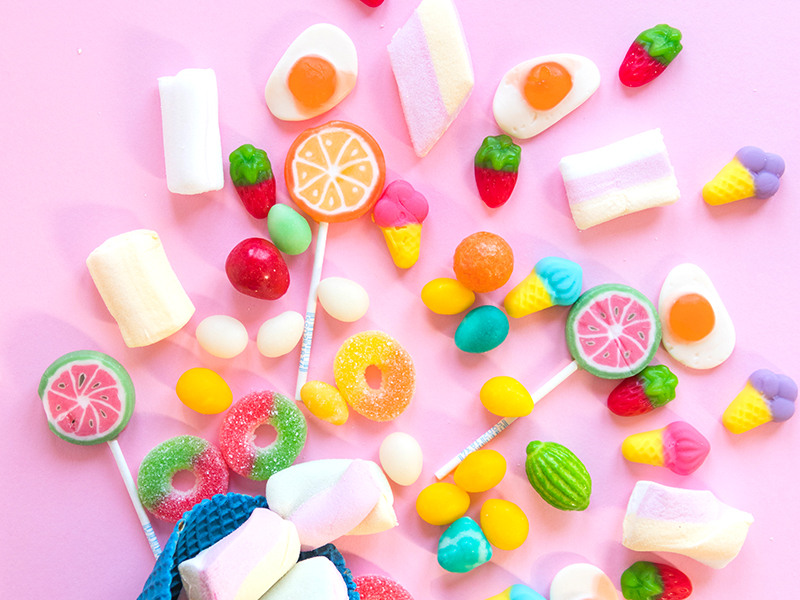
The private label candy market is changing fast, and 2025 is shaping up to be a defining year for the sector. One major factor behind this expansion is the emergence of niche branding. Consumers are looking for vegan-friendly gummies, suga-free lollipops, or protein loaded chocolate bites rather than just sweets.
Brands providing these choices under their own labels are gaining enormous popularity as awareness of health and personalization trends increases.
Gifting and seasonal releases are also increasingly sought after so they are a significant influence. Private label sweets allow companies to distribute through holidays such as Halloween, and Valentine’s version of their products with themed packaging and tastes.
This kind of seasonal significance raises visibility and offers consumers a reason to visit all around the year.
Startups can create small private label candy companies with little initial capital thanks to websites including Amazon and Shopify. With the help of Chinese suppliers who are set to manufacture custom candy SKUs in large quantities and with flexible MOQs (Minimum Order Quantities), these internet businesses can quickly scale.
Moreover, visual branding and storytelling have become as significant as taste. Consumers today seek a product that narrates an engaging narrative and appears great on Instagram.
Private label candy, with custom packaging and logo design, becomes a means of emotional branding and shareable events something that mass produced confectionery cannot match.
How the Private Label Candy Process Works?
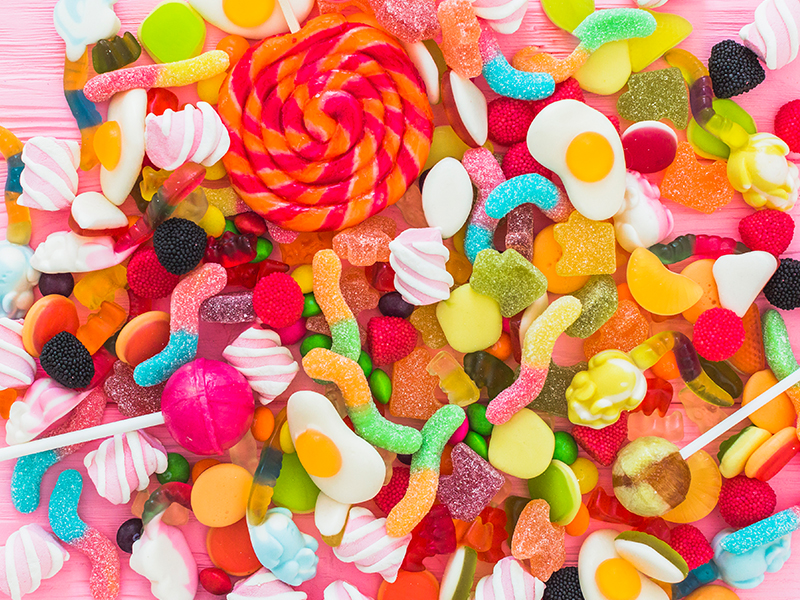
So with your own branding, how exactly do you turn an idea into a final candy product? The private label candy process is quite simple—and with a professional Chinese manufacturer it might be quick and really smooth.
It usually starts with you distributing your logo, brand directions, and any design inspiration or materials you provide. Knowing already the kind of sweets you wish to debut will narrow things further. If not, the manufacturer can send you samples of several different candy bases to make your selection.
You will next choose the kind of candy, ingredients, and taste you want. The producer will help you to create a recipe at this point that fits your brand’s requirements—be it sugarfree, vegetarianism, fruity, hot, or vitamin enriched.
The design team will produce unique packaging mockups once the formula is set using your logo, color palette, and target audience. Before going into production, you’ll have an opportunity to review, modify, and endorse everything.
Then the MOQ and production lead time needs to be checked. Although schedules can vary based on complexity, most private label candy orders can be created and delivered 30 to 45 days from design approval.
Your order is lastly produced, packaged, and shipped to your final destination. Furthermore dealing with export paperwork and assisting you to conform with import requirements, a dependable Chinese partner will let the process run smoothly.
Custom Candy Packaging: Make Your Brand Pop
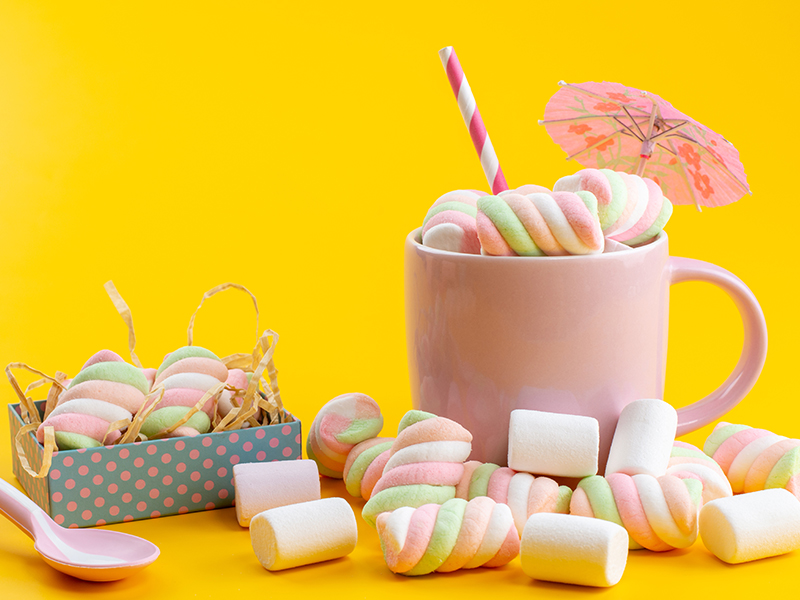
In the field of private label candy, packaging is more than just a wrapper; it serves as a brand sign. Attractive packaging can turn a basic lollipop into a high-quality present or change a bag of gummy bears into a necessary Instagram prop.
Standup pouches, PET jars, blister trays, paper boxes, tins, and custom shaped containers are among the many flexible packaging options that Chinese candy producers normally have. This lets you fit your promotional into your sales channel and target group.
Going for elegant boxes or jars will help you stock in gift stores. Selling over the internet? Light weight pouches could be less expensive.
From font styles and label compliance (including bar codes, nutritional information, and country specific labeling requirements) to colour schemes and logo placement, you can personalize everything.
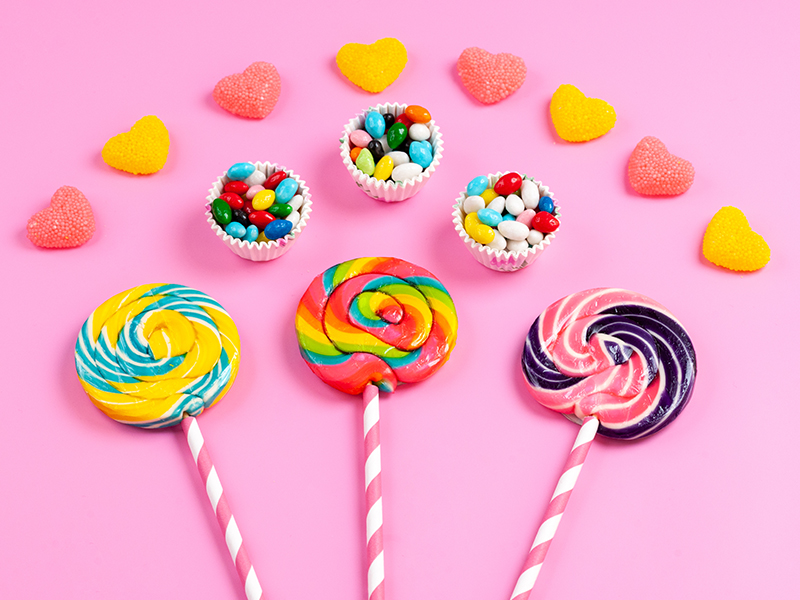
Seasonal packaging is a gamechanger for companies wanting to profit from holidays. Consider heart shaped candies for Valentine’s Day or Halloweeninspired gummies in pumpkin shaped tins. These limited edition collections help to increase momentum and propel seasonal sales.
Many producers also present environmentally sensitive packaging choices including compostable coverings and recyclable bins. Green packaging might attract environmentally aware consumers and boost your company’s standing given sustainability is a top fad.
What to Look for in a Candy Manufacturer in China?
Not all factories are equal in terms of selecting the best Chinese candy maker. More than just fantastic flavor, the most ideal collaborators add safety, customization, reliability as well as great taste.
First evaluate their range of products. Gummy, lollipop, taffy, hard candy, chocolates, marshmallow, and many other types of candy can all be produced by a reputable manufacturer. This lets you develop your line further in the future without partner change.
Certifications are next vital. Good Chinese suppliers should be internationally certified compliant with ISO, BRC, HALAL, and FDA. These not only guarantee food safety and cleanliness levels but also simplify your international candy trade.
Another vital consideration is MOQ flexibility. To suit little companies or pilot projects, many producers are now starting to provide low MOQs—starting with only 5000 to 10,000 units per SKU. Startups trying a seasonal launch or new product will find this particularly useful.
Should you wish to exceed elementary customization, seek out plants with excellent R&D. You may change flavor profiles, play with texture, and even ask for special shapes not found in typical candy catalogs. R&D help can turn your dream product into reality, whether you are imagining pineapple shaped sour chews or branded chocolate bars with embossed logos.
Why Choose MPS for Private Label Candy Production
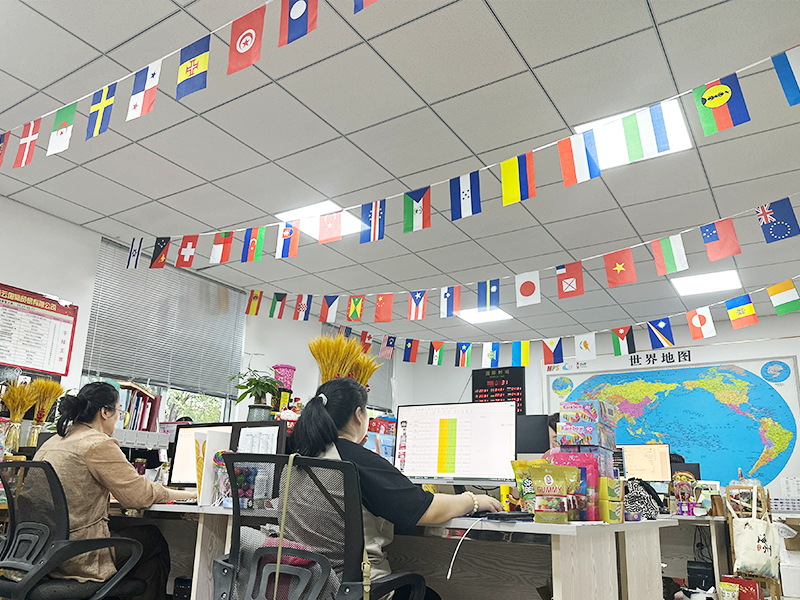
MPS is a reliable partner for private label candy production thanks to their more than two decades of expertise in candy production and worldwide export. From Supermarket candy supplier to large eCommerce vendors, we have enabled hundreds of companies to introduce popular candy lines with custom branding, flexible MOQs, and complete packaging support.
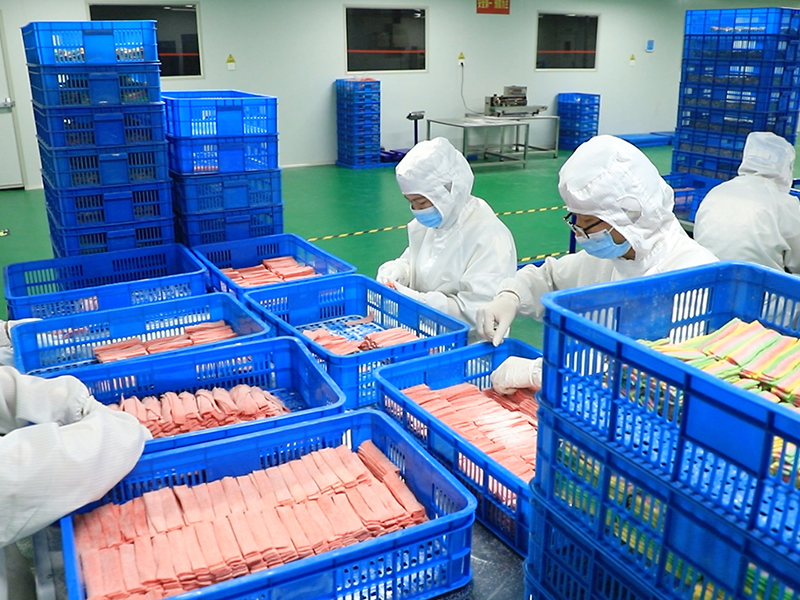
We guarantee your goods satisfy global quality and safety standards by our factory’s certifications in ISO, BRC, and FDA. Whether you want sugar-free marshmallows, fruit-flavored lollipops, or topgrade chocolate pralines, we have you covered.
At no additional charge, we provide complete design services to assist you in developing candy packaging that really grabs attention. We also enable small companies and startups to experiment with new goods or introduce seasonal collections without significant initial capital by means of quick turnaround times and minimal minimum order quantities.
If you need help with export documents, shipping logistics, or product registration in your country, our expert staff is here to help at every stage.
Contact us today for complimentary mockup, sample box, or pricing sheet to see how your product may turn out.
Frequently Asked Questions
1. What is private label candy?
Although marketed under your own brand name and logo, private label candy is confectionery fabricated by a third-party facility. The factory runs manufacturing; you manage the packaging, taste, and appearance.
2. Can I customize the shape, color, and flavor of the candy?
Indeed. Depending on the kind of candy and your MOQ, most Chinese candy makers provide many possibilities for customization. From a few colors, shapes, tastes, and even custom molds, you may often pick.
3. What is the minimum order quantity (MOQ) for private label candy in China?
Although minimum order quantities differ by product type, most suppliers give small starting points—usually between 500 and 5,000 pieces per SKU. For promotional events, test runs, or seasonal debuts, small MOQs are perfect.
4. How long does it take to develop a custom candy line?
For design approval and mockups, the process normally runs two to four weeks. Depending on your order size and packaging complexity, production and shipping might consume another 25–45 days.
Want to start a candy brand of your own?
Find a reliable Chinese producer to help you realize your candy vision. Whether you are after making gift worthy chocolates, eccentric gummies, or health conscious sweets, the private label way enables you to customize, bundle, and expand on your own conditions.
Contact MPS for samples, design mockups, and a complete pricing sheet. We will make your sugar idea come true.