Halloween is the single biggest seasonal moment in the US candy calendar. Candy ranked as the most popular Halloween spending category in 2024 (National Retail Federation – NRF).
For consumers, Halloween candy is a fun seasonal tradition. For retailers, wholesalers, importers, and private label brands, it is one of the most concentrated sales windows of the year.
This article breaks down the rankings, explains why certain candies win year after year, and gives buyers a practical framework for seasonal assortment planning.
How “Most Popular” Is Measured — and Why the Source Matters?
Not all Halloween candy rankings use the same methodology, and the winner can change depending on how you measure popularity. Understanding the differences helps you evaluate any ranking you read.
- Total Sales by Dollar: Measures how much revenue a product generates across the season. Favors premium or larger-format products with higher price points.
- Total Weight Sold: Instacart uses this approach for its annual Halloween report, which captures actual consumer purchasing behavior across its grocery delivery platform.
- State-by-State Purchase Data: Breaks down regional preferences.
- Consumer Surveys: Ask respondents which candy they prefer. Results can differ from purchase data because preference and buying behavior do not always align.
- Search Interest: Google Trends data reflects curiosity and online engagement. Candy corn, for example, consistently generates high search volume around Halloween despite ranking lower in actual sales.
For buyers making assortment decisions, sales-based data is the most actionable. Survey data and search interest can inform product range and marketing positioning.
Is Chocolate the Most Popular Halloween Candy Type?
Yes — and it is not particularly close. Chocolate leads Halloween candy by every meaningful measure. The NCA’s consumer preference data for Halloween treats ranks candy types in the following order –
- Chocolate candy
- Gummy candy
- Chewy candy
- Candy corn
- Hard candy
- Lollipops
Most Popular Halloween Candy by State
It illustrates the gap between search interest and purchase behavior: candy corn generates significant online engagement, much of it coming from debate and nostalgia.
Still, it doesn’t translate to top-volume sales nationwide. For buyers and distributors, state-level differences are most relevant when –
- Planning regional assortments for multi-state retail chains or foodservice networks.
- Customizing promotional or display configurations for specific markets.
- Evaluating whether a regional product preference gap represents an underserved opportunity.
What Is the Least Popular Halloween Candy?
The “least popular” question attracts almost as much interest as the most popular one — and it is equally methodology-dependent.
That appear regularly on “least popular” lists include wax bottles, black licorice, and certain hard candy varieties.
They share common traits: unusual or polarizing flavors, textures that younger consumers find off-putting, or formats that feel outdated.
It is worth noting that “least popular” in a Halloween context isn’t the same as commercially failing. Some of these products maintain loyal niche audiences.
Why Certain Halloween Candies Win Every Year?
Halloween sales rankings are remarkably stable from year to year. The same brands appear in the top positions with only minor position shifts.
That consistency is not accidental. It reflects structural advantages that repeat-winning candies share, and understanding those advantages has practical value for buyers.
1. Familiar Flavor Profiles
Well-loved flavors that consumers have been buying for decades. Halloween is not the time most consumers experiment.
2. Individual Wrapping at Fun-Size Format
The Halloween context specifically rewards individually wrapped, portion-controlled pieces. Fun-size formats are designed for trick-or-treating and variety packs.
According to Instacart’s Halloween Trick-or-Treat Trends, among Americans who planned to hand out or eat Halloween candy, 83% planned to purchase fun-size candies in a variety pack — significantly ahead of full-size and king-size formats.
3. Strong Shelf Visibility
The top Halloween brands invest heavily in seasonal packaging, display, and promotional materials. Orange-and-black wrappers, Halloween-themed bags, and festive graphics drive impulse purchasing at retail.
4. Family-Friendly Brand Recognition
Halloween candy is often selected by parents buying for children — and for parents handing out to trick-or-treaters. A parent choosing between a known chocolate brand and an unfamiliar product in Halloween packaging will almost always reach for the known name.
5. Compatibility with Mixed Assortments
Top-ranked Halloween candies work well in variety packs alongside other flavors and formats. Products that are hard to mix (due to size, shape, or packaging incompatibility) are less likely to find their way into high-volume assortment bags.
6. Chocolate Dominance Creating a High Floor
Because eight of the top ten Halloween candies include chocolate, the category has a built-in demand floor. Buyers who lead with chocolate and supplement with fruity or gummy formats are following the category’s own logic.
What Retailers, Wholesalers, and Importers Should Stock for Halloween?
Translating consumer popularity data into a practical buying strategy requires a few additional layers of thinking beyond “stock what ranks number one”.
1. Start with a Chocolate Hero SKU
Chocolate leads the Halloween category across every credible measurement. Any Halloween assortment should have at least one strong chocolate SKU as its anchor.
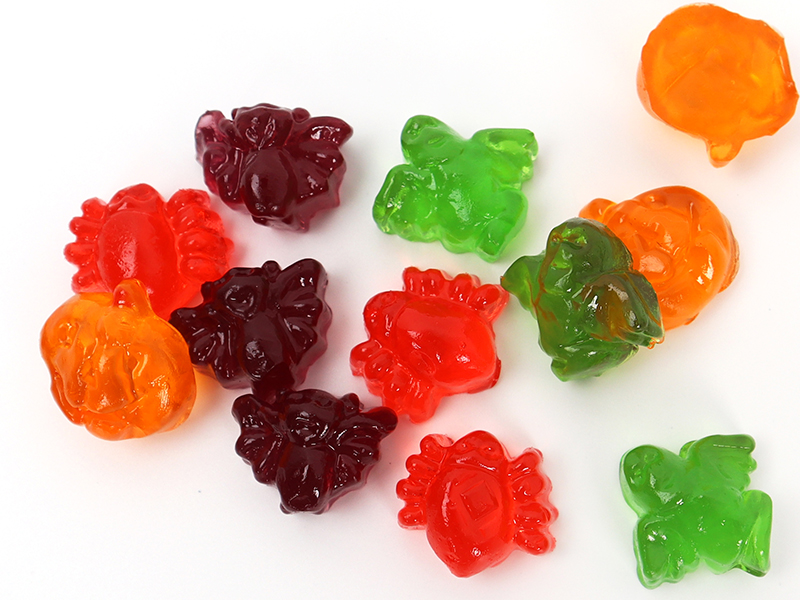
2. Add One Fruity or Gummy Line
The NCA data shows gummy candy in second place overall and chewy candy in third.
A Halloween assortment without a fruity or gummy element is leaving a significant consumer segment without their preferred format. Sour-fruity profiles in particular appeal strongly to school-age children and teens.
3. Use Mixed Assortments for Volume
Instacart’s finding that 83% of Halloween candy buyers intend to purchase fun-size variety packs is one of the most actionable data points in this entire category.
Variety packs at the right price point drive the highest unit volume. For importers and wholesalers, this means the ability to supply or build mixed assortment packs is a significant commercial advantage.
4. Think Regionally, Not Only Nationally
For buyers serving regional retail chains, convenience networks, or geographic-specific distribution routes, state-level preference data can justify targeted assortment adjustments that better match local demand.
5. Use Seasonal Packaging to Raise Sell-Through
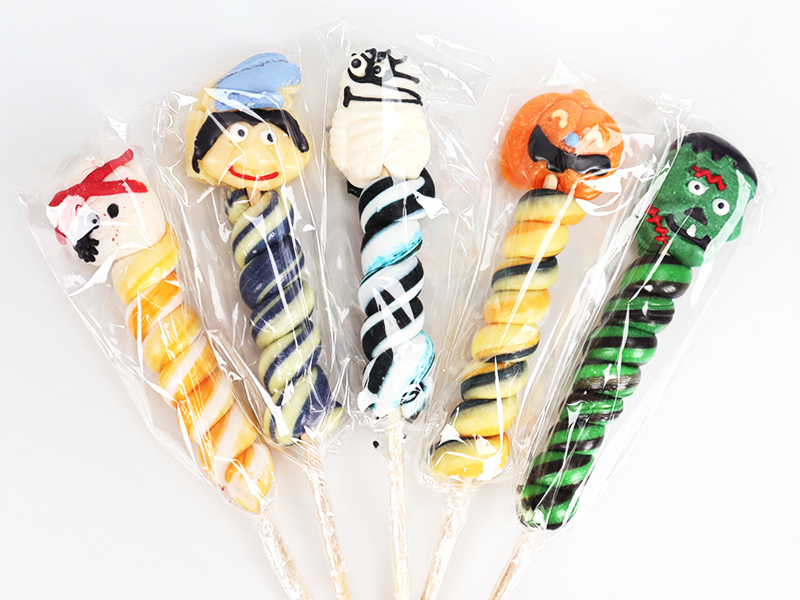
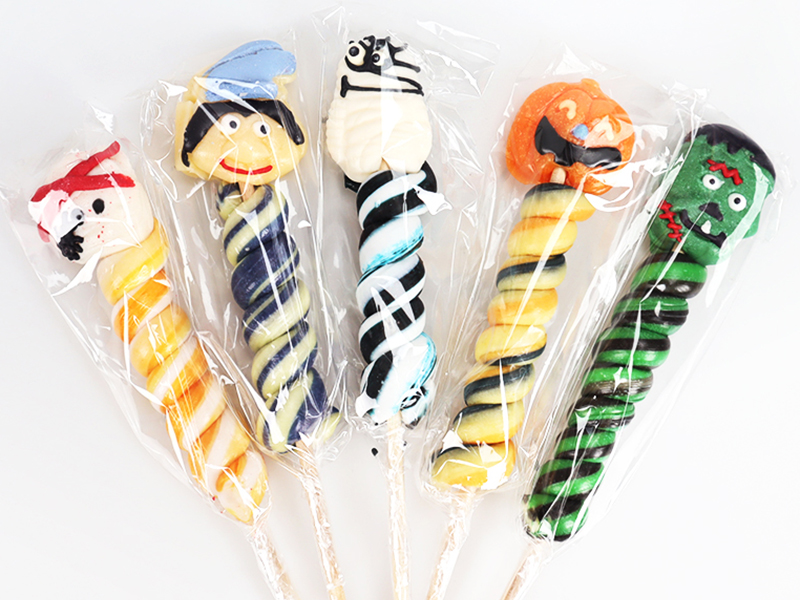
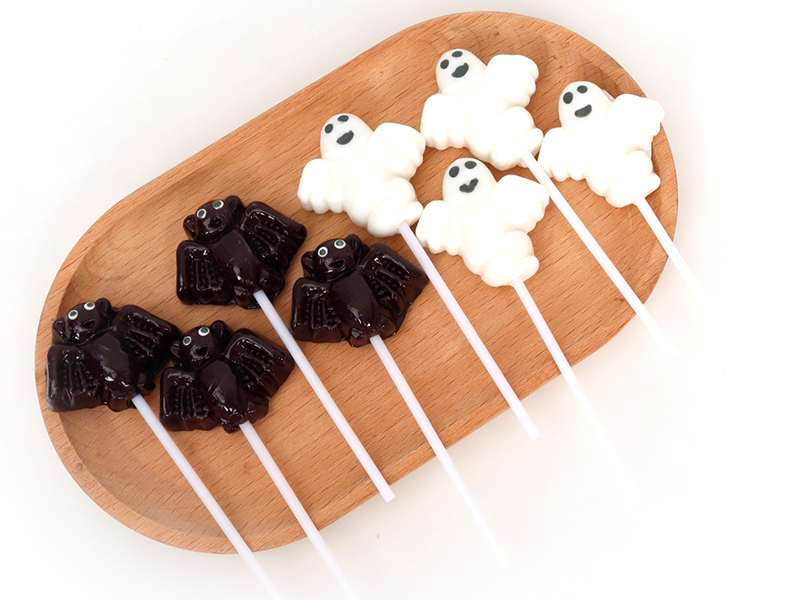
Consumer purchase behavior at Halloween is heavily influenced by seasonal visual cues. Orange and black packaging, Halloween-themed characters, pumpkin graphics, and festive bag formats all drive impulse purchasing and differentiate seasonal displays from everyday candy shelving.
Manufacturers that offer custom or seasonal packaging configurations give retail and wholesale buyers a meaningful advantage in sell-through and margin.
For private label buyers and brands building own-brand Halloween confectionery, seasonal packaging customization is not a luxury — it is a category prerequisite.
Buyers who can source candy with custom seasonal packaging, Halloween-themed formats, and flexible assortment configurations are better positioned to compete for seasonal shelf space and consumer attention.
Where Halloween Candy Is Bought Most Often?
Understanding where consumers buy Halloween candy matters because channel affects pack format, price point, merchandising approach, and the product specifications buyers should target.
NRF’s Halloween spending survey reported the following distribution of planned purchase channels:
| Purchase Channel | Share of Halloween Buyers |
|---|---|
| Discount stores | 37% |
| Specialty Halloween / costume stores | 33% |
| Online | 33% |
| Grocery stores | 31% |
| Department stores | 22% |
| Drug stores | 14% |
The dominance of discount stores reflects the volume-driven, price-sensitive nature of Halloween candy buying. Consumers buying candy to hand out to trick-or-treaters are buying large quantities.
It has direct implications for pack format (large variety packs, bulk bags), price point positioning, and the importance of cost-efficient sourcing for buyers supplying this channel.
The 31% online share is also significant. Online buyers tend to purchase earlier in the season and may be more receptive to premium or specialty formats, curated variety packs, and private label products.
For importers and wholesale buyers, matching product format and pricing to channel expectations is as important as getting the product selection right. A premium-packaged gift assortment may perform well online but be wrong for a discount store display.
Meanwhile, a bulk bag at everyday pricing may underperform in a specialty retail context where consumers expect more curated presentation.
Frequently Asked Questions
1. What is the most popular candy for Halloween?
Chocolate broadly is the most popular candy type at Halloween, with gummy and chewy candy formats ranking second and third in consumer preference surveys.
2. Is chocolate the most popular Halloween candy?
Yes. Chocolate leads Halloween candy in both category preference surveys (NCA) and sales-based rankings. Eight of the top ten Halloween candies in recent rankings included chocolate. Gummy and fruity candy formats hold strong positions below the top, but chocolate dominates.
3. What Halloween candy should retailers stock first?
Retailers should anchor their Halloween candy assortment with a strong chocolate SKU — particularly formats combining chocolate with peanut butter, caramel, or wafer. Add at least one fruity or gummy line, and prioritize fun-size variety packs, which 83% of Halloween candy buyers intend to purchase.
Conclusion
Chocolate leads decisively. Gummy and fruity formats hold meaningful share. Fun-size variety packs drive the vast majority of the volume.
And regional preferences can shift which SKUs deserve priority in localized assortments. Halloween is a concentrated seasonal window that requires assortment accuracy, format relevance, seasonal packaging, and channel-appropriate pricing.
Time to Build Your Halloween Candy Range with MPS
MPS has been working with importers, wholesalers, and private label brands for 20+ years. We develop and supply seasonal candy programs tailored to your market. Get in touch to explore our Halloween candy range and ask about OEM/ODM seasonal candy development.
We are MPS Candy, a China-based candy manufacturer specializing in OEM and ODM candy production for global brands, importers, distributors, wholesalers, and retail channels.