4D gummy candy is no longer just a novelty—it has become a commercially viable category for global confectionery buyers. With highly realistic shapes, detailed textures, and strong visual appeal, it offers clear advantages in retail presentation and product differentiation.
For importers, supermarkets, and private label brands, the opportunity lies not only in its appearance, but in its ability to support higher perceived value and consumer engagement.
Understanding how 4D gummies are made—and how they perform in the market—is key to turning this format into a successful product program.
What Is 4D Gummy Candy?
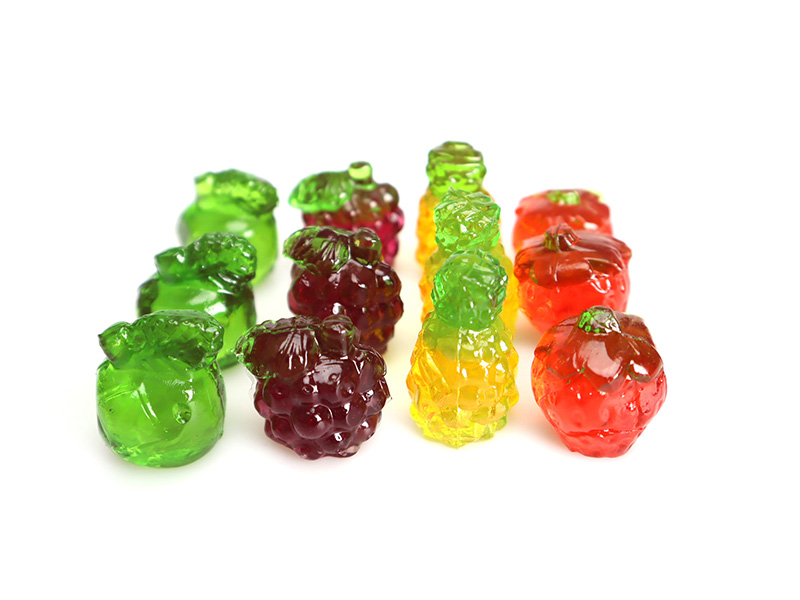
4D gummy candy is a highly realistic 3D molded gummy designed to replicate real fruits such as pineapple, grape, strawberry, apple, peach, and orange. Unlike flat or 2D gummies, 4D gummies feature detailed textures, transparent fruit-like appearance, and optional center-filled formats, making them popular in novelty candy and private label markets.
The term “4D” is more of a commercial expression than a scientific one. It signals something beyond basic 3D shape—greater depth, more intricate detailing, enhanced surface realism, and a lifelike finish. In simple terms:
- 3D gummy candy = shaped gummy
- 4D gummy candy = ultra-realistic, highly detailed shaped gummy
It’s the difference between a generic fruit icon and something that looks almost harvest-ready.
A Short History: From Simple Bears to Realistic Fruit
Traditional gummies began as simple molded shapes—bears, worms, rings. Over time, advances in molding technology, gelatin and pectin formulation, and color layering allowed manufacturers to push the boundaries of realism.
As retail competition intensified, brands sought visual differentiation. That’s where realistic gummy candy emerged. Detailed mold engraving, improved clarity in gummy formulas, and multi-tone color layering made it possible to replicate fruit textures—strawberry seeds, pineapple skin patterns, grape clusters.
What started as novelty experimentation became a serious retail strategy.
Why 4D Fruit Gummies Look So Realistic
The realism isn’t accidental. It’s engineered.
Several technical factors contribute to the “wow” effect:
1. High-Precision Mold Engraving
Modern molds are carved with microscopic texture detailing. Pineapple surfaces have hexagonal grooves. Strawberries display seed indentations. Grapes appear in clustered spheres.
2. Transparency & Light Refraction
Unlike opaque gummies, realistic fruit gummies often use semi-transparent formulations. This allows light to pass through, mimicking natural fruit pulp.
3. Color Layering Techniques
Dual-color and gradient layering simulate ripeness. A peach gummy might fade from light yellow to blush pink. Grapes shift from deep purple to translucent edges.
4. Glossy Finishing
Controlled oil polishing enhances shine, giving a fresh, just-picked appearance.
In short, 4D gummy candy combines sculpting, chemistry, and optical illusion.
Beyond these visible factors, consistency is also critical. To achieve the same visual effect across large production volumes, manufacturers must control mold quality, formulation clarity, color stability, and finishing conditions at scale. This is what separates a visually impressive sample from a commercially viable product.
In short, 4D gummy candy combines precision molding, formulation science, and optical design to deliver a product that looks closer to real fruit than traditional confectionery—making it especially effective for premium retail positioning and private-label development.
Popular 4D Fruit Shapes in the Market
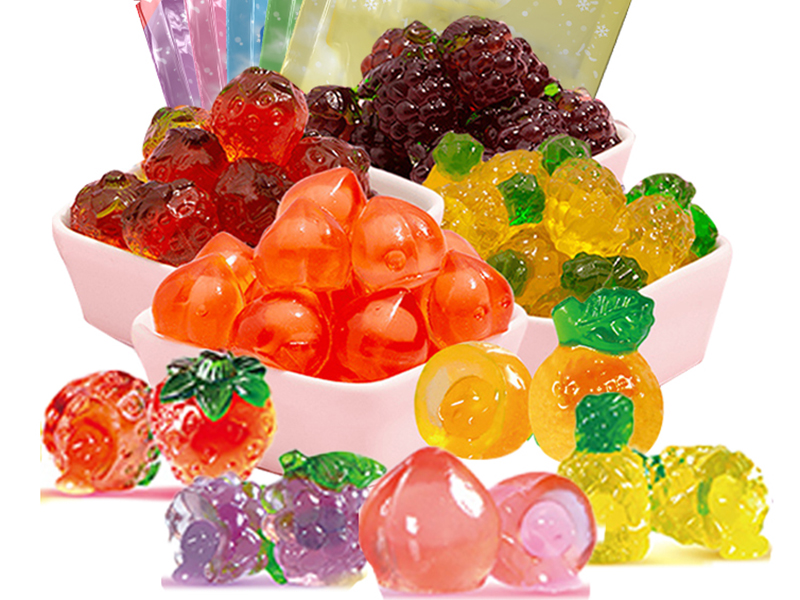
Realistic 4D fruit gummies now cover a wide range of high-impact shapes, each designed to combine visual familiarity with shelf differentiation. For buyers, choosing the right shape is not just about appearance—it also affects consumer recognition, display effect, and overall sales performance.
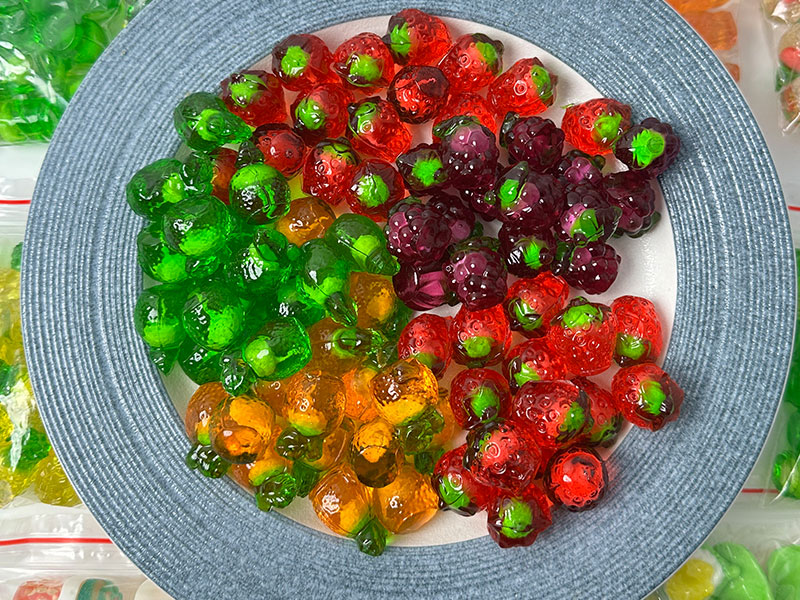
Pineapple 4D Gummies – Featuring textured outer skin with detailed hexagonal patterns and recognizable leaf tops, this format offers strong visual impact and a premium feel. It is often used as a “hero product” in novelty candy lines.
Grape Cluster Gummies – Designed as grouped spheres with high transparency, these gummies create depth and realism. Their clustered structure also makes them visually dynamic in packaging, especially in clear bags or jars.
Strawberry Shaped Gummies – With seed-like surface textures and green leaf accents, strawberry gummies are highly recognizable and widely accepted across different markets, making them a lower-risk, high-volume option for buyers.
Apple & Peach Gummies – These shapes focus on smooth, rounded volume combined with natural color gradients. Their softer visual style works well for premium positioning and gift-oriented packaging.
Orange Fruit Gummies – With glossy citrus surfaces and peel-like detailing, these gummies deliver strong brightness and freshness cues, making them suitable for eye-catching retail displays.
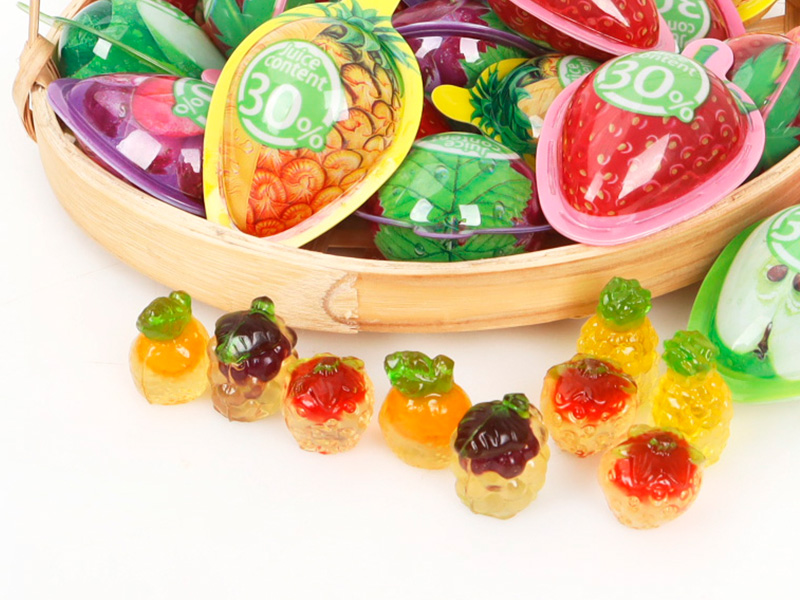
Because these shapes closely mirror real fruit, they perform especially well in transparent or window packaging, where the product itself becomes the main selling point. This allows brands to reduce reliance on heavy graphics while still achieving strong shelf appeal.
From a commercial perspective, fruit shapes are also highly adaptable. They can be used in single-SKU focus products, mixed fruit assortments, or seasonal color variations, making them suitable for both standard retail programs and limited-edition launches.
Solid vs Center-Filled 4D Gummies
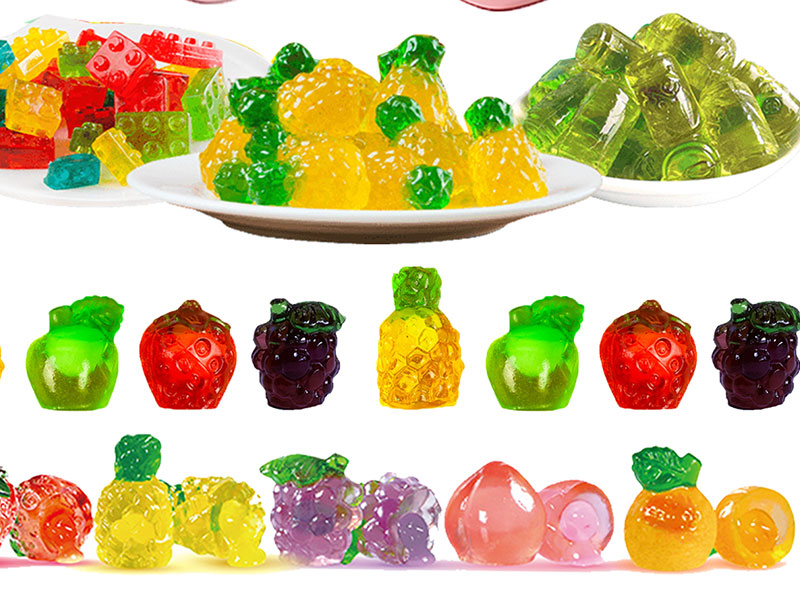
One common question is whether 4D gummies are always solid. The answer: no.
They can be produced in both solid and filled formats.
| Type | Structure | Eating Experience |
|---|---|---|
| Solid 4D Gummy | Full gummy body | Classic chew texture |
| Center-Filled 4D Gummy | Jam or liquid core | Juicy burst sensation |
Center-filled fruit shaped gummies add a second sensory layer. When the outer shell breaks, fruit syrup or jam releases, enhancing the “real fruit” illusion.
For B2B buyers, offering both options allows for tiered product positioning.
How 4D Gummy Candy Is Manufactured
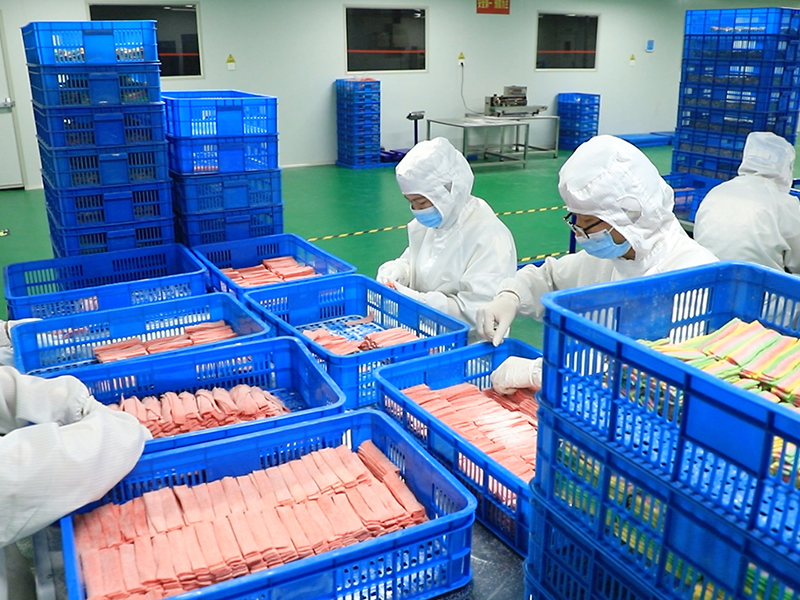
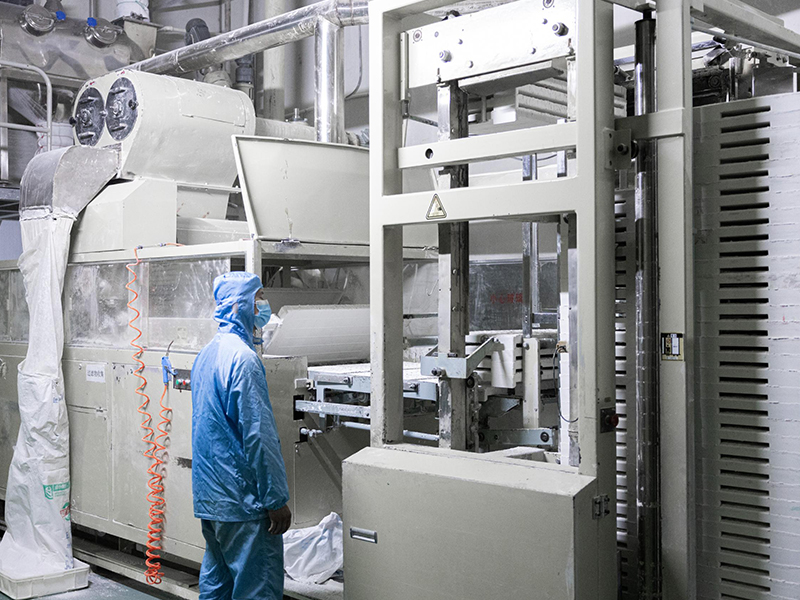
While the shapes look artistic, the process is highly industrial and controlled.
- 3D Mold Design – CAD modeling ensures accurate fruit replication.
- Gummy Depositing – Liquid gummy mass is deposited into engraved molds.
- Layering or Filling (Optional) – Additional color layers or center fillings are added.
- Cooling & Setting – Controlled cooling stabilizes shape integrity.
- Demolding & Polishing – Finished gummies are released and polished for shine.
- Packaging – Products move to automated capsule, pouch, or jar packaging lines.
The key to realistic gummy candy production lies in maintaining structural detail without deformation during cooling.
Custom Mold Development: The Real Competitive Edge
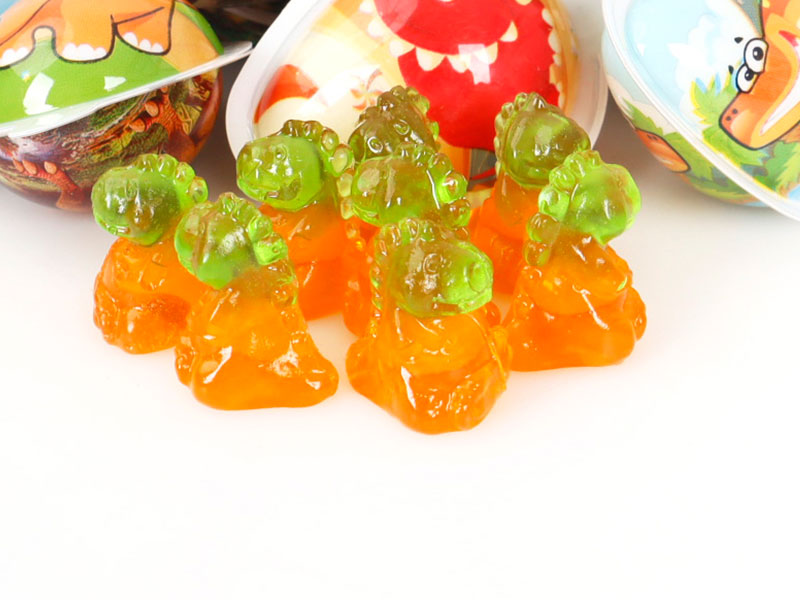
For brand owners, the most valuable aspect of 4D gummy candy is customization.
Custom mold gummy candy can be developed in:
- Exclusive fruit varieties
- Regional fruit icons
- Seasonal shapes (Halloween pumpkins, Christmas ornaments, Easter eggs)
- Brand mascots
- Logo-inspired 3D designs
The mold development process typically includes:
- 3D CAD modeling
- Prototype sampling
- Mold carving
- Texture refinement
- Production validation
Because molds represent proprietary tooling, they provide brand exclusivity in competitive markets.
OEM 4D Gummy Manufacturing Capabilities
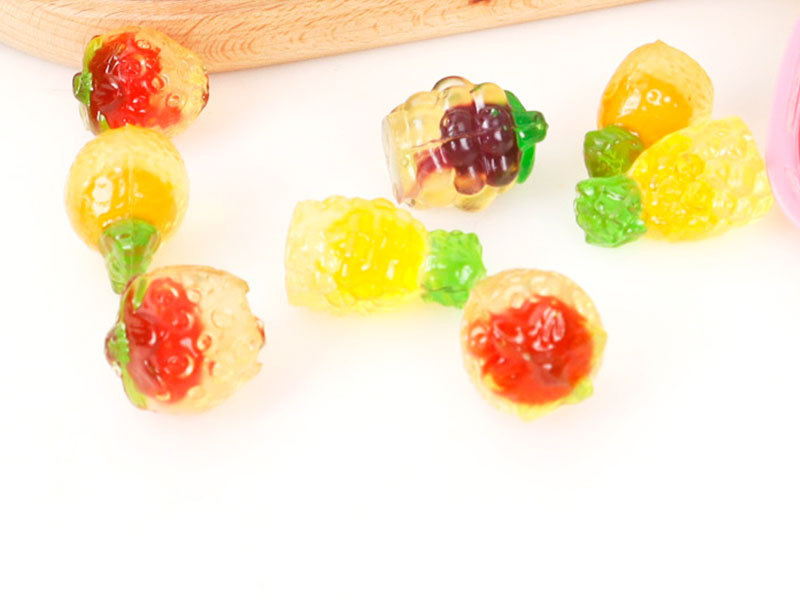
When evaluating a 4D gummy manufacturer, buyers typically focus on more than just shape quality.
Key evaluation factors include:
| Criteria | Why It Matters |
|---|---|
| Mold Precision | Ensures realistic detailing |
| Color Consistency | Maintains brand standards |
| Texture Stability | Prevents deformation in transit |
| Food Safety Certifications | Supports global retail compliance |
| Export Experience | Reduces customs & labeling risk |
Reliable OEM gummy candy manufacturers must balance creativity with production discipline.
Why 4D Gummies Are Growing Globally
The growth of 4D gummies is not just driven by novelty—it reflects a broader shift in how confectionery products are evaluated in modern retail environments. Today, candy is no longer competing only on taste and price. It is also competing on visual impact, shareability, and retail presentation.
Social media and digital retail have accelerated this change. Platforms like short-form video and visual-first e-commerce favor products that can capture attention within seconds. In this context, products that “look different” often get noticed before they are even tasted. This is where 4D gummies have a clear advantage.
For B2B buyers—such as importers, distributors, and supermarkets—the value goes beyond appearance. These products can support more effective retail performance:
Stronger shelf impact in crowded candy assortments, helping attract first-time buyers
Higher impulse purchase potential, especially in front-end displays or convenience channels
Flexible seasonal merchandising, as colors and fruit shapes can be adapted for different promotions
Higher perceived value, allowing for better pricing strategies compared to standard gummy formats
An important insight for buyers is that 4D gummies often work best when positioned as visual-driven products, not just flavor-driven ones. This affects decisions such as packaging (clear vs. printed), SKU structure (single fruit vs. mixed assortment), and channel placement (impulse zones vs. standard candy shelves).
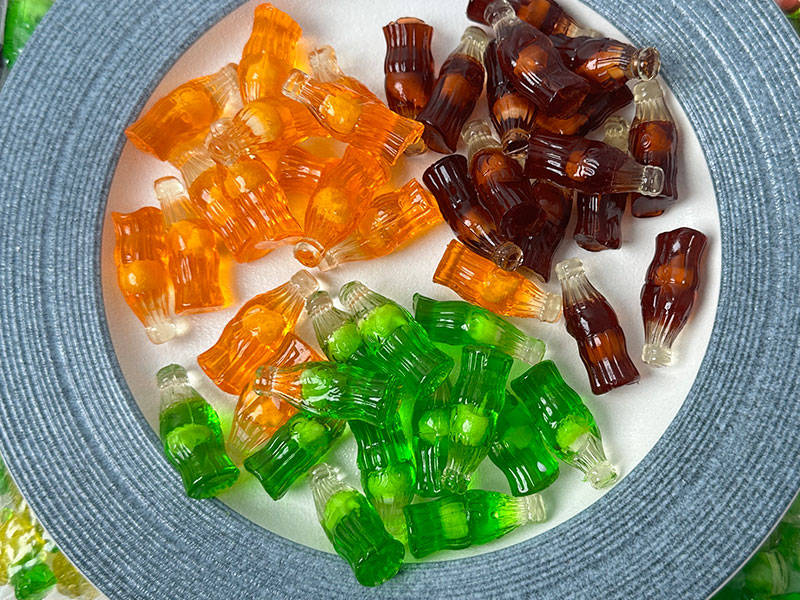
Private Label & Bulk 4D Gummy Supply
Private Label & Bulk 4D Gummy Supply
For importers and private label brands, 4D gummies offer strong differentiation potential. Compared to standard gummy products, their realistic shapes and high visual impact make them easier to position as premium or novelty items in competitive retail environments.
Customization options include:
- Shape and mold design
This is the core of product differentiation. Unique or well-executed fruit shapes can significantly improve shelf visibility and help brands build a recognizable product line. - Flavor development
Flavors are often matched with the visual design (e.g., strawberry shape with strawberry flavor), which enhances the overall consumer experience and makes the product more intuitive. - Color matching
Accurate color control is important for achieving a natural and realistic look. Slight variations in color can affect how “real” the product appears on shelf. - Solid or filled formats
Brands can choose between solid gummies for simplicity and cost control, or filled formats to add an extra eating experience and increase perceived value. - Packaging formats (capsules, PET jars, stand-up pouches)
Packaging plays a key role in how 4D gummies are presented. Transparent or window packaging is often preferred to highlight the product’s visual appeal. - Seasonal retail programs
Colors, shapes, and assortments can be adjusted for holidays such as Valentine’s Day, Easter, or Christmas, helping brands create timely promotions without fully redesigning the product.
Bulk 4D gummy candy supplier programs are typically structured per flavor and per design, ensuring production efficiency while maintaining customization flexibility. This approach allows manufacturers to run stable production batches while still supporting different SKUs for private-label clients.
For buyers, a practical takeaway is that starting with a limited number of designs and flavors can help test market response before expanding into more complex or exclusive products. This reduces risk while still taking advantage of the strong visual appeal that 4D gummies offer.
About MPS Candy – A Chinese Gummy Manufacturer
As a professional Chinese candy manufacturer, MPS Candy specializes in innovative gummy formats including 4D gummy candy, realistic fruit gummies, center-filled gummies, and custom mold confectionery solutions.
With experience serving importers, supermarkets, and private label brands worldwide, MPS supports:
- Custom 3D mold development
- Solid and center-filled 4D gummy production
- Capsule and retail packaging design
- OEM and export-ready manufacturing
- Stable bulk supply for global markets
Combining precision production with creative product development, MPS helps brands transform realistic gummy candy concepts into scalable retail programs.
FAQ
1. What is 4D gummy candy?
A highly realistic 3D molded gummy designed to replicate real fruit shapes with detailed textures and optional center filling.
2. How are 4D fruit gummies made?
Through precision mold depositing, optional layering or filling, controlled cooling, polishing, and automated packaging.
3. Can 4D gummies be center-filled?
Yes. They can be produced as solid gummies or with jam or liquid centers.
4. What shapes can be customized?
Fruit shapes, seasonal designs, mascots, and exclusive brand-specific molds.
5. What is the MOQ for private label 4D gummies?
Our MOQ for private label 4D gummies is one 20ft container. To help reduce overall wholesale costs, we support mixed flavors and designs in a single container.
Conclusion
4D gummy candy represents the evolution of shaped confectionery—from simple molded sweets to highly realistic, visually striking edible replicas.
For consumers, they deliver surprise and delight.
For retailers, they create premium visual merchandising opportunities.
For private label brands, they offer exclusive mold-based differentiation.
As demand for novelty gummy candy continues to grow, realistic fruit gummies stand out as one of the most commercially adaptable formats in modern confectionery.
And when innovation meets manufacturing precision, the result is not just candy—it’s competitive advantage.
We are MPS Candy, a China-based candy manufacturer specializing in OEM and ODM candy production for global brands, importers, distributors, wholesalers, and retail channels.