Jelly is a popular snack known for its silky-smooth texture and bouncy consistency. The market is flooded with countless varieties of jelly—available in a myriad of fruit flavors, shapes, and packaging styles—making them a beloved treat among consumer alike.
In recent years, alcoholic jelly offerings introduce novel flavors to the category and have successfully attracted a new demographic of consumers.
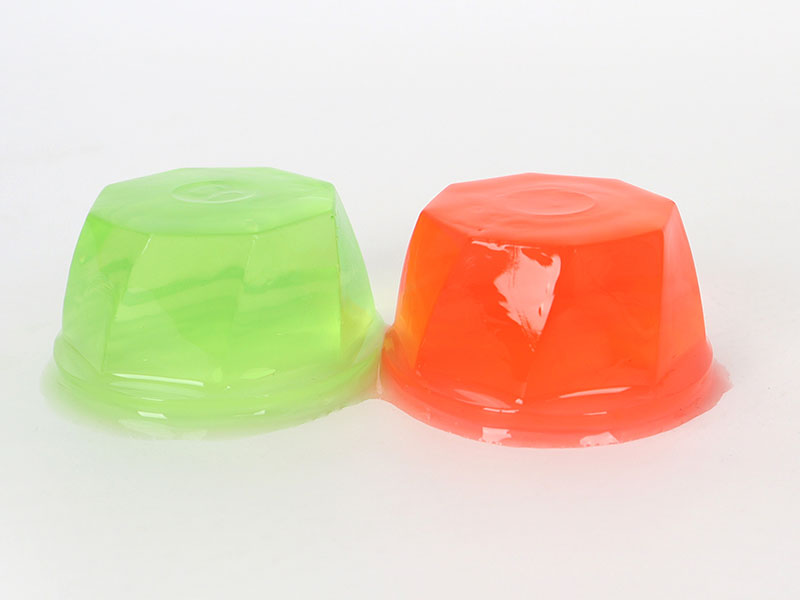
Alcohol jelly shots are made by adding alcohol into a jelly mixture (usually gelatin-based), then chilling it so the gel sets and holds the liquid in a soft, spoonable form.
The alcohol is part of the liquid phase, and the jelly sets by forming a gel network during cooling.
The Origins of Alcohol Jelly Shots
As early as the 18th century, English cookbooks were already documenting “jelly” as a component in desserts; subsequently, recipes for gelatin-based sweets continued to appear throughout 19th-century culinary literature.
The turning point for commercialization came with the widespread popularization of powdered gelatin and flavored gelatin desserts—most notably Jell-O in the United States. Developed by Pearle Bixby Wait in 1897 and named by his wife, May, Jell-O brought gelatin desserts into the mainstream and made them accessible to the general public.
The practice of adding alcohol to jelly actually dates back much further than most people imagine. The concept of combining “alcohol and gelatin” existed as early as the 19th century; for instance, a cocktail guide from 1862 featured a method for transforming alcoholic punch into “punch jelly” using gelatinous agents such as isinglass. Similarly, newspapers in 1902 published recipes for “wine jelly,” which typically involved combining flavored gelatin with wines such as sherry.
As for the modern “jello shot” format we recognize today—typically served in small cups as a single-bite treat—its innovation is often credited to musician and satirist Tom Lehrer in the 1950s. Lehrer devised this method (turning alcohol into small cups of jelly) as a clever way to smuggle liquor into venues where alcohol consumption was restricted. The concept subsequently exploded in popularity within party culture during the 1980s, gradually evolving into a “staple of festivities and parties”—a playful, adult-oriented dessert enjoyed by many.
How do alcohol jelly shots work?
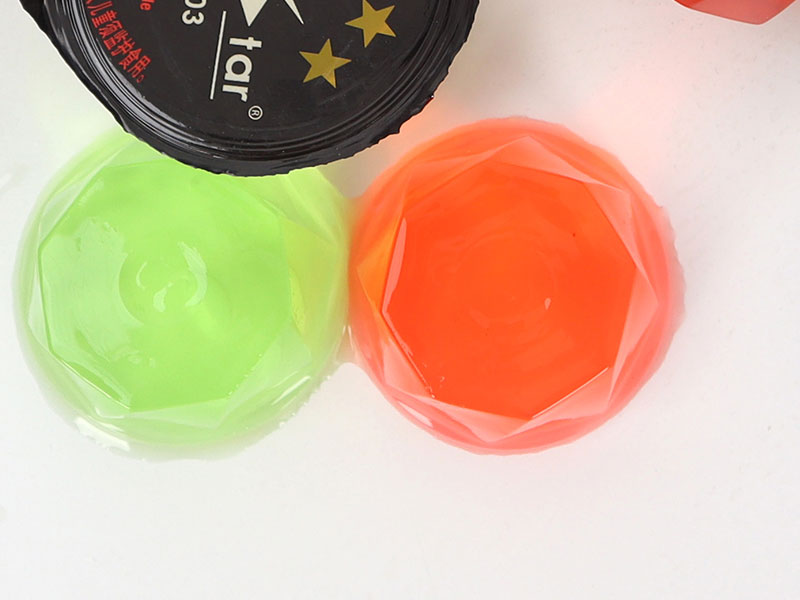
The “science” is actually friendly: a gelling system forms a network as it cools, and that network traps liquid inside. The result isn’t a solid block—it’s a soft gel that can wobble, spoon, and melt in the mouth.
Where alcohol changes things is texture. Alcohol interacts with how gels set, which is why some jelly shots feel firm and clean while others turn out weak, slippery, or separated. The practical takeaway is simple:
- The gel structure needs the right balance of water-based liquid + gelling system to set reliably.
- Alcohol contributes flavor and effect, but too much can reduce setting strength and change the final mouthfeel.
That’s why “how do jello shots work?” is such a common query—people aren’t asking for a recipe; they’re trying to understand why one batch becomes a clean gel and another becomes a sad puddle.
What’s inside alcohol jelly shots?
Ingredients vary by market, but most products follow a familiar structure:
- Gelling system: gelatin is common; some concepts use plant-based alternatives depending on positioning and market needs
- Sweetness system: sugar and/or syrups depending on desired texture and stability
- Flavor & color: fruit or cocktail-style profiles; visual color is a major part of the product
- Acid balance: helps flavor brightness and affects gel behavior
- Alcohol component: handled under regulatory compliance and adult-market restrictions
A key note for brand owners: many markets also support alcohol-free “cocktail-flavored” jelly shots (same fun format, no alcohol). This is useful when you want the party aesthetic without dealing with alcohol regulations.
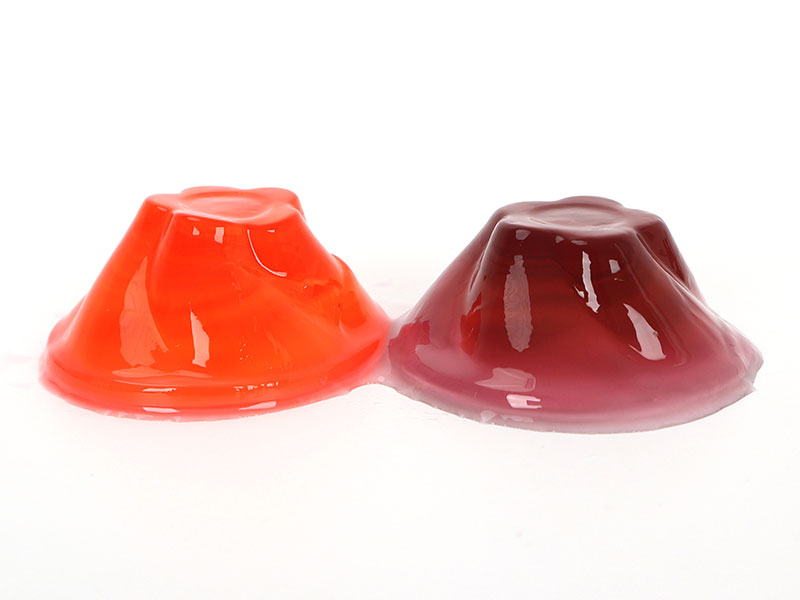
Are alcohol jelly shots safe?
This is the trust section people look for—because the product blurs “dessert” and “drink.”
For adults, alcohol jelly shots are generally safe when consumed responsibly and legally, but the risks are mostly about overconsumption and unclear portioning, not the gel itself.
Here’s what matters:
- Age restriction: these are adult products and must be handled with age-gating wherever required.
- Portion transparency: single-serve formats can feel deceptively small; consumers may underestimate intake.
- Storage & handling: gels are sensitive to heat; packaging and storage instructions matter.
- Label clarity: alcohol content, warnings, and storage guidance reduce customer issues and compliance risk.
If you’re a buyer/importer: don’t treat this like normal candy. Treat it like an adult beverage-adjacent product category that requires stricter controls.
Alcohol gummy vs jelly shots: what’s the difference?
People often compare “alcohol gummies” and “jelly shots” because both are edible formats that suggest a cocktail experience. They’re not the same product, and they behave differently in retail.
| Feature | Alcohol jelly shots | Alcohol gummies |
|---|---|---|
| Texture | Soft gel, spoonable | Chewy, bite-sized |
| Portion format | Cup/sachet single-serve | Small pieces, multi-serve bags |
| Sensory experience | “Dessert shot” feel | “Candy chew” feel |
| Retail positioning | Party kits, events, novelty adult | Adult novelty candy, gifting |
| Stability factors | Heat sensitivity, sealing | Moisture control, stickiness |
From a merchandising perspective: jelly shots sell as moment-based party items; alcohol gummies sell as snackable novelty.
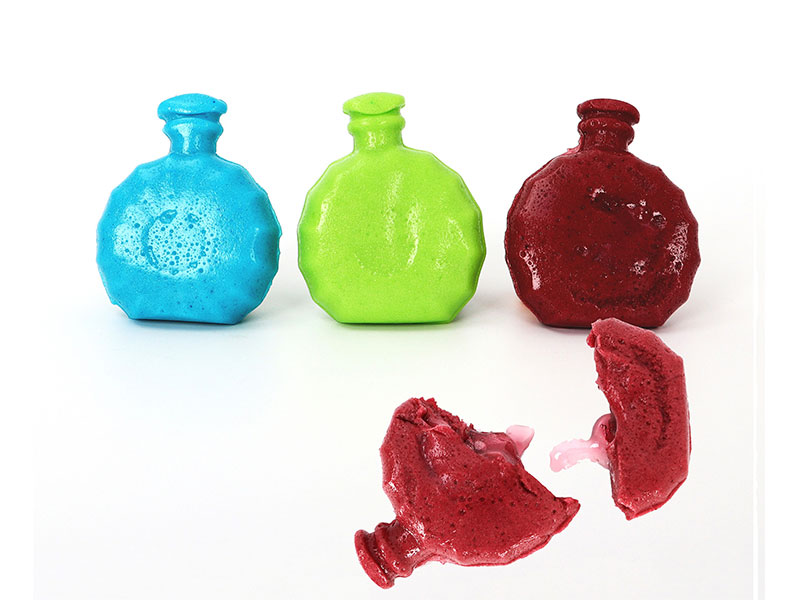
Packaging formats that actually sell
For jelly shots, packaging isn’t an accessory—it’s half the product. The pack determines portion control, shelf impact, and how the product is shared at events.
Common commercial formats include:
1. Single-serve cups
Classic and intuitive. Great for party trays, convenience, and clear portion messaging.
2. Sealed sachets or pouches
Often used when brands want lighter shipping weight and flexible multipacks.
3. Multipack trays and display cartons
Built for retail programs—easy to stock, easy to display, easy to count.
4. Party kits
Bundled formats that combine multiple flavors or “cocktail themes,” ideal for seasonal promotions.
If you’re building a retail program, choose a format based on where it will be sold: supermarkets and convenience channels favor display-ready multipacks; event channels favor easy distribution.
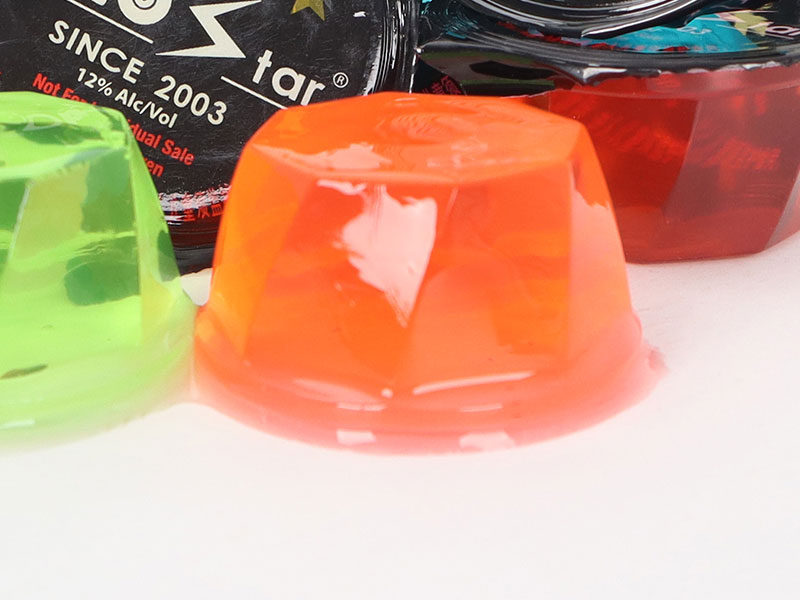
Shelf life, storage, and distribution considerations
A jelly shot can taste perfect in the lab and still fail in the market if the texture changes during transport or if packaging can’t protect the product.
Compared with ordinary candy, jelly shots are far more sensitive to environmental stress—because they are a gel system designed to hold liquid. That makes temperature control, packaging integrity, and distribution planning the three most important success factors.
1. Temperature exposure is the first stress test
Jelly shots don’t simply “melt.” When exposed to higher temperatures, they can soften, lose clean structure, or develop a weaker mouthfeel. Even if the product remains safe, the consumer experience can suffer quickly—especially in channels where products may sit in warm backrooms, event venues, or last-mile delivery vehicles. If your program targets summer events or tropical markets, temperature tolerance becomes a core sourcing requirement, not an afterthought.
2. Packaging is not just a container—it’s stability protection
Sealing quality matters because jelly shots contain volatile flavor notes and, in some cases, alcohol components that can shift if packaging isn’t designed properly. Poor seals or low-barrier materials can lead to flavor fading, surface drying, leakage risk, or inconsistent portions.
Not every program needs cold-chain, but every program needs a clear storage model. If you are shipping long distances, you need to plan for realistic conditions: container dwell time, warehouse holding periods, and seasonal temperature swings.
The right decision depends on your concept: party/event channels may require tighter handling control, while retail multipacks may need stronger barrier packaging and clearer storage instructions to reduce customer complaints.hat’s the best flavor?”—it’s “what’s the most stable program for my channel?”
Private label & OEM: what buyers should know
If you’re sourcing this category, the biggest difference from standard confectionery is regulatory complexity. Alcohol-containing products can trigger:
- special permits and licensing
- labeling and tax requirements
- restrictions on marketing and channels
- age-gating expectations in e-commerce
- import documentation differences by country
Because of that, many brands choose one of two tracks:
- Alcohol-containing program produced within a compliant framework (often requiring licensed partners depending on jurisdiction).
- Alcohol-free “cocktail-style” jelly shots that mimic the experience through flavor and format but avoid alcohol regulation.
As a China-based candy manufacturer, MPS Candy typically supports novelty confectionery development and private label packaging programs; for alcohol-jelly concepts, brands often evaluate whether to develop an alcohol-free jelly shot format for wider retail access, or to pursue an alcohol-containing program within a compliant, market-specific supply model.
FAQ
1. What is a jello shot made of?
A gelling system (often gelatin), sweeteners, flavors/colors, and an alcohol component—portion packed into cups or sachets.
2. How do jelly shots set with alcohol?
A gel network forms during cooling and holds liquid in place. Alcohol affects gel strength, so formulation balance matters for reliable texture.
3. Are alcohol jelly shots legal to sell?
It depends on the market, channel, licensing, labeling, and age-gating requirements. Always check local regulations.
4. What’s the difference between alcohol gummies and jelly shots?
Gummies are chewy bite-sized candy; jelly shots are soft gel single-serve portions with a dessert-like experience.
5. Can jelly shots be made without alcohol?
Yes—many brands develop alcohol-free “cocktail-flavored” jelly shots for wider retail access.
Conclusion
Alcohol jelly shots remain popular because they’re a perfect party format: colorful, portioned, fun to share, and easy to understand at a glance. The product also attracts serious buyer interest because it can be packaged into seasonal programs and retail-friendly multipacks—if you handle stability, labeling, and compliance properly.
For brands and distributors exploring this format, the best starting point is choosing the right product model (alcohol-containing vs alcohol-free cocktail-style), the right packaging format for your channel, and a supply partner who understands export documentation and retail program execution.
We are MPS Candy, a China-based candy manufacturer specializing in OEM and ODM candy production for global brands, importers, distributors, wholesalers, and retail channels.