

Gummy candy seems too simple, but that satisfying chew depends on a precise balance of gelling agents, sweeteners, moisture, flavor, and controlled processing. At home, gummies are made with flavored gelatin and silicone molds.
Manufacturers use industrial cooking, depositing, cooling, drying, and packaging systems in commercial production. The result? The production of gummies at scale, with consistent texture in every piece.
This article covers both sides: the basics of making gummies at home and a full walk-through of how gummy candy is made in a factory. It also explains what gummies are made of and different gelling systems with answers to common questions.

What Is Gummy Candy?
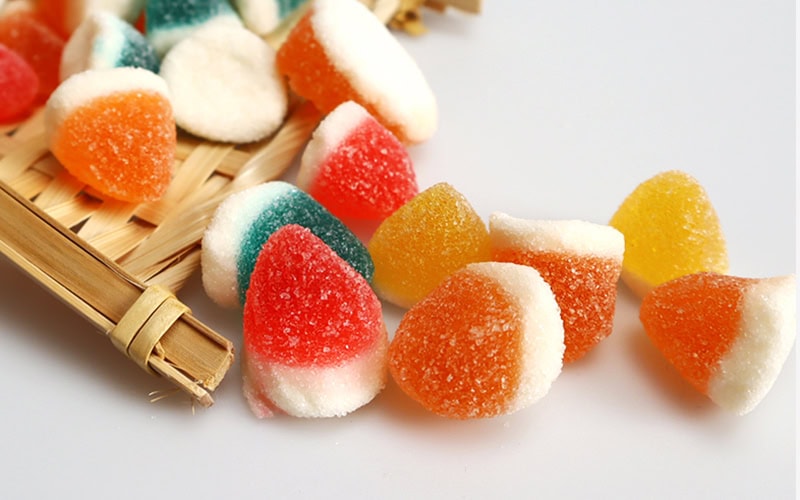
Gummy candy is a chewy confection built around a gel structure, mostly created with gelatin or another hydrocolloid. That gel is what gives gummies the distinctive bounce and elasticity to set them apart from hard candy, chocolate, or chews.
Common gelling agents include gelatin, pectin, and starch. Each produces a different result: gelatin creates a stretchy, springy gummy, while pectin- and starch-based systems tend to give a firmer bite. The choice of gelling agent is one of the most fundamental decisions in gummy formulation.
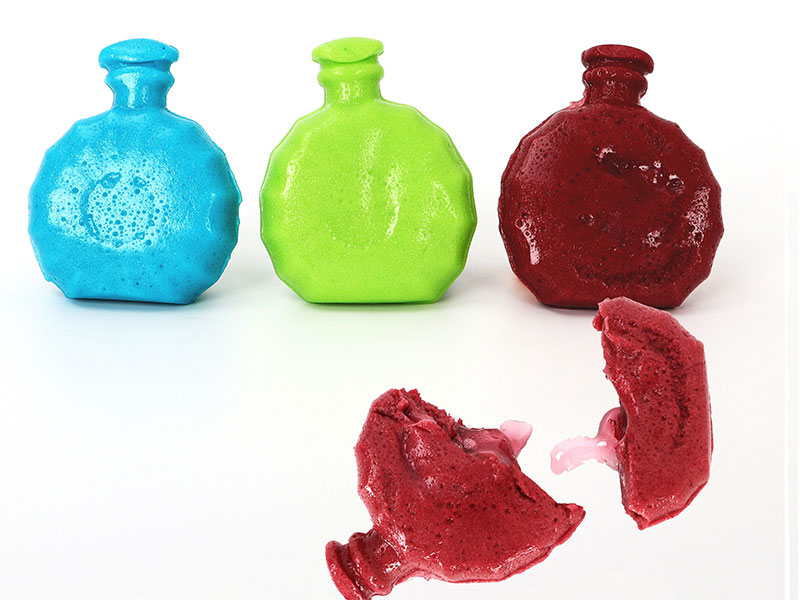
Gummies can come in a wide variety of shapes: bears, worms, rings, bottles, fruit slices, dinosaurs, filled gummies, sour gummies, and functional gummies. Shape is largely a design decision. What defines a gummy is its texture and gel structure, not its form.
What Is Gummy Candy Made Of?
Whether you are making gummies at home or producing them in a factory, the core ingredients follow the same logic. The main building blocks are –
- Gelling Agent: Gelatin is the most common, derived from animal collagen. Plant-based alternatives include pectin (from fruit), agar (from seaweed), and starch-based systems. The gelling agent creates the structure.
- Sweeteners: Sugar and glucose syrup are the traditional base. Corn syrup, fructose, or sugar-free alternatives such as maltitol or isomalt may also be used depending on the product target.
- Water: Water activates the gelling system and is partially driven off during cooking and drying to reach the right moisture level.
- Acidulants: Citric acid and malic acid are common choices. They balance sweetness, enhance fruit flavors, and give sour gummies their signature tang.
- Flavors and Colors: Natural or artificial flavors deliver the fruit or candy taste. Colors are added to match the visual expectation of each variety.
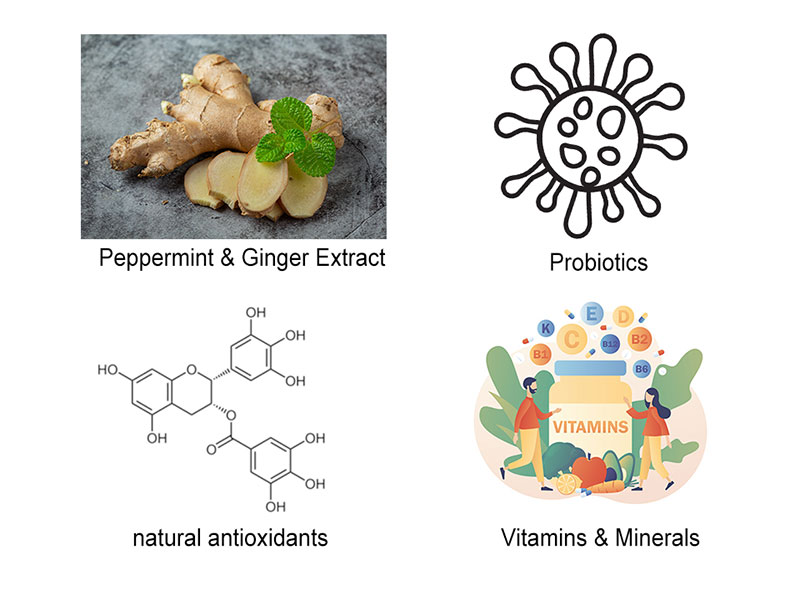
- Functional Ingredients (Optional): Vitamins, minerals, collagen, or other active ingredients may be incorporated in functional gummy formats.
At home, the simplest gummy recipe uses flavored gelatin (which already contains sugar, gelatin, and flavoring), plus unflavored gelatin for extra firmness, and water. Commercial gummies use the same principles but with much greater ingredient precision and consistency.
Why Do Gummies Have Different Textures?
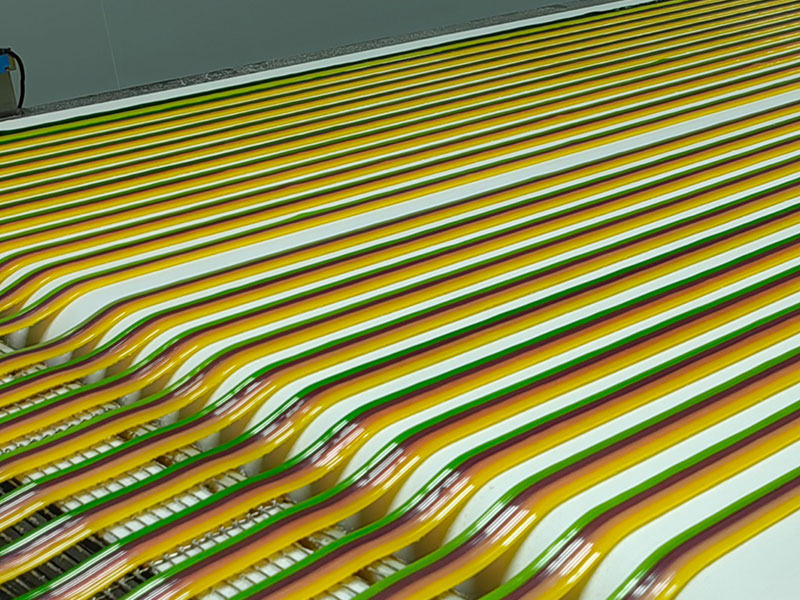
Not all gummies chew the same way. Texture variation comes from several interconnected factors –
- Gelling System: Gelatin produces a stretchy, elastic gummy that springs back quickly after biting. Pectin-based gummies tend to be firmer and cleaner-breaking. Starch-based gummies are often softer and slower to recover shape.
- Sweetener Ratio: The balance between sugar and glucose syrup affects both chewiness and crystallization. Too much sugar can cause graining; too much syrup can make gummies sticky.
- Water Activity and Moisture Content: The amount of moisture left in the final gummy directly affects texture and shelf stability. Higher moisture creates a softer gummy; lower moisture creates a firmer, more shelf-stable product.
- Cooking Temperature and Time: How long and how hot the mass is cooked affects solids concentration and texture.
- Drying and Conditioning: Commercial gummies are often dried in controlled environments over hours or days to reach the target moisture. It’s a critical step for consistent chew and shelf life.
Understanding the variables is exactly what separates a consistent commercial gummy from an inconsistent homemade batch. A manufacturer’s ability to control these parameters is what you are evaluating when you assess a supplier.
How to Make Gummy Candy at Home?
The homemade gummy process is straightforward. Here is the basic method used in most beginner recipes :
- Prepare your molds. Silicone bear or worm molds work best. Place them on a flat, stable tray before you start.
- Measure your liquid. Most simple recipes start with water or fruit juice as the base.
- Bloom the gelatin. Sprinkle unflavored gelatin over your cold liquid and let it sit for a few minutes to hydrate.
- Heat gently. Warm the mixture over low heat, stirring until the gelatin is fully dissolved. Do not boil.
- Add flavored gelatin (if using), color, and acid. Stir until fully combined.
- Fill molds. Use a dropper or small measuring cup for control. Work quickly before the mixture starts to set.
- Chill and set. Refrigerate for at least 30 minutes, or leave at room temperature if the recipe allows.
- Demold and optionally dry. For a firmer, less sticky gummy, leave the demolded pieces uncovered in the refrigerator for several hours or overnight.
The mentioned home method is useful for understanding the underlying principle. Still, it differs significantly from controlled commercial gummy production. Homemade gummies have shorter shelf life, less consistent texture, and no industrial finishing or packaging.

Homemade Gummies vs Commercial Gummies
The gap between a kitchen gummy and a commercial gummy is larger than most people expect. Take a look at the direct comparison across the factors that matter most for buyers and brands.
| Factor | Homemade | Commercial |
|---|---|---|
| Batch Size | Small kitchen batches | Thousands to millions of pieces per run |
| Ingredient Precision | Approximate measurements | Precise weights and controlled ratios |
| Texture Consistency | Varies batch to batch | Controlled by standardized formulas |
| Drying & Moisture | Limited or none | Controlled drying for shelf stability |
| Mold System | Silicone molds by hand | Industrial depositing machines |
| Shelf Life | Days to a few weeks | Months under proper storage |
| Packaging | None or home packaging | Retail pouches, jars, bulk cartons |
| Food Safety & Compliance | Home kitchen standards | GMP, HACCP, and relevant certifications |
Homemade gummies are about understanding the process and experimenting at small scale. Commercial gummies are about repeatability, texture control, shelf life, and scalable output that can serve retail, wholesale, or private label programs.
How Gummy Candy Is Made in a Factory?
Commercial gummy production follows a structured sequence. Each step is tightly controlled to ensure consistent results across large batches. Here is how the process works from formula to finished product.
1. Formula Development
Before anything is made, the formula is defined. This includes selecting the gelling system (gelatin, pectin, starch, or a plant-based alternative), setting the sweetener profile, defining target texture, chew, clarity, acidity level, and shelf-life goal.
Functional ingredients, flavors, and coating types are also determined at this stage. A strong formula is the foundation of every consistent batch.
2. Ingredient Weighing and Premixing
Dry ingredients such as gelling agents and sugars are weighed precisely. Syrups are measured separately. Flavor and color concentrates are prepared for controlled addition later in the process. Precision at this stage prevents texture variation downstream.
3. Cooking and Dissolving
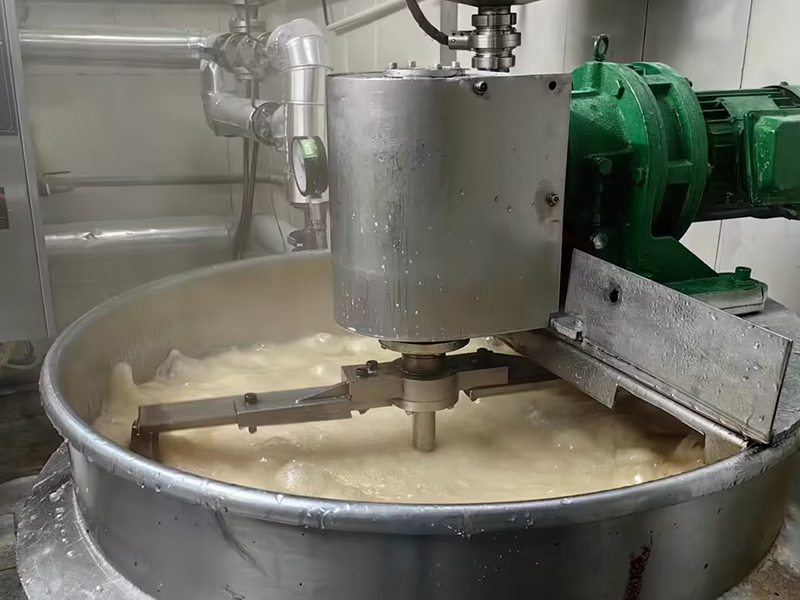
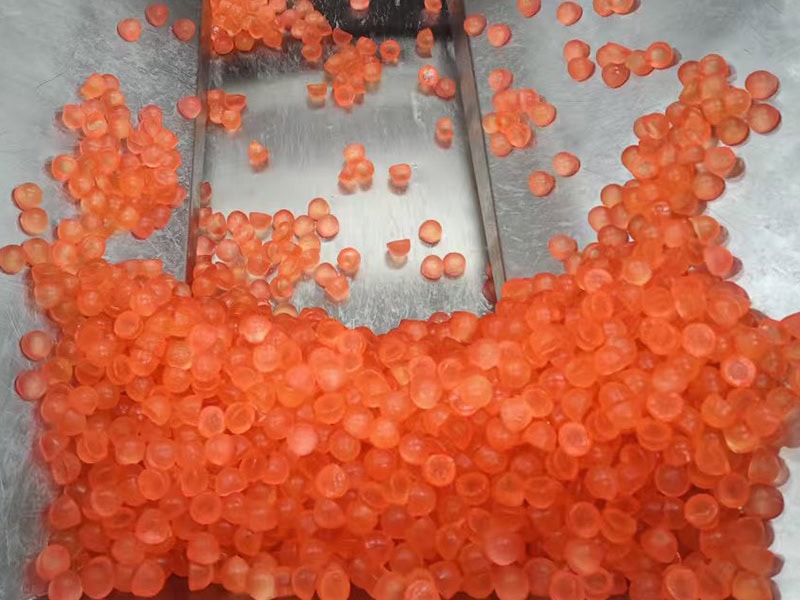
The gummy mass is cooked in industrial kettles or continuous cooking systems. Heat dissolves the gelling agents and sugar systems fully, and water is partially evaporated to reach the target solids content.
Temperature and viscosity are monitored throughout. Over- or under-cooking at this stage directly affects finished texture.
4. Depositing into Molds
The cooked gummy mass is deposited into molds using automated depositing machines. There are two main systems –
- Starch Mogul Systems: Molds are formed in trays of food-grade starch. The gummy mass is deposited into the starch cavities. This is the traditional commercial method.
- Starchless (Silicone or Metal) Mold Systems: Used in many modern lines. These eliminate starch and the de-powdering step, and they allow for greater shape detail.
Depositing machines fill each mold cavity with consistent weight and shape, enabling high-speed production with minimal variation.
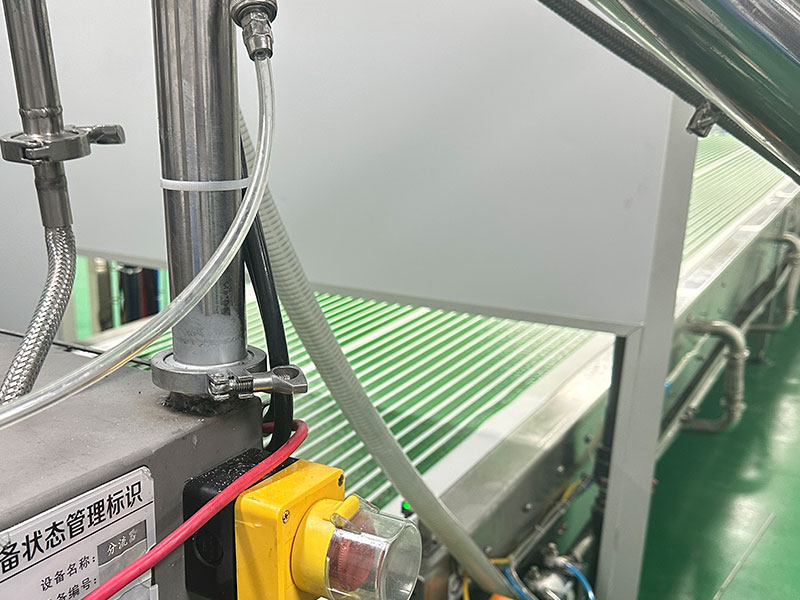
5. Cooling, Setting, and Drying
After depositing, the gummies need time to set and develop their final texture. In starch mogul systems, filled trays travel through a conditioning room at controlled temperature and humidity for several hours or longer.
The gummies firm up, moisture is reduced, and the gel structure stabilizes. The drying and conditioning step is critical as it determines final texture, stickiness, and shelf life. Skipping or rushing it leads to soft, unstable gummies.
6. Demolding and Finishing
Once set, gummies are removed from their molds. In starch mogul systems, excess starch is brushed away in a de-powdering system. The gummies then go through finishing, depending on the product specification –
- Oil Coating: A thin coat of vegetable oil gives gummies a glossy, non-sticky surface.
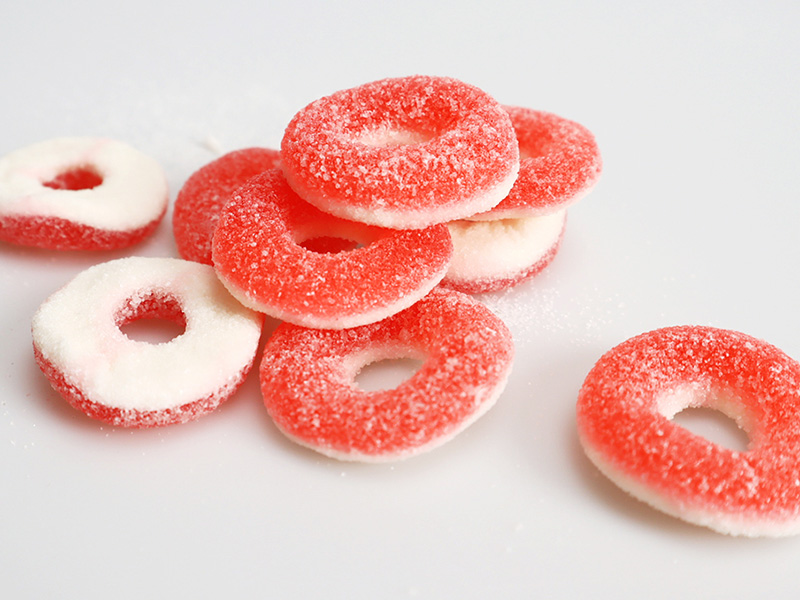
- Sugar Sanding: Gummies are coated in granulated sugar for a crunchy exterior.
- Sour Coating: A mixture of citric acid and sugar is applied for sour gummies.
- No Coating: Some formats are uncoated or receive a wax polish instead.
Visual inspection and sorting remove any misshapen or defective pieces before packaging.
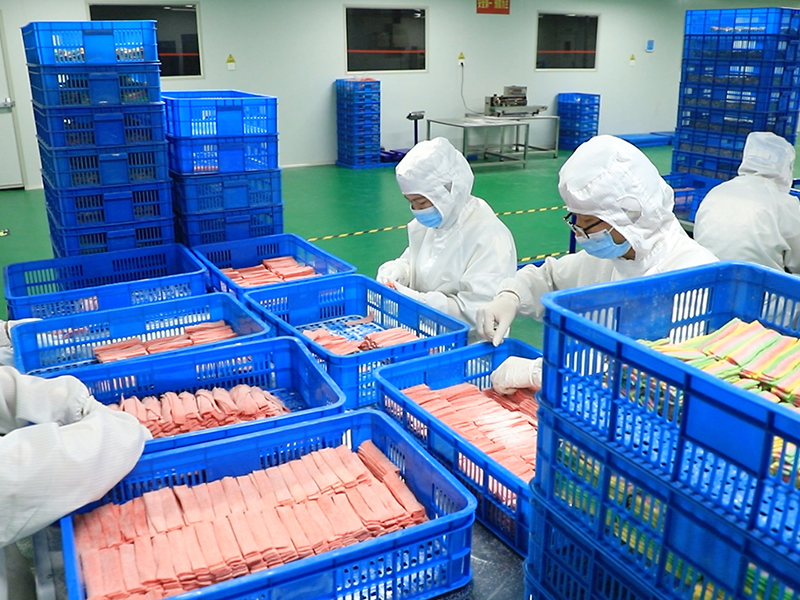
7. Packaging
Finished gummies are weighed and packaged in the specified format. Common packaging options include:
- Retail pouches (stand-up or flat seal)
- Resealable zipper bags
- Jars or tubs
- Mixed-variety packs
- Bulk cartons for wholesale and foodservice
- Private label and OEM packaging with custom branding
Packaging is the last step but not a secondary concern. The right packaging format protects shelf life, supports your retail positioning, and can be a significant differentiator in a competitive market.
Are Gummies Made with Gelatin, Pectin, or Something Else?
The gelling agent is one of the most important decisions in gummy production, both for texture and for the dietary or ethical positioning of the product. A breakdown of the main systems would be :
1. Gelatin Gummies
The classic commercial standard. Gelatin is derived from animal collagen, typically from pork or beef skin and bone. It produces a soft, stretchy, elastic gummy with excellent clarity and mouthfeel. Most traditional gummy bears and worms are gelatin-based.
2. Pectin Gummies
Pectin is extracted from fruit peel, making it suitable for plant-based and vegan products. Pectin gummies tend to be slightly firmer, with a cleaner break and a less springy texture than gelatin. They are increasingly popular as the market for vegan confectionery grows.
3. Starch-Based Gummies
Certain modified starch systems can create a gummy structure. Starch gummies are often softer and have a different mouthfeel compared to gelatin or pectin. They may be used in halal, kosher, or vegan formulations.
4. Agar-Based Gummies
Agar is a seaweed-derived gelling agent used in some specialty or Asian-market gummy products. It sets firmer than gelatin and can work well for specific textures.
5. Blended Systems
Some manufacturers use combinations of gelling agents, for example pectin with starch, to achieve a specific texture profile.
For buyers and brand owners, the gelling system defines what dietary claims and consumer segments the product can serve. A supplier capable of producing gummies in multiple gelling systems gives you more flexibility to target different market segments from a single manufacturing partner.
Are Gummy Candies Vegan?
Traditional gummy candies are typically not vegan. The most common gelling agent, gelatin, is derived from animal collagen found in the skin and bones of animals such as pigs or cattle. This makes most standard gummies unsuitable for vegan and vegetarian consumers.
Vegan gummies replace gelatin with plant-based alternatives such as pectin, agar, or modified starch. These products can carry vegan certification. Some manufacturers produce both gelatin and pectin gummy lines, allowing buyers to source conventional and vegan products.
It is worth noting that not all animal-derived gummies use the same gelatin source. Some are certified halal, some are kosher, and some are pork-free. If gelatin source matters for your target market, this should be confirmed with your manufacturer during product specification.
Are Gummy Candies Gluten Free?
The honest answer is: some are, and some are not.
Many gummy candies do not contain gluten-based ingredients by formula. However, cross-contamination during manufacturing is a real concern. Facilities that produce multiple products may expose gummies to gluten through shared equipment or production lines.
For consumers who need to avoid gluten due to celiac disease or a gluten sensitivity, the guidance from organizations such as the Celiac Disease Foundation is clear: always check the product label and, where possible, verify with the manufacturer directly.
For buyers and brand owners building a gluten-free product line, it is essential to ask the manufacturer about their facility practices, shared equipment policies, and whether they can provide gluten-free certification or relevant testing documentation.
How Long Do Gummy Candies Last?
Shelf life varies significantly depending on whether the gummies are homemade or commercially produced, and on storage conditions.
1. Homemade Gummies
Typically last a few days to a few weeks. Without commercial-grade drying, packaging, or preservative systems, moisture and microbial activity limit shelf life. Refrigeration extends this somewhat.
2. Commercial Gummies
Well-formulated and properly packaged commercial gummies generally have a shelf life in the range of 12 to 24 months under appropriate storage conditions. The exact figure depends on the formulation, moisture content, packaging type, and storage environment.
3. Key Shelf-Life Factors
Moisture content and water activity, packaging barrier properties (oxygen and moisture transmission), storage temperature and humidity, and whether antioxidants or other stabilizers are used.
So, does gummy candy expire? Yes. Like all food products, gummies have a best-by or expiration date. After that, texture may degrade, flavors may change, and even microbial spoilage is possible.
What Bulk Buyers Should Ask a Gummy Candy Manufacturer?
If you are sourcing gummy candy for wholesale, private label, or retail distribution, the manufacturing conversation goes beyond price and MOQ. Here are the key questions to evaluate a potential supplier:
- Can you produce gummies in gelatin, pectin, and plant-based systems? This determines whether you can serve conventional and vegan consumer segments from one supplier.
- Can you customize texture, flavor, shape, and color? Custom development capability is essential for private label and branded product programs.
- Can you support sugar-coated, oil-coated, and sour gummies? Different finishes appeal to different markets and consumers.
- What packaging formats are available? Confirm options for retail pouches, jars, bulk cartons, and custom-branded packaging.
- What shelf-life targets can you support? Understanding the manufacturer’s standard shelf life and what drives it helps you align with your distribution requirements.
- What certifications and quality controls are in place? Look for GMP, HACCP, halal, kosher, or other relevant compliance documentation depending on your target market.
- What is the MOQ, and can mixed loading be supported? Mixed loading (combining multiple SKUs in one container) can significantly improve economics for smaller or multi-SKU buyers.
- What is the lead time, and how do you handle production and logistics issues? Suppliers with export experience and contingency planning are lower risk for buyers.
Commercial Formats and Customization Options
One of the advantages of working with an experienced gummy manufacturer is access to a wide range of product formats and customization options. Common commercial gummy formats include –
- Gummy rings
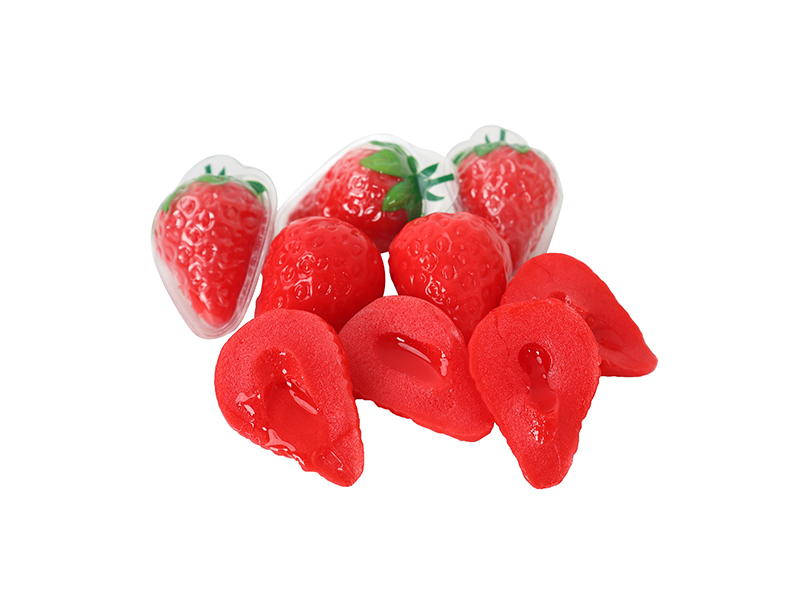
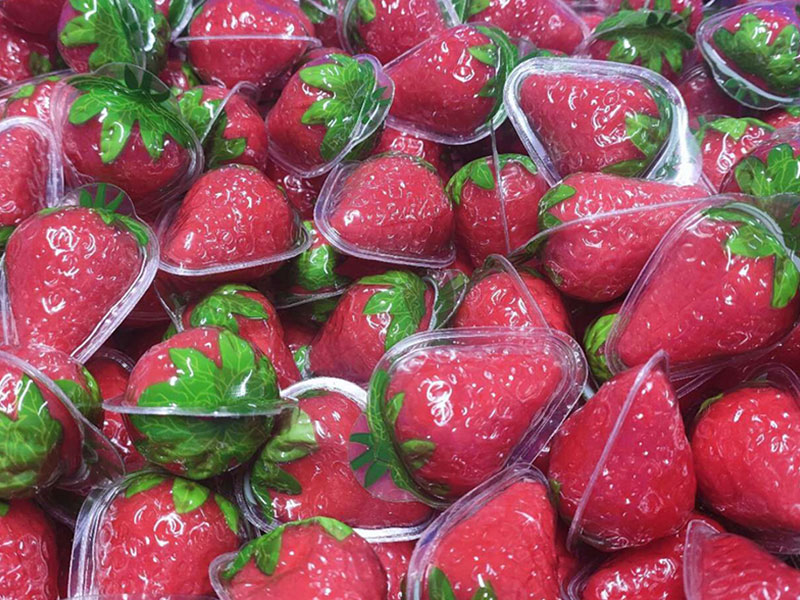
- Fruit-shaped gummies (oranges, strawberries, watermelons, etc.)
- Center-filled gummies with liquid or soft cores
- Sour gummies with acid coating
- Vegan gummies (pectin or agar base)
- Sugar-free gummies
- Functional gummies (vitamins, collagen, etc.)
- Seasonal and novelty shapes
- Private label pouches, jars, and display boxes
- Bulk cartons for foodservice and redistribution
The right partner should be able to support your shape, formula, coating, and packaging requirements, and ideally help you develop new formats to fit emerging market opportunities.
Frequently Asked Questions
1. What is gummy candy made of?
Gummy candy is made from a gelling agent (most commonly gelatin), sweeteners, water, acidulants such as citric acid, and flavor and color systems. Optional functional ingredients may also be included.
2. How do you make gummy candy at home?
Basic homemade gummies are made by dissolving flavored-unflavored gelatin in warm water, adding color and flavoring, pouring the mixture into silicone molds, and refrigerating until set.
3. How are gummy candies made in factories?
Commercial gummy production follows seven main steps: formula development, ingredient weighing and premixing, cooking and dissolving, depositing into molds, cooling and drying in conditioning rooms, demolding and finishing, and packaging in retail or bulk formats.
4. Are gummy candies vegan?
Traditional gummies are not vegan because they contain gelatin, an animal-derived ingredient. Vegan gummies are made with plant-based alternatives such as pectin or agar.
5. Are gummy candies gluten free?
Many gummy formulas don’t include gluten-containing ingredients, but cross-contamination in shared facilities is a real risk. Consumers with celiac disease should always check the product label.
6. Are gummy candies made from animals?
Standard gummies made with gelatin are animal-derived. Gelatin comes from the collagen in animal skin and bone, most commonly from pigs or cattle. Gummies made with pectin, agar, or starch-based systems do not use animal-derived gelling agents.
7. How long does gummy candy last?
Commercial gummies can last 12 to 24 months under proper storage conditions. Homemade gummies last days to a few weeks. All gummies have an expiration or best-by date, after which texture and flavor quality may decline.
Conclusion
Homemade gummies help you understand the basics, but commercial gummy production involves much more than a simple recipe. The gelling system, ingredient ratios, cooking controls, depositing accuracy, drying time, coating, shelf-life management, and packaging all shape the final product that reaches the consumer.
For wholesalers, importers, retailers, and brand owners, understanding how gummy candy is made gives you a clearer framework for evaluating suppliers. A manufacturer that controls every step is better positioned to deliver consistent quality, meet your shelf-life requirements, and support your product development goals.
Ready to Source or Develop Your Own Gummy Line?
MPS, a professional gummy candy manufacturer, holds 20+ years of experience with 6 dedicated facilities. Explore our gummy candy capabilities across gelatin, pectin, and plant-based systems. Get in touch for bulk gummy supply, packaging customization, and mixed container options.
We are MPS Candy, a China-based candy manufacturer specializing in OEM and ODM candy production for global brands, importers, distributors, wholesalers, and retail channels.