When people hear “blind box,” they usually think of packaging. But blind box peelable gummies flip the idea: the candy itself is the blind box.
You unwrap the candy, peel the outer gummy layer… and only then do you find out what’s inside—maybe a small fruit shape, a cute character, a seasonal icon, or a surprise color. It’s part snack, part mini game, and part “I need to show my friend what I got.”
That’s exactly why this format is getting traction: it combines interactive eating with random surprise, creating repeat purchase behavior that ordinary gummies struggle to achieve.
For retailers and brands, the appeal is simple: it’s a high-engagement novelty gummy that performs well in short videos, giftable assortments, and “collectible” series programs. For importers and distributors, it’s a format you can refresh quickly—new inner shapes, new themes, new series—without rebuilding an entire product line.
What Are Blind Box Peelable Gummies?
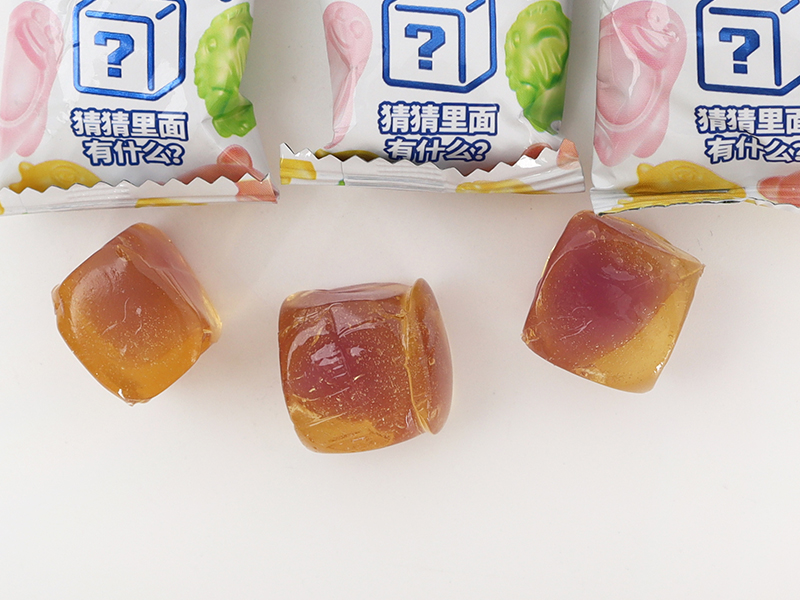
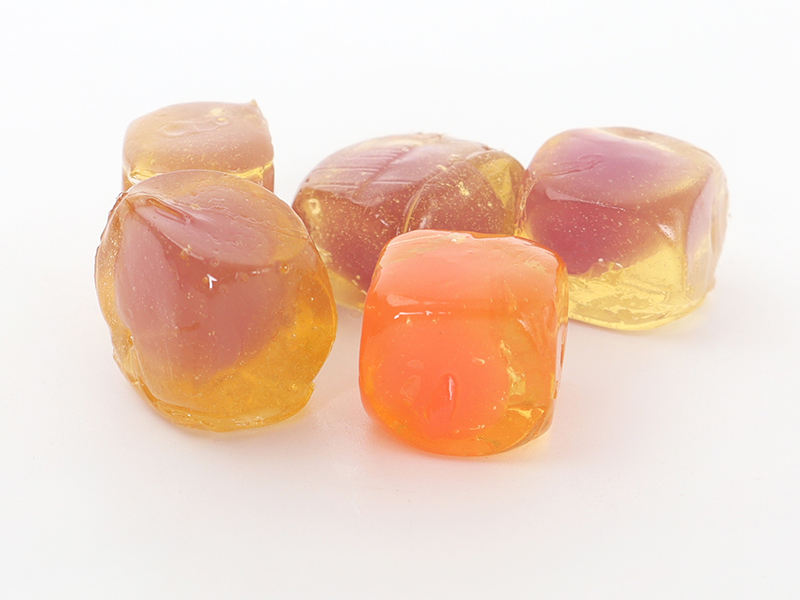
Blind box peelable gummies are layered gummies with a peelable outer shell and a hidden inner gummy shape. The “blind box” part is the surprise: consumers don’t know which inner design they’ll get until they peel it open.
Unlike regular peelable gummies—where the inside is usually predictable—this version is built around uncertainty:
- Outer layer = peelable “skin”
- Inner gummy = random design (shape/color/flavor depending on the program)
It’s a small twist, but commercially it’s a big difference: predictable products are purchased once; surprise products are purchased until consumers “get the set.”
Why This Format Works So Well
Blind box peelable gummies sell for the same reason blind box toys sell: people want the reveal.
1. The reveal is content
Peeling creates a built-in “watch me” moment. It’s satisfying, visual, and easy to demonstrate in a 5–10 second clip. That’s social-media-friendly by design.
2. The randomness drives repeat buys
In many programs, the inner gummies are part of a series—different fruits, different characters, different “rare” colors. Consumers buy again because the next one might be different.
3. It feels more premium than it costs
Layered texture + interactive peel + surprise inside makes the candy feel “engineered” and special, which supports stronger perceived value and better shelf performance.
How the “Candy Blind Box” Reveal Works
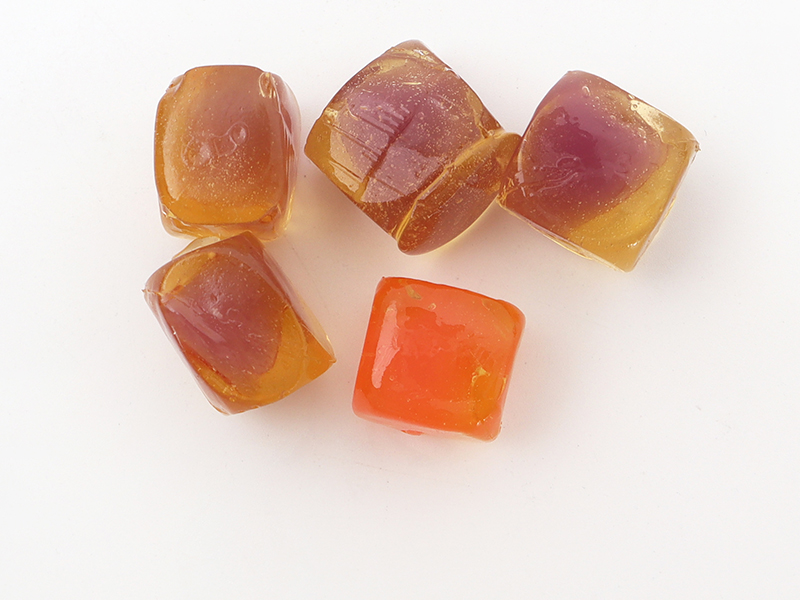
The appeal of this concept lies in the reveal. The peelable outer layer is carefully formulated to separate smoothly and cleanly, creating a satisfying hands-on experience without tearing apart the entire candy. At the same time, the inner gummy is designed with enough firmness to hold its shape and enough detail to become instantly recognizable once uncovered. This combination turns a simple candy into a small interactive moment.
For consumers, the experience usually unfolds step by step:
Unwrap the candy and discover the smooth outer layer.
Peel back the gummy “skin,” adding a tactile and playful element.
Reveal the hidden inner shape, creating a small surprise moment.
Enjoy the candy layer by layer, or combine both textures in one bite.
What makes this format special is that it delivers more than just sweetness. It adds curiosity, interaction, texture contrast, and visual surprise—all in one piece. Instead of offering a single eating moment like most candies, it creates multiple stages of engagement from start to finish.
That is why the “candy blind box” concept feels so fresh in the confectionery market. It transforms the product from ordinary candy into a more memorable, shareable, and experience-driven treat.
Blind Box Peelable Gummies vs Regular Peelable Gummies
Here’s the simplest comparison, from a buyer’s perspective:
| Feature | Regular Peelable Gummies | Blind Box Peelable Gummies |
|---|---|---|
| Inside design | Usually fixed / predictable | Random inner shape (“blind reveal”) |
| Repeat purchase | Moderate | High (collectible behavior) |
| Content potential | Good | Excellent (reveal + surprise) |
| Best channels | general candy | trend retail, gift, e-commerce, seasonal |
This is why the format is attractive for novelty candy distributors, e-commerce sellers, and seasonal programs.
What Can the “Hidden Shape” Be?
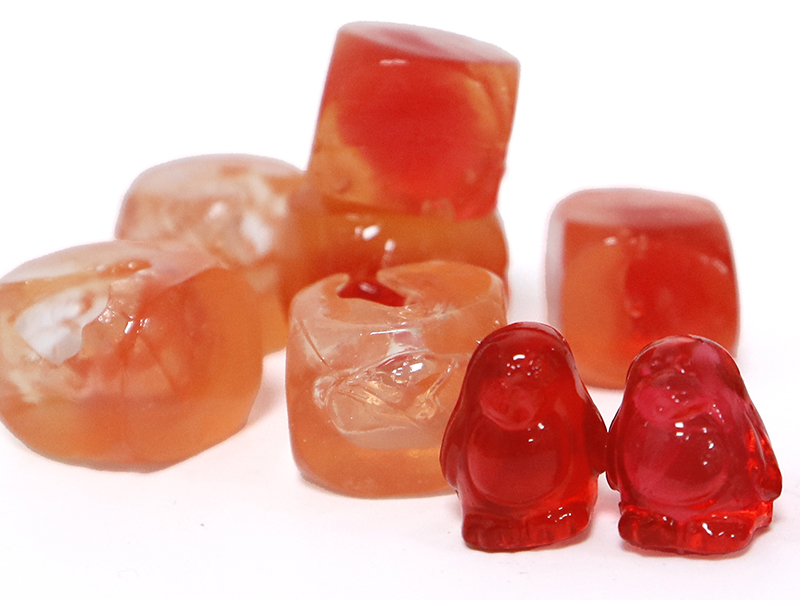
This is where the product becomes a platform. The inner gummy can be designed as a rotating series:
- fruit icons (mango, grape, strawberry, pineapple)
- seasonal series (Halloween, Christmas, Easter)
- cute characters or simple mascots
- letters, symbols, mini “mystery” shapes
- “rare” variants (special color/shape hidden in a small percentage of production)
From a B2B view, the best-selling programs usually balance:
- high clarity (easy to recognize instantly)
- simple shapes (stable production)
- series logic (collectibility)
Flavors and Color Strategy
Even when the concept is wild, the flavor strategy typically stays familiar. Why? Because repeat purchase needs comfort.
Most programs use fruit-forward profiles:
- strawberry / mixed berry
- apple
- mango / tropical
- grape
- “sour version” line for extra punch
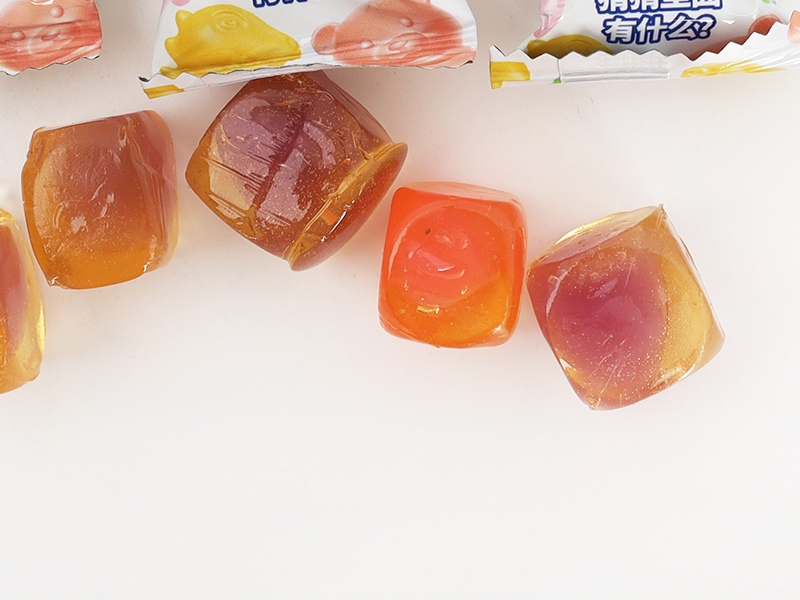
Color is not just decoration here—it’s part of the reveal. Color can be used to:
- hint at flavor
- create “rare” variants
- create themed series packs
When the inner shape and inner color are variable, you’ve basically built an edible collectible system.
Are Blind Box Peelable Gummies Safe?
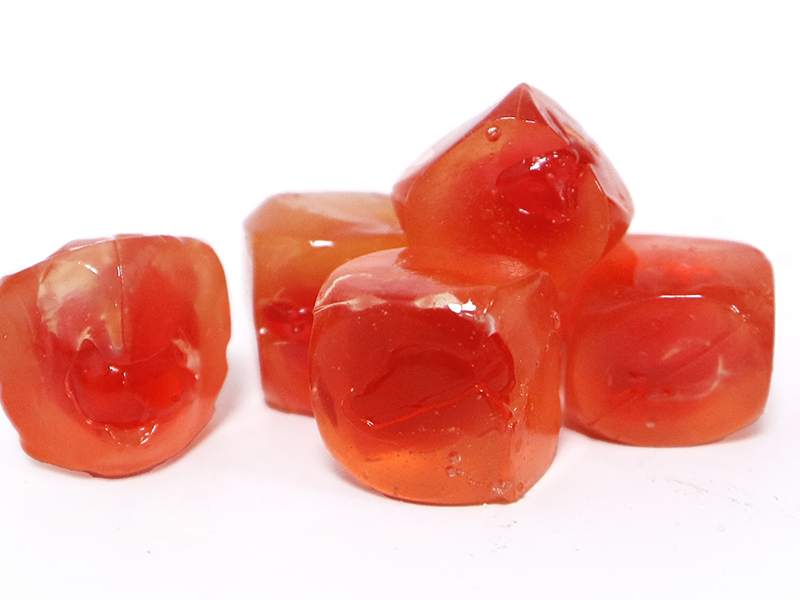
This question comes up often because the format looks more complex than a standard gummy. But in practice, the safety question is not really about the “blind box” concept itself.
It is about whether the product is made with conventional food ingredients, under hygienic manufacturing conditions, with proper moisture control, and with packaging and labeling that match the target market.
Peelable gummy is judged by the same food-safety principles as any other confectionery product.
For B2B buyers, this is why manufacturer capability matters more than novelty. A reliable supplier should be able to control texture consistency, validate moisture performance, maintain hygienic production conditions, and provide packaging that protects the peel effect throughout shipping and shelf life.
How These Gummies Are Made
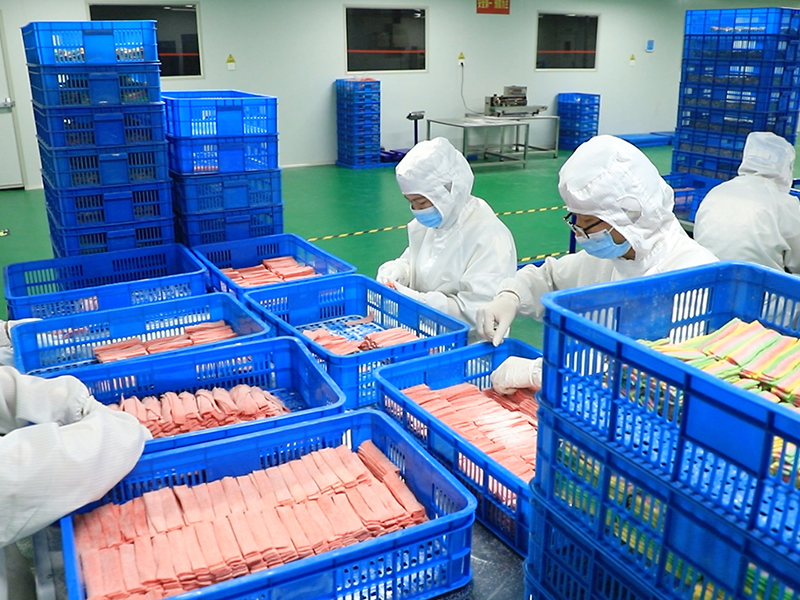
Publicly available information suggests that peelable gummies are typically made through a multi-step layered molding process rather than a standard liquid-center method.
In simple terms, manufacturers prepare two gummy masses with different texture targets: an outer layer designed to feel more like a peelable “skin,” and an inner layer designed to stay softer and more elastic.
Each layer is formed separately, allowed to set to the right degree, and then combined in sequence. The technical challenge is not just making two layers, but controlling their adhesion so they stay together during packing and transport while still peeling apart cleanly during consumption.
Why Retailers Like This Product
Retailers are not simply looking for trendy candy—they are looking for products that can attract attention, create trial, and support repeat sales. That is where blind box peelable gummies stand out.
First, the format offers strong shelf visibility. Its playful concept, layered structure, and surprise-reveal experience make it more visually distinctive than standard gummy products, helping it stand out in crowded candy assortments.
Second, it supports higher consumer engagement. This is not a one-step eating experience. The unwrap, peel, reveal, and eat sequence gives shoppers something interactive, which increases curiosity, word-of-mouth appeal, and social sharing potential—especially in novelty and youth-focused channels.
Third, the format can encourage repeat purchase behavior. When offered as part of a series with different inner shapes, characters, or flavors, it creates a collectible element that can motivate consumers to buy again rather than treat it as a one-time novelty purchase.
From a retail perspective, it is also a flexible product to merchandise. It can work as a single hero SKU, a multi-item character series, or part of a broader novelty candy lineup. This gives buyers more freedom to match the product to different shelf strategies and price points.
Blind box peelable gummies can perform well across multiple retail channels, including:
convenience and impulse locations
e-commerce “viral candy” selections
seasonal or holiday gift packs
novelty candy displays in supermarkets, variety stores, and specialty shops
In short, retailers like this product because it combines visual differentiation, interactive appeal, and repeat-sale potential—three things that matter far more than novelty alone.
Customization Options for Brands
This is where the product becomes very B2B-friendly: you can build a program, not just a SKU.
| Customization Area | What You Can Customize | Why It Helps Sales |
|---|---|---|
| Inner shapes | fruit/seasonal/icons/characters | creates collectible series |
| Reveal logic | random mix / “rare” variants | increases repeat buys |
| Flavors | fruit mix, sour line, themed flavors | expands audience |
| Colors | themed palettes, limited editions | stronger display + seasons |
| Packaging | individual wrap, pouch, display box | fits your retail channel |
If you want to “own” a market, the strongest strategy is exclusive inner shapes + series rotation (new set every season).
Bulk & OEM: What Buyers Typically Plan For
For importers, distributors, and private-label brands, blind box peelable gummies usually perform best when they are planned not as a one-off novelty item, but as a structured product program. The key is to balance trend appeal with commercial continuity.
The next step is a refresh series—new shapes, new reveals, or updated flavor combinations introduced to keep the product interesting and maintain consumer attention.
That is why experienced buyers usually plan this format with both product development timing and channel launch timing in mind. A well-timed program can turn a novelty item into a repeat business opportunity, while a poorly timed launch can cause even a strong product concept to underperform.
About MPS Candy
MPS Candy is a China-based confectionery manufacturer focused on innovative gummy formats and export-ready OEM/private label programs. For interactive gummies, we support buyers with:
- layered texture development for peelable formats
- inner-shape series design support
- flavor and color customization
- packaging options aligned to retail channels (wraps, pouches, display-ready cartons)
- stable bulk supply planning for seasonal and trend programs
If you’re looking for a reliable confectionery manufacturer for a long-term partnership, we’d love to discuss your project with you. From product development and private label support to mass production and export, our team is ready to help you build a stable and scalable confectionery business. Contact us to learn how we can help your business grow.
FAQ
1. What are blind box peelable gummies?
They’re peelable layered gummies where the inner shape is random—so you discover the design only after peeling the outer layer.
2. How do peelable gummies work?
They use two textures with controlled adhesion so the outer layer can separate cleanly from the inner gummy.
3. Are peelable gummies safe?
Yes, when produced under compliant food safety standards using food-grade ingredients and proper moisture/packaging control.
4. Can the inner shape be customized?
Yes. Inner shapes, series themes, flavors, and colors can be customized for private label and OEM programs.
Conclusion
Blind box peelable gummies are trending because the candy itself creates an experience: peel → reveal → surprise → share. The outer layer gives interaction, the inner design gives collectibility, and together they create the kind of novelty product that performs in both retail shelves and short-video culture.
If your goal is to add a trend-forward SKU that encourages repeat purchases, this is one of the most flexible formats to build—especially when paired with seasonal series and custom inner shapes.
We are MPS Candy, a China-based candy manufacturer specializing in OEM and ODM candy production for global brands, importers, distributors, wholesalers, and retail channels.