Few candies surprise people the way popping candy does. The moment it touches your tongue, it crackles, snaps, and seems to “explode” in your mouth. For decades, children have laughed at the sensation, and adults have wondered: how does popping candy work? What makes pop rocks pop? Is it dangerous? And how is it actually made?
Behind the playful sound effects lies a surprisingly elegant piece of food science. Understanding it not only satisfies curiosity but also explains why popping candy remains one of the most successful novelty confectionery formats worldwide.
What Is Popping Candy?
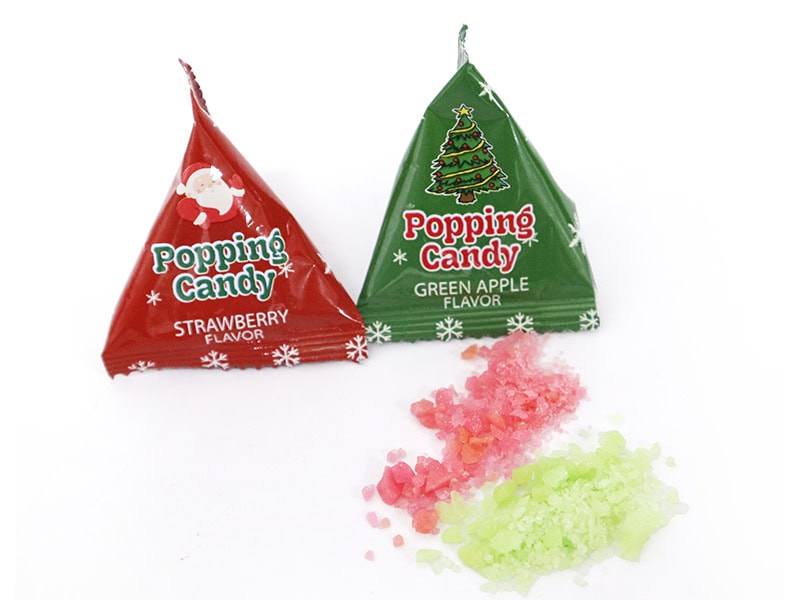
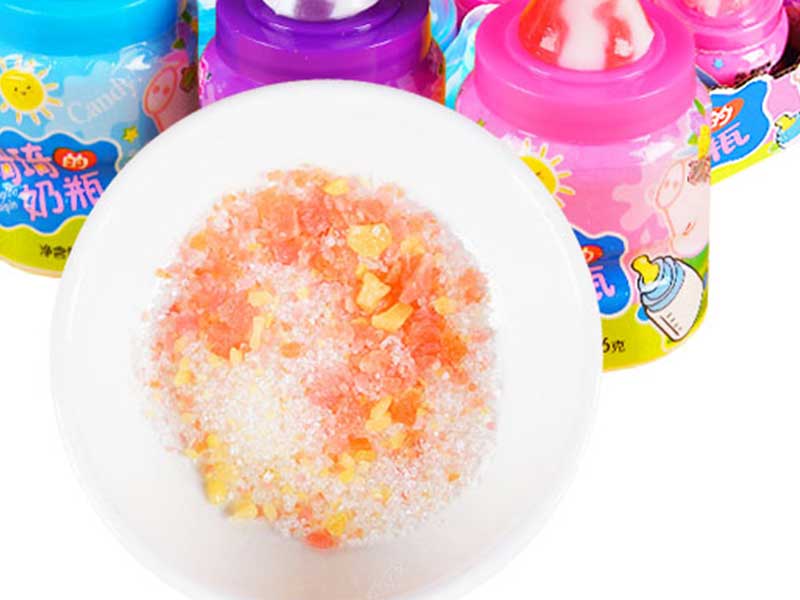
Popping candy—sometimes called exploding candy, crackling candy, or poppin candy—is a type of hard sugar confection that contains tiny bubbles of pressurized carbon dioxide gas trapped inside.
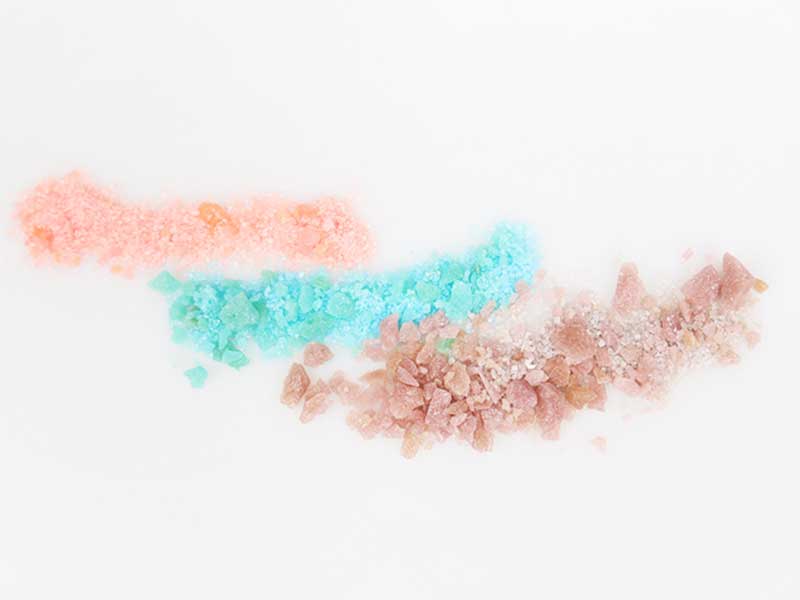
At first glance, it looks like colored sugar crystals. But structurally, it is very different from regular hard candy. Instead of being a smooth solid, it is a fragile matrix of sugar with microscopic pockets of compressed gas inside.
When that structure breaks down in your mouth, the gas escapes rapidly—creating the characteristic popping sound and vibration.
The sensation feels dramatic, but the science behind it is straightforward.
How Does Popping Candy Work?
Popping candy works by trapping carbon dioxide gas inside hardened sugar under high pressure during the manufacturing process. Tiny gas bubbles are sealed within the candy structure as the sugar cools and solidifies.
When the candy is placed in your mouth, moisture and saliva begin to dissolve the sugar shell. As the structure breaks down, the trapped carbon dioxide is suddenly released, creating small popping sounds and a crackling sensation on the tongue.
This unique effect is what makes popping candy so fun and memorable for consumers, especially in novelty confectionery products.
What Makes Popping Candy Pop?
The key is carbon dioxide under pressure.
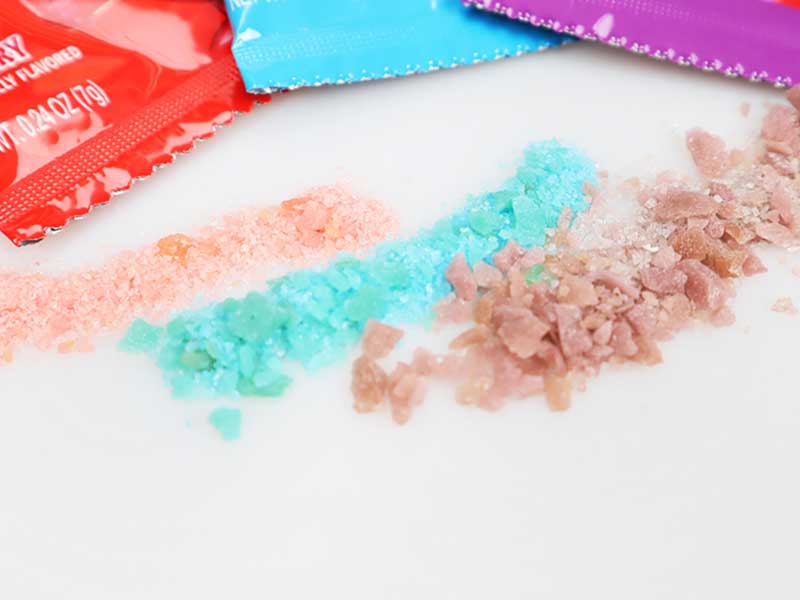
During manufacturing, a liquid sugar mixture is exposed to high-pressure carbon dioxide gas—often at pressures several times higher than atmospheric pressure. Under these conditions, gas dissolves into the sugar mass.
When the mixture cools and hardens, the gas becomes trapped inside tiny bubbles within the solidified sugar structure.
Think of it like this:
- Imagine inflating thousands of microscopic balloons inside molten sugar.
- Then freeze everything instantly.
- Those balloons remain trapped—until the sugar dissolves.
When saliva begins dissolving the candy in your mouth, the rigid sugar walls break apart. The trapped gas escapes rapidly, creating sound waves and tiny vibrations. That release of pressure is what you experience as “popping.”
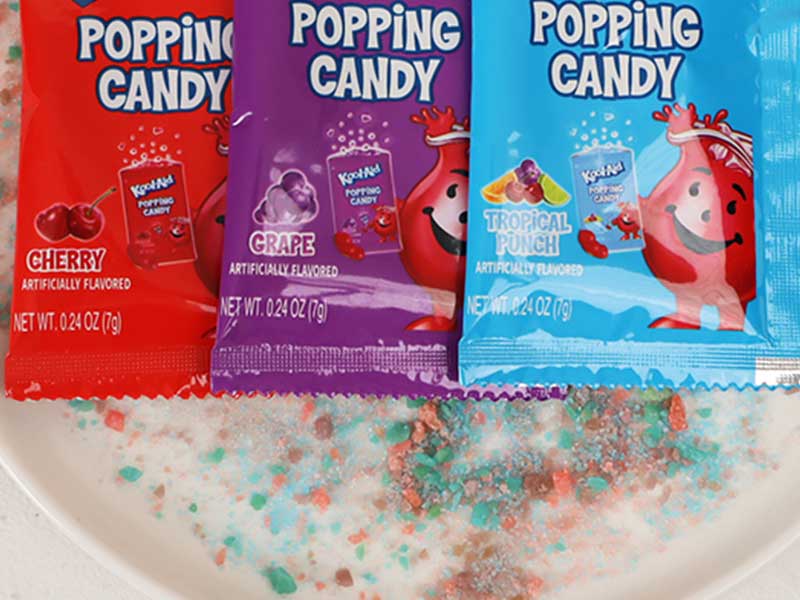
Why Do Pop Rocks Pop in Your Mouth?
The popping happens because your mouth provides two essential triggers:
- Moisture – Saliva dissolves sugar.
- Warmth – Body temperature softens the structure.
As the sugar dissolves, the gas bubbles suddenly lose their structural containment. Each tiny bubble bursts individually, producing a rapid series of micro-pops.
Because your mouth is a closed cavity, the sound seems amplified. The vibration travels through your jawbone and ear canal, which makes the popping feel louder than it actually is.
This is why popping candy sounds dramatic—but doesn’t actually “explode.”

A Brief History of Popping Candy
Popping candy was first developed in the 1950s by General Foods chemist William A. Mitchell, who was reportedly trying to create an instant carbonated drink rather than a candy product.
By the mid-1970s, popping candy reached the market and quickly stood out because it offered something few confectionery products could deliver at the time: not just sweetness, but also sound, movement, and surprise.
Over time, popping candy returned to the market and continued influencing new product development. Today, it is used not only as a standalone candy, but also in chocolate, desserts, bakery toppings, and other novelty confectionery applications.
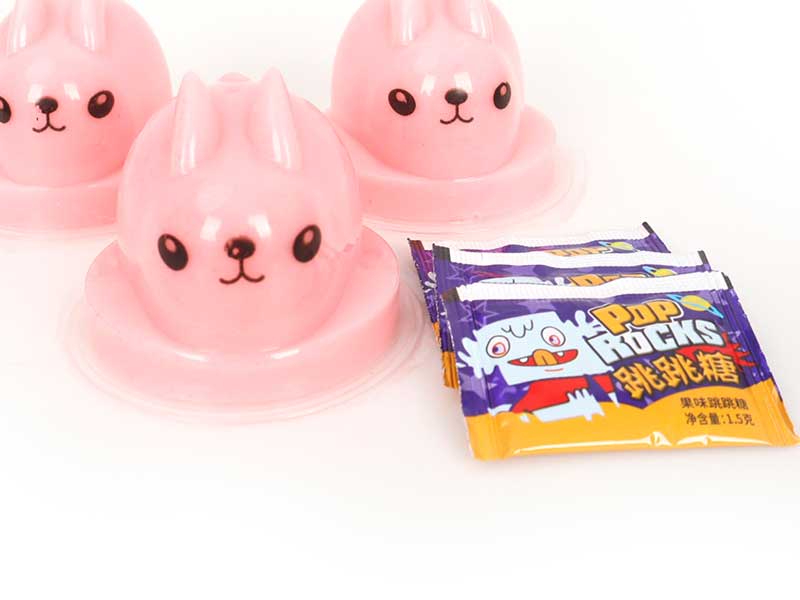
What Is Popping Candy Made Of?
Despite its dramatic behavior, the ingredient list is simple. Most popping candy contains:
- Sugar
- Lactose (milk sugar)
- Corn syrup
- Flavorings
- Colorings
- Carbon dioxide (trapped gas)
Here is a simplified comparison between popping candy and traditional hard candy:
| Feature | Popping Candy | Regular Hard Candy |
|---|---|---|
| Contains trapped gas | Yes | No |
| Texture | Crackling & active | Smooth & static |
| Sensory experience | Sound + vibration | Sweetness only |
| Structure | Porous sugar matrix | Solid sugar mass |
The core ingredients are similar. What makes the difference is the pressurization process.
How Is Popping Candy Made?
Although exact industrial methods vary, the basic manufacturing process follows several stages:
- Sugar Heating
Sugar, corn syrup, and lactose are heated to create a molten syrup. - Gas Injection Under Pressure
Carbon dioxide gas is introduced into the molten sugar under high pressure—often around 600 psi or higher. - Rapid Cooling
The mixture is cooled quickly while still under pressure. This traps gas inside the solidifying candy. - Pressure Release & Fragmentation
Once cooled, the large solid mass is shattered into small pieces. Each piece contains thousands of trapped gas bubbles.
The result is candy that looks like small crystals but behaves like a tiny carbonation system when dissolved.
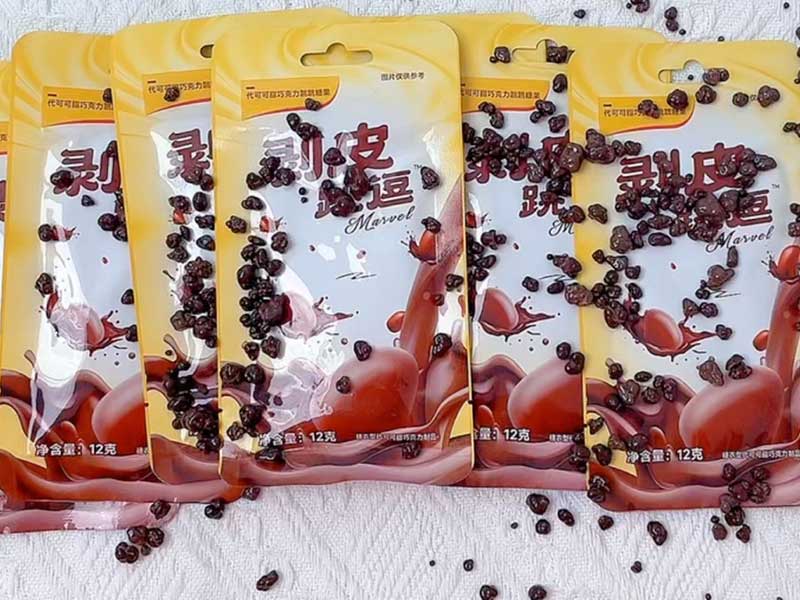
Is Popping Candy Dangerous?
This question has circulated for decades, fueled by an old urban legend claiming that mixing pop rocks with soda could cause stomach explosions.
Scientifically, this is not true.
The amount of carbon dioxide in popping candy is small. It is comparable to the gas found in a few sips of carbonated beverage. Once swallowed, any remaining gas is released gradually in the digestive tract—just like soda.
Popping candy is safe when consumed in normal quantities and produced under regulated food safety standards.
For parents and retailers, safety compliance and proper labeling are important considerations—but the candy itself is not inherently dangerous.
Why Is Popping Candy So Loud?
The “loudness” of popping candy comes from three main factors working together. First, bubble size matters. Larger gas bubbles trapped inside the candy create sharper, more noticeable pops when the sugar dissolves. Smaller bubbles still crackle, but bigger ones usually produce a stronger sound and sensation.
Second, pressure level affects how forcefully the gas is released. Popping candy is made by trapping carbon dioxide inside hardened sugar under high pressure. When the candy melts in your mouth, that pressure is released quickly. The higher the pressure, the stronger the burst, making the popping effect feel louder.
Third, acoustic amplification inside the mouth makes the effect seem even bigger. Your mouth, jaw, and skull help carry and amplify the tiny vibrations caused by each bubble bursting. Because of this, the sound feels stronger inside your head than it would in open air.
This is why popping candy feels surprisingly explosive, even though each individual pop is microscopically small. The combination of trapped gas, pressure release, and internal sound amplification creates the signature crackling effect that makes popping candy so memorable.

Popping Candy in Chocolate: How Does That Work?
One of the most interesting applications today is popping candy in chocolate.
This requires careful formulation. Chocolate contains fat and minimal moisture. Popping candy only activates when exposed to water.
When embedded in chocolate:
- The candy remains inactive while dry.
- Once eaten, saliva penetrates through the chocolate layer.
- The sugar shell dissolves.
- The popping effect activates.
Moisture control is critical in these products. If exposed to humidity during production, the candy will lose its popping ability prematurely.
For chocolate manufacturers and product developers, understanding this moisture sensitivity is essential when designing novelty bars or coated confections.
Why Popping Candy Remains Popular
Popping candy has endured because it delivers more than sweetness. It offers:
- Surprise
- Sound
- Tactile stimulation
- Playfulness
In an era where consumers seek “experience-driven snacks,” popping candy fits perfectly into the novelty confectionery space.
It is also versatile:
- Used in chocolate bars
- Mixed into gummies
- Added to lollipops
- Packaged as standalone crackling sweets
For product developers and private-label brands, it creates differentiation without complex ingredient systems.

Manufacturing Considerations for Brands
For B2B buyers—including importers, distributors, and confectionery brands—popping candy sourcing requires attention to several technical and commercial factors. Key considerations include stable gas retention, controlled particle size, moisture-resistant packaging, flavor customization, color consistency, and regulatory compliance.
Among these, gas retention is critical because it directly affects the popping performance of the final product. If the internal gas level is not well maintained, the candy may lose its signature crackling effect during storage or transit. Particle size control is also important, as it influences product texture, dosage consistency, and overall consumer experience.
In addition, popping candy is highly sensitive to humidity, which makes packaging performance especially important. Effective moisture-barrier materials help preserve product stability throughout shipping, warehousing, and retail display. For private-label projects, flavor accuracy and color consistency are equally essential to ensure repeat-order reliability and brand alignment.
Finally, brands must evaluate whether the supplier can meet relevant food safety and regulatory standards, including labeling requirements, ingredient compliance, and market-specific packaging rules.
A Note on Global Production
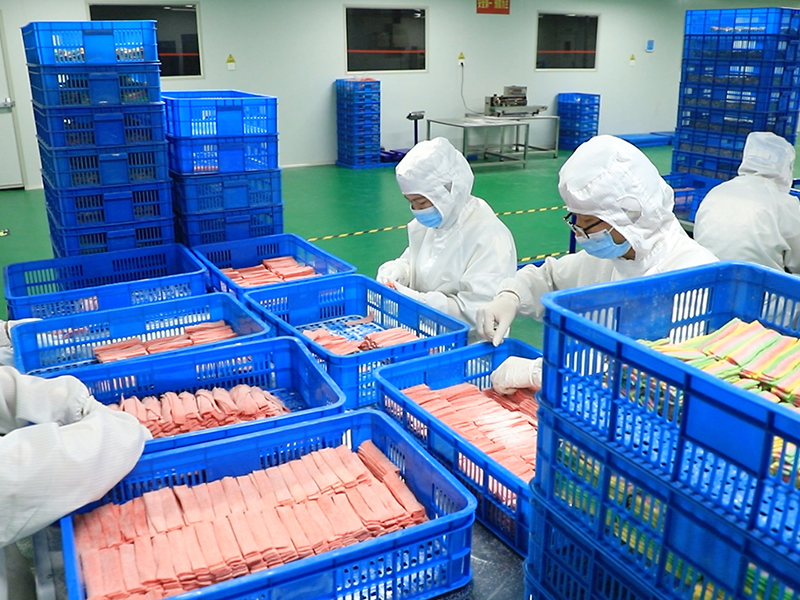
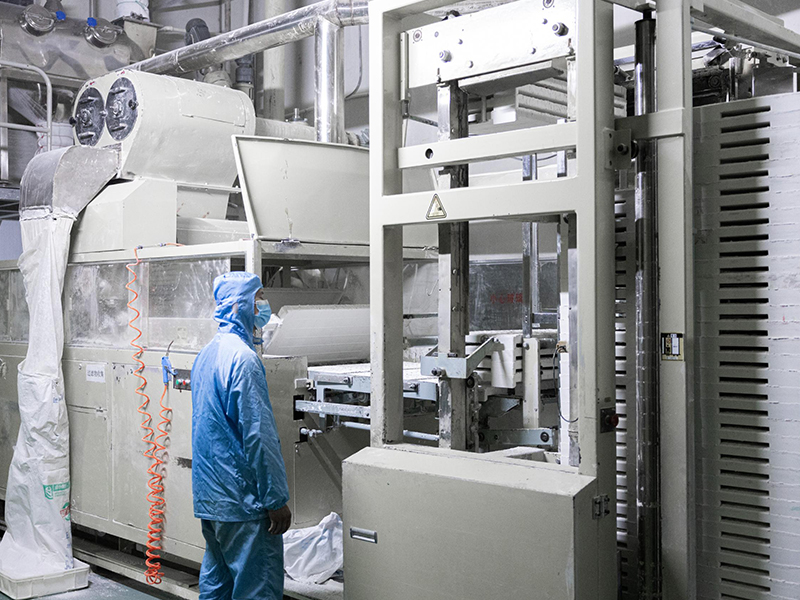
Today, popping candy is manufactured by specialized confectionery producers capable of handling high-pressure sugar systems.
As a Chinese candy manufacturer, MPS Candy has long focused on innovative confectionery formats—including novelty sugar products and customized candy solutions for global markets. With experience in OEM and private-label programs, we understand both the science behind products like popping candy and the commercial realities of exporting stable, compliant confectionery worldwide.
From formulation development to export-ready packaging, successful popping candy production requires technical precision and manufacturing discipline.

Frequently Asked Questions
1. How does popping candy work?
It works by trapping carbon dioxide gas under high pressure inside hardened sugar. When dissolved, the gas escapes and creates popping sounds.
2. What makes pop rocks pop?
The release of pressurized carbon dioxide bubbles when the sugar structure dissolves.
3. Is popping candy safe?
Yes, when produced under regulated food standards. The amount of gas is small and harmless.
4. What is popping candy made of?
Primarily sugar, lactose, corn syrup, flavorings, colorings, and carbon dioxide.
5. Can popping candy explode in your stomach?
No. The gas volume is too small to cause harm and behaves similarly to carbonation from soda.
Conclusion
Popping candy may feel explosive, but its science is elegantly simple. By trapping carbon dioxide inside hardened sugar under high pressure, manufacturers create a product that transforms moisture into sound and vibration.
Understanding how popping candy works helps demystify the crackling sensation—and highlights why it remains one of the most fascinating formats in modern confectionery.
For curious consumers, it’s a fun piece of edible chemistry.
For brands and manufacturers, it represents a proven novelty concept with ongoing global appeal.
And like many great confectionery innovations, its success lies in blending scientific precision with playful imagination.
We are MPS Candy, a China-based candy manufacturer specializing in OEM and ODM candy production for global brands, importers, distributors, wholesalers, and retail channels.