Halloween candy is no longer purchased only during the final days of October.
For supermarkets, convenience stores, candy shops, importers, distributors and e-commerce retailers, Halloween has become a longer seasonal sales opportunity. Retail buyers are preparing displays earlier, testing more themed products and looking for candy that can attract attention both on store shelves and through social media.
2026 Halloween research found that 57% of surveyed U.S. adults now see Halloween as a full season rather than a single day. The report also shows that younger shoppers often discover seasonal products through social media, even though many final purchases still take place in large retail stores and grocery stores. For retailers, this means that a successful Halloween candy program should not consist of one pumpkin-shaped gummy added to the shelf in October.
It requires earlier planning, a balanced product assortment, strong packaging and a reliable manufacturing and export partner.
This guide explains how retailers and their sourcing partners can develop a Halloween candy range for commercial retail programs.
What Should Retailers Look for in Halloween Candy?
The best Halloween assortment is not simply the largest collection of orange and black candy.
Retailers need products that serve different price points, sales channels and consumer preferences. A strong seasonal range should combine products customers already recognize with new products that create interest.
Retail buyers should consider five areas:
- Seasonal appearance
- Flavor and texture
- Packaging format
- Target price range
- Display and promotional potential
The right combination depends on whether the candy will be sold in a supermarket, convenience store, specialty candy shop, discount store or online marketplace.
Halloween Is Becoming a Longer Retail Season
The traditional Halloween selling period is expanding.
Seasonal products are appearing earlier, while themes such as “Summerween” are encouraging some consumers to begin celebrating and shopping well before October.
Its research also found that many younger consumers want access to Halloween candy beyond the traditional holiday period. For retailers, earlier demand affects the entire supply chain.
Products must be selected, sampled, manufactured, packed, shipped, imported and distributed before the main retail period begins. A retailer sourcing custom Halloween candy internationally cannot wait until September to begin developing printed packaging and new candy molds.
Standard products with existing shapes and packaging can usually move faster. Private label products, custom molds and new formulas require more preparation.
Retailers should therefore separate their Halloween sourcing plan into two parts:
1. Core Seasonal Products
These are products with established formulas, existing molds and relatively straightforward packaging.
Examples include:
- Orange and black gummies
- Pumpkin-shaped gummies
- Ghost and bat gummies
- Halloween-colored hard candy
- Individually wrapped lollipops
- Mixed candy bags
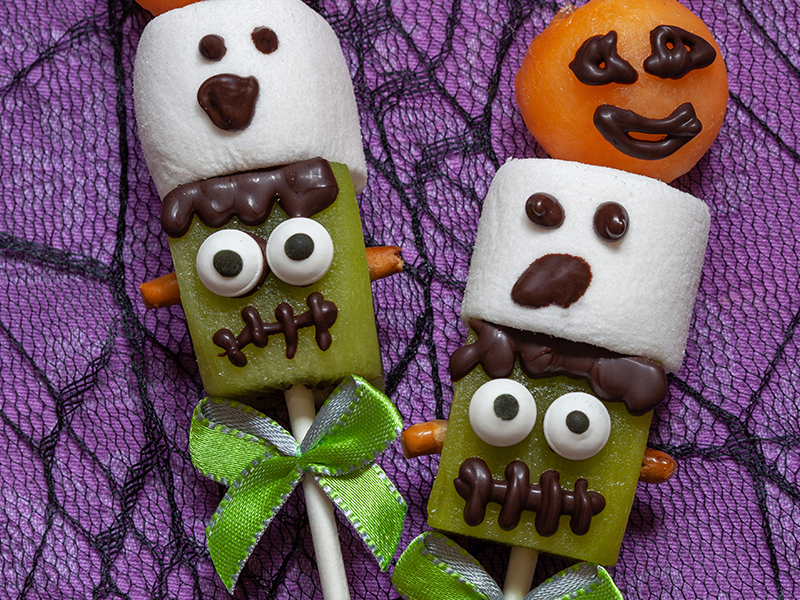
- Seasonal marshmallows
These products can form the reliable base of a Halloween assortment.
2. Custom and Promotional Products
These are products developed to create differentiation for a retailer or private label brand.
Examples include:
- Exclusive Halloween characters
- Custom gummy molds
- Candy with a retailer’s logo
- Printed individual wrappers
- Limited-edition flavors
- Filled or crunchy-texture candy
- Custom display boxes
- Retail-exclusive assorted packs
These projects normally require earlier development and approval.
Consumers Want More Than a Halloween Shape
Pumpkins, ghosts, skulls, bats and eyeballs remain important visual elements, but shape alone may not be enough to make a product stand out.
2026 research found strong interest in candy with noticeable texture and more intense flavor experiences. Seventy-one percent of surveyed consumers wanted textural elements, while almost 60% expressed interest in more extreme flavors. For retailers, this creates opportunities beyond standard gummy candy.
Halloween product development can include:
- Crunchy outer coatings
- Soft candy with liquid or jam filling
- Sour powder coatings
- Multiple textures in one piece
- Freeze-dried crunchy candy
- Peelable gummy structures
- Extra-sour flavor profiles
- Fruit and seasonal flavor combinations
A traditional Halloween shape can therefore be combined with a current candy format.
For example, a retailer could develop a pumpkin-shaped filled gummy, a skull-shaped crunchy candy or a Halloween-colored freeze-dried assortment.
The product still feels appropriate for the holiday, but the eating experience gives shoppers another reason to try it.
Halloween Candy Categories for Retailers
Retailers do not need every available candy category. They need a carefully selected range that fits their customers, shelves and price structure.
The following categories can be considered when building a Halloween program.
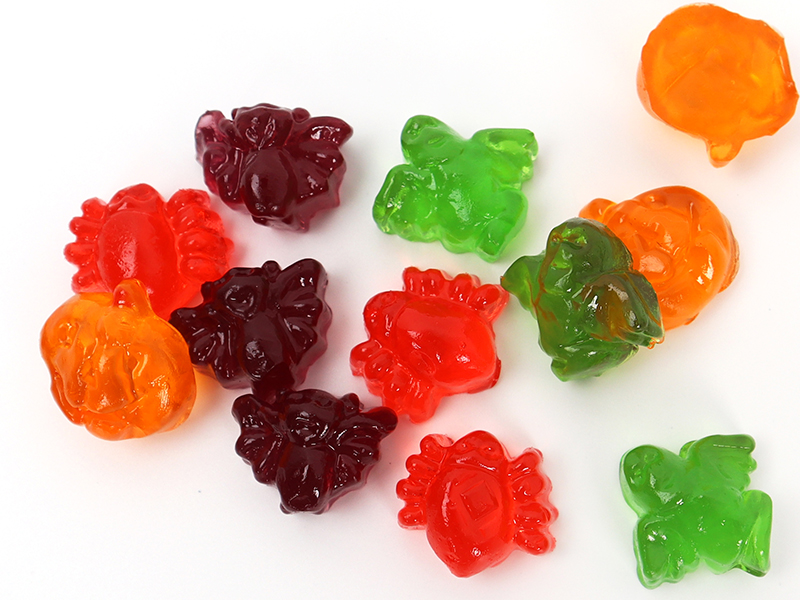
1. Halloween Gummy Candy
Gummies offer extensive flexibility in shape, color, flavor and texture.
Common Halloween designs include:
- Pumpkins
- Ghosts
- Bats
- Skulls
- Spiders
- Monsters
- Eyeballs
- Teeth
- Worms
- Body parts
- Black cats
Retailers can choose standard gummies for high-volume seasonal sales or use custom molds to create exclusive designs.
Customization options may include:
- Single-color or multicolor gummies
- Sweet or sour formulas
- Sugar-coated gummies
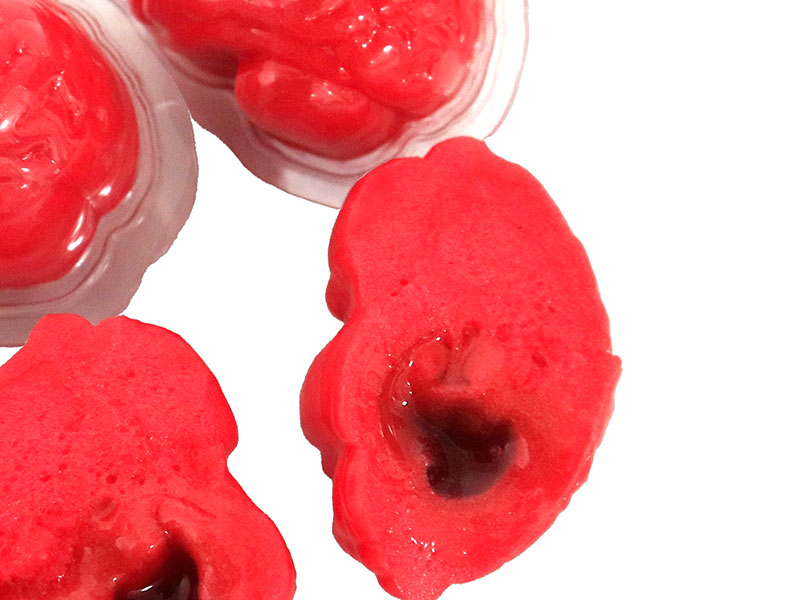
- Filled gummies
- Crunchy-coated gummies
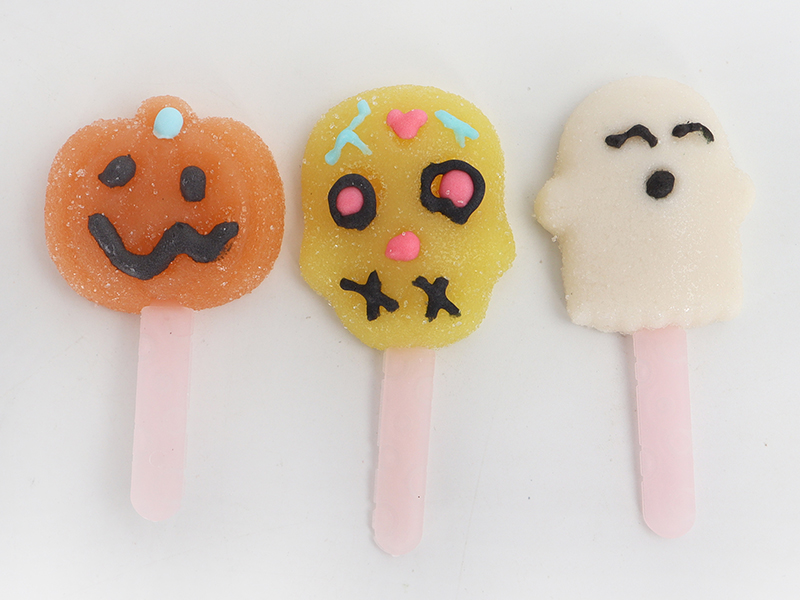
- Peelable gummies
- Giant gummies
- 3D and 4D shapes
- Individually wrapped gummies
- Mixed Halloween assortments
For private label programs, the candy colors can also be coordinated with the packaging design.
2. Halloween Hard Candy
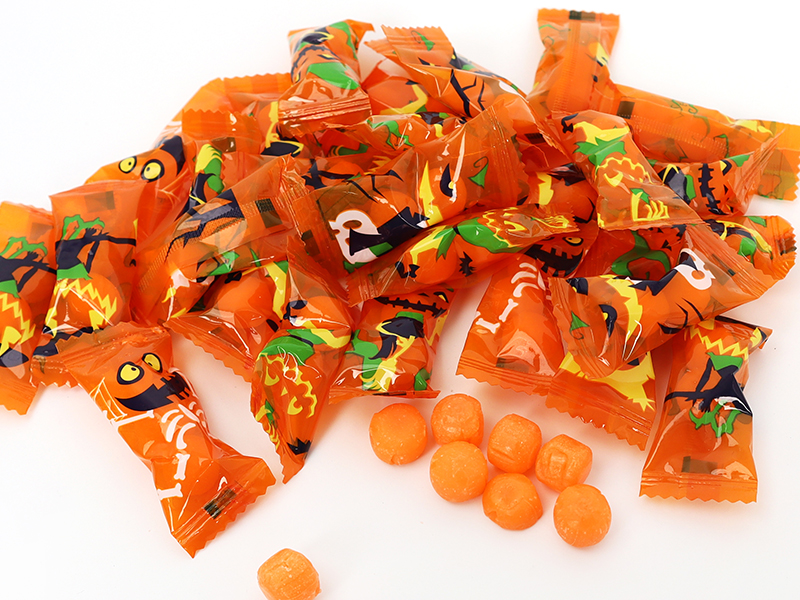
Hard candy is suitable for individually wrapped programs, bulk displays, mixed candy bags and promotional use.
Halloween hard candy may include:
- Fruit-flavored hard candy
- Black, orange, green and purple candy
- Filled hard candy
- Mint candy
- Coffee candy
- Image cut rock candy
- Custom logo candy
- Halloween swirl candy
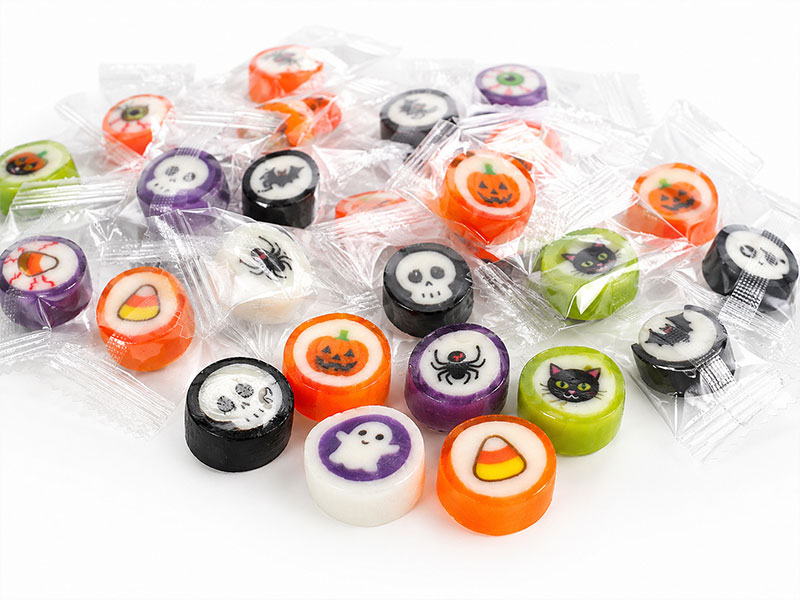
Cut rock candy is especially suitable for visual customization because a pumpkin, ghost, skull, bat, spider or simple brand image can be formed inside each candy piece.
This makes it useful for gift shops, premium seasonal collections and branded promotional programs.
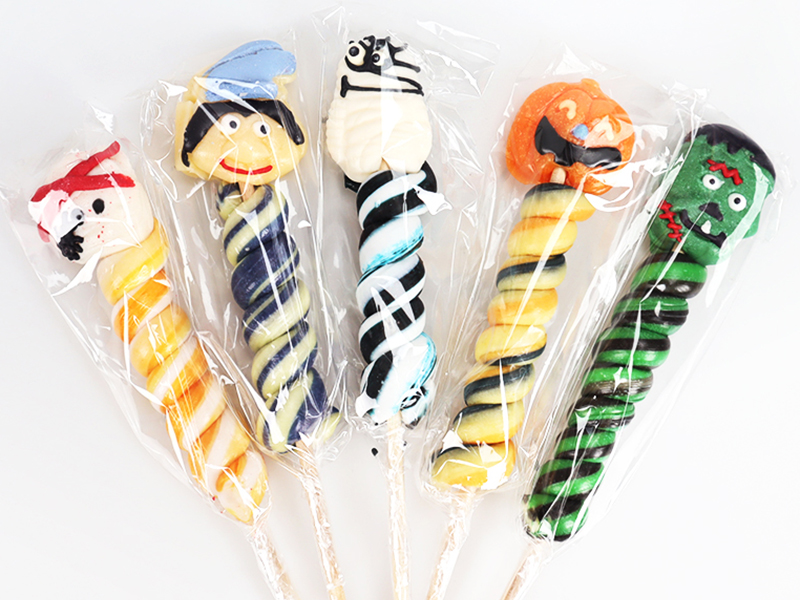
3. Halloween Lollipops
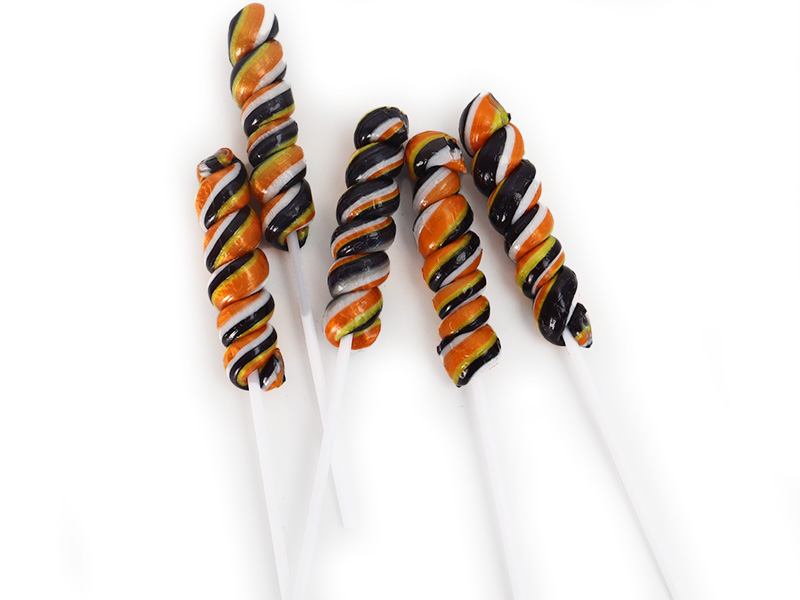
Lollipops are easy to display and can be sold individually, in bags or in retail display boxes.
Retailers can develop:
- Pumpkin lollipops
- Ghost lollipops
- Skull lollipops
- Eyeball lollipops
- Monster lollipops
- Halloween swirl lollipops
- Filled lollipops
- Gummy lollipops
- 3D hard candy lollipops
- Sugar-free lollipop options
The shape, stick length, flavor, wrapper and display carton can be adjusted for different channels.
Where sugar-free products are developed, the formula, product description and packaging claims must comply with the labeling requirements of the destination market.
4. Halloween Marshmallows
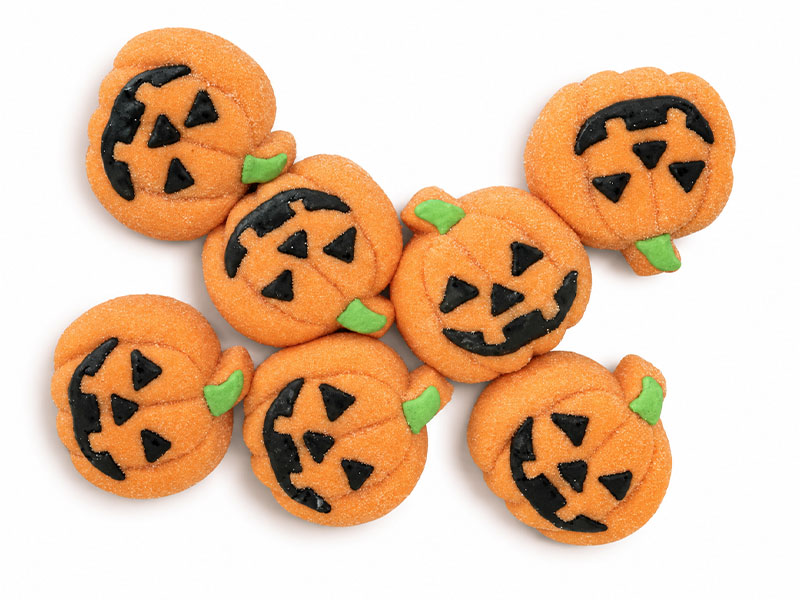
Marshmallows provide a softer texture and a different visual style from gummies and hard candy.
Possible designs include:
- Ghost marshmallows
- Pumpkin marshmallows
- Monster marshmallows
- Twisted Halloween colors
- Filled marshmallows
- Individually wrapped marshmallows
- Mixed character bags
They can be packed in stand-up pouches, pillow bags, jars or seasonal gift packaging.
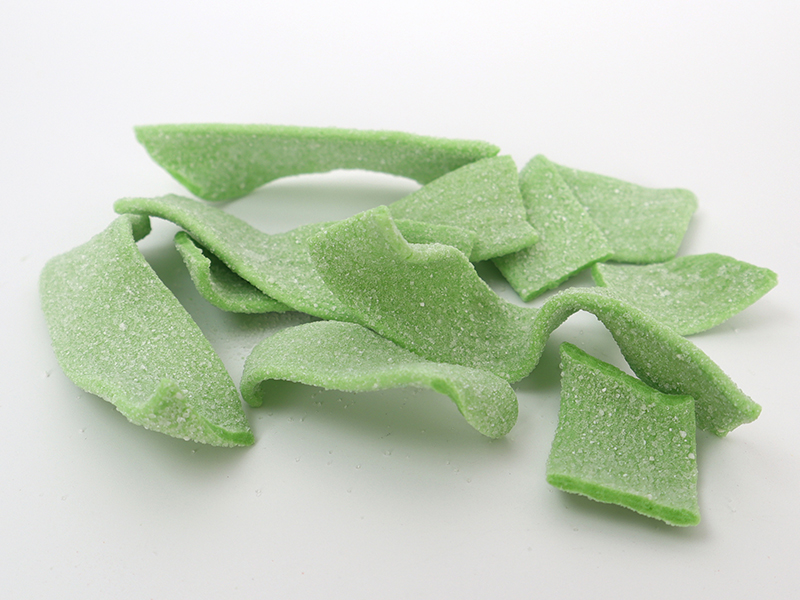
5. Freeze-Dried Halloween Candy
Freeze-dried candy offers a light, crunchy texture and can be positioned as a novelty product within a seasonal assortment.
Retailers may consider:
- Freeze-dried sour gummies
- Freeze-dried Halloween-colored gummies
- Freeze-dried marshmallows
- Mixed crunchy candy pouches
- Private label seasonal packs
Because freeze-dried products are sensitive to moisture, packaging material and sealing performance are important parts of product development.
6. Halloween Novelty Candy
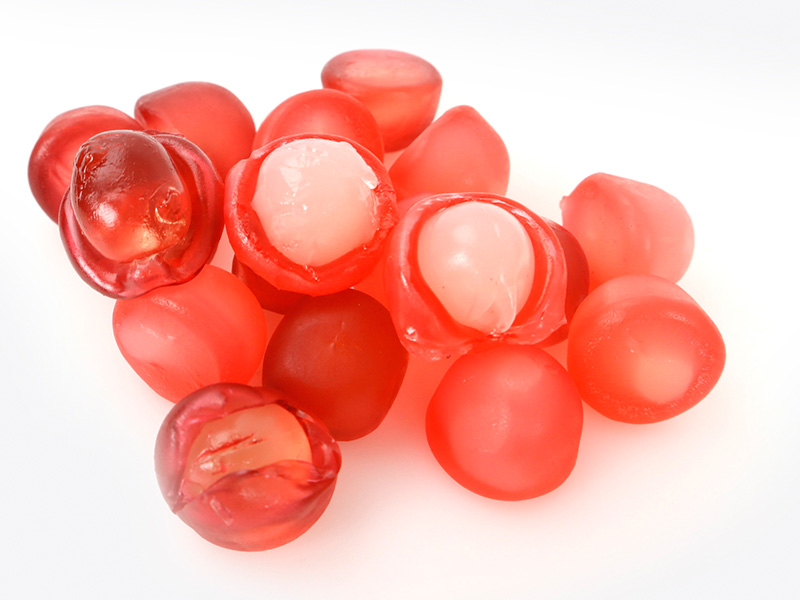
Novelty candy can help retailers build displays that are more interactive and visually distinctive.
Options may include:
- Liquid candy
- Spray candy
- Dip candy
- Candy with sour powder
- Filled wax bottle candy
- Candy-and-gummy combinations
- Interactive candy formats
- Halloween gift sets
These products can work well in convenience stores, candy shops, e-commerce and promotional displays.
Match Halloween Packaging to the Retail Channel
A good candy product can still perform poorly if the packaging does not match the way it is sold.
Retailers should determine the intended channel before finalizing package size, structure and artwork.
1. Supermarkets
Supermarket programs commonly require:
- Retail-ready pouches
- Clear product names
- Strong shelf visibility
- Barcode placement
- Shelf-ready cartons
- Consistent package dimensions
- Assorted product options
A supermarket range may include several package sizes or product tiers, such as an entry-level pouch, a family-size bag and a novelty premium product.
2. Convenience Stores
Convenience stores generally need products that are easy to understand and quick to purchase.
Suitable formats may include:
- Small retail pouches
- Individually wrapped candy
- Counter display boxes
- Lollipops
- Novelty candy
- Single-product impulse items
The product should be immediately recognizable as Halloween candy without requiring a long explanation.
3. Candy Shops and Pick-and-Mix Stores
Candy shops may need:
- Large bulk bags
- Individually wrapped candy
- Jars
- Single-flavor cartons
- Assorted cartons
- Visually distinctive shapes and colors
Products should maintain a consistent appearance across repeat production so that the retailer can refill displays during the season.
4. E-Commerce Retailers
Online products need packaging that can withstand handling while remaining attractive in listing photographs and videos.
E-commerce Halloween products may include:
- Stand-up pouches
- Jars
- Mixed candy boxes
- Gift packs
- Limited-edition assortments
- Social-media-friendly novelty candy
The package front should make the product type, Halloween theme and key feature easy to understand.
However, a retail product should not depend entirely on a viral trend. Retailers still need stable production, suitable pricing and packaging that customers understand.
Private Label Halloween Candy
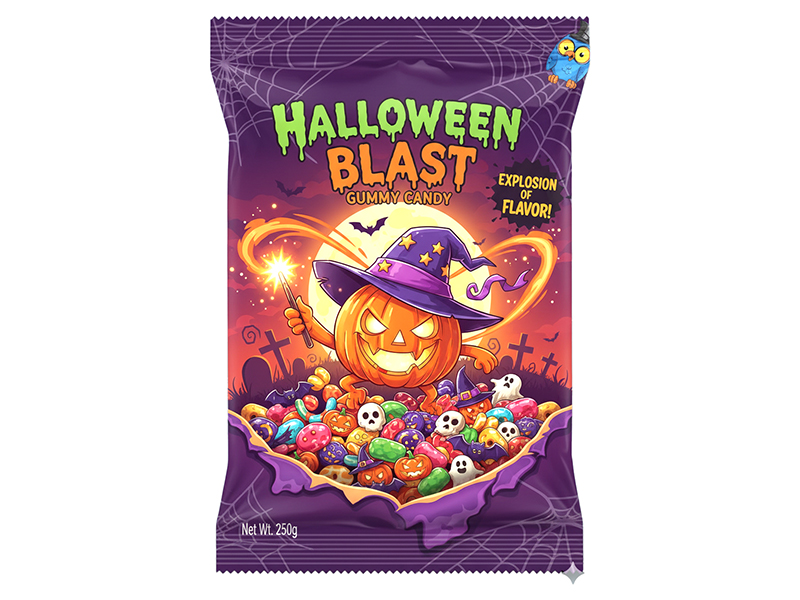
Private label allows retailers, importers and candy brands to sell Halloween candy under their own identity.
Depending on the project, private label customization can include:
- Brand logo
- Product name
- Packaging artwork
- Printed pouches
- Individual wrappers
- Jars and labels
- Display boxes
- Carton markings
- Flavor combinations
- Halloween character designs
Retailers can select an existing candy formula and focus on packaging, or develop a more customized product through OEM and ODM manufacturing.
Using an existing product and mold generally reduces development complexity. Creating a new formula, shape and package gives the buyer more differentiation but requires more time and a commercially viable production quantity.
How Bulk Halloween Candy Orders Work
MPS Candy operates as a China-based candy manufacturer and exporter.
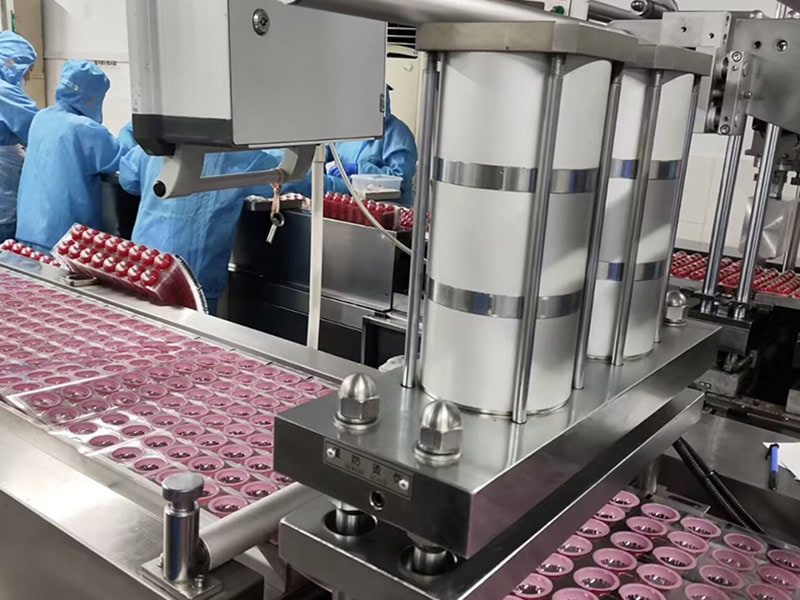
We manufacture candy in commercial quantities for importers, wholesalers, distributors, supermarket groups, convenience store chains, brands and established e-commerce retailers.
We are not a local candy wholesaler selling a few cartons from warehouse inventory.
Depending on the product, the typical minimum order quantity for one candy item is approximately:
- 4–6 metric tons per product, or
- 30,000–60,000 pieces per product
The exact MOQ depends on the candy category, shape, formula, packaging and production process.
A single product does not need to fill an entire container. Different qualifying products may be combined, with the total order arranged on a full-container basis for more efficient shipping and overall purchasing costs.
For example, a Halloween program may combine:
- Pumpkin gummies
- Ghost-shaped hard candy
- Halloween lollipops
- Cut rock candy
- Filled gummies
- Seasonal marshmallows
We can also discuss consolidating the candy order with goods purchased from the buyer’s other suppliers in China.
Mixed-product planning allows importers and retailers to build a broader seasonal assortment while using container space more efficiently.
Why Source Halloween Candy from a Manufacturer?
Retailers can buy seasonal candy from local wholesalers, importers or directly from manufacturers.
Local wholesale inventory may be suitable for small or urgent orders. Direct manufacturing is more suitable for larger retail programs requiring customization, repeat production and export quantities.
Working with a candy manufacturer can provide:
1. Product Customization
Retailers can adjust flavors, colors, shapes, fillings, textures and piece sizes instead of selecting only from local stock.
2. Private Label Packaging
Products can be packed under the customer’s own brand for supermarkets, convenience stores, e-commerce and specialty retail.
3. Commercial Production Capacity
Large retail programs require stable manufacturing capacity and the ability to reproduce approved products consistently.
4. Multiple Candy Categories
Retail buyers can develop gummies, hard candy, lollipops, marshmallows, freeze-dried candy and novelty products through one manufacturing group.
5. Mixed-Container Support
Several qualifying candy products may be combined in one export shipment.
6. Export Coordination
A manufacturer and export team can coordinate product specifications, packaging, commercial documents, quality checks and shipment arrangements with the buyer or appointed freight forwarder.
When Should Retailers Order Halloween Candy?
Retailers should begin planning before the products are expected to arrive in stores.
The timeline may include:
- Product selection
- Formula and flavor confirmation
- Sample preparation
- Sample evaluation
- Packaging design
- Artwork approval
- Mass production
- Quality inspection
- International shipping
- Import clearance and local distribution
Standard samples generally require around 7–10 days, depending on the product.
Normal mass production generally takes approximately 4–8 weeks after the product, packaging and order details are confirmed. New molds, customized formulas, complex printed packaging and peak-season production may require additional time.
Retailers developing products for the next Halloween season should begin early. Buyers working closer to the selling period may need to choose existing shapes, standard formulas and simpler packaging.
Build a Complete Halloween Candy Range with MPS Candy
MPS Candy is a China-based candy manufacturer and exporter supporting large-volume B2B production.
We manufacture Halloween candy for:
- Candy wholesalers
- Importers
- Distributors
- Supermarkets
- Convenience store chains
- Specialty candy stores
- Private label brands
- E-commerce retailers
Our Halloween candy options include gummies, hard candy, lollipops, filled candy, cut rock candy, marshmallows, freeze-dried candy and novelty products.
Depending on the project, we support:
- OEM and ODM candy production
- Custom flavors and colors
- Custom candy shapes
- New mold development
- Filled and coated products
- Individual wrappers
- Private label pouches
- Jars
- Display boxes
- Seasonal packaging
- Mixed-product container loading
- FOB and CIF export arrangements
To receive a suitable product recommendation, send us your company information, destination country, candy categories, packaging requirements, expected quantity and target delivery date.
We will review the production requirements and recommend suitable products, customization options and order arrangements.
We are MPS Candy, a China-based candy manufacturer specializing in OEM and ODM candy production for global brands, importers, distributors, wholesalers, and retail channels.
Frequently Asked Questions
1. What Halloween candy is suitable for retailers?
Retailers can consider gummies, hard candy, lollipops, marshmallows, freeze-dried candy, filled candy, sour candy, cut rock candy and novelty candy. The final selection should match the retail channel, target price and local customer preferences.
2. Can Halloween candy be customized for a retail brand?
Yes. Candy shapes, colors, flavors, fillings, textures, individual wrappers, pouches, jars and display boxes can be customized for qualified OEM, ODM and private label projects.
3. Can you manufacture Halloween candy in bulk?
Yes. MPS Candy manufactures Halloween candy in commercial quantities for international B2B customers. We do not focus on small event orders or a few cartons of local wholesale stock.
4. What is the MOQ for Halloween candy?
MOQ varies by product and packaging format. For many candy products, the typical MOQ is approximately 2–4 metric tons per flavor. For piece-counted, individually wrapped, molded or highly customized products, MOQ may instead be calculated by pieces, packaging quantity or production batch. Each selected flavor, color or style may have its own MOQ depending on the product.
Different qualifying flavors and MPS products can be combined in one container. If needed, your shipment can also be consolidated with goods from your other suppliers in China. For better freight efficiency, we generally recommend arranging the total shipment on a full-container basis.
Gummies, chocolate and other heat-sensitive products must be shipped in a reefer container.
5. Can I create a private label Halloween candy collection?
Yes. Retailers, importers and brands can develop coordinated Halloween products using custom packaging, colors, flavors, shapes and display boxes.
6. How early should retailers order Halloween candy?
Retailers should begin as early as possible, especially for new molds, custom formulas and printed private label packaging. Sampling, production and international sea freight must all be completed before the retail selling period.
7. Can I receive samples before placing a bulk order?
Yes. Existing or customized samples can be arranged depending on the project. Standard sample preparation generally takes approximately 7–10 days.
8. Do you export Halloween candy internationally?
Yes. We support international B2B orders through common trade arrangements such as FOB and CIF. Shipping requirements depend on the candy category, destination, season and temperature conditions.