Few candies are as easy to recognize as a lollipop.
A piece of candy, a stick and a colorful wrapper create a product that can be sold in supermarkets, convenience stores, candy shops, gift stores, online marketplaces and seasonal retail displays around the world.
However, the modern lollipop did not appear in its current form overnight.
Its development reflects changes in sugar production, candy-making technology, industrial manufacturing, packaging and retail distribution. What began as a simple way to hold and enjoy a sweet product eventually became a highly adaptable confectionery category.
Today, importers, distributors, retailers and candy brands can choose from traditional ball lollipops, swirl lollipops, filled products, molded shapes, sugar-free formulas and completely customized private label programs.
Understanding the history of lollipops also helps explain why this relatively simple product continues to offer so many commercial opportunities.
Before the Modern Lollipop
The idea of placing a sweet food on a stick is much older than the modern confectionery industry.
Before refined sugar became widely available, different cultures used honey, fruit and concentrated syrups to produce sweet foods that could be held, dipped or served on simple handles.
Early versions were not identical to the hard candy lollipops sold today. However, they demonstrated the same practical principle: placing a sweet product on a stick made it easier to hold, carry and consume.
As sugar became more accessible, confectioners began producing boiled sugar candies in different colors, shapes and flavors.
These early hard candies offered several advantages:
- They could be stored longer than many fresh sweets.
- They could be made in visually attractive colors.
- They provided a longer eating experience.
- They could be produced in different shapes and sizes.
The addition of a stick made the product more convenient and created a format that was easy for customers to recognize.
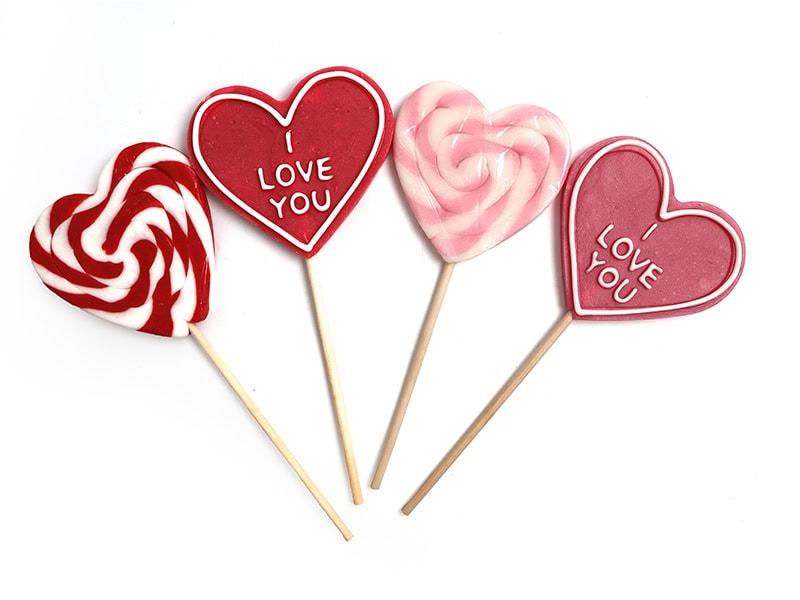
Who Invented the Lollipop?
There is no completely uncontested answer to who invented the modern lollipop.
The concept of candy on a stick was probably developed more than once. However, one widely repeated account credits American confectioner George Smith with commercializing a modern version in New Haven, Connecticut, around 1908.
The more important development was not simply attaching candy to a stick.
It was the ability to produce the product consistently and at scale.
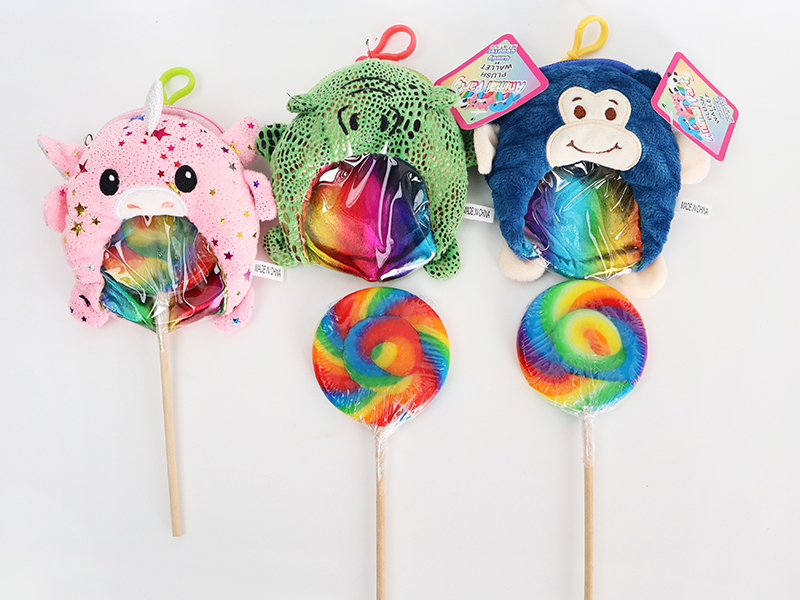
Industrial Production Changed the Lollipop Market
Early candy production depended heavily on manual cooking, shaping and wrapping.
This limited production volume and made it more difficult to keep every piece consistent in size, appearance and weight.
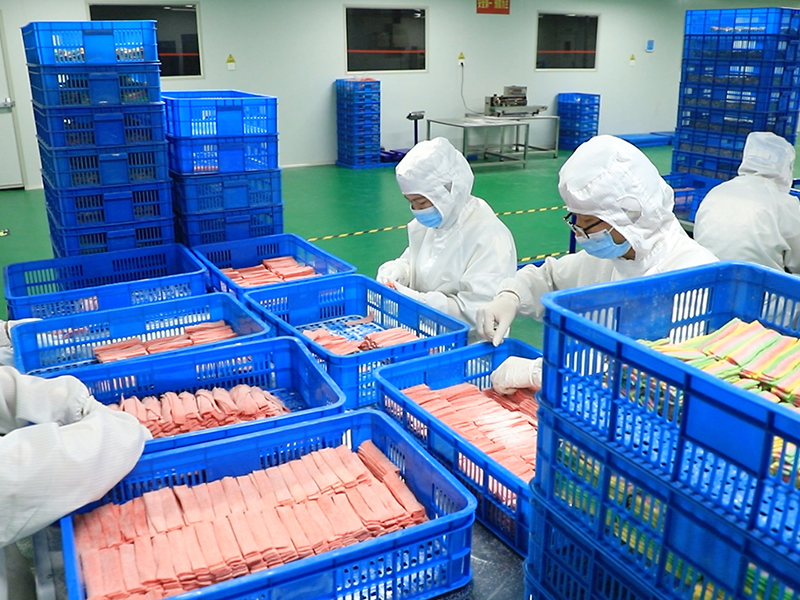
As candy-making machinery improved during the early twentieth century, manufacturers could automate more of the process, including:
- Cooking and temperature control
- Candy forming
- Stick insertion
- Cooling
- Individual wrapping
- Weight control
- Carton packing
Automation helped transform lollipops from small-batch confectionery into a widely distributed retail product.
Large production runs reduced the cost per piece, while standardized sizes and packaging made lollipops easier for wholesalers, distributors and retailers to handle.
The product could now move through increasingly large distribution networks and remain recognizable from one market to another.
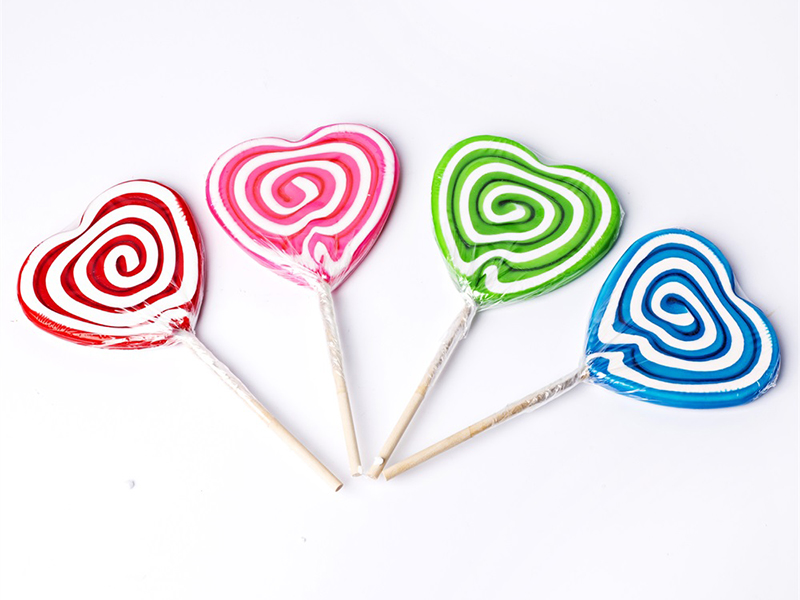
Why Did Lollipops Become Popular Worldwide?
The worldwide popularity of lollipops is not based on one factor.
Their success comes from a combination of product simplicity, visual flexibility and retail practicality.
1. A Recognizable Product Format
Consumers immediately understand how to eat a lollipop.
The stick provides a built-in handle, while the candy can be consumed gradually rather than all at once.
This simple format works across different countries, age groups and retail channels.
2. A Long-Lasting Eating Experience
Compared with small chewy candies that may be eaten quickly, hard lollipops provide a longer eating experience.
This helps create a strong perception of value, even when the individual product is relatively inexpensive.
3. Strong Visual Appeal
Lollipops can be produced in bright colors, contrasting stripes, transparent finishes, molded characters and large decorative shapes.
Their vertical shape also makes them easy to present in:
- Counter displays
- Transparent jars
- Display boxes
- Gift arrangements
- Seasonal displays
- Checkout areas
4. Flexible Flavors and Designs
Traditional fruit flavors remain important, but the category has expanded far beyond basic cherry, orange and lemon.
Modern lollipops may include:
- Mixed fruit flavors
- Cola flavors
- Dessert-inspired flavors
- Sour flavors
- Milk flavors
- Coffee flavors
- Two-flavor combinations
- Powder-filled centers
- Liquid-filled centers
- Bubble-gum centers
The National Confectioners Association has described the lollipop category as a stable confectionery segment supported by continuing innovation in flavors, shapes, pack formats and product positioning.
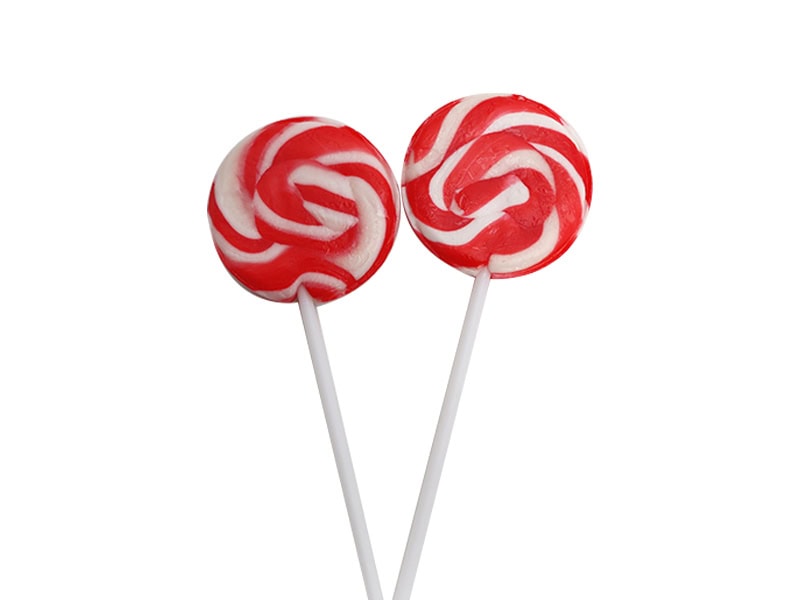
How Modern Lollipops Have Evolved
The basic idea of candy on a stick has remained the same, but the product itself has become much more varied.
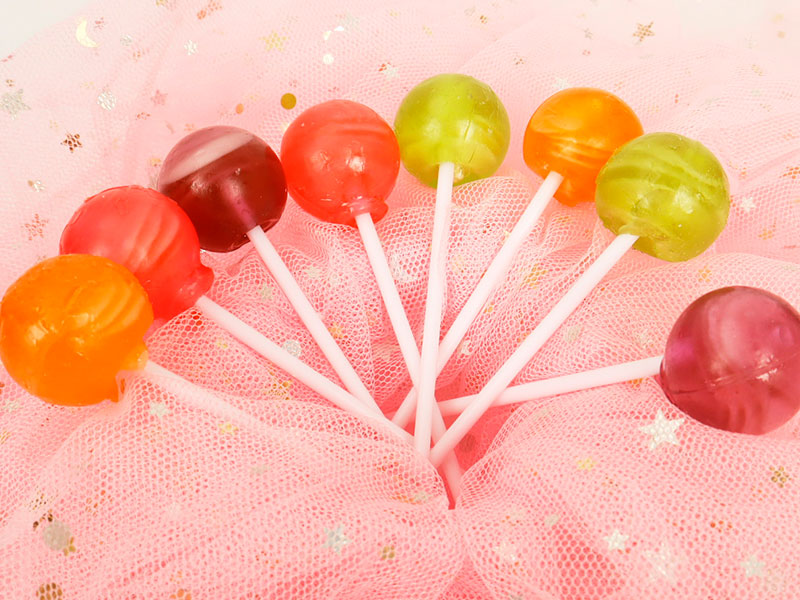
1. Ball Lollipops
Ball lollipops are one of the most common formats.
Their compact size and simple shape make them suitable for:
- Individually wrapped assortments
- Large retail bags
- Counter displays
- Convenience stores
- Promotional candy
- Mixed-flavor programs
They can also be developed with filled centers, sour powder or bubble gum.
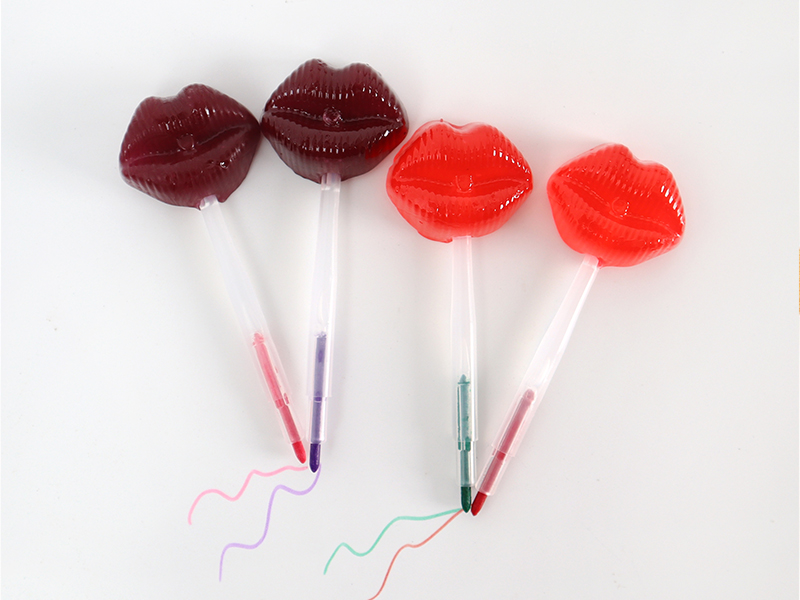
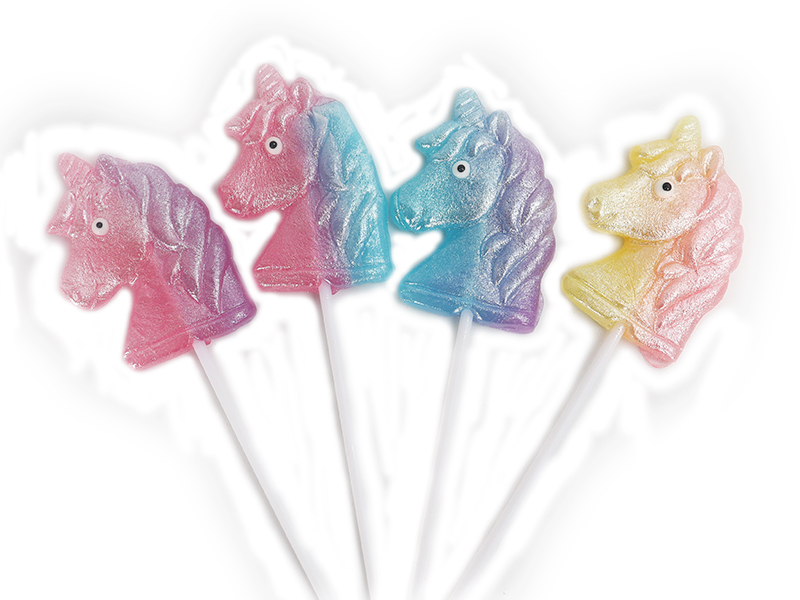
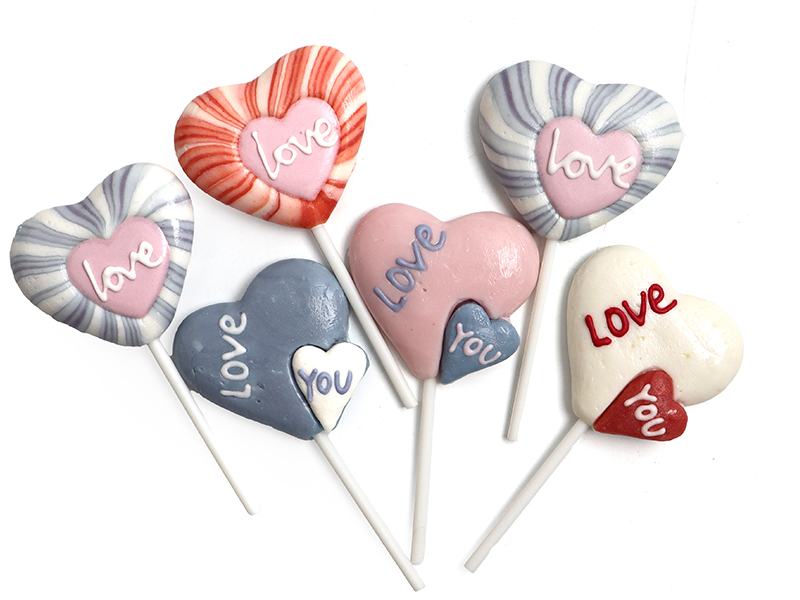
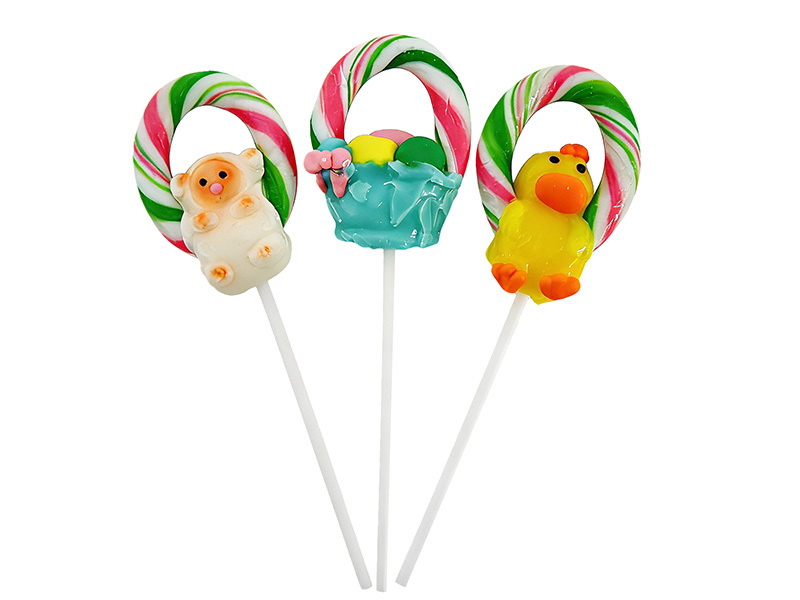
2. Flat and Molded Lollipops
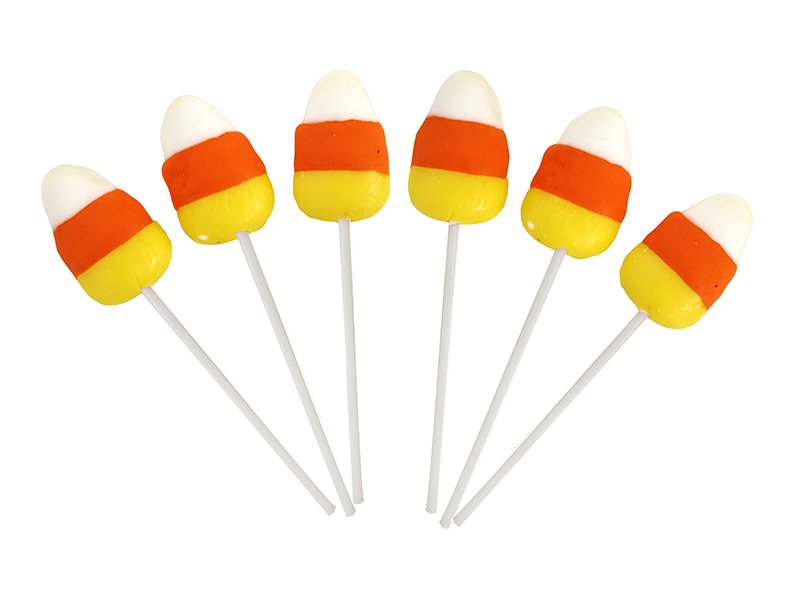
Flat lollipops provide more surface area for decorative shapes and detailed product designs.
Possible designs include:
- Fruit shapes
- Animals
- Flowers
- Hearts
- Stars
- Holiday characters
- Brand-related shapes
- Promotional themes
For OEM projects, new molds can be developed when the order quantity and technical requirements are commercially suitable.
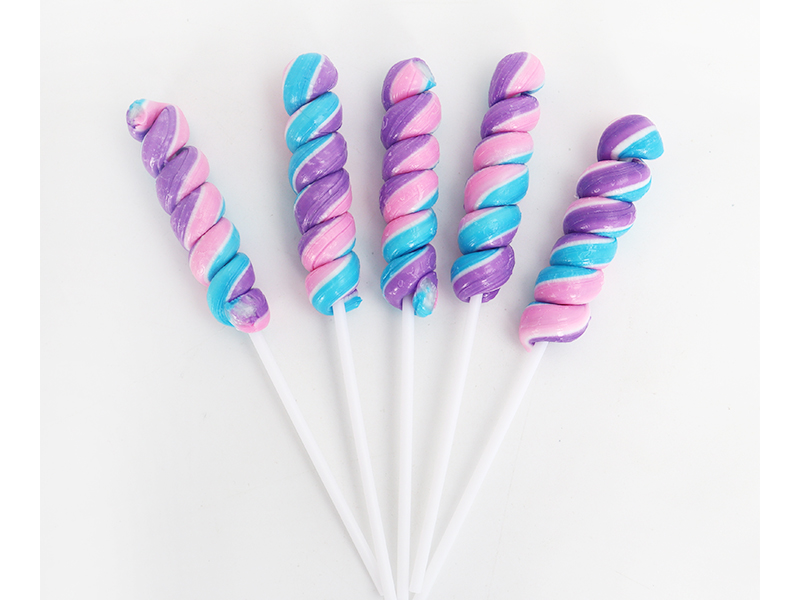
3. Swirl Lollipops
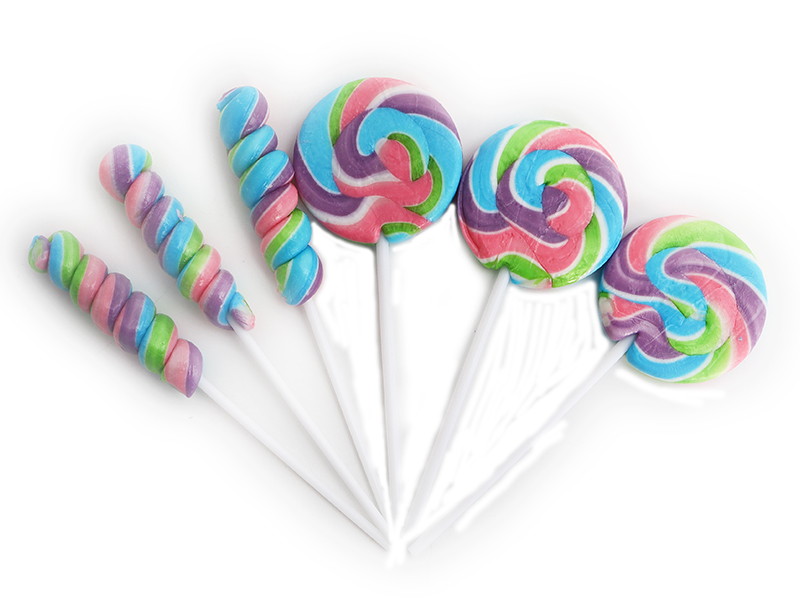
Swirl lollipops use layered or twisted candy colors to create a strong spiral pattern.
They are especially suitable for:
- Gift stores
- Candy shops
- Seasonal retail
- Theme parks
- Party products
- Visual merchandising
- Private label programs
Buyers can adjust the diameter, color combination, stripe pattern, flavor and stick length according to the target market. MPS Candy supports large-volume and private label swirl lollipop projects for importers, distributors, wholesalers and candy brands.
4. Filled Lollipops
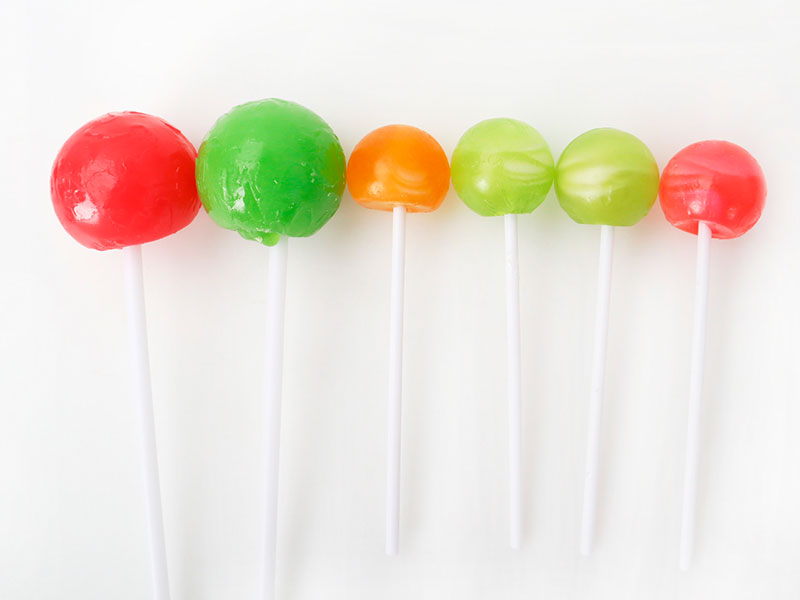
Filled lollipops add a second flavor or texture inside the hard candy shell.
Possible fillings include:
- Fruit-flavored powder
- Sour powder
- Liquid syrup
- Chewy candy
- Bubble gum
The filling creates a product experience that changes as the customer consumes the lollipop.
5. Giant Lollipops
Large swirl or decorative lollipops provide strong shelf impact and are commonly used for gifts, seasonal promotions and specialty retail.
Because of their size, buyers must consider:
- Stick strength
- Breakage protection
- Individual wrapping
- Display packaging
- Export carton design
- Shipping efficiency

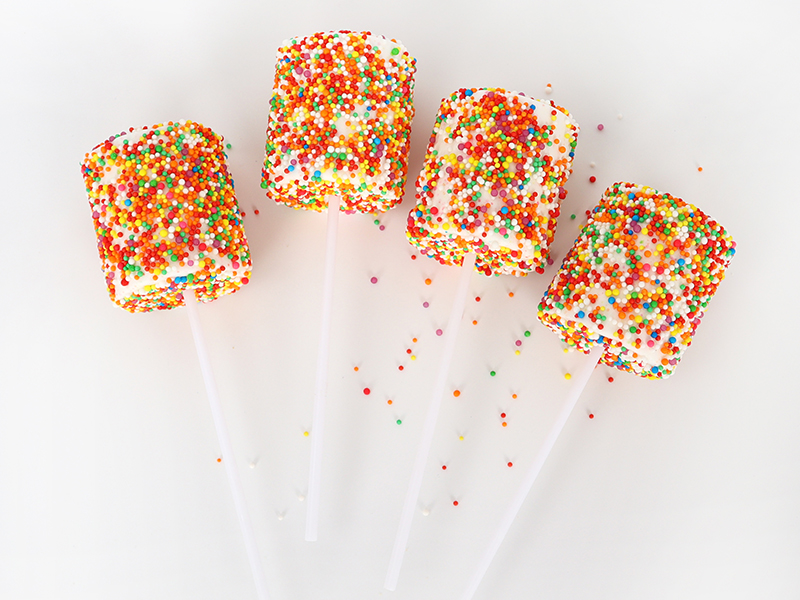
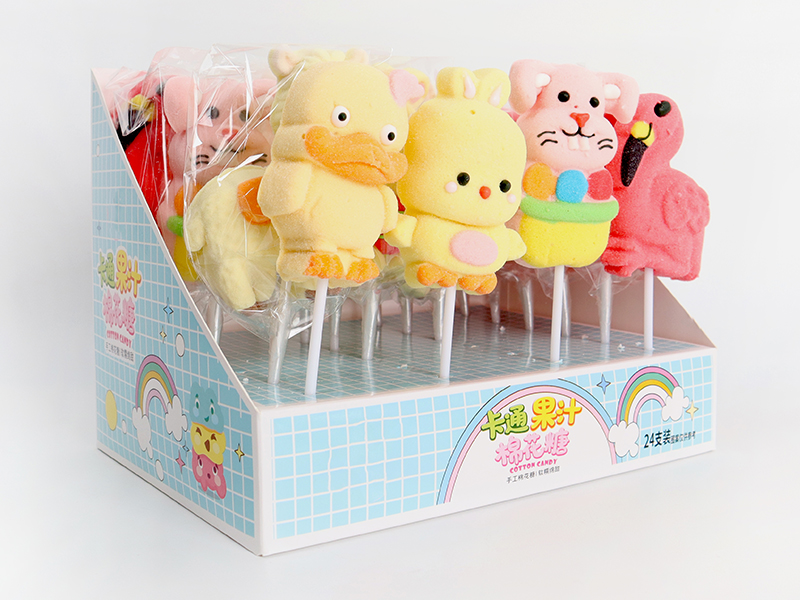
6. Soft and Marshmallow Lollipops
Not every lollipop is made from hard candy.
Soft products may use marshmallow, gummy candy or other chewy textures mounted on a stick.
These formats make it possible to create detailed characters, layered colors and seasonal collections.
7. Sugar-Free Lollipops
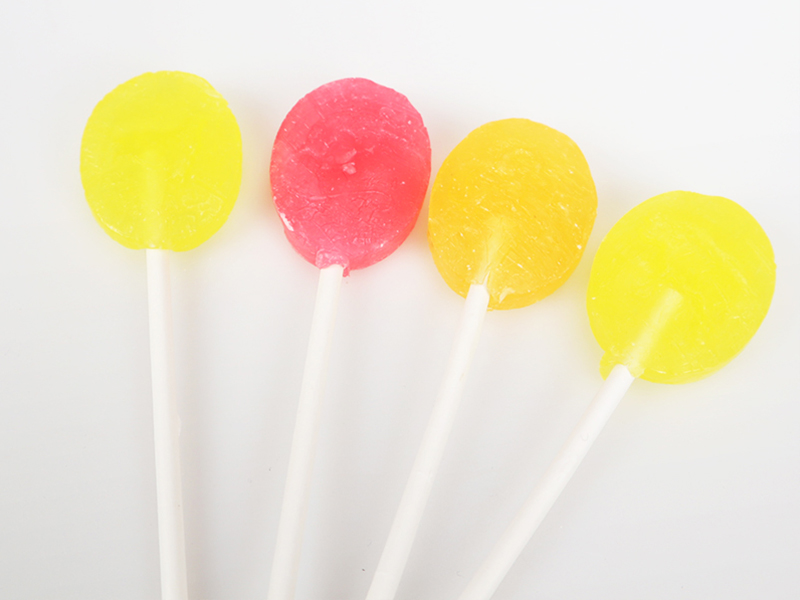
Sugar-free formulations can be developed for buyers who want to expand their product assortment.
However, ingredients, sweeteners, serving information and packaging claims must comply with the regulations of the destination market.
Manufacturers and buyers should avoid unsupported health claims and present sugar-free products as clearly identified product options.
Do Lollipops Expire?
Lollipops generally have a relatively long shelf life, but they do not maintain their best quality forever.
Hard lollipops contain little moisture, which helps slow many forms of product deterioration. However, shelf life still depends on:
- Formula
- Residual moisture
- Individual wrapper
- Packaging barrier
- Seal quality
- Storage humidity
- Storage temperature
- Exposure to sunlight
- Temperature fluctuations
When stored correctly, hard lollipops may maintain good quality for a year or longer, while commercial hard candy programs may be developed with a target shelf life of approximately 12–24 months, depending on the formula and packaging.
The final declared shelf life should always be based on the specific product, packaging system, storage conditions and applicable testing—not on a general claim for all lollipops.
Why Moisture Matters for Lollipop Quality
Moisture is one of the most important factors affecting hard candy and lollipop quality.
Hard candy can absorb moisture from the surrounding air, particularly when stored in humid conditions or when the wrapper does not provide sufficient protection.
This may cause:
- A sticky surface
- Loss of gloss
- Candy pieces sticking to wrappers
- Grainy or crystallized texture
- Shape deformation
- Reduced flavor quality
Research into sugar confectionery shelf life shows that moisture movement plays a major role in quality changes such as hard candy graining and surface stickiness. Storage at elevated humidity can significantly shorten the effective shelf life of hard candy.
For international buyers, this makes packaging selection especially important.
A lollipop shipped to a cool, dry market may require a different packaging evaluation from one shipped through a hot and humid route.
These quality considerations are especially important for B2B buyers sourcing lollipops for long-distance export.
Sourcing Lollipops from a China Manufacturer and Exporter
MPS Candy is a China-based candy manufacturer and exporter serving international B2B customers.
We manufacture lollipops for:
- Candy importers
- Distributors
- Wholesalers
- Candy brands
- Supermarket chains
- Convenience store groups
- Specialty retailers
- E-commerce companies
- Private label customers
Our lollipop range includes traditional hard lollipops, molded products, swirl lollipops, filled lollipops, giant products, marshmallow lollipops, seasonal designs and sugar-free development options.
For many lollipop projects, the typical MOQ is approximately 4–6 metric tons or 30,000–60,000 pieces per item, depending on the product size, design and packaging.
Different qualifying candy products may be combined, with the total purchase arranged on a full-container basis for more efficient international shipping and overall purchasing costs.
We also support:
- OEM and ODM product development
- Private label packaging
- Custom colors and flavors
- Custom shapes and molds
- Retail display packaging
- Product specifications
- Available quality and export documents
- Sample evaluation
- Bulk production
- Mixed-container planning
- FOB and CIF export arrangements
Frequently Asked Questions
1. When were lollipops invented?
Candy products served on sticks existed before the modern confectionery industry. The modern commercial lollipop is generally associated with developments in the early twentieth century, when manufacturers began producing hard candy on sticks at a larger scale.
2. Do lollipops expire?
Lollipops can lose quality over time. Moisture, heat and poor packaging may cause stickiness, crystallization, flavor changes or deformation. The declared shelf life should be based on the specific formula, packaging and storage conditions.
3. How long is the shelf life of a lollipop?
Depending on the formula and packaging, commercial hard lollipops may have a shelf life of approximately 12–24 months. The exact shelf life must be confirmed for the individual product.
4. Can lollipops be customized?
Yes. Flavors, colors, shapes, sizes, sticks, fillings, wrappers, bags, jars, display boxes and branding can be customized for suitable OEM, ODM and private label projects.
5. What is the MOQ for custom lollipops?
For many projects, the MOQ is approximately 4–6 metric tons or 30,000–60,000 pieces per item. The exact MOQ depends on the lollipop format, size, mold, wrapper and retail packaging.
6. Can different lollipop products be combined in one shipment?
Yes. Different qualifying lollipops and other candy products may be combined, with the overall order planned on a full-container basis.
Develop Your Lollipop Product with MPS Candy
From early handmade candy to modern automated production, lollipops have remained successful because the format is simple, recognizable and highly adaptable.
For today’s importers, distributors and retail buyers, the opportunity lies in combining that familiar product format with new flavors, shapes, fillings and packaging.
Send us your target market, preferred lollipop type, flavor, size, packaging format, estimated quantity and destination country.
Our team will evaluate the product requirements and recommend suitable standard, private label or OEM/ODM options.
We are MPS Candy, a China-based candy manufacturer specializing in OEM and ODM candy production for global brands, importers, distributors, wholesalers, and retail channels.