Ribbon candy is one of the most recognizable treats on the Christmas candy dish. Its glossy surface, thin candy body, and folded ribbon-like waves have been a holiday staple for generations. You’ll see it in jars, gift boxes, stocking stuffers, and seasonal retail displays every winter.
For retailers and wholesalers, it’s a proven seasonal item with strong shelf appeal and reliable year-over-year demand. Shoppers know what it looks like before they even pick it up, making it an easy sell in a crowded holiday candy aisle.
This guide covers what ribbon candy is, how it’s made, and the best-selling flavors + colors. You’ll know how importers and retailers can source bulk ribbon candy. We’ll go through packaging, seasonal order timing, and quality checks worth running before committing to a supplier.

What Is Ribbon Candy?
Ribbon candy is a type of hard candy usually made from cooked sugar syrup. While the candy is still warm and workable, manufacturers stretch, flatten, or press it into thin strips. Those strips are folded into wave-like ribbons, giving the candy its name.
Unlike chewy or soft candies, ribbon hard candy has a crisp, brittle texture. It snaps cleanly when broken. The crispness, paired with its bright color patterns, is what makes it stand out in a candy dish.
The “ribbon” in the name comes directly from its shape. The back-and-forth folding of the candy strip creates a wave pattern that resembles a piece of curled ribbon. That folding separates ribbon hard candy from other flat or stick-shaped hard candies.

Why Is Ribbon Candy Popular at Christmas?
Ribbon candy carries an old-fashioned candy image. Even many shoppers associate it with childhood and family traditions that trace back generations. That nostalgic pull is a major reason it keeps reappearing on holiday shelves year after year. In total, several things keep it relevant every holiday season –
- Red, green, and white color combinations line up perfectly with Christmas branding. It marks a pairing that dates back to the candy’s earliest association with Santa Claus.
- The folded ribbon shape stands out visually in holiday candy dishes and gift boxes.
- It’s frequently sold alongside candy canes, peppermint candy, pillow candy, and mixed Christmas candy assortments.
- Ribbon candy photographs rather well, crucial for e-commerce listings and seasonal marketing.
Such a combo gives Christmas ribbon candy strong seasonal display value for retail buyers. It’s an easy item to build a themed display around, whether a supermarket endcap or a boutique candy shop window.
Some New England producers have been making ribbon candy for more than 150 years. Many shoppers remember it from their grandparents’ candy dishes. Buying it again for their own household taps into that memory.
Retailers keep leaning into those classic stories through packaging copy, in-store signage, or product descriptions. And those often see stronger engagement than with a purely generic holiday candy listing.
How Is Ribbon Candy Made?
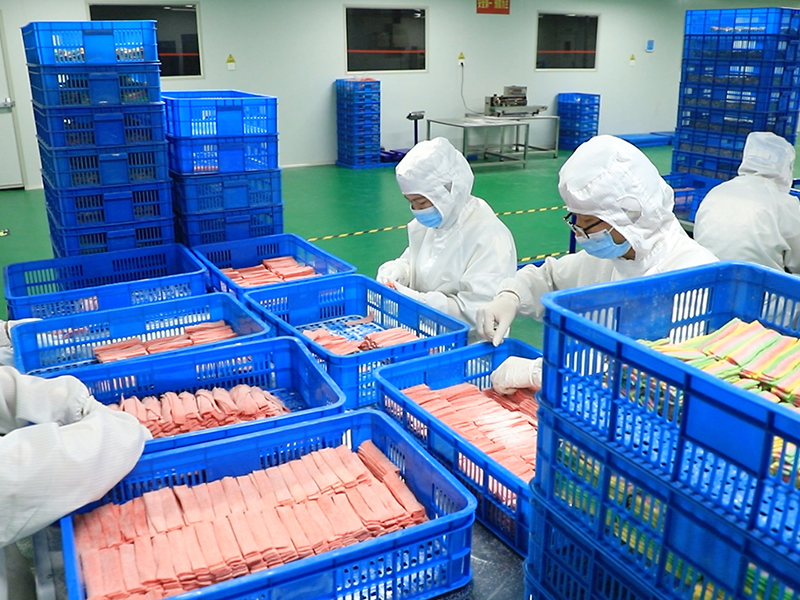
You should know how ribbon candy gets made, not just its significance. Otherwise, it becomes difficult to evaluate quality and understand what drives cost, consistency, and shelf life.
1. Cooking the Sugar Syrup
The production starts with sugar, glucose syrup or corn syrup, water, and other formula ingredients. The syrup gets heated to the hard-crack stage, at which point nearly all the water boils off. Getting the perfect temperature is mandatory. It determines whether the final candy turns out crisp + stable or soft + prone to sticking.
2. Adding Colors and Flavors
Once the syrup reaches the right stage, producers add colors and flavors. Common Christmas ribbon candy colors include red, green, white, and gold. Peppermint, cinnamon, cherry, orange, lemon, and mixed fruit are popular flavor choices.
3. Forming Thin Candy Strips
While the candy mass is still warm and pliable, it gets stretched, flattened, or cut into thin strips. It controls the thickness, width, and overall look of the finished ribbon candy.
4. Creating the Ribbon Shape
Next, workers or machines fold, crimp, or shape the strips into a wave-like ribbon. Traditional production relies on hand-pulling and mold-assisted shaping. Mechanical crimping equipment first began replacing hand-shaping in the late 1800s.
By the 1940s, automated spinning and cutting machines enabled large-scale production. Modern manufacturing lines still use that kind of equipment today. They improve consistency and allow for much higher production volumes.
5. Cooling, Cutting, and Packing
After shaping, the candy cools, gets cut to size, and moves into packaging. As mentioned, ribbon hard candy is thin and relatively brittle. Like all hard candy, it’s made from sugar and corn syrup, which makes it highly hygroscopic and prone to absorbing moisture from the air.
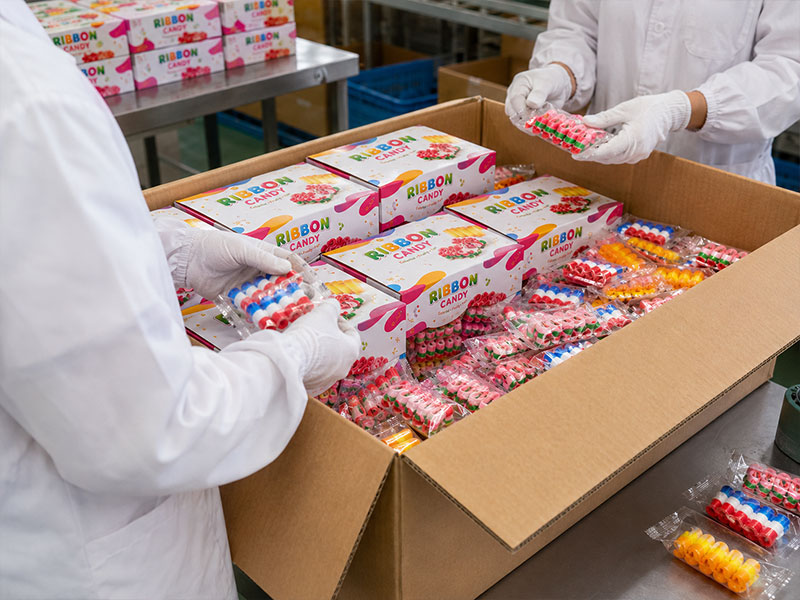
Therefore, the packaging must protect the candy from moisture, stickiness, and breakage. It’s particularly crucial during storage and shipping. It matters just as much as the cooking and shaping stages, especially for products traveling long distances.
Common Ribbon Candy Flavors
Ribbon candy flavors fall within a wide range, from traditional holiday favorites to bright fruit options. Knowing the landscape helps brands and retailers pick the right flavor mix for specific markets.
1. Traditional Christmas Flavors
The following flavors lean into the nostalgic, old-fashioned side of ribbon candy –
- Peppermint
- Spearmint
- Wintergreen
- Cinnamon
- Clove
- Anise
They work well for vintage-style Christmas candy, traditional candy dishes, and classic holiday gift boxes.
2. Fruit Flavors
Fruit-forward options bring more color and variety to the mix –
- Cherry
- Strawberry
- Raspberry
- Orange
- Lemon
- Grape
- Blue raspberry
These flavors perform well with younger consumers, colorful holiday assortments, and e-commerce candy listings.
3. Custom Flavors for Brands
Candy brands, importers, and wholesalers aren’t limited to standard flavor lists. Manufacturers can adjust sweetness, sourness, color combinations, and flavor profiles. It may even include limited-edition holiday flavors built around a specific market or campaign.
Such customization seems useful for private-label brands looking to differentiate from generic Christmas candy. A distinctive flavor combination, paired with matching packaging, can turn a commodity item into something that looks and tastes like a premium product.
Ribbon Candy Colors and Holiday Designs
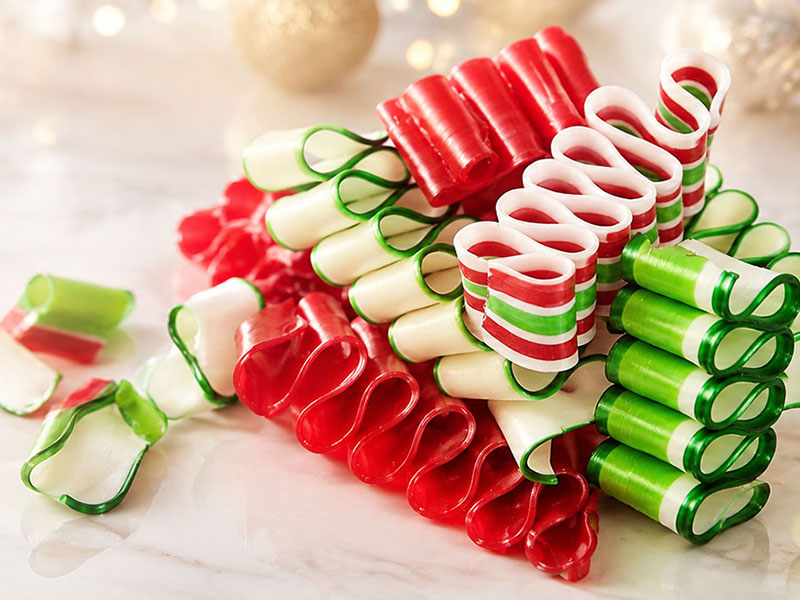
Color does a lot of heavy lifting for ribbon candy. Since the product is thin and translucent, color patterns show through clearly. They make design choices especially visible on the shelf.
- Red and white designs suit peppermint-style Christmas candy.
- Red, green, and white combinations create the classic Christmas ribbon candy look.
- Gold, silver, and white designs fit premium holiday gift boxes.
- Bright multicolor designs appeal to children’s markets and e-commerce channels.
Brand buyers can customize colors to align with packaging themes and brand identity. For seasonal retail displays, getting the color story right can be just as important as the flavor.
Old Fashioned Ribbon Candy vs Modern Ribbon Candy
Old-fashioned ribbon candy leans on traditional craftsmanship, nostalgic appeal, and classic mint or spice flavors. Likewise, it comes with the familiar candy-dish presentation shoppers grew up with.
Modern ribbon candy builds on that foundation, offering a wider range of flavors. Then there are improved packaging stability, stronger retail display performance, private label branding, export-ready packaging, and the ability to supply at scale.
The takeaway is simple: modern ribbon candy doesn’t lose its traditional holiday appeal. It holds the classic nostalgia while becoming a better fit for today’s retail, wholesale, and global sourcing needs.

Bulk Ribbon Candy for Importers, Wholesalers, and Retailers
Bulk ribbon candy serves importers, wholesalers, distributors, and seasonal retailers looking to stock up ahead of the holiday rush. It fits naturally into Christmas candy assortments, gift boxes, supermarket displays, e-commerce bundles, and holiday promotions.
When sourcing in bulk, a cautious and smart buyer should care most about –
- Stable supply through the peak season
- Packaging integrity during long-distance shipping
- Shipping breakage rate
- Flavor combinations that match the target market
- Delivery schedules that line up with the Christmas sales window
Manufacturers like MPS can support these needs through OEM/ODM production, private-label packaging, custom colors, custom flavors, custom packaging, and mixed-container solutions.
For importers and wholesalers, bulk ribbon candy delivers the greatest value when planned as part of a comprehensive Christmas candy program. It means retail-ready packaging, mixed holiday assortments, and export-ready cartons built to protect this delicate hard candy during shipping.
Since ribbon candy is a seasonal product, early production and shipment planning matters. Waiting too long to place an order can mean missing the retail window entirely.
This is also where working with an established manufacturer pays off. A supplier who already understands seasonal Christmas candy programs can help forecast volumes. They can flag potential delays and suggest packaging adjustments based on what’s worked before.
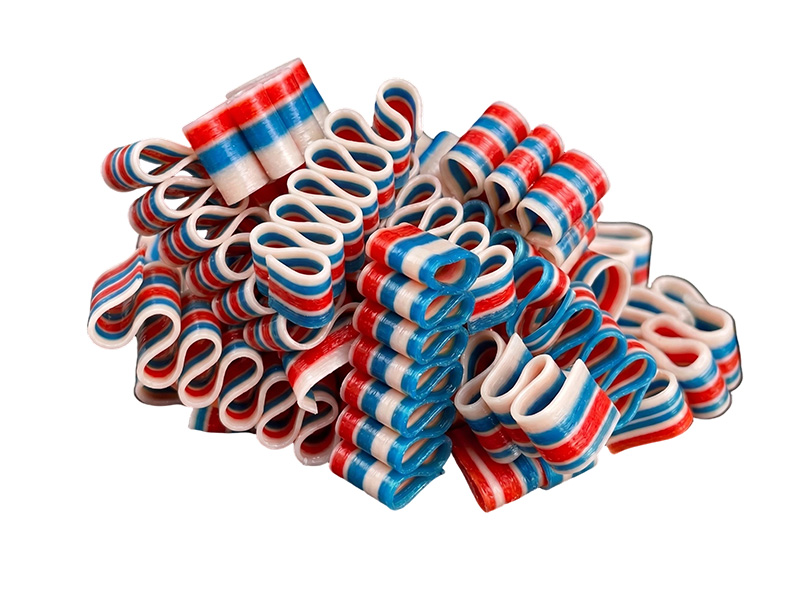
Packaging Options for Christmas Ribbon Candy
Packaging affects how ribbon candy looks on shelf and how well it survives the trip to get there. Proper packaging choice matters as much as the candy recipe.
1. Bulk Carton Packaging
It’s for wholesalers, distributors, and repacking customers who plan to portion the candy into their own retail packaging later. Look for strong carton construction and moisture-resistant inner bags. Those details protect shipping stability over long transit times, particularly on ocean freight routes.
2. Retail Bags
Retail bags suit supermarkets, discount stores, candy shops, e-commerce platforms, and holiday promotions. The target market may require customized pack weight, bag type, and design styles. It applies from a small stocking-stuffer bag to a larger family-size pack for grocery shelves.
3. Gift Boxes and Holiday Tins
Gift boxes and tins are a natural fit for seasonal gift sets and premium retail channels. Ribbon candy’s decorative appearance naturally increases its gift value, making it a strong candidate for this format.
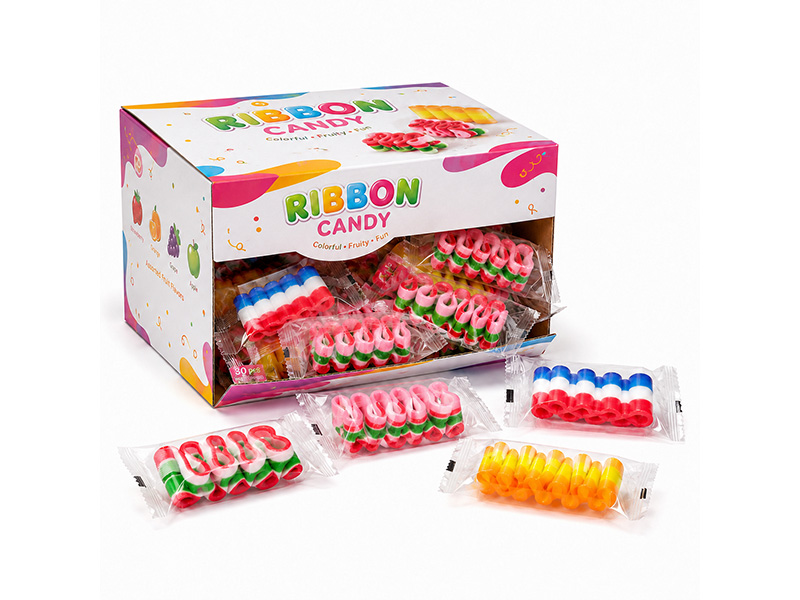
4. Display Boxes
Display boxes work best for convenience stores, candy shops, supermarket checkout areas, and seasonal display zones. This format improves shelf appeal and encourages impulse purchases.
5. Private Label Packaging
Private label packaging is for brands, importers, and chain retailers. Colors, patterns, logos, language versions, and retail specifications can be customized to align with the buyer’s brand identity.
Moisture migration is one of the main drivers of shelf-life loss, like hard candies. Therefore, it requires packaging that balances visual appeal, moisture protection, and shipping protection.

How to Source Ribbon Candy from a Manufacturer
You may plan to source ribbon candy for the first time. Or, you can switch suppliers. No matter the case, there’s a practical way to approach it.
- Confirm your target market and sales channel. A supermarket program, an e-commerce launch, and a gift-box collection all call for different pack sizes and presentation.
- Confirm the flavors, colors, and holiday theme you need. Decide early whether you’re going traditional, fruit-forward, or a custom mix.
- Confirm the packaging format, whether that’s bulk packs, retail bags, gift boxes, or display boxes.
- Confirm whether you need private label packaging or OEM/ODM customization. It affects both cost and lead time, so it’s worth locking down early.
- Confirm food safety certificates, export documents, and any requirements specific to your target market. Different countries have different labeling and safety rules.
- Confirm samples, quotation, packaging artwork, and mass production lead time. Get everything in writing before mass production starts.
- Arrange production and shipment well ahead of the Christmas sales season. Seasonal freight capacity gets tight in the fall, so build in a buffer.
This is where supplier capability starts to matter. A top-tier manufacturer like MPS offers OEM/ODM experience, private-label services, stable production capacity, and export experience.
It even holds proper certification documents with full-container or mixed-product container loading. The MOQ (Minimum Order Quantity) is one 20-foot container with a mix of 2-3 SKUs.
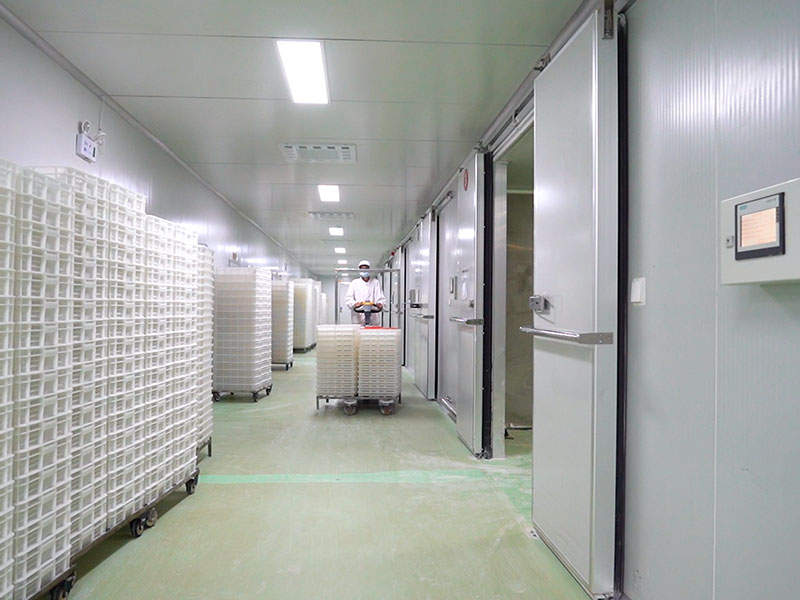
When Should Buyers Order Christmas Ribbon Candy?
Christmas candy is highly seasonal. That’s why perfectly timing your order can make a difference in your holiday sales window. Take a look at the general timeline that works for most importers and retailers.
- January–March: Product planning, market positioning, and packaging concept development.
- April–June: Sample development, quotation discussion, packaging artwork, and order confirmation.
- July–September: Mass production, inspection, booking, and export shipment planning.
- October–November: Arrival at the target warehouse, retail channels, and Christmas sales terminals.
Avoid new product development too close to the holiday season. Your ribbon candy project may need custom packaging or OEM/ODM development. In that case, early planning becomes more important.
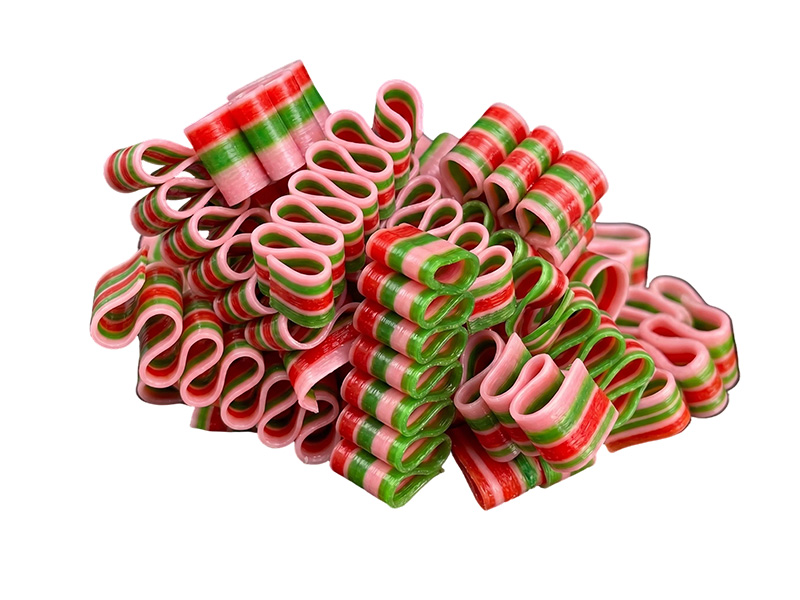
Quality Considerations for Ribbon Hard Candy
Quality issues in ribbon hard candy tend to show up in a handful of predictable places. A Proper evaluation of a supplier’s sample requires you to keep an eye on –
- Glossy Candy Surface: A dull or cloudy finish often indicates inconsistent cooking temperatures.
- Clear Color Separation: Colors should stay distinct and vivid, not bleed together during folding.
- Stable Flavor Performance: Flavor shouldn’t fade or turn artificial-tasting after a few weeks in storage.
- Consistent Wave-Like Ribbon Shape: Uneven folds usually mean the shaping process isn’t well controlled.
- Even Candy Thickness: Thickness variation affects both appearance and how the candy breaks.
- Controlled Breakage Rate: Some breakage is normal for hard, brittle candy, but excessive breakage indicates packaging or handling problems.
- Moisture-Resistant Packaging: It protects against stickiness, as industry storage guidance recommends protection from high humidity and sunlight.
- Export-Ready Carton Strength: Cartons need to withstand multiple handling points between the factory and the store shelf.
- Availability of Specifications, Test Reports, COA, and Related Documents: These should be ready before you place a large order, not after.
- Compliance with Target Market Food Safety Requirements: Rules vary by country, so confirm it early in the sourcing conversation.
These details matter more than they might seem at first glance. A candy that looks great in a sample photo but arrives broken or sticky after shipping isn’t going to perform well on a retail shelf.
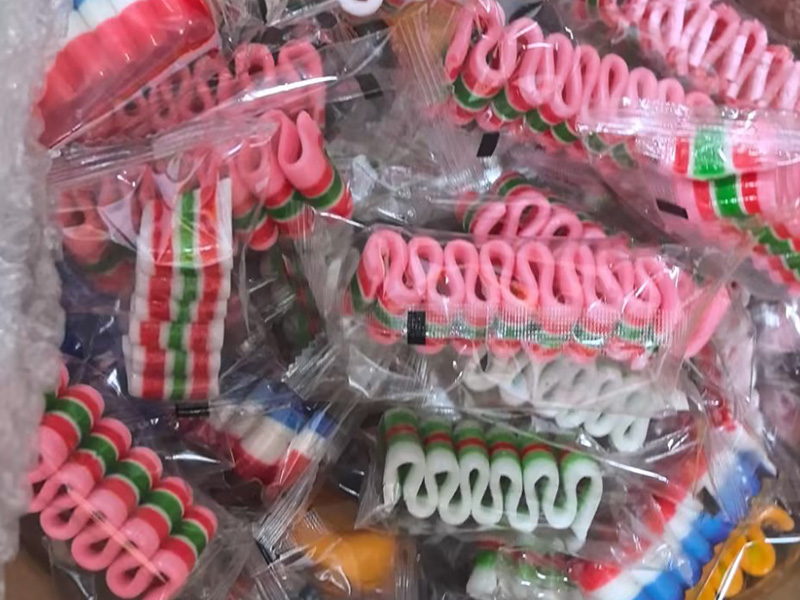
Frequently Asked Questions
1. What is ribbon candy made of?
Ribbon candy primarily comes from cooked sugar syrup, glucose or corn syrup, food coloring, flavoring, and formula adjustments. The final ingredients are decided based on the production requirements.
2. Is ribbon candy the same as hard candy?
Yes. Ribbon candy is a type of hard candy. However, it forms thin, folded ribbon-like waves. And it gives the candy a more decorative and festive appearance than standard hard candy shapes.
3. Why is ribbon candy popular at Christmas?
Ribbon candy is popular at Christmas for its festive colors, decorative shapes, and nostalgic appeal. It also features traditional uses in holiday candy dishes, gift boxes, and seasonal candy assortments.
4. How is ribbon candy made?
Ribbon candy is made by cooking sugar syrup, adding colors and flavors, and forming the warm candy into thin strips. The strips get folded or crimped into ribbon shapes for cooling, cutting, and packaging.
5. What are common ribbon candy flavors?
It’s difficult to narrow down the options without knowing the customers. Peppermint, spearmint, wintergreen, cinnamon, cherry, raspberry, orange, lemon, grape, and mixed fruit flavors remain popular worldwide.
6. Can ribbon candy be customized for private label brands?
Yes. Manufacturers can customize ribbon candy flavors and colors. You can even request customized packaging, retail pack sizes, gift boxes, display boxes, and carton specifications for private label brands.
7. How should ribbon candy be stored?
Ribbon candy should be stored in a cool, dry place away from heat and humidity. Since it’s a hard candy, exposure to excessive moisture eventually leads to stickiness and can even affect overall quality.

Conclusion
We believe you’re likely evaluating ribbon candy as a real part of your potential Christmas lineup. Knowing how manufacturers make ribbon candy and the varieties should give you ideas about which ones to get for your customers.
Even so, you may end up calling in expert suggestions on what, how, and why for the next steps. Consider asking for a pre-shipment sample first. Also, running your own quick check against the listed factors can save a lot of headaches later in the season.
Get MPS to Source Christmas Ribbon Candy in Bulk
You may need bulk ribbon candy, private label packaging, custom flavors and colors, or full OEM/ODM development for a Christmas candy program. Whatever it is, we’re ready to provide exact samples, quotations, packaging artwork, and production timelines.
Ready to see how our ribbon candy programs can work for your Christmas lineup? Reach out to learn more about our certifications and factories on our website.