Custom lollipop development often appears straightforward at first. A buyer selects a flavor, chooses a shape, adds a stick and decides on a wrapper. In commercial production, however, these decisions are closely connected. A change in diameter affects piece weight, a heavier piece may require a different stick, a custom shape may require a new mold, and a new wrapper can introduce separate printing and packing requirements.
This is why an accurate lollipop quotation cannot be based only on flavor or a reference photo. Two products that both look like “fruit lollipops” may have completely different production costs and MOQ structures if one is a small ball lollipop and the other is a large filled or molded novelty product.
For B2B buyers, the most efficient approach is to define the product itself before focusing on unit price. The lollipop type, size, shape, flavor, filling, stick, wrapper and final retail format together determine how the product can be manufactured, packed and supplied at commercial scale.
Start with the Lollipop Format
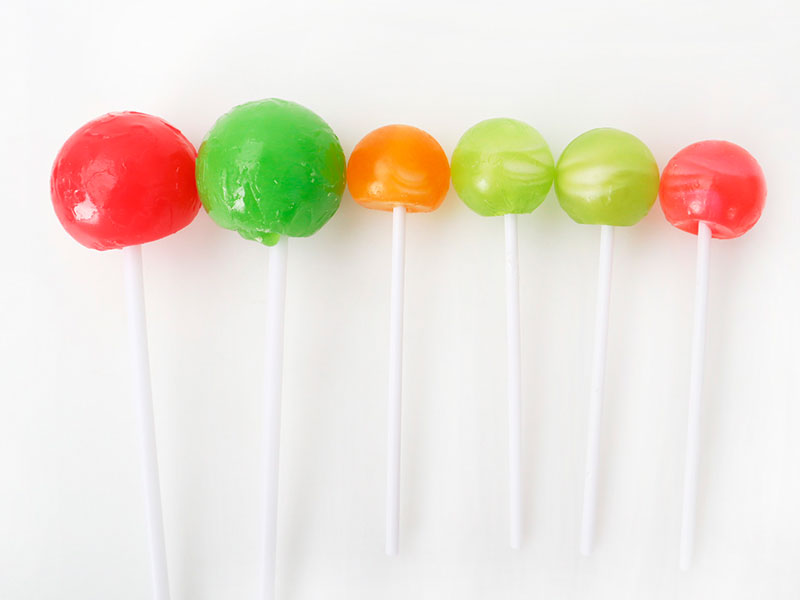
The first decision should be the physical format of the product. Traditional ball lollipops, flat molded lollipops, swirl lollipops and filled lollipops may belong to the same category, but they behave very differently during production and retail packing.
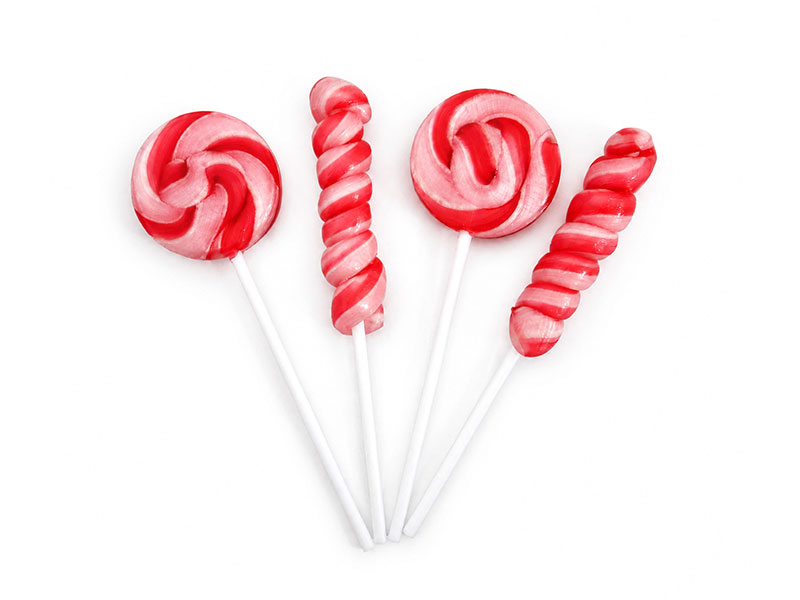
A compact ball lollipop can be suitable for large mixed-flavor bags, jars or counter displays. Flat molded products provide more visible surface area and can support decorative, seasonal or themed shapes. Swirl lollipops rely heavily on visual impact, color contrast and diameter, while filled lollipops introduce another layer of product development because the shell and center must work together.
The product format also influences the way buyers should compare quotations. A large decorative swirl lollipop uses more candy per piece than a small ball product, while a custom molded shape may require additional tooling and sampling. A filled lollipop may also involve more complex production than a standard hard-candy piece.
Before discussing price, the buyer should therefore define what type of lollipop the market actually needs.
Product Specifications Affect One Another
Lollipop development works best when the product is treated as one complete system rather than a collection of separate choices.
| Specification | Why It Matters in Production | What the Buyer Should Decide |
|---|---|---|
| Lollipop type | Determines forming method and production structure | Ball, flat, swirl, filled, molded or other format |
| Piece size / weight | Affects candy usage, unit cost and retail count | Target diameter, length or approximate piece weight |
| Shape | May require an existing or custom mold | Standard shape or proprietary design |
| Flavor and color | May create separate production runs | Number of flavors and color combinations |
| Filling | Changes product structure and process complexity | Powder, syrup, chewy center or another feasible direction |
| Stick | Must suit product size and format | Length, material and overall proportion |
| Individual wrapper | Affects packing line and presentation | Suitable standard or custom-printed format |
| Retail format | Determines how individual pieces are sold | Retail bag, jar, display box, multipack or individual sale |
| Order quantity | Determines commercial feasibility | Expected pieces or production volume per SKU |
These decisions are connected. Increasing the candy diameter may increase piece weight, which may then require a longer or stronger stick. A longer stick changes package dimensions, while a larger retail package changes master-carton dimensions and freight efficiency. For this reason, final product specifications should be developed together rather than one at a time.
Size Is One of the Most Important Commercial Decisions
Lollipop size affects the product visually, physically and economically. A larger piece contains more candy, which increases unit cost and can also affect cooling time, stick requirements and retail packaging. A smaller piece uses less candy, but every unit still requires its own stick, wrapper and packing operation.
For this reason, cost per kilogram is not always the most useful way to evaluate a lollipop project. In many cases, buyers need to understand the cost per finished piece, especially when lollipops will be sold individually or arranged in counter displays.
Piece size also influences the number of units inside a retail pack. A buyer planning a bag of 50 lollipops needs to consider the total finished weight, package dimensions and retail price. A buyer selling one large novelty lollipop at a time needs to focus more heavily on individual presentation and unit economics.
Selecting the approximate size early makes later sampling and quotation much more meaningful.

Diameter Alone Does Not Define the Product
Two lollipops can have the same diameter while using very different amounts of candy. A thin flat lollipop may have a large visible surface but relatively low piece weight, while a thick ball lollipop of similar width can weigh much more. Swirl lollipops can also vary substantially in thickness even when their overall diameter looks similar.
This is important when buyers use reference photos. A photograph communicates the visual direction but does not define thickness, piece weight or exact dimensions. If these characteristics are important, a physical reference sample or approximate measurements can help the manufacturer evaluate the project more accurately.
The final target should balance visual impact with commercial practicality. A product that looks impressive but becomes unnecessarily heavy or difficult to pack may not be the best format for large-scale distribution.
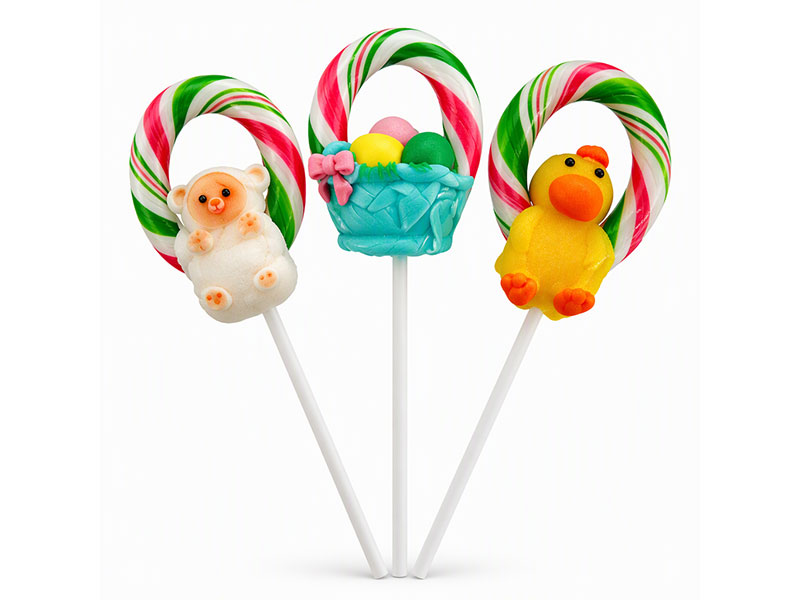
Custom Shapes Need to Be Designed for Hard Candy Production
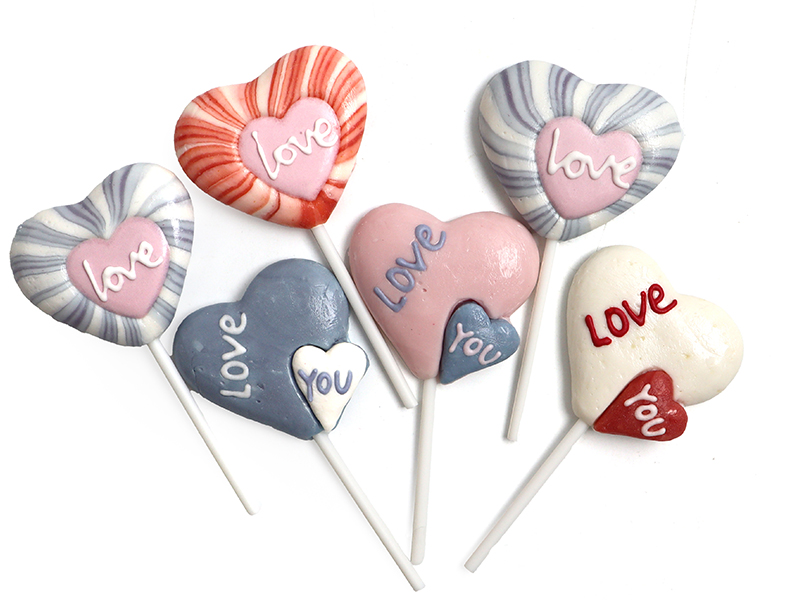
Custom shapes can give private label and seasonal lollipop programs a stronger identity, but not every illustration can be converted directly into a practical candy mold.
Very thin sections can become fragile. Extremely fine details may lose definition. Sharp areas may be more vulnerable to breakage, and the position of the stick can limit how certain designs are formed. The candy also needs enough thickness to survive normal packing and transportation.
For commercial production, the goal is therefore not to reproduce every small line from the original artwork. The goal is to preserve the recognizable elements of the design while making the shape stable enough for consistent manufacturing.
Some simplification during mold development can improve the final product rather than weaken the concept. A good custom lollipop should remain recognizable after forming, wrapping, packing and international transportation.
Stick Length Is Part of the Product Design
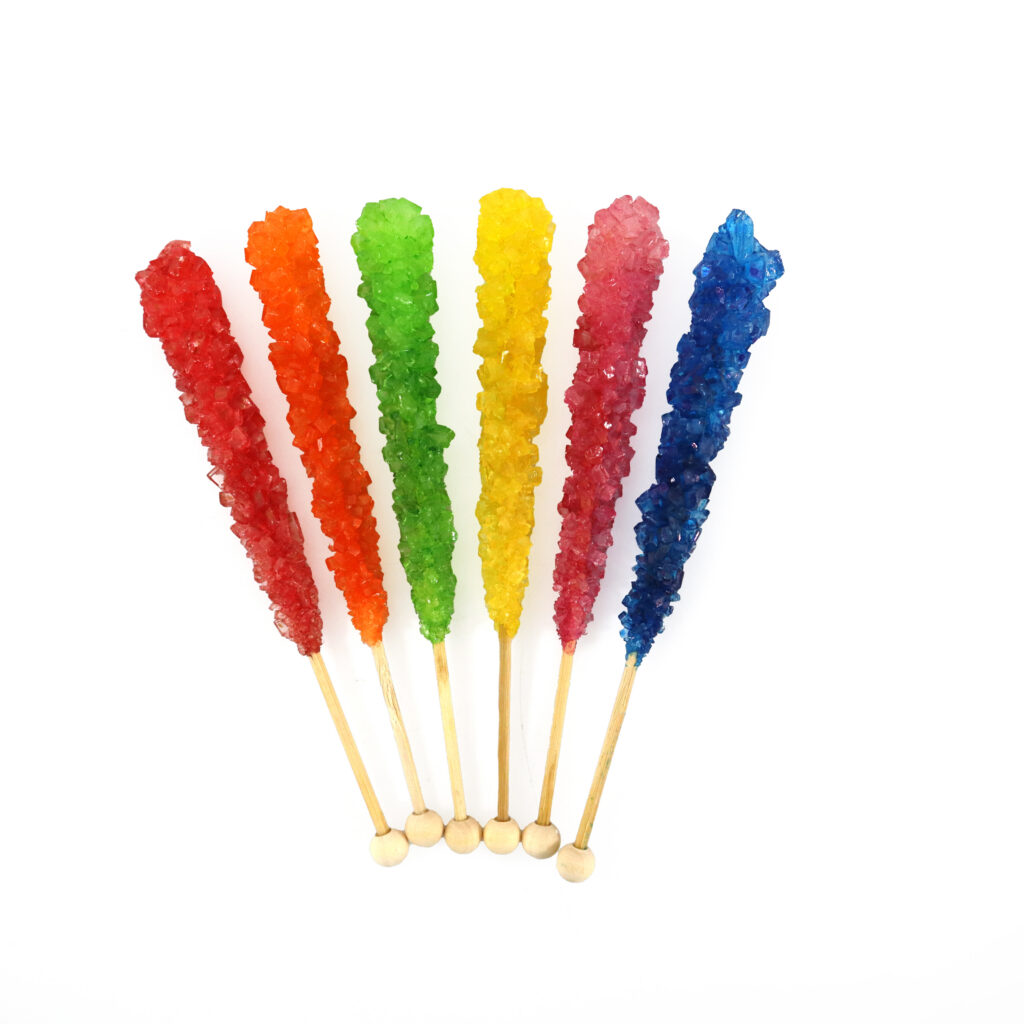
The stick may appear to be a small component, but it influences both usability and packaging. A larger lollipop normally needs enough stick length to remain comfortable to hold, while a small ball lollipop can use a more compact format. Display boxes and retail bags can also limit the total product height.
An unnecessarily long stick increases package volume and may reduce carton efficiency. A stick that is too short can make the product look visually unbalanced or less convenient for the consumer. The relationship between candy size and stick length should therefore be evaluated during sampling.
For novelty or decorative products, stick appearance may also contribute to the overall visual direction, but functionality and product stability should remain the primary consideration.

Flavor Planning Should Match the Commercial Volume
Lollipops are easy to imagine in large flavor assortments, but every additional flavor can create another production combination. A buyer may initially request strawberry, apple, grape, orange, watermelon and blue raspberry, yet the final order quantity may not support all six flavors efficiently.
For many candy products, production MOQ is influenced by the number of separate flavors or production batches. Lollipops can be particularly different from weight-based bulk candy because they are often piece-counted and individually wrapped. Depending on the project, MOQ may therefore be calculated by pieces, packaging quantity or production batch rather than only by metric tons.
A focused initial flavor range can make production, inventory and packaging easier to manage. Additional flavors can then be introduced later based on real sales performance rather than launching every possible option at once.
Filled Lollipops Require a Different Development Approach
Filled lollipops involve more than placing another ingredient inside a standard hard candy. The shell and center need to work together during production, storage and consumption.
Possible directions may include powder, syrup, chewy centers or other technically suitable fillings. However, maximizing the filling is not automatically the best solution. A high filling ratio can weaken the outer candy structure or create an unbalanced eating experience.
The better target is a clear but controlled contrast between shell and center. The buyer should consider the first hard-candy flavor, the point at which the filling becomes noticeable and how the two components interact throughout consumption.
Commercial reliability is more important than creating the most dramatic cut-open sample for photography.

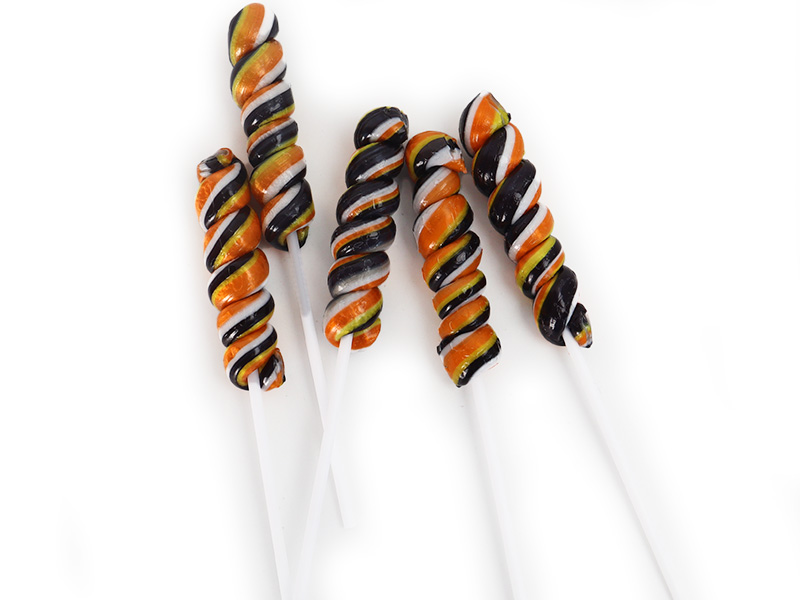
Swirl Lollipops Depend Strongly on Visual Impact
Swirl lollipops are particularly visual products. Their retail appeal depends heavily on color contrast, stripe pattern, diameter and overall presentation. For this reason, buyers should consider how the complete product will look at normal retail distance rather than judging only a close-up sample.
Larger diameters can create stronger shelf presence, but they also increase piece weight, stick requirements, package dimensions and shipping volume. A very large swirl lollipop may be appropriate for specialty or gift-oriented retail but less efficient for high-volume mainstream distribution.
The correct size should therefore reflect the intended retail position rather than the assumption that a larger swirl is always more valuable.
Packaging Artwork Should Follow Stable Product Dimensions
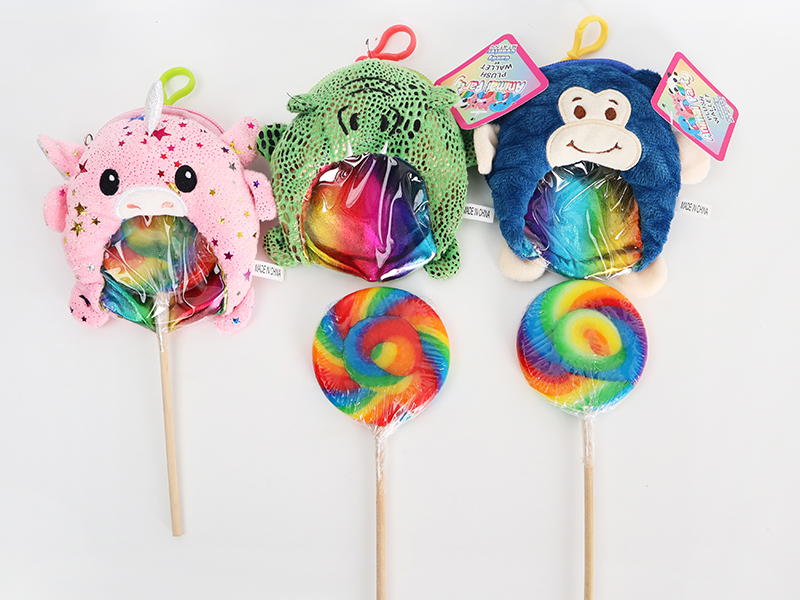
Private label buyers often begin packaging design while samples are still being developed. This is normal, but final printing should wait until the important physical specifications of the lollipop are stable.
A change in diameter can affect the retail bag. A longer stick can require a different display box. A different piece weight can change the number of units or declared net weight. If packaging is printed before these details are finalized, a relatively small product adjustment can create unnecessary packaging costs.
Branding and product development can move in parallel, but the final technical packaging specifications should follow the approved physical product.
Breakage Should Be Considered Before Export
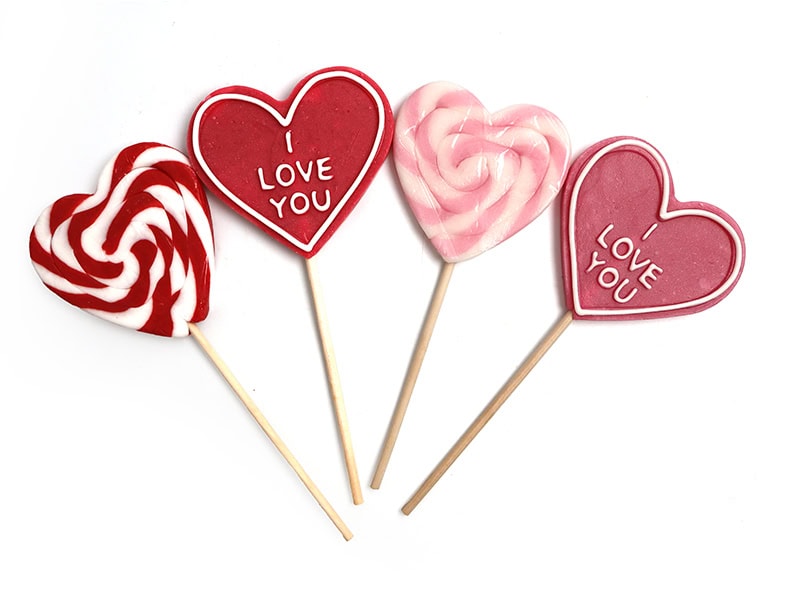
Hard candy is generally shelf-stable, but lollipops introduce additional physical risk because the candy is attached to a stick. Large flat products and decorative molded shapes may be more vulnerable to breakage than compact ball lollipops.
Individual wrapping protects the surface, but secondary packaging and master cartons are also important. The product needs to survive factory handling, container loading, ocean transportation, unloading and distribution before reaching the final retailer.
A successful custom lollipop is therefore not only one that looks attractive immediately after production. It must also remain commercially acceptable after the full logistics process.
Unit Price Only Makes Sense When Specifications Are Comparable
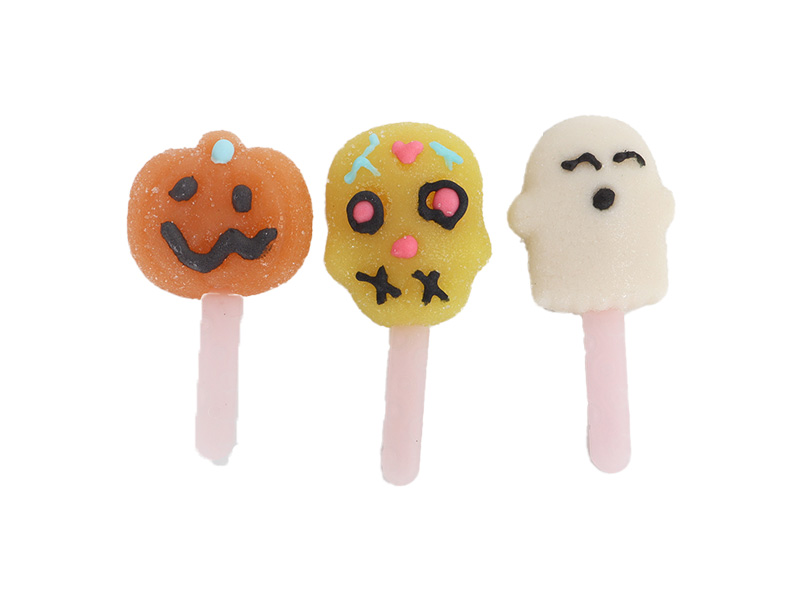
Two lollipop quotations can show very different unit prices even when both are described as “custom lollipops.” The difference may come from piece weight, shape, filling, wrapper, stick, mold requirements or retail packaging.
A small standard ball lollipop naturally has different economics from a large custom molded product. A standard wrapper differs from a dedicated printed wrapper, and a counter-display program introduces another packaging layer.
For this reason, buyers should compare quotations only after confirming that the product specifications are comparable. Piece size, flavor, filling, stick, wrapping, retail format and trade terms all influence the final commercial price.
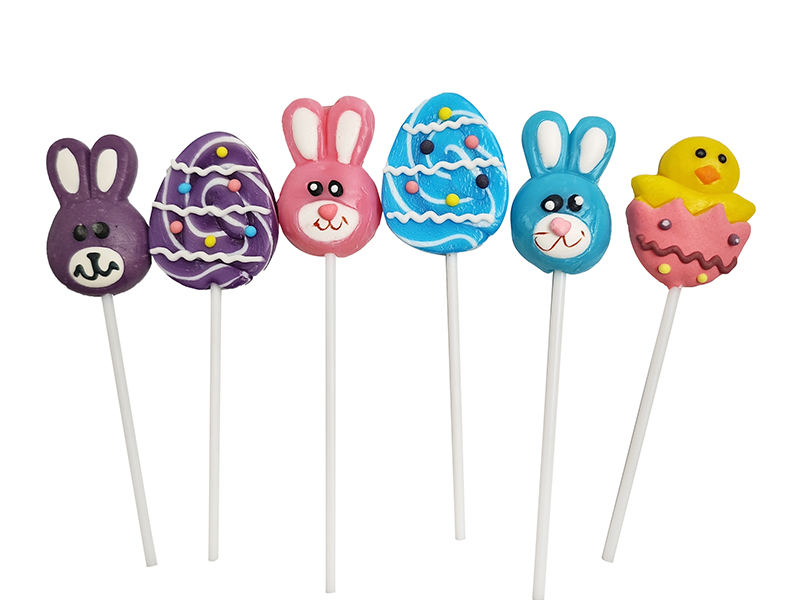
Lollipop MOQ May Not Follow the Standard Weight-Based Candy Model
For many candy products, approximately 2–4 metric tons per flavor can be used as a general MOQ reference. Lollipops, however, should not automatically be assumed to follow exactly the same calculation.
Because they are piece-counted and individually wrapped, some lollipop projects may be calculated by pieces, packaging quantity or production batch. A custom mold, unusual size, dedicated wrapper or display-box structure can also affect the final commercial requirement.
The exact MOQ should therefore be confirmed after the lollipop specification is clear. Buyers should first define the product and then determine how that product can be manufactured efficiently.
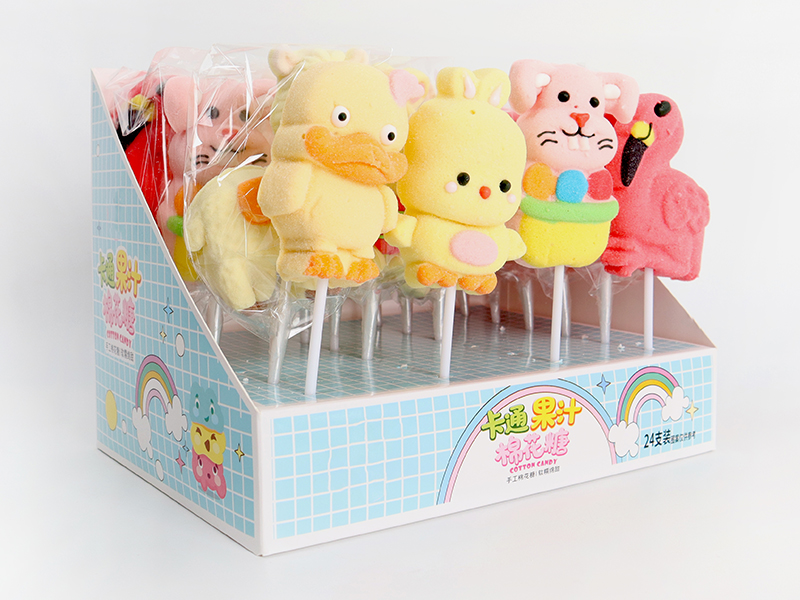
Existing Product or Full Custom Development?
Not every private label lollipop needs to begin with a new mold.
An established ball, flat or swirl format can often be customized effectively through flavor, color, size and branded packaging. This route normally reduces development complexity and can move more efficiently toward commercial production.
A custom mold becomes more valuable when the shape itself is central to the retail concept or brand identity. Specialized fillings may be justified when the eating experience provides meaningful differentiation.
The correct level of customization should depend on what consumers will actually notice and what the expected commercial volume can support. Customization creates value when it improves the product proposition, not simply because more elements have been changed.

A Better Quotation Begins with a Better Product Brief
The quality of a quotation depends heavily on the information available to the manufacturer. A request for “custom lollipops” does not define enough of the product to produce a meaningful commercial proposal.
A stronger inquiry identifies the target market, lollipop format, approximate size, flavor direction, whether a filling is required, intended retail format and expected commercial quantity. A reference image, drawing or physical sample can also help communicate the product direction, provided the final development does not reproduce protected branding or proprietary appearance.
With this information, the manufacturer can determine whether an existing production format is suitable or whether deeper OEM/ODM development is required.

Sample Approval Should Reflect the Commercial Product
The development sample should ultimately represent something that can be manufactured consistently at scale. Buyers should therefore evaluate more than the first impression.
For swirl products, visual consistency and color balance matter. For custom shapes, recognizability and structural strength matter. For filled lollipops, the relationship between shell and center matters. For individually wrapped products, the wrapper should fit the candy and stick correctly.
If the project uses a display box or multipack, those components should eventually be evaluated together with the physical product.
A successful sample is not simply attractive. It is a realistic reference for commercial production.

Frequently Asked Questions
1. What information should I provide for a custom lollipop quotation?
The most useful information includes the target market, preferred lollipop type, approximate size or piece weight, flavor and color direction, whether filling is required, intended retail format and expected commercial quantity. A reference image or physical sample can also help communicate the desired direction.
2. Can MPS manufacture private label lollipops?
Yes. MPS supports commercial OEM, ODM and private label lollipop projects for international B2B buyers. Suitable projects may include customization of flavor, color, size, shape, filling and retail packaging depending on manufacturing feasibility.
3. What types of lollipops are available?
MPS supports several formats, including traditional ball lollipops, flat or molded hard lollipops, swirl lollipops, filled lollipops and selected novelty or seasonal formats.
4. Can I create a custom lollipop shape?
Yes. Suitable custom shapes can be evaluated according to mold feasibility, candy thickness, stick position, structural strength and commercial production requirements.
5. Can I customize lollipop size?
Yes. Size can be adjusted according to the selected product format and production requirements. Piece size affects weight, stick selection, unit cost, packaging and freight efficiency.
6. Can lollipops have a filling?
Yes. Selected formats can be developed with suitable powder, syrup, chewy or other technically feasible fillings. The shell and center need to be evaluated together for both product experience and manufacturing stability.
7. Can I use my own branded wrapper?
Private label wrapping can be discussed for suitable commercial projects. Custom printed wrappers may have separate printing minimums and need to match the final lollipop dimensions and packing equipment.
8. Can lollipops be packed in display boxes?
Yes. Individually wrapped lollipops can be developed for suitable display-box, retail-bag, jar, multipack and other commercial programs.
9. Can different lollipops be combined in one container?
Yes. Once each selected product meets its applicable production requirement, different qualifying lollipop products and other MPS candies can be combined in the same container when shipping requirements are compatible.
10. Can I request samples before placing a bulk order?
Yes. Samples can be arranged to evaluate flavor, size, shape, color, filling and overall product direction before commercial production.
11. How long does a custom lollipop project take?
Timing depends on the product and level of customization. Products using established shapes generally require less preparation than projects involving new molds, specialized fillings or dedicated packaging. For many MPS commercial projects, production planning is generally around 4–8 weeks after the necessary product, packaging, commercial terms and payment arrangements are confirmed, while deeper development may require additional time.
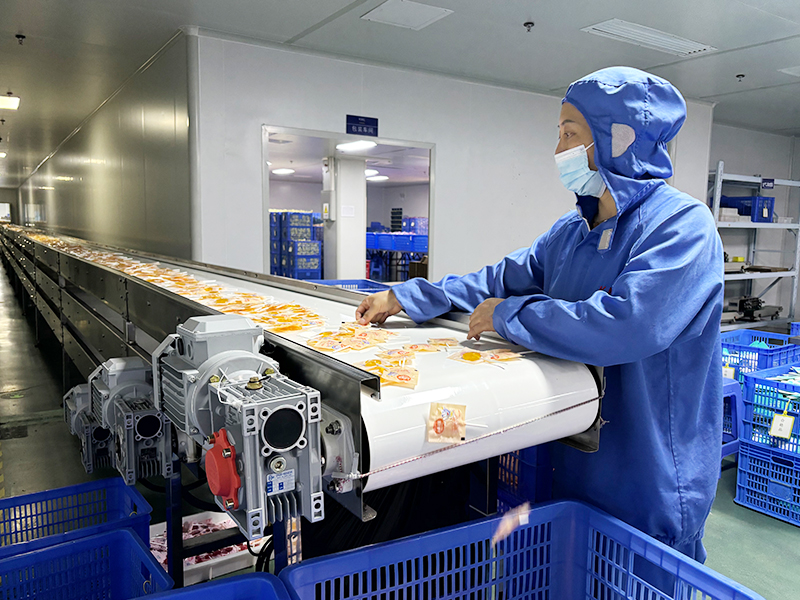
A Better Lollipop Project Begins with a Better Specification
“Custom lollipop” can describe very different products. A small ball lollipop, a large swirl lollipop, a filled product and a proprietary molded shape may all belong to the same category, but they do not create the same manufacturing, packaging or commercial requirements.
For B2B buyers, the most efficient development process begins by defining the physical product before comparing prices. The type, size, shape, flavor, filling, stick, wrapper and retail format all influence how the final product will be manufactured and supplied.
Once these specifications are clear, the manufacturer can provide a more realistic quotation, MOQ and sample direction. This turns a general request for “custom lollipops” into a product that can actually be manufactured, shipped and reordered at commercial scale.
MPS Candy is a China-based candy manufacturer and exporter supporting commercial lollipop production, OEM/ODM development and private label programs for international brands, importers, distributors, wholesalers and retail buyers.
Developing a Custom Lollipop Project?
Send MPS your target market, preferred lollipop type, approximate size, flavor direction, filling requirement, retail format and expected commercial quantity. Our team can evaluate the product requirements and recommend a suitable production and customization route.