A new candy product may begin with a flavor idea, an unusual texture, a sketch, a reference sample or even a photograph of something seen in another market.
Turning that idea into a commercially viable product, however, requires much more than reproducing its appearance.
The candy must work with the available production process, remain stable during storage, perform correctly in its packaging and reach a cost that makes sense for the intended retail channel. A product that looks successful as a small development sample may behave differently when it is manufactured continuously in commercial quantities.
For this reason, custom candy development is not simply a matter of choosing a flavor, color and package. It is a series of technical and commercial decisions that connect the original idea with repeatable manufacturing.
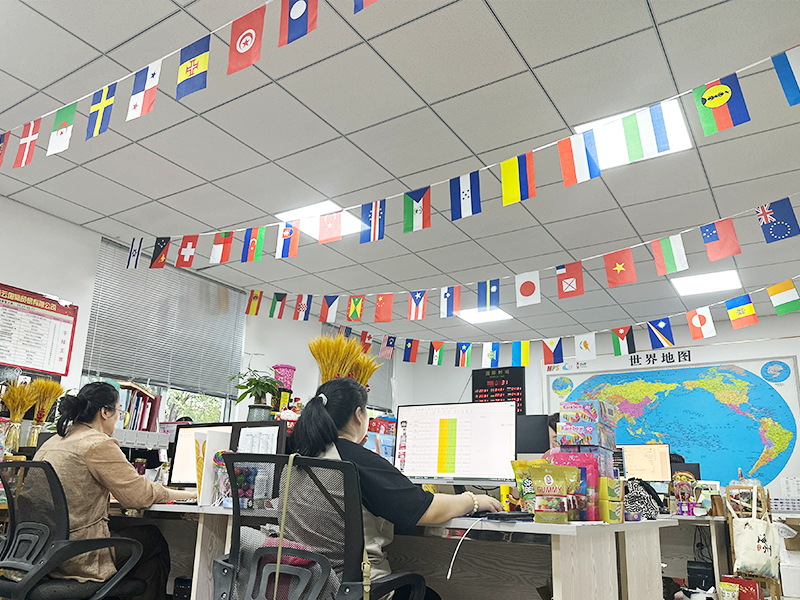
MPS Candy works with international candy brands, importers, distributors, wholesalers and retail buyers to evaluate these decisions before a project enters bulk production.
Depending on the customer’s starting point, development may begin with an existing factory product, a reference sample, a detailed specification or a completely new candy concept.
What Makes a Candy Idea Commercially Viable?
A creative idea is only the beginning of candy product development.
Consider a buyer who wants a gummy with a thin outer layer, a large liquid center and a highly detailed shape. Each requirement may appear achievable on its own, but combining them in one product can create technical conflicts.
A thin gummy shell may not be strong enough to hold a large amount of filling. A detailed mold may make the candy difficult to release consistently. Increasing the filling may slow production or create leakage during storage. Packaging selected mainly for its appearance may not offer enough protection against heat, moisture or pressure during international transportation.
The manufacturer therefore has to evaluate the product as a complete system rather than approving each feature separately.
A commercially viable candy must balance four areas:
- The intended eating experience
- Stable and repeatable production
- Packaging and shelf-life performance
- A commercially realistic cost
These areas influence one another.
A larger candy piece may create stronger shelf impact, but it also changes the number of pieces per bag, package weight, carton configuration, freight efficiency and retail price.
A softer gummy texture may improve the eating experience, but it can also make demolding, coating and hot-weather transportation more difficult.
A highly customized package may strengthen the brand presentation, but it may require a higher packaging MOQ and a longer preparation period.
Successful custom candy development is therefore not about adding as many features as possible. It is about identifying which features matter most and developing a product that can be produced consistently at the required scale.
Three Common Starting Points for Custom Candy Development
Custom candy projects usually begin in one of three ways. The right development route depends on how much of the product has already been defined.
1. Starting with an Existing Factory Product
The most efficient route is often to begin with an established product, formula and mold.
The buyer may select an existing gummy, hard candy, lollipop, marshmallow or novelty product and adjust suitable elements such as the flavor, color, sweetness, sourness, assortment or packaging.
This route reduces development complexity because the main product structure and production process have already been used in commercial manufacturing.
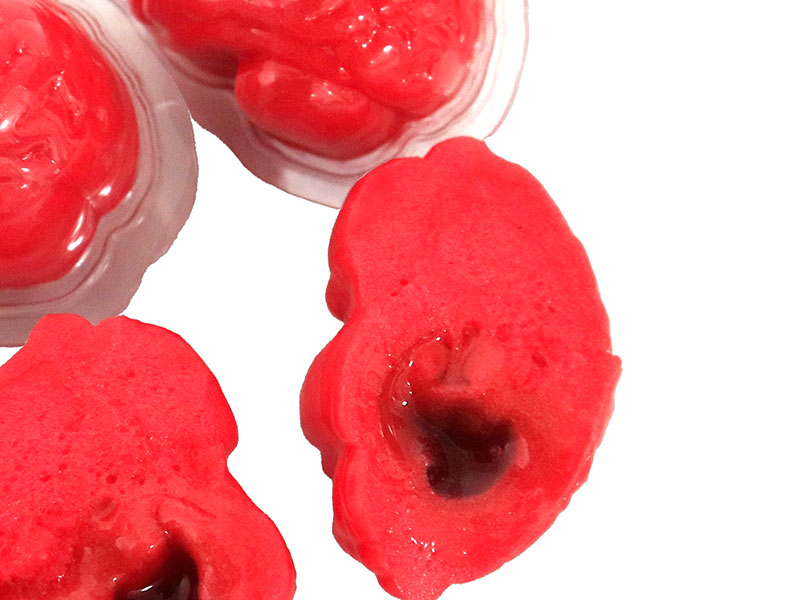
For example, a buyer may select an existing gummy ring and develop a new fruit-flavor assortment, coordinated product colors and branded retail packaging. The product is still differentiated for the target market, but the factory does not need to rebuild the complete manufacturing process from the beginning.
This approach is suitable for buyers who want to launch a private label range more efficiently or expand into a new candy category with lower technical risk.
2. Starting with a Reference Sample or Specification
Many buyers approach a candy manufacturer with a physical sample, product specification or clear description of an existing product.
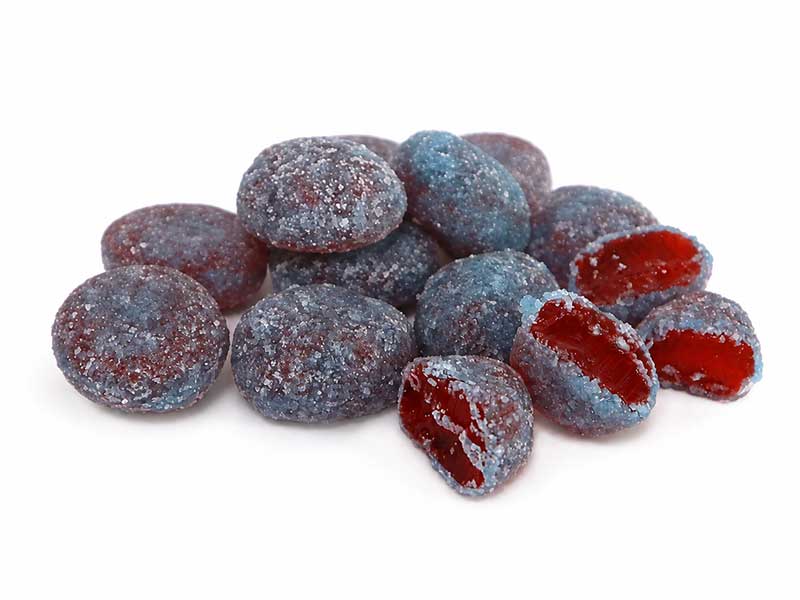
A reference sample is useful because it communicates the intended eating experience. It may show the desired softness, flavor strength, coating, filling, shape or piece size.
However, the sample does not reveal every part of the manufacturing process.
It does not automatically provide the full formula, cooking conditions, cooling process, shelf-life performance or packaging requirements. It may also include a protected shape, brand identity or packaging design that should not be copied.
The first task is therefore to determine which product characteristics are essential to the buyer.
For one customer, the most important feature may be a soft and elastic gummy texture. For another, it may be the contrast between a crunchy coating and a chewy center. A third buyer may care more about the piece size, package weight or target selling price.
Once these priorities are clear, the factory can recommend a development route that preserves the intended consumer experience while using a structure that is practical for stable commercial production.
3. Starting with a New Product Concept
Some customers begin with an idea rather than a finished product.
They may want:
- A gummy with two different textures
- A candy with a liquid or jam filling
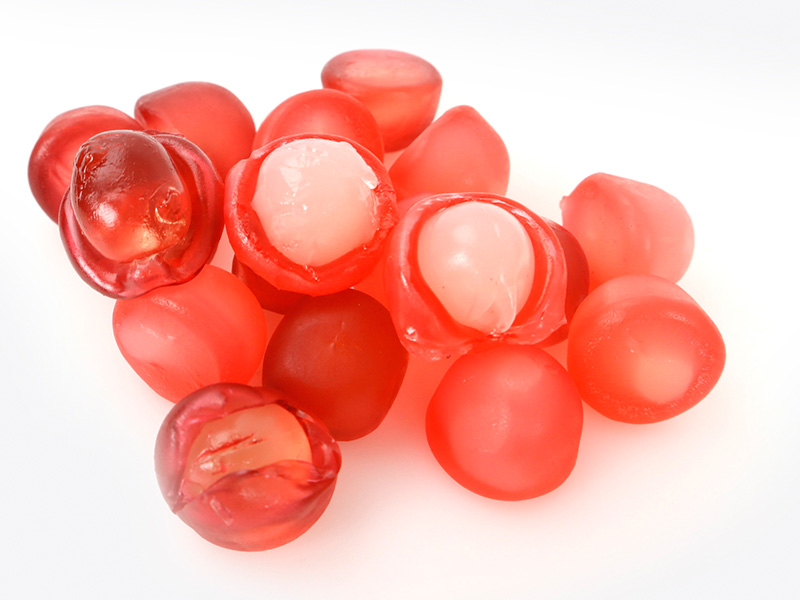
- A peelable candy structure
- A new fruit or character shape
- A seasonal product
- A crunchy coating over a soft center
- A product combining gummy, powder or hard candy elements
At this stage, the idea normally needs to be translated into a clearer technical brief.
The manufacturer needs to understand the target market, intended retail channel, expected order quantity, target price, package format and most important product feature.
Without this information, it is difficult to determine whether the concept should use a gummy, hard candy, marshmallow, bubble gum or another confectionery structure.
A successful project brief does not need to contain a complete formula. It does need to explain what the consumer should see, taste and experience, and how the buyer expects to sell the product.
What Does a Candy Manufacturer Evaluate?
When a factory reviews a custom candy project, it should not look only at the requested flavor and color.
The development team must consider how the product will behave during manufacturing, packaging, storage and transportation.
1. Formula and Production-Line Compatibility
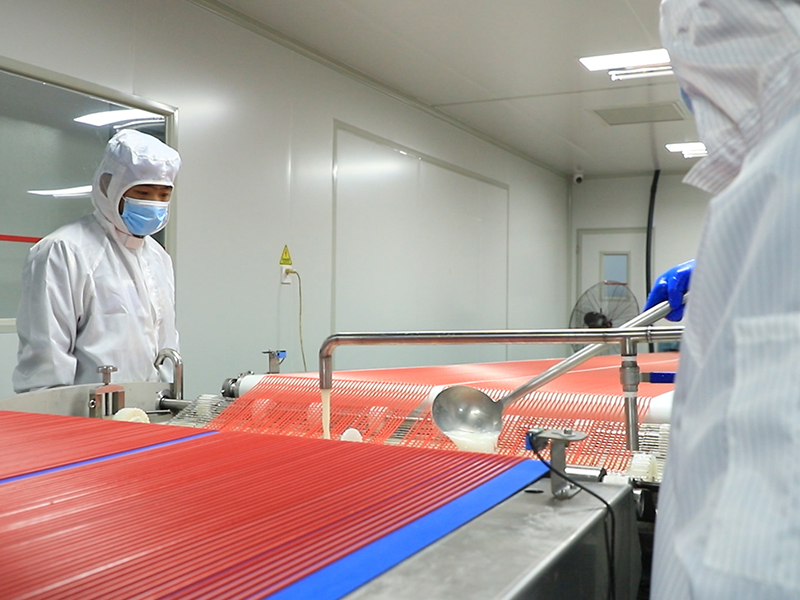
Different candy categories require different cooking, forming, cooling and packaging conditions.
A requested ingredient may work in a small trial but behave differently during continuous production. It may affect viscosity, setting time, texture, color stability or shelf life.
The formula must also be suitable for the relevant production equipment. A product designed for one type of depositing or molding process may not transfer directly to another line.
For this reason, the factory may recommend modifying the formula or using an established base system before developing more specialized features.
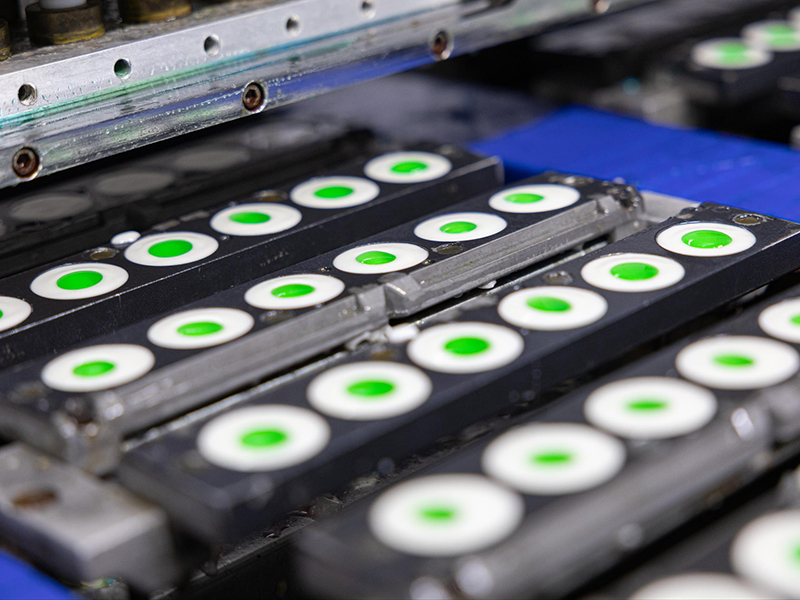
2. Shape and Mold Performance
A candy shape must do more than look attractive in a drawing.
It must release from the mold, maintain its form during handling and fit the selected packaging.
Very thin sections may tear or deform. Deep details may not reproduce clearly. A large piece may cool unevenly or require different packaging. A filled product needs enough internal space for the filling while retaining a strong outer structure.
The factory may therefore adjust the dimensions, thickness or level of detail before developing a custom mold.
These changes are not intended to weaken the original concept. They help ensure that the product can be produced consistently rather than only appearing successful in a single sample.
3. Texture and Structural Stability
Texture is one of the most important but technically difficult parts of candy development.
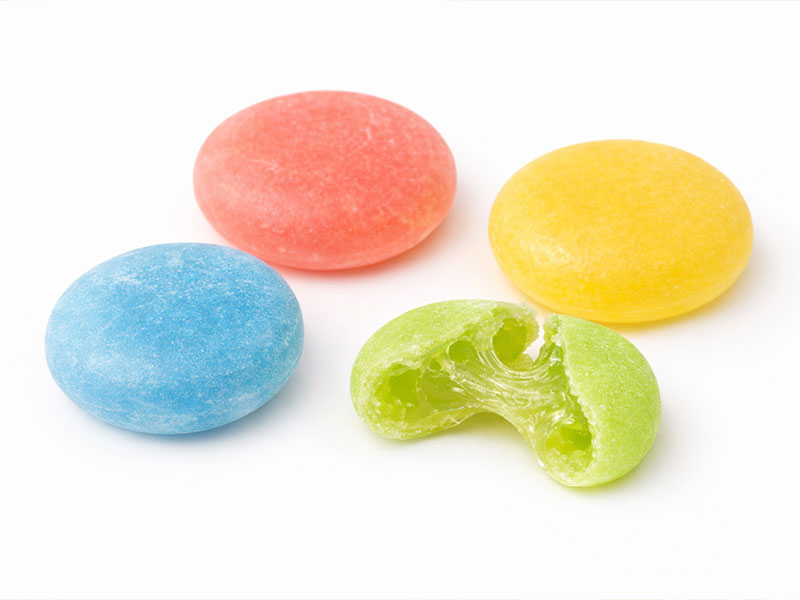
Terms such as “soft,” “chewy,” “crunchy,” “gooey” or “peelable” describe a consumer experience, but the manufacturer must convert those descriptions into a stable product structure.
A softer gummy may be more pleasant to eat but more difficult to demold and transport. A crunchy coating must remain attached to the center without becoming soft too quickly. A peelable structure needs enough separation between layers while remaining intact inside the package.
Texture must also remain reasonably consistent over the intended shelf life.
A product that has the correct texture immediately after production may change as moisture moves between the candy, coating, filling and surrounding air.
4. Filling and Coating Performance
Filled and coated candies require additional evaluation because the different components interact with one another.
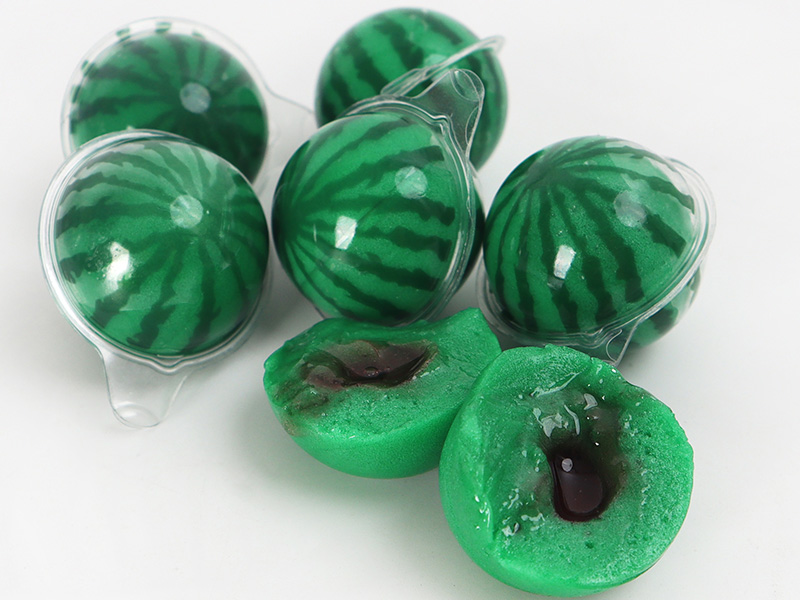
A filled gummy is not simply a normal gummy with extra liquid added inside.
If the filling ratio is too high, the outer shell may break during production or transportation. If the filling and gummy contain very different moisture levels, movement between the two components may affect texture or cause leakage.
Coated products create different challenges.
The factory must consider:
- Whether the coating adheres evenly
- Whether particles fall off during packing
- Whether products stick together
- Whether the coating remains crunchy
- Whether the package contains excessive loose powder or particles
- Whether the product can withstand long-distance transport
The coating, gummy center and packaging must therefore be developed together.
5. Packaging and Destination Conditions
Packaging is part of product development, not a separate decision made after the candy is finished.
Hard candy can absorb moisture and become sticky. Gummies may deform or stick together in hot conditions. Freeze-dried products require strong moisture protection. Filled products may need packaging that reduces pressure and leakage risks.
The intended destination also matters.
A product shipped to a cool, dry market may perform differently from the same product transported through a hot and humid route.
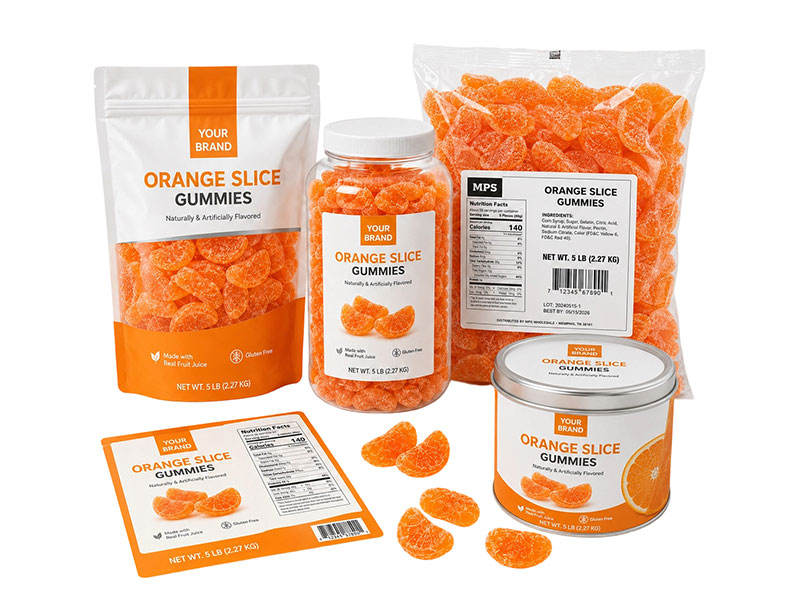
The package material, seal quality, package size and carton configuration should therefore be evaluated according to the product and shipping conditions.
6. Cost and Retail Positioning
A technically achievable candy is not automatically a commercially successful product.
The buyer must also consider whether the production cost, packaging cost and freight structure match the intended retail price.
A complex mold, large amount of filling or highly customized wrapper may add value, but these features also affect the final quotation.
For this reason, it is useful to discuss the target sales channel and approximate price positioning at the beginning of the project.
A product intended for a supermarket family pack may require a different cost structure from a novelty item sold individually in a convenience store.

Example: Developing Crunchy Candy-Coated Gummies
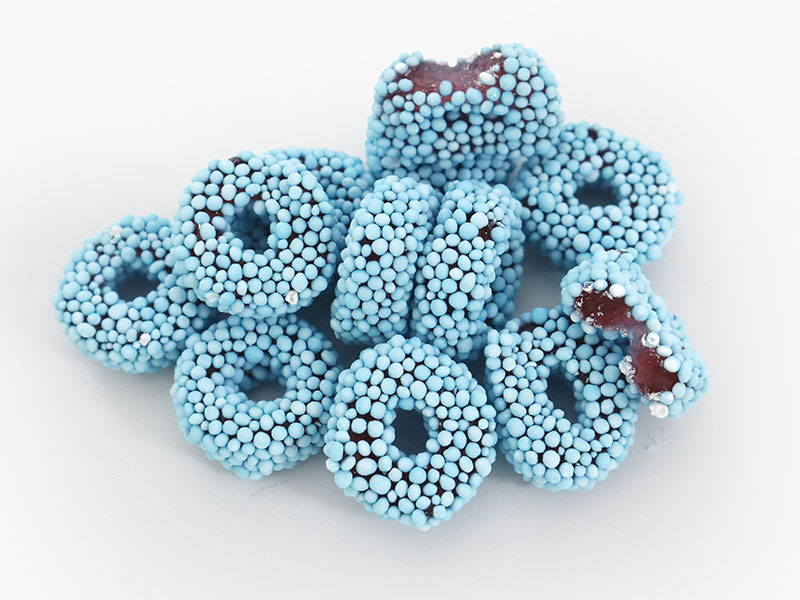
Crunchy candy-coated gummies demonstrate why custom candy development requires more than selecting a shape and color.
From the consumer’s perspective, the product is simple: a colorful crunchy exterior with a soft and chewy gummy center.
From the manufacturing perspective, several variables must work together.
The gummy center needs enough firmness to pass through the coating and packaging process without losing its shape. At the same time, it must remain soft enough to deliver the intended contrast in texture.
The crunchy particles need to attach evenly without creating excessive loose material inside the package. Their size, hardness and coverage affect both the appearance and eating experience.
The product also needs to resist sticking during storage. If moisture moves from the gummy into the coating, the crunchy layer may soften. If the product is too dry, the center may become firmer than intended.
Different shapes can behave differently as well.
A ring, star or flat worm shape may require different coating coverage, handling and package space. The selected shape therefore affects more than appearance.
The development process must balance the gummy texture, coating adhesion, particle size, product shape and packaging performance before commercial production begins.
Example: Developing a Filled Gummy
Filled gummies create a different set of technical questions.
The buyer may want a large amount of liquid or jam filling because it creates a stronger visual and sensory effect. However, increasing the filling also reduces the thickness of the surrounding gummy.
If the shell becomes too thin, the product may leak during demolding, coating, packaging or transportation.
The filling also needs to remain compatible with the gummy during storage. Differences in water activity, acidity and viscosity can change the texture of both components over time.
The factory may need to adjust the piece size, shell thickness, filling ratio or package format to achieve a stable product.
In some cases, a slightly smaller filling can produce a more reliable commercial product while still delivering the desired burst or jam-filled experience.
This is why product development decisions should be based on the complete performance of the candy rather than on a single visual feature.

Why an Approved Sample Is Not the End of Development
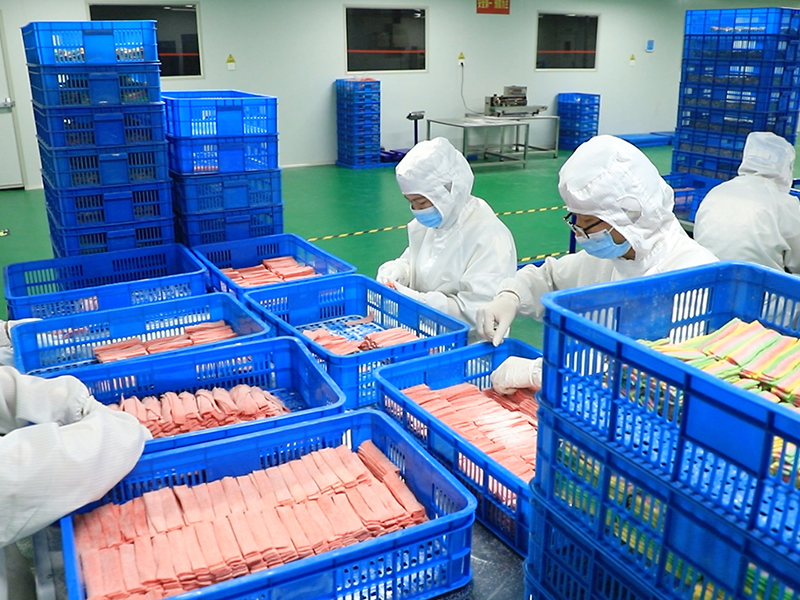
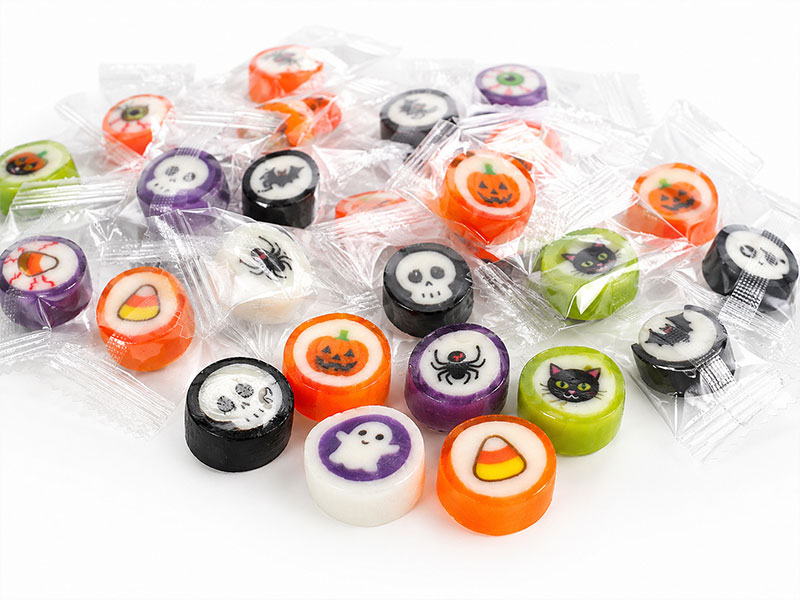
A development sample is produced in a much smaller quantity than a commercial order. Pilot-scale testing can help product developers evaluate how a concept performs under conditions closer to an industrial production line. Moving from an approved development sample to commercial production requires the manufacturer to identify and control scale-dependent risks.
When the product moves to a full production line, several conditions change.
The cooking volume is larger. Heating and cooling occur differently. The product runs continuously through forming, coating and packaging equipment. The factory must control thousands or millions of pieces rather than a small sample batch.
These changes can affect:
- Product weight
- Shape consistency
- Texture
- Filling distribution
- Coating uniformity
- Cooling time
- Packaging speed
The purpose of commercial scale-up is to confirm that the approved product can be reproduced consistently under actual production conditions.
Minor adjustments may sometimes be required during this stage. The goal is not to change the product unnecessarily, but to protect consistency between production batches.
For B2B buyers, repeatability is essential. A product must not only succeed once; it must be capable of being reordered and reproduced for future retail programs.
How MPS Candy Approaches Custom Development
MPS Candy supports custom candy projects through a structured development process.
The first stage is understanding the buyer’s objective. We review the target market, product concept, sales channel, packaging requirements and estimated commercial quantity.
The next stage is a feasibility evaluation. Our team considers the suitable product category, production line, formula direction, mold requirements, packaging and expected MOQ.
When the direction is confirmed, samples can be prepared for evaluation. The buyer reviews the flavor, texture, appearance, piece size, filling or coating and provides specific feedback.
After the product is approved, the packaging artwork, units per package, carton configuration and relevant specifications are confirmed.
The product is then prepared for commercial production, quality checks and export shipment.
Customized projects may require more than one sampling round. New molds, new formulas and complex product structures normally require more development time than projects based on an existing product.
Sample preparation and shipping costs are generally borne by the buyer. For eligible projects, certain sample charges may be credited toward a confirmed bulk order.

Choosing the Most Efficient Development Route
Not every project needs to begin with a completely new formula and mold.
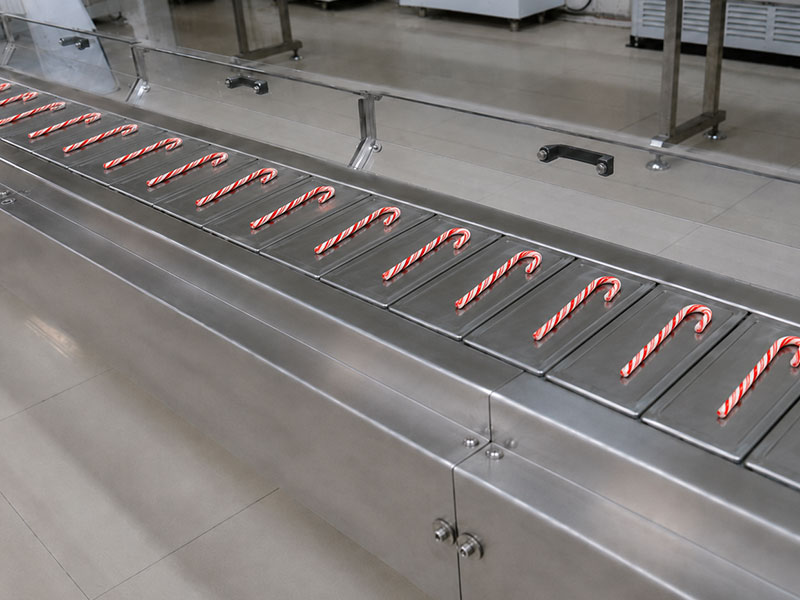
In many cases, the most commercially efficient route is to preserve the main product idea while using an established formula, existing production process or available mold.
For example, a buyer may want to launch a fruit-shaped gummy range. If a suitable mold already exists, the project can focus on flavor, color and packaging rather than spending additional time developing a new mold.
A buyer seeking stronger differentiation may decide that a custom mold or special texture is essential. In that case, a longer development process may be justified.
The correct route depends on the buyer’s priorities:
- Speed to market
- Product exclusivity
- Target cost
- Customization level
- Expected order volume
A good manufacturing partner should not automatically recommend the most complicated solution. It should help the buyer understand which features create meaningful retail value and which features add cost without improving the product enough.
Commercial Quantities and MOQ
Custom candy development is intended for commercial-scale production.
The MOQ is calculated separately for each product and depends on the formula, production line, shape, piece size, coating, filling and packaging.
For many candy products, the typical MOQ is approximately 4–6 metric tons or 30,000–60,000 pieces per product.
A new formula, custom mold, specialized individual wrapper or complex retail package may require a different minimum quantity.
A single product does not necessarily need to fill an entire container. Different qualifying products may be combined, with the total order arranged on a full-container basis for more efficient shipping and overall purchasing costs.
We can also discuss consolidating MPS Candy products with goods purchased from the buyer’s other suppliers in China.
Development Timeline
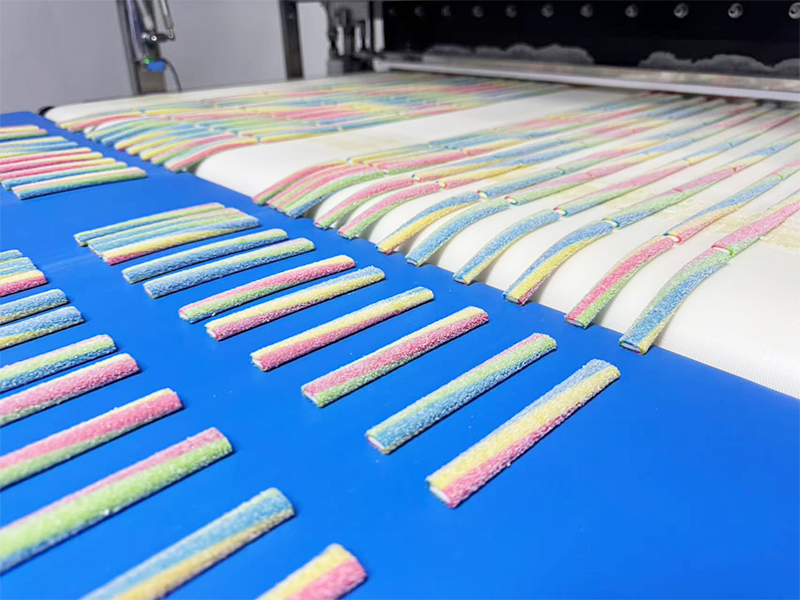
The time required depends on the complexity of the project.
A product based on an existing formula and mold can normally move forward more quickly than one involving a new formula, custom mold and new packaging structure.
Standard samples are commonly prepared in approximately 7–10 days, although complex products may require additional time.
After the sample, specification, packaging, commercial terms and payment arrangements are confirmed, normal mass production generally takes around 4–8 weeks.
New molds, repeated sample adjustments, peak production periods and special packaging may extend the schedule.
Buyers developing seasonal products should allow additional time for international shipping, import clearance and local distribution.
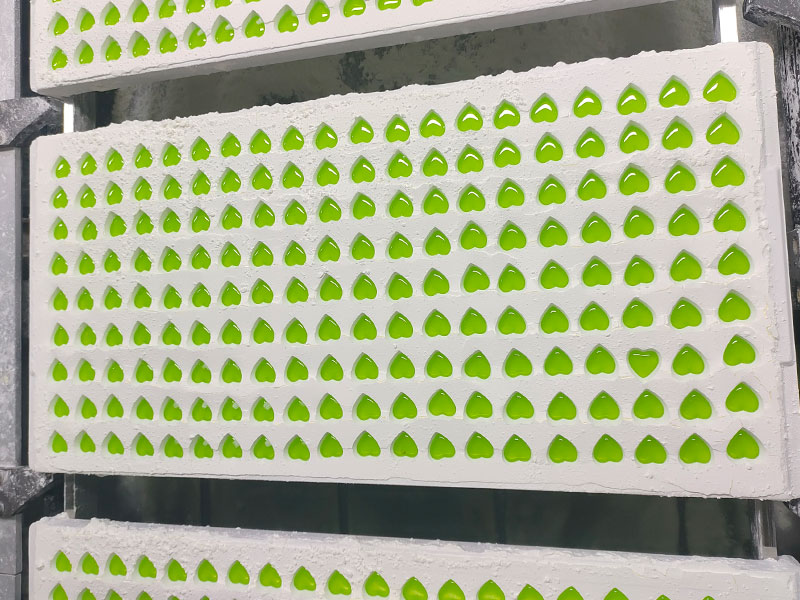
Candy Categories Available for Custom Development
MPS Candy supports development across a broad range of confectionery categories.
Our manufacturing capabilities include gummy candy, filled gummies, crunchy-coated gummies, peelable gummies, sour belts, hard candy, lollipops, bubble gum, marshmallows, freeze-dried candy, liquid candy, novelty candy, wax candy, seasonal products and selected chocolate items.
The appropriate factory and production line are selected according to the specific product structure and technical requirements.
Not every customization is suitable for every candy category. The available formula, filling, coating, shape and packaging options must therefore be confirmed for the selected product.
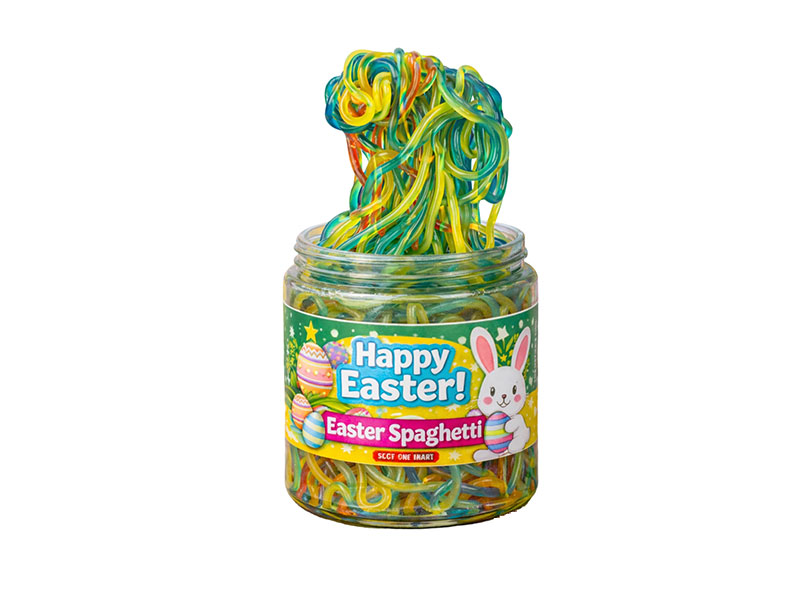
Why Work with MPS Candy?
MPS Candy is a China-based candy manufacturer and exporter supporting international B2B projects from development through commercial production.
Our group works through six specialized candy factories and more than 30 production lines, allowing us to support multiple confectionery categories rather than one product type alone.
Buyers can begin with an existing MPS product, provide a reference sample or discuss a new product concept.
Depending on the project, we support:
- Formula, flavor and texture development
- Filling and coating evaluation
- Existing and custom candy molds
- Individual wrappers and retail packaging
- Sample preparation and adjustment
- Commercial-scale production
- Private label packaging
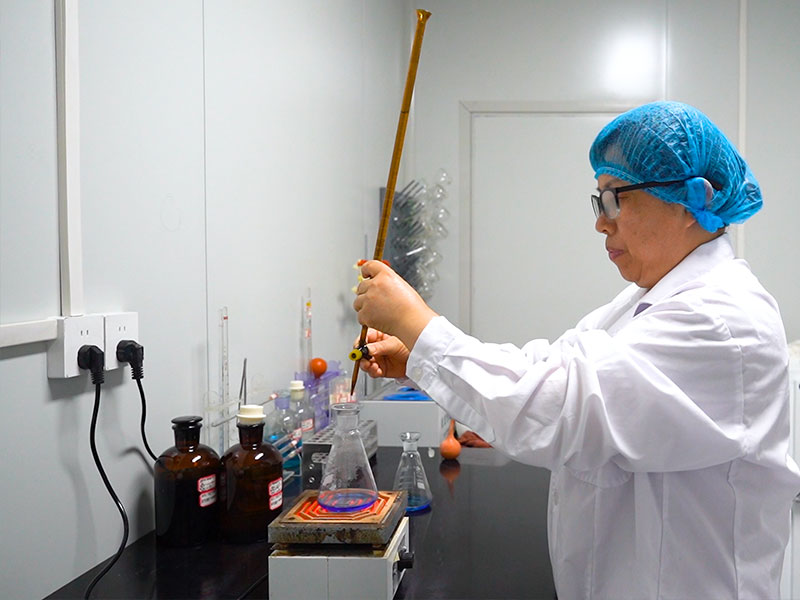
- Product specifications and available quality documents
- Mixed-product container planning
- FOB and CIF export arrangements
Our service is designed for brands, importers, distributors, wholesalers and retail channels requiring stable large-volume manufacturing and international supply.
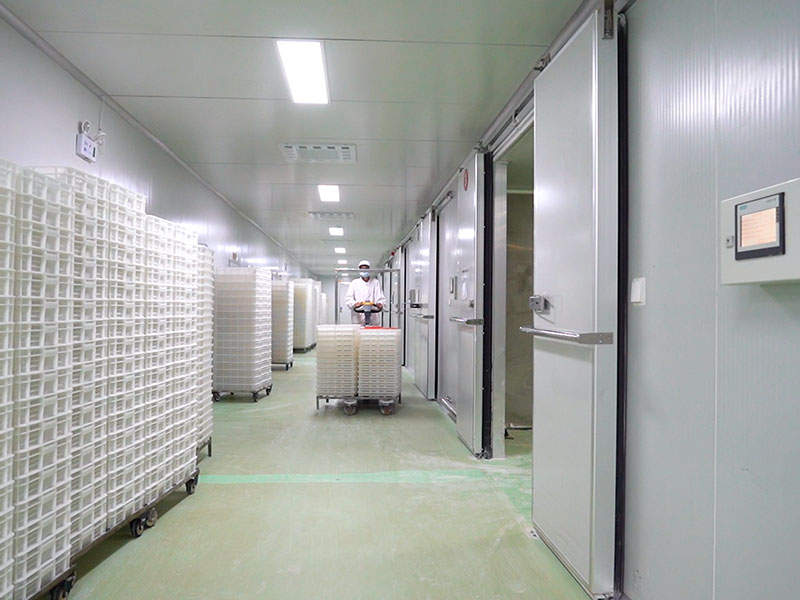
Frequently Asked Questions
1. What information should I provide before starting a custom candy project?
Please provide your company name, destination market, product concept or reference, preferred flavor and texture, shape, packaging format, expected quantity and target delivery date.
Information about the intended retail channel and target price also helps the factory recommend a more commercially suitable solution.
2. Can you develop a candy from a picture?
A picture can be used as an initial reference, but it does not provide enough information to confirm a commercial project.
We also need to understand the product structure, texture, flavor, piece size, packaging, target market and expected quantity.
3. Can you manufacture candy from an existing sample?
We can evaluate a physical sample or product specification.
The project must be reviewed for technical feasibility, production compatibility, ingredients, intellectual property, commercial quantity and packaging requirements.
4. Can you create a completely new candy shape?
Yes, subject to technical feasibility and suitable commercial quantities.
A custom mold may be required, and the original design may need minor adjustments to support reliable molding, demolding, packaging and transportation.
5. Can you customize the texture and filling?
Yes, depending on the candy category and production process.
Texture, shell thickness, filling ratio and packaging must be evaluated together to achieve a stable product.
6. How many sampling rounds are required?
The number depends on the project.
A product based on an existing formula may require fewer adjustments, while a new formula, filling, coating or mold may require several rounds of evaluation.
7. What is the MOQ for custom candy?
MOQ varies by product and packaging format. For many candy products, the typical MOQ is approximately 2–4 metric tons per flavor. For piece-counted, individually wrapped, molded or highly customized products, MOQ may instead be calculated by pieces, packaging quantity or production batch. Each selected flavor, color or style may have its own MOQ depending on the product.
Different qualifying flavors and MPS products can be combined in one container. If needed, your shipment can also be consolidated with goods from your other suppliers in China. For better freight efficiency, we generally recommend arranging the total shipment on a full-container basis.
Gummies, chocolate and other heat-sensitive products must be shipped in a reefer container.
8. Can you provide private label packaging?
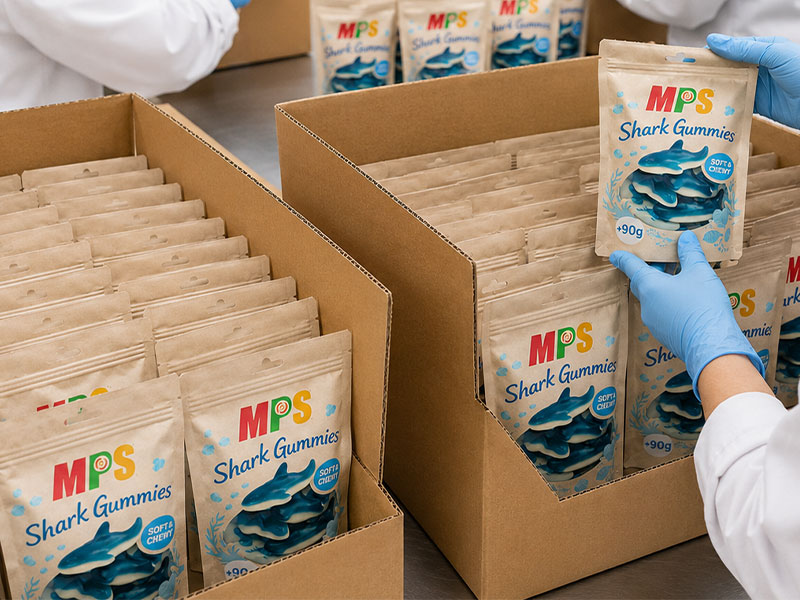
Yes. Depending on the product, we can support individual wrappers, printed pouches, jars, display boxes, gift boxes and other retail-ready packaging.
9. Do you export custom candy internationally?
Yes. MPS Candy supports international B2B orders through common trade arrangements such as FOB and CIF and can coordinate shipment with the buyer’s appointed freight forwarder.
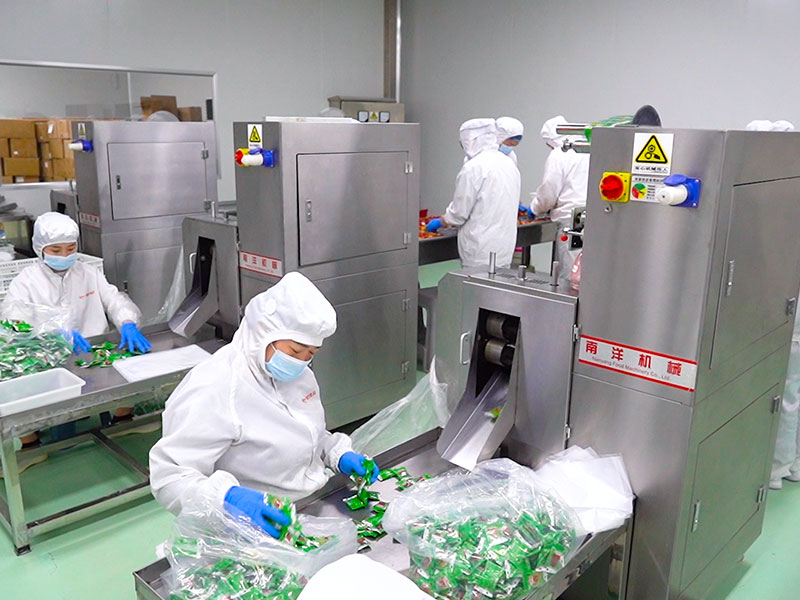
Discuss Your Custom Candy Project
A successful custom candy project begins with a clear understanding of the intended product, target market and commercial requirements.
Send us your product concept, reference sample or specification together with your packaging requirements, expected quantity, destination country and target delivery date.
Our team will evaluate the technical feasibility, development route, sampling requirements, production MOQ and export arrangements.
We are MPS Candy, a China-based candy manufacturer specializing in OEM and ODM candy production for global brands, importers, distributors, wholesalers, and retail channels.