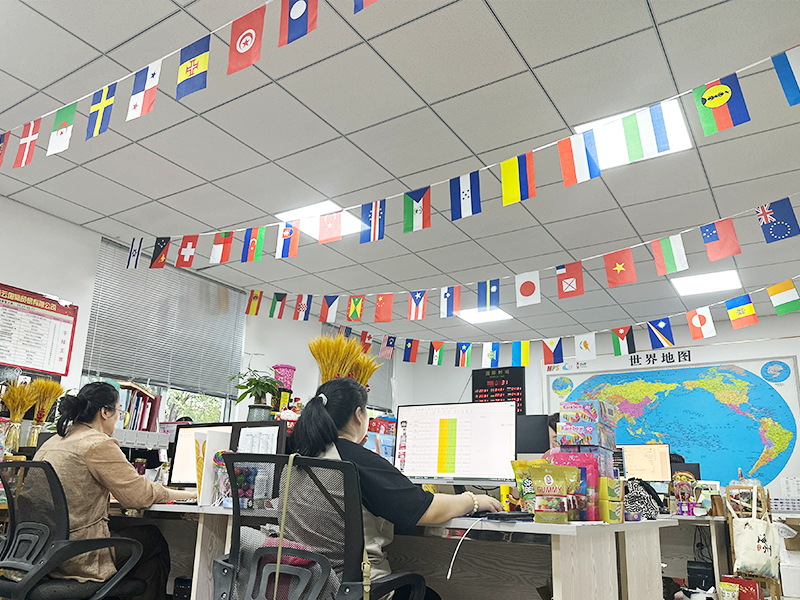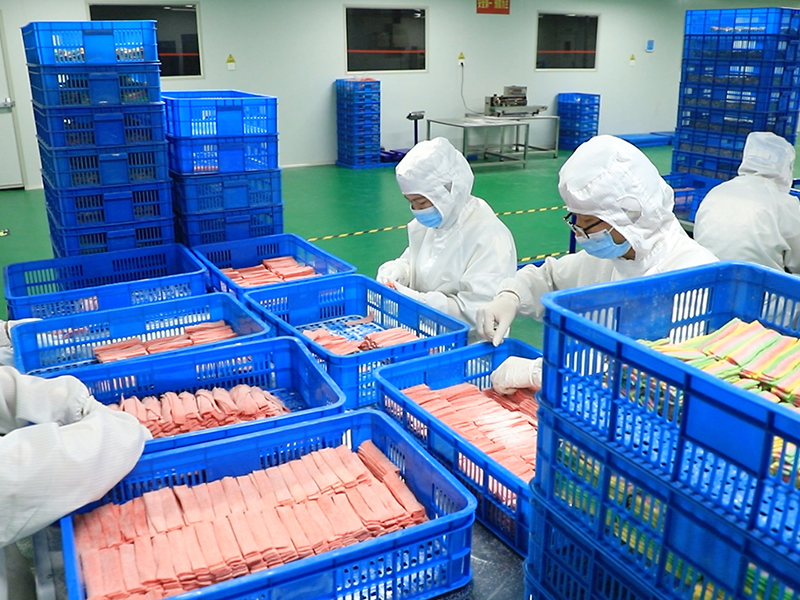

A candy may mean a particular delicacy among consumers. However, it’s a broad product category that encompasses many textures, ingredients, flavor systems, and packaging formats from a manufacturing/sourcing perspective. Knowing each type can explain why some candies show up in certain aisles, seasons, and price points.
Some types of candy are hard and glossy. Meanwhile, others are chewy, gummy, chocolate-based, or built for novelty retail and impulse purchases. You may decide to open up a candy aisle and start wondering what separates a gummy from a jelly sweet, or a caramel from a toffee.
And this guide breaks down the different types of candy in plain terms. We’ll cover each candy type with common examples, standard textures + flavors, and where each one fits in retail/seasonal sales. For buyers and brands, we’ll also connect those candy types to sourcing, customization, and private label opportunities.
Main Types of Candy at a Glance
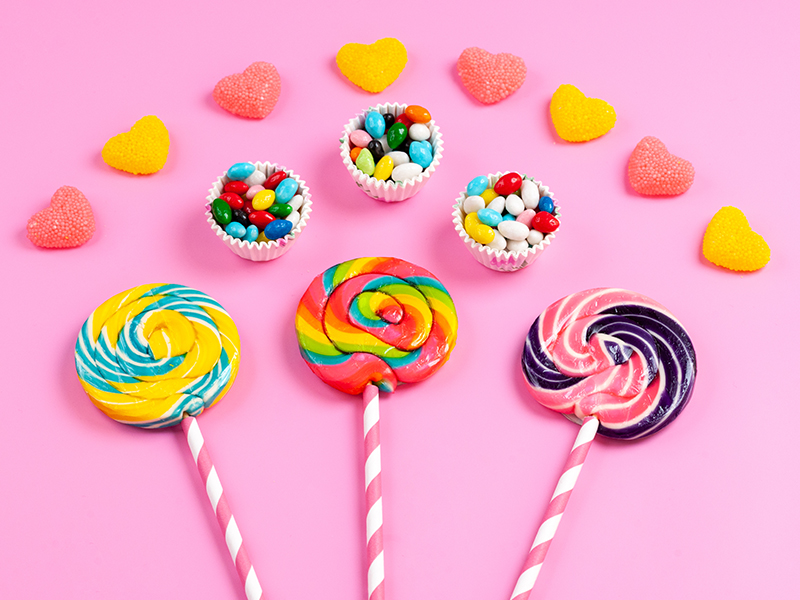
Let’s take a simple breakdown of the major candy types, their textures, and where they’re used.
| Candy Type | Texture | Common Examples |
|---|---|---|
| Hard Candy | Hard, glossy, long-lasting | Fruit drops, mints, candy canes |
| Gummy Candy | Chewy, elastic | Gummy bears, gummy worms, filled gummies |
| Chocolate Candies | Smooth, creamy, coated or filled | Chocolate bars, truffles, coated nuts |
| Lollipops | Hard candy on a stick | Flat pops, ball pops, novelty lollipops |
| Marshmallows | Soft, airy | Twisted marshmallows, filled marshmallows |
| Sour Candy | Sweet and sour | Sour belts, sour gummies, sour hard candy |
| Caramel and Toffee | Chewy or brittle | Caramel chews, toffee pieces |
| Chewing Gum | Chewy, long-lasting | Bubble gum, gum balls |
| Licorice Candy | Chewy, twisted | Red licorice, black licorice |
| Seasonal Candy | Various | Halloween candy, Christmas candy, Easter candy, Valentine's Day candy |
National Confectioners Association stats put gummies, chewy candy, hard candy, lollipops, and licorice among the top five non-chocolate candy categories in the US. Also, non-chocolate candy has accounted for roughly a third of all US confectionery sales.
1. Hard Candy
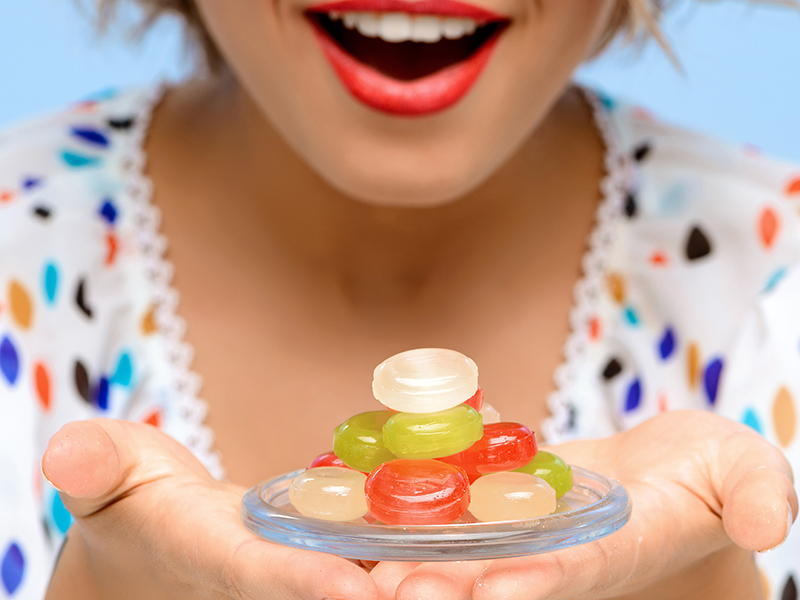
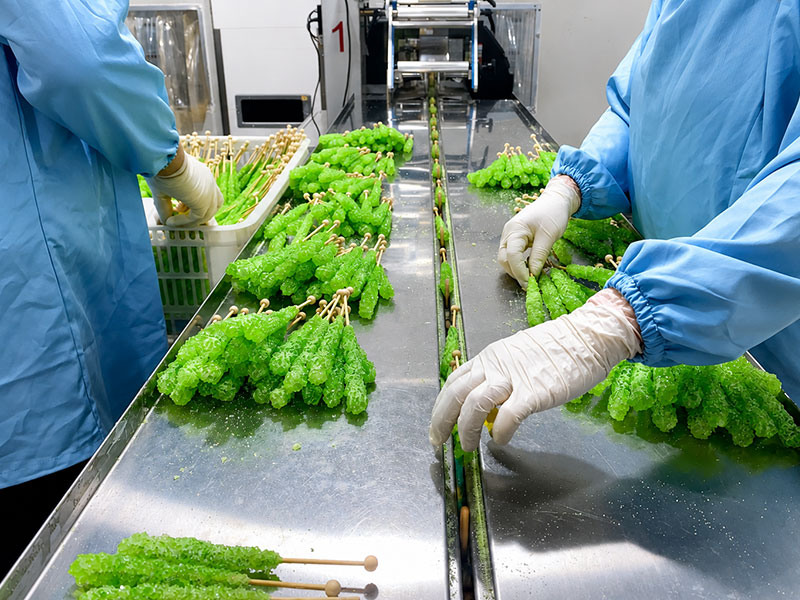
Hard candy is one of the most traditional types of candy. You should recognize it, as many local brands/makers share reels of their making and selling processes. It’s made by cooking sugar syrup to a high temperature until it forms a firm, glass-like texture after cooling.
It primarily involves heating the syrup to the hard-crack stage, where nearly all water boils away, leaving a dense, brittle sugar structure. Since the process is fairly simple, hard candy can be made in a huge range of shapes, colors, and flavors. Common examples include fruit drops, mints, coffee candy, candy canes, rock candy, and filled hard candy with a liquid or fruit-flavored center.
Hard candy is suitable for jars, bags, gift boxes, and seasonal retail displays. Its long shelf life and low moisture content also make it one of the easier candy types to ship internationally. It’s also one of the more forgiving candy types when it comes to storage.
2. Gummy Candy
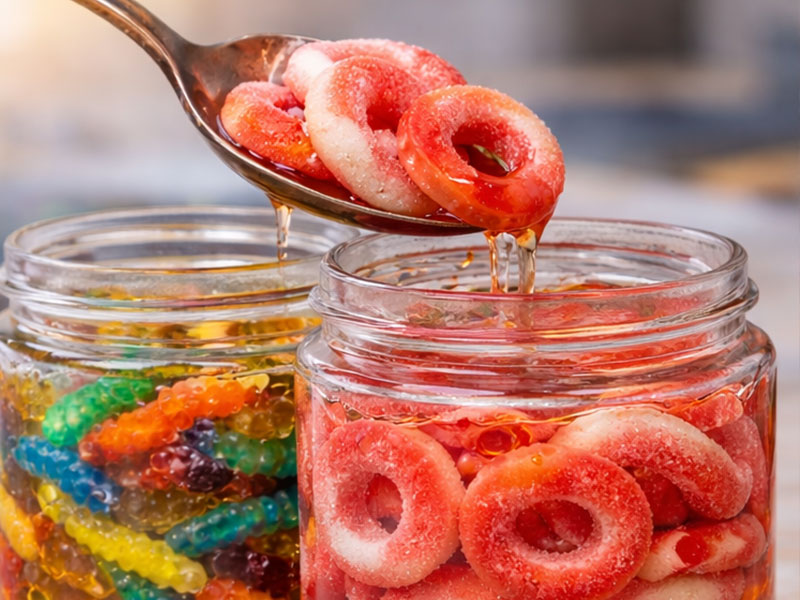
Gummy candy is one of the most popular modern candy categories. It’s well-known for its chewy, elastic texture. That texture comes down to the gelling agent used in the formula. Gelatin, a protein derived from collagen, produces a bouncy, stretchy gel. Meanwhile, pectin, a plant-based alternative, creates a firmer, more brittle bite that appeals to vegetarian and vegan buyers.
Gummy candy traces its roots to gelatin- and gum-based chewable sweets first developed in Europe. Common examples include gummy bears, gummy worms, gummy rings, fruit gummies, sour gummies, filled gummies, and novelty-shaped gummies.
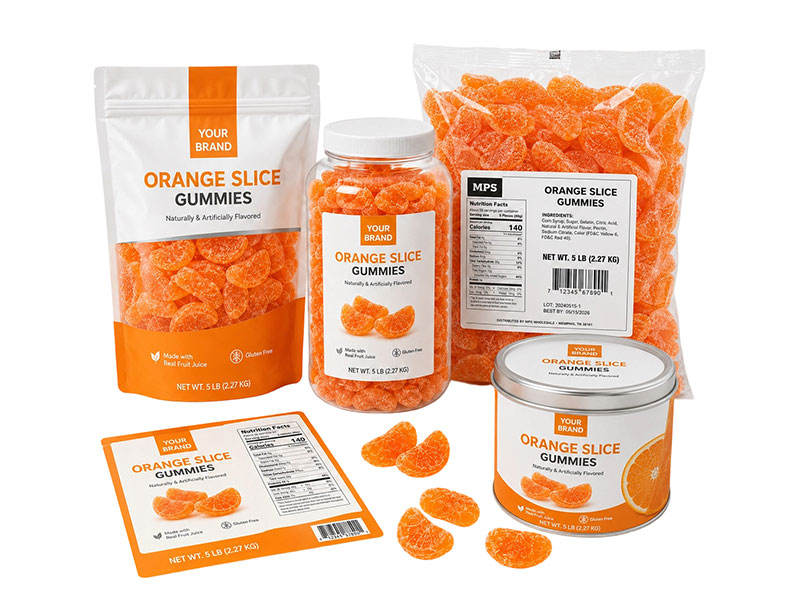
The candy category holds a peculiar appeal from a B2B (business-to-business) aspect. Gummy candy is one of the most flexible categories for private label brands. It allows custom molds, flavor combinations, sour coatings, filling options, and themed packaging. A single base recipe can be adapted into dozens of finished products by changing the mold, coating, or color scheme.
3. Chocolate
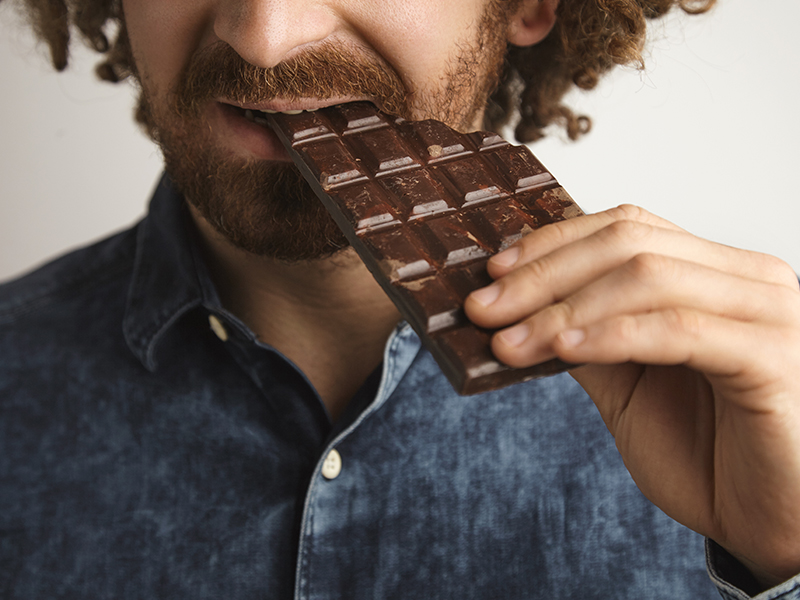
Chocolate candies are sweets made with chocolate or chocolate-flavored coatings. They may be solid, filled, coated, layered, or combined with nuts, wafers, caramel, marshmallow, biscuits, or fruit-flavored centers.
What separates good chocolate candy from a dull, streaky bar often comes down to a process called tempering. Tempering controls how cocoa butter crystallizes as chocolate cools. It also gets the right finishes, including a glossy surface, a clean snap, and resistance to the dull white coating known as bloom.
Skipping or rushing the step can cause the chocolate candy to lose its shelf appeal during shipping or storage. Some common examples of chocolate candies include:
- Chocolate bars
- Chocolate truffles
- Chocolate-coated nuts
- Chocolate-coated gummies
- Chocolate-filled candy
- Chocolate beans
- Wafer chocolate candy
- Seasonal chocolate shapes
Chocolate candies are heavily used for gifts and premium retail. They become especially popular during Christmas, Valentine’s Day, Easter, and other seasonal promotions.
Packaging plays an important role in chocolate candy positioning, since presentation often signals whether a product is meant as an everyday snack or a gift item. A chocolate product that looks perfect in a factory sample can arrive completely different if shipping conditions aren’t accounted for in advance.
Many buyers source chocolate candies internationally. Ask the supplier directly about cold-chain handling and packaging insulation, particularly for shipments crossing warmer climates or sitting in port for weeks.
4. Lollipops
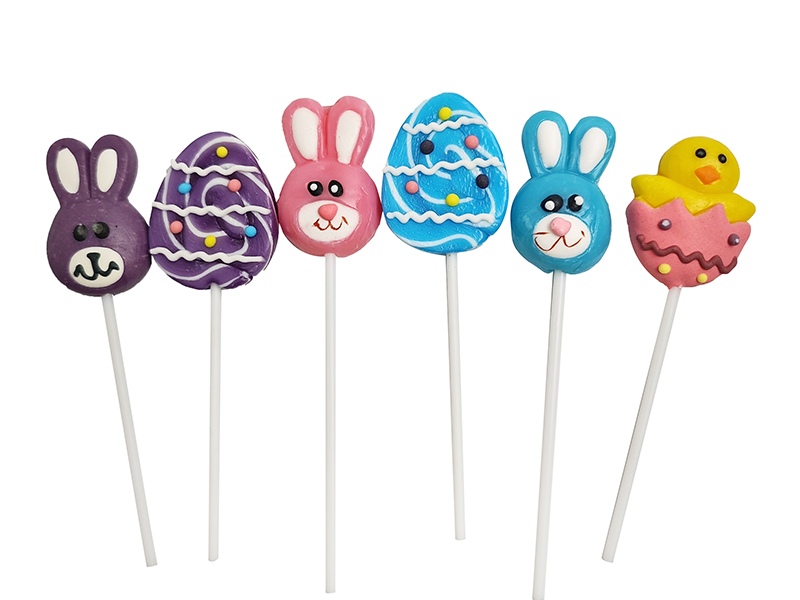
Lollipops are hard candies served on sticks, especially popular as children’s candies, party packs, and promotional items. A reliable account traces the modern, machine-made lollipop to early 20th-century American candy makers. However, the general idea of candy on a stick appears in various forms much earlier.
Notable lollipop types include flat lollipops, ball lollipops, swirl lollipops, filled lollipops, ring pops, and novelty lollipops. Lollipops can be customized by flavor, color, shape, wrapper, stick type, and display box.
That’s why it’s a flexible option for brands/buyers targeting a specific age group or seasonal theme. They’re suitable for supermarkets, convenience stores, party supplies, and seasonal promotions.
5. Marshmallow
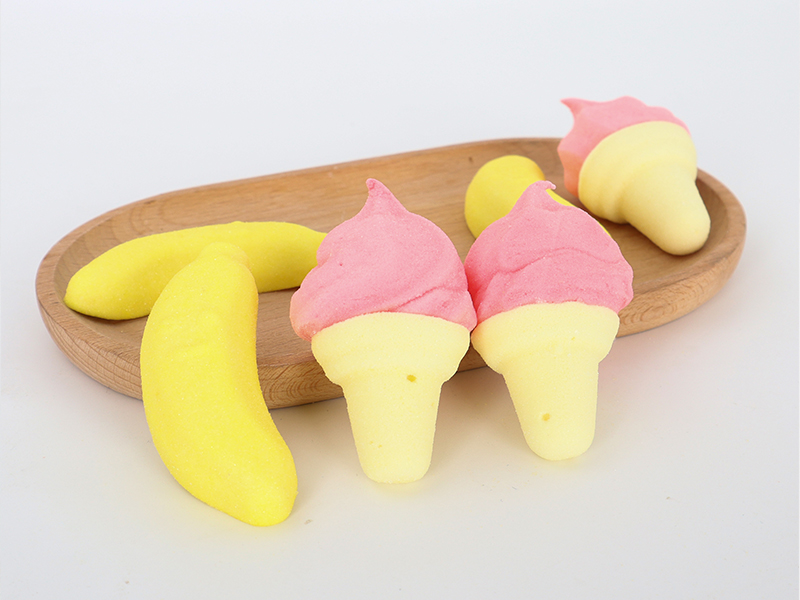
Marshmallows are soft, airy candies with a light texture that sets them apart from hard candy + gummies. Instead of cooking to a hard or chewy stage, marshmallows are made by whipping sugar syrup together with gelatin to trap air and create a foam-like structure. And that’s what imparts their signature fluffiness.
Common forms include twisted, mini, filled, coated, and holiday-shaped marshmallows. They’re readily used for snacking, hot cocoa, baking, and gift packs. Even Christmas candy programs prefer their soft texture and shape flexibility, making them easy to theme around a holiday.
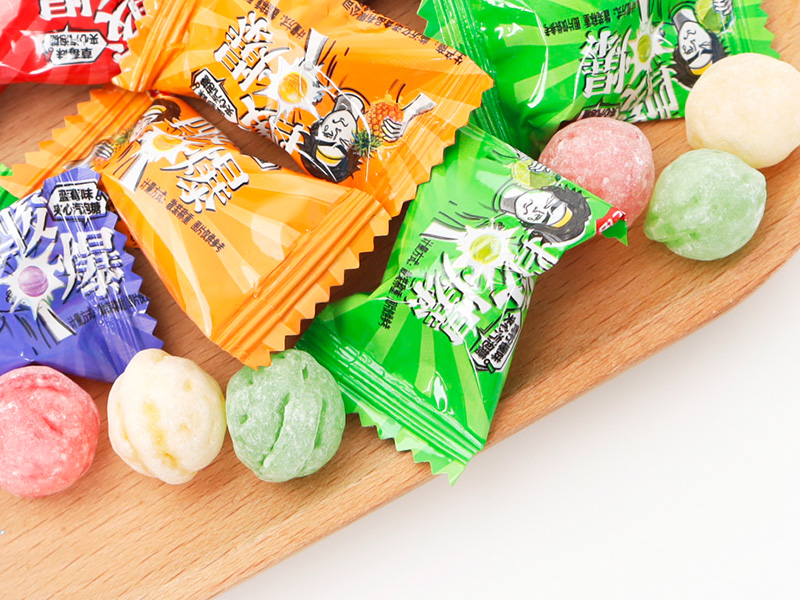
6. Sour Candy
Sour candy is popular for its strong flavor, which comes almost entirely from added food acids. Sour candy typically gets its tartness from a sugar coating combined with citric, tartaric, and malic acids. The combo gets dusted onto the surface of gummies or hard candy to deliver an immediate sour hit.
Sour candy can be made as gummies, belts, hard candy, sprays, powders, or liquid candy. Noteworthy examples include sour belts, sour gummy worms, sour rings, sour hard candy, and sour powder candy.
It’s especially popular with younger consumers and novelty candy markets. And manufacturers can adjust sourness, sugar coating, color, and flavor for different regions, since sourness preferences vary significantly by market.
7. Caramel, Toffee, and Chewy Candy
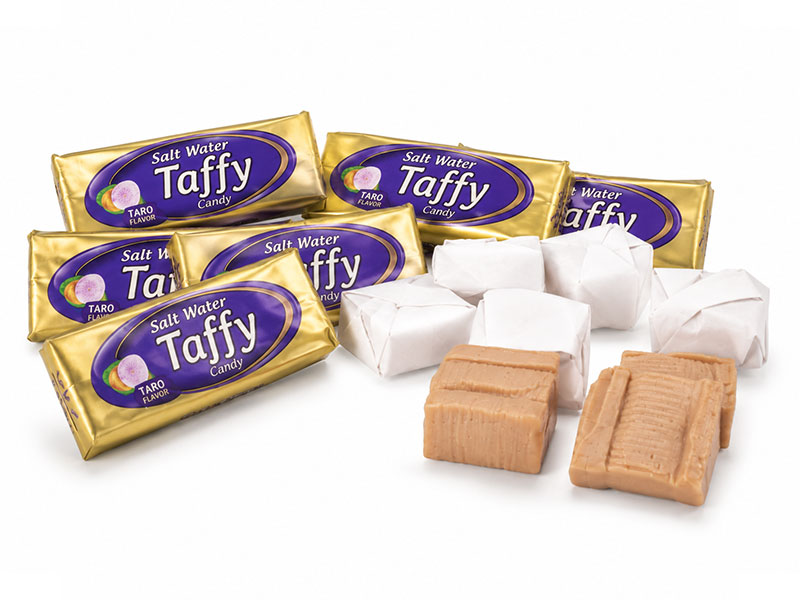
Caramel, toffee, and other chewy candies often get lumped together, but they’re technically quite different. Caramel is usually cooked at a lower temperature and contains cream or milk, giving it a soft, chewy texture.
Meanwhile, toffee is cooked further to the hard-crack stage and usually skips dairy in favor of butter. Thus, it produces a harder, more brittle texture. Chewy candies more broadly may include fruit chews, milk chews, taffy-style candy, and soft-centered sweets.
Those are suitable for gift boxes, premium assortments, and individually wrapped retail packs. The distinction is worth understanding if you’re sourcing for a market with strong preferences for one texture over the other.
8. Chewing Gum and Bubble Gum
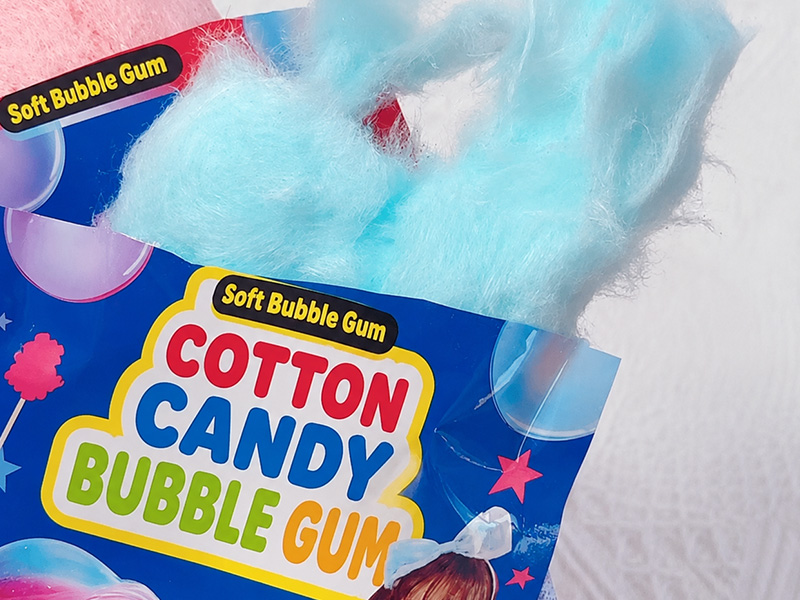
Chewing gum is designed for long chewing rather than quick consumption. And it puts the gum in a slightly different category from most other candy types. Bubble gum is usually softer and formulated specifically for blowing bubbles, thanks to a more elastic gum base.
Top forms include gum sticks, gum balls, pellet gum, center-filled gum, and novelty gum. Packaging is important for impulse retail and convenience channels. This is because gum is frequently a checkout-counter purchase rather than a planned one.
Despite being chewed rather than swallowed, gum is still classified as confectionery by leading trade groups like the National Confectioners Association. The organization tracks both gum types alongside chocolate and sugar candy in its annual industry sales data.
9. Licorice Candy
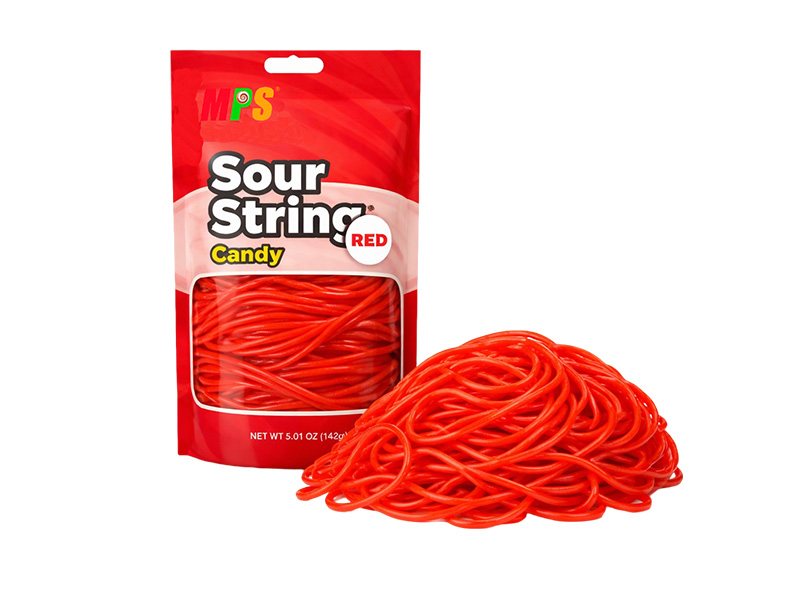
Licorice is a chewy candy type with strong regional preferences. You can have it as sweet, salty, fruity, or herbal, depending on the market. Red licorice and black licorice have notably different flavor profiles, though the difference isn’t just color.
Traditional black licorice gets its distinctive flavor from glycyrrhizin. It’s a compound extracted from licorice root that is many times sweeter than table sugar. However, many candies made in the US substitute anise oil for some or all of the actual licorice extract.
Red licorice, by contrast, barely contains licorice extract. Instead, it relies on fruit flavors like strawberry or cherry, despite sharing the licorice name and a similar chewy base. Licorice twists, ropes, bites, and filled licorice are all common product forms.
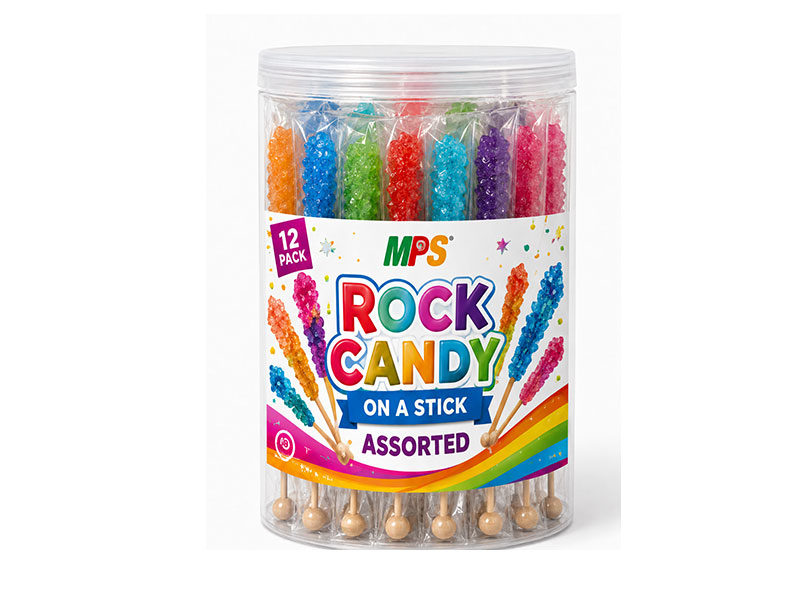
10. Cotton Candy, Rock Candy, and Novelty Candy
It’s a category that covers some of the most visually distinctive candy types on the market. Cotton candy and rock candy both start from the same base ingredient, sugar. Still, they end up with completely different structures depending on how that sugar is processed.
Cotton candy is made by melting sugar and rapidly spinning it through tiny holes. There, it cools into fine threads that are collected into a light, airy cloud. Rock candy, unlike quick-cooling candy, relies on a supersaturated sugar solution that’s left undisturbed for days so that large, visible sugar crystals can slowly form on a string or stick.
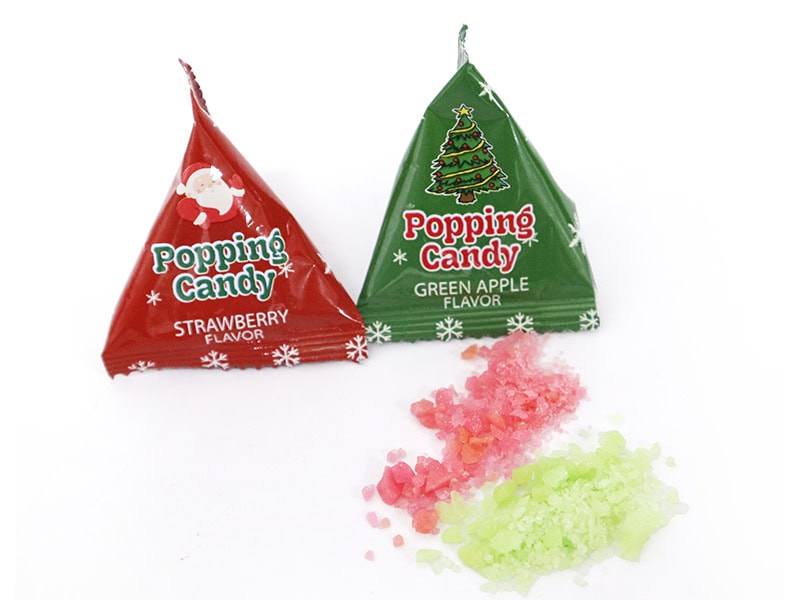
Novelty candy is a broader category that includes toy candy, liquid candy, popping candy, spray candy, powder candy, and interactive candy products. Those often perform well in children’s markets, amusement channels, and party supplies. Even social media-driven retail holds a share where the visual/interactive element is as important as the flavor.
11. Seasonal Candy Types
Candy types don’t exist in isolation from the calendar. Seasonal candy connects nearly every category above to specific holiday sales windows, including –
- Halloween candy
- Christmas candy
- Valentine’s Day candy
- Easter candy
- Summer candy
- Back-to-school candy
Seasonal candy can include hard candy, gummies, marshmallows, chocolate candies, lollipops, and mixed candy assortments. Nonetheless, the underlying candy type doesn’t usually change from season to season. But the shape, color, packaging, and flavor typically get adjusted to match the holiday theme.
Seasonal planning is especially important for importers, wholesalers, and retailers. It’s because production and shipping schedules need to be locked in well before the actual sales window opens. This is also where understanding candy types pays off directly.
A retailer building a Halloween assortment, for example, benefits from knowing that hard candy ships and stores more predictably than chocolate. Meanwhile, a Valentine’s Day gift program might lean harder into chocolate and premium packaging precisely as the shipping window is shorter.
How to Choose the Right Type of Candy for Your Market
No doubt, there are many types of candy available. You should try matching the category to your actual sales goals rather than picking one based solely on personal preference.
- Choose gummy for flexible shapes and novelty concepts, especially for quick iteration on new products.
- Choose hard candy for long shelf life and classic retail appeal, particularly where shipping distances or storage conditions are a concern.
- Choose chocolate candies for premium gifts and seasonal sales, as they require additional care during transport.
- Choose lollipops for children’s candy and impulse-purchase channels, such as checkout counters and party favors.
- Choose marshmallows for holiday, cocoa, and snack programs where a soft texture fits the use case.
- Choose sour candy for younger consumers and novelty retail markets with a strong appetite for bold flavors.
- Choose mixed candy assortments for seasonal promotions and wholesale distribution where variety matters more than any single product.
Bulk Candy Supply and Private Label Options
Different candy types can be supplied in bulk cartons, retail bags, jars, display boxes, gift boxes, and seasonal assortments. Importers and wholesalers should consider several factors before committing to an order –
- Product type and how well it holds up during shipping
- Target market and consumer preferences
- Packaging style and retail readiness
- Shelf life and storage requirements
- Certificates and compliance documents
- Minimum order quantity (MOQ): [20′ container with a mix of 2-3 SKUs at MPS]
- Shipping conditions, especially for chocolate or other temperature-sensitive items
China Candy Manufacturers can support custom flavors, colors, shapes, molds, packaging, and private-label branding across most candy types. For international buyers, stable production capacity and export-ready packaging are just as important as the recipe itself.
For candy importers, distributors, wholesalers, and retail brands, choosing the right candy type isn’t only about flavor. It also proactively affects overall packaging, shelf displays, shipping stability, seasonal sales planning, and private-label development.
Frequently Asked Questions
1. What are the main types of candy?
The main types of candy include hard candy, gummy candy, chocolate candies, lollipops, marshmallows, sour candy, caramel, toffee, chewing gum, licorice, novelty candy, and seasonal candy.
2. What is the most popular type of candy?
Popular candy types vary by country and sales channel. Gummies, chocolate candies, hard candy, lollipops, and sour candy are among the most widely recognized candy categories.
3. Are chocolate candies considered candy?
Yes. Chocolate candies are an important candy category. They include chocolate bars, truffles, coated candies, filled chocolates, chocolate beans, and seasonal chocolate products.
4. What is the difference between hard candy and gummy candy?
Hard candy has a firm, glass-like texture and dissolves slowly in the mouth. Gummy candy has a soft, chewy texture and is often made in fruit flavors and fun shapes.
5. What candy types are best for private label?
Gummies, hard candy, lollipops, marshmallows, chocolate candies, sour candy, and seasonal candy assortments are all suitable for private label development.
6. What types of candy are good for seasonal sales?
Halloween, Christmas, Valentine’s Day, Easter, and summer candy can include gummies, hard candy, chocolate, marshmallows, lollipops, and mixed assortments.
7. Can different types of candy be customized?
Yes. Candy manufacturers can customize flavors, colors, shapes, molds, fillings, coatings, packaging formats, retail pack sizes, and private label designs.
Conclusion
The term ‘candy’ is a broad umbrella under which many major categories reside. It primarily includes hard candy, gummies, chocolate candies, lollipops, marshmallows, sour candy, caramel, chewing gum, licorice, novelty candy, and seasonal candy. Each type comes with its own texture, production method, and ideal use case.
Understanding their differences can make it a lot easier to build a product line that actually fits your target market. Then, you need a reliable manufacturer ready to supply a range of candy for your wholesale, retail, or private-label program.
Partner with MPS to Make Profits through the Perfect Types of Candies
MPS Candy specializes in OEM and ODM candy production for global brands, importers, distributors, wholesalers, and retail channels. We’ve been in the candy-making business for over two decades with HACCP, ISO, and Halal certifications in place.
You may choose bulk hard candy, custom gummies, private-label chocolate, or a full seasonal assortment. Our expert team can walk you through samples, quotations, packaging artwork, and production timelines. Reach out to request samples or a full product catalog.