Candy buyers often use terms such as private label, OEM, ODM, contract manufacturing and co-manufacturing interchangeably.
Although these models may overlap, they do not always describe the same type of cooperation.
The most important difference is the starting point of the project.
A private label buyer may begin with an established factory product and apply its own brand. An OEM customer may already have a clear specification or reference product. An ODM project may begin with a product concept that still requires development. Contract manufacturing is often a broader production relationship covering one or more of these models.
Understanding these differences helps brands, importers, distributors and retail buyers select a more suitable route for their product, timeline and commercial objectives.
Why the Manufacturing Model Matters
The cooperation model affects more than the words used in a quotation.
It can influence:
- How much product development is required
- Who provides the product specification
- Whether a new formula or mold is needed
- How many sample rounds may be required
- The level of product exclusivity
- Development time and cost
- Production MOQ
- Packaging requirements
- Responsibility for branding and market compliance
A buyer who only needs an existing gummy in branded packaging should not follow the same development process as a company creating a new filled or dual-texture product.
Selecting the correct model at the beginning helps prevent unnecessary sampling, unclear expectations and avoidable delays.
What Is Private Label Candy?
Private label candy is manufactured by a third-party factory and sold under the buyer’s own brand.
The project normally begins with an existing or proven factory product. The buyer selects a suitable candy and customizes commercially appropriate elements such as the flavor assortment, product color, package size and branding.
For example, a distributor may select an existing gummy ring, place it in a printed stand-up pouch and sell it under its own candy brand.
The underlying product does not need to be developed completely from the beginning.
This makes private label one of the more efficient ways to build or expand an own-brand candy range.
Private label is most suitable when:
- The buyer wants a faster route to market
- An existing factory product meets the main requirement
- Brand and packaging differentiation are the priority
- The buyer does not require a completely exclusive formula
- The project needs lower technical complexity than a new product development program
Private label does not mean that every part of the product is fixed.
Depending on the candy and production process, buyers may still adjust flavors, colors, assortments, sweetness, sourness, wrappers and retail packaging.
However, major changes to the formula, structure, texture or mold may move the project beyond standard private labeling and into OEM or ODM development.

What Is OEM Candy Manufacturing?
OEM stands for Original Equipment Manufacturing.
In a candy project, OEM normally means that the buyer already has a relatively clear product requirement and asks the manufacturer to produce according to the agreed specification.
The customer may provide:
- A physical reference sample
- A product specification
- An existing formula
- Required dimensions and piece weight
- A defined texture or filling
- Packaging requirements
- Quality standards
The manufacturer evaluates whether the product can be produced consistently using its available production lines, ingredients and packaging systems.
An OEM project may still require sample development and technical adjustments. A customer specification created for another factory or production process may not transfer directly to a new manufacturer.
The goal is therefore not simply to copy instructions without review. The manufacturer must convert the customer’s requirement into a stable and commercially viable production process.
OEM is most suitable when:
- The buyer already knows what product it wants
- Product specifications are relatively clear
- The customer has an existing product or sample
- The buyer requires manufacturing capacity rather than full concept development
- Consistency and repeat production are major priorities
OEM projects often provide greater product control than basic private label production, but they also require clearer technical information from the buyer.

What Is ODM Candy Manufacturing?
ODM stands for Original Design Manufacturing.
In an ODM project, the manufacturer contributes more actively to product design and development.
The buyer may begin with:
- A general candy concept
- A desired flavor or texture
- A market trend
- A product image
- A target retail channel
- A new shape or eating experience
- A competitor reference that should not be copied directly
The manufacturer then helps translate the idea into a product that can be sampled, packaged and manufactured commercially.
ODM development may involve decisions relating to the formula, texture, filling, coating, shape, mold, piece size and packaging format.
For example, a customer may ask for a gummy with a crunchy outer coating and a soft center. The development team must determine the suitable gummy firmness, coating material, particle size, adhesion method and package structure.
The buyer provides the commercial direction, while the manufacturer contributes technical and product-development capabilities.
ODM is most suitable when:
- The buyer has an idea but not a complete specification
- Product differentiation is important
- A new formula, texture, filling or shape may be required
- The buyer needs development support from the manufacturer
- The project has sufficient commercial volume to support development
ODM normally requires more preparation than standard private label production because more parts of the product must be evaluated and approved.
What Is Candy Contract Manufacturing?
Candy contract manufacturing is a broader commercial arrangement in which a brand or buyer appoints an external manufacturer to produce confectionery according to agreed requirements.
The term can cover private label, OEM, ODM or a combination of these services.
For example, a contract manufacturing relationship may begin with one existing private label gummy. Over time, the customer may add an OEM lollipop based on its own specification and later develop a completely new ODM candy.
The main idea is that the manufacturer becomes an external production partner rather than simply a seller of finished stock.
A contract manufacturer may support:
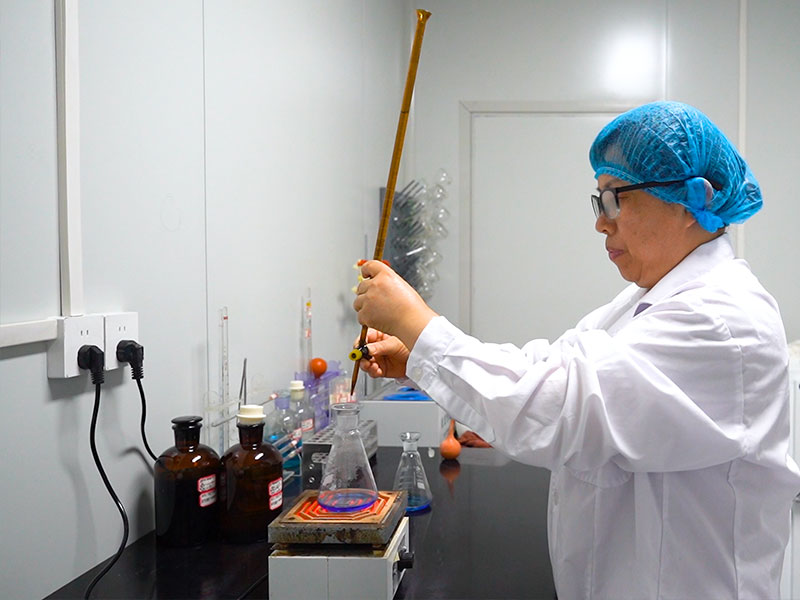
- Product feasibility evaluation
- Formula or sample review
- Product development
- Packaging coordination
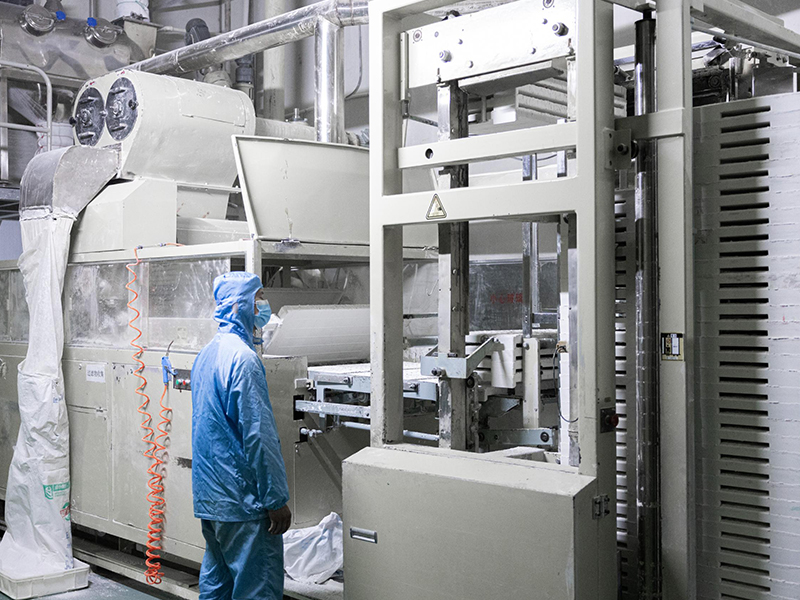
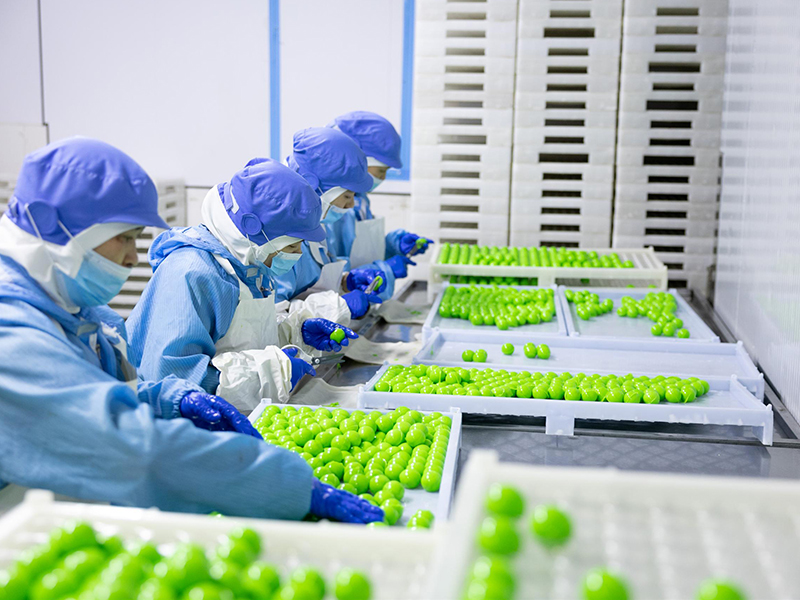
- Commercial-scale manufacturing
- Quality requirements
- Repeat production
- Export documentation
- International shipment coordination
Contract manufacturing is particularly suitable for companies that require stable production capacity and a longer-term supply relationship.

What Is a Candy Co-Manufacturer?
The term candy co-manufacturer is often used in a similar way to contract manufacturer.
A co-manufacturer supports another company’s candy production, either because the brand does not operate its own factory or because it requires additional capacity, technology or product categories.
A brand may work with a co-manufacturer to:
- Add production capacity
- Introduce a new candy category
- Replace an unstable manufacturing source
- Produce seasonal products
- Support a retail-exclusive program
- Manufacture products outside its internal capabilities
- Expand into another market
The relationship is normally more involved than purchasing ready-stock candy from a wholesaler.
A co-manufacturer may participate in product evaluation, production planning, packaging, quality communication and long-term repeat supply.
Is Contract Manufacturing the Same as OEM?
They overlap, but they are not exactly the same.
OEM describes how a particular product is manufactured: the buyer provides a defined requirement, and the factory produces according to the agreed specification.
Contract manufacturing describes the wider business relationship between the buyer and the external manufacturer.
An OEM project can therefore be part of a contract manufacturing relationship.
The same contract manufacturer may also provide private label and ODM services for different products.
Private Label vs OEM Candy
The main difference is how much of the product has already been defined and who controls the technical specification.
In a private label project, the buyer normally selects an existing factory product and sells it under its own brand.
In an OEM project, the buyer usually provides more detailed product requirements, such as the formula, sample, texture, size or product standard.
Consider two gummy projects.
1. Private label example
A buyer selects an existing fruit gummy bear, chooses five flavors and develops a branded stand-up pouch.
The factory already understands the main production process. Most of the differentiation comes from the assortment and packaging.
2. OEM example
A buyer provides a gummy sample with a defined piece weight, firmness, flavor profile and ingredient requirement.
The factory must evaluate whether the specification can be reproduced or adapted for its production line.
The second project requires more technical review because the buyer is not simply selecting an existing product.
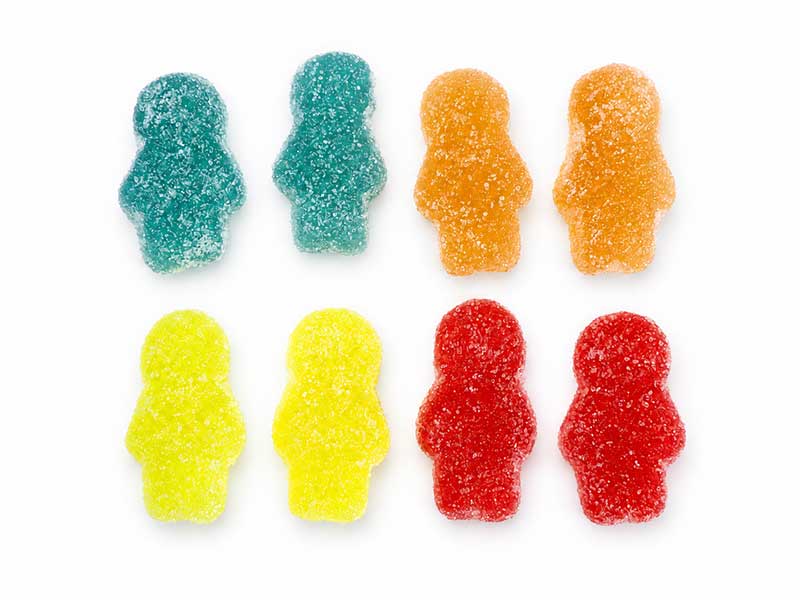
OEM vs ODM Candy
The main difference between OEM and ODM is the level of product development provided by the manufacturer.
In OEM, the buyer usually provides a clearer product specification.
In ODM, the manufacturer helps design or develop the product based on the buyer’s concept and commercial objectives.
1. OEM example
A brand has already sold a filled gummy produced by another factory. It provides the product sample, dimensions, filling requirement and package specification to a new manufacturer.
2. ODM example
A brand wants to launch a “crunchy outside, chewy inside” candy but has not determined the final shape, coating or gummy structure.
The manufacturer develops a technically suitable product direction and prepares samples for evaluation.
ODM normally requires closer cooperation because the technical product definition is created during the project.
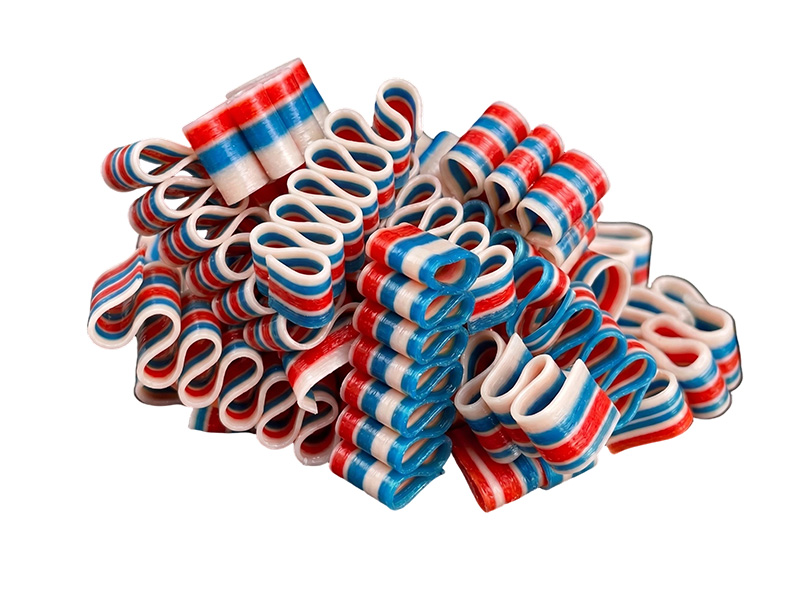
Which Model Provides the Most Customization?
ODM and custom candy development normally provide the greatest level of product customization.
However, greater customization also increases technical complexity.
A project involving a new formula, custom mold, filling, coating and printed individual wrapper will normally require more development than an existing product placed in a branded pouch.
More customization can affect:
- Sampling time
- Number of revisions
- Mold cost
- Packaging MOQ
- Production MOQ
- Product stability
- Final quotation
- Launch schedule
Moving a highly customized product from an approved sample to full production also introduces scale-dependent risks. The most customized option is not automatically the best option.
A buyer should identify which product features create meaningful value for its customers and which features add cost without significantly improving the retail offer.
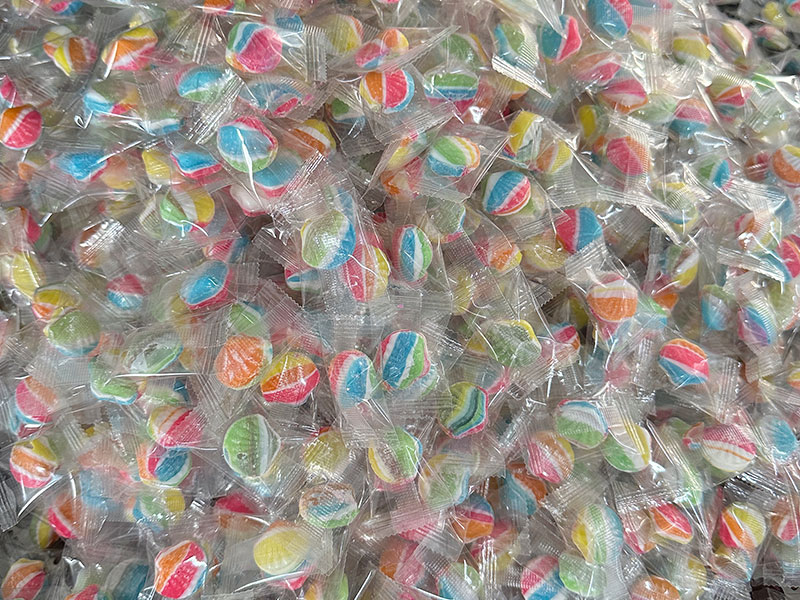
Which Manufacturing Model Is Faster?
Private label is usually the fastest route when the buyer selects an established product, existing mold and standard packaging format.
OEM may require additional evaluation because the factory must review the customer’s specification or reference sample.
ODM and custom candy development normally take longer because the product itself still needs to be defined and tested.
The timeline also depends on whether the project requires:
- A new mold
- A new formula
- Special ingredients
- Several sample revisions
- Individually printed wrappers
- New retail packaging
- Seasonal production scheduling
Buyers with a fixed launch date should explain the required delivery window at the beginning of the project.
The factory can then recommend whether the product should use an existing format or whether there is enough time for deeper customization.
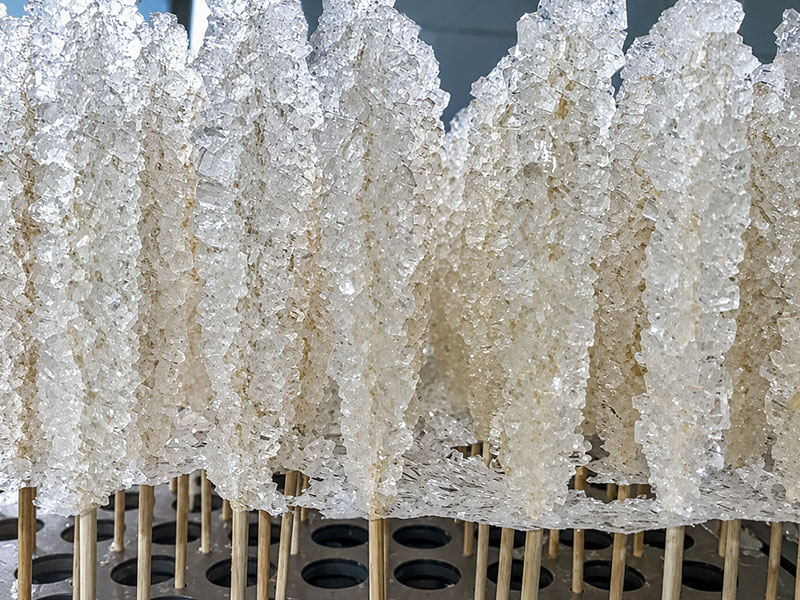
Which Model Is Best for Retailers and Importers?
Retailers and importers do not all need the same manufacturing model. Consumer acceptance of private label products has also expanded across snacks and confectionery.
1. Private label may be suitable when:
A supermarket, distributor or importer wants to introduce an own-brand candy range using established products and branded packaging.
2. OEM may be suitable when:
The buyer already has a successful product, sample or specification and needs a qualified manufacturing source.
3. ODM may be suitable when:
The buyer wants a more distinctive candy but still needs technical support to define the formula, texture, shape or packaging.
4. Contract manufacturing may be suitable when:
The buyer expects repeat production, multiple products and a longer-term relationship with the manufacturing partner.
A single customer may use more than one model.
For example, an importer may begin with private label gummies, use OEM manufacturing for an existing lollipop and work with the same manufacturer on an ODM novelty-candy project.

How MPS Candy Supports Each Manufacturing Model
MPS Candy is a China-based candy manufacturer and exporter serving international B2B customers.
We support private label, OEM, ODM, contract manufacturing and custom candy development across multiple confectionery categories.
1. Private Label Candy
Buyers can select existing MPS products, formulas and molds and develop branded retail packaging for their target market.
2. OEM Candy Manufacturing
Customers can provide a reference sample, specification or established product requirement for technical and commercial evaluation.
3. ODM and Custom Development
Buyers can share a product concept, target texture, shape or eating experience. Our team evaluates possible formulas, production processes, molds and packaging formats.
4. Contract Manufacturing and Co-Manufacturing
MPS can support long-term commercial production, repeat orders, product-range expansion and international export coordination.
Our product categories include gummy candy, filled gummies, crunchy-coated gummies, peelable gummies, sour belts, hard candy, lollipops, bubble gum, marshmallows, freeze-dried candy, liquid candy, novelty candy, wax candy, seasonal candy and selected chocolate products.
Production MOQ and Commercial Scale
Each candy product has its own production MOQ.
For many products, the typical MOQ is approximately 4–6 metric tons or 30,000–60,000 pieces per product, depending on the formula, shape, piece size, production process and packaging.
Existing products may offer a more efficient development route, while new formulas, custom molds and specialized wrappers may require different minimum quantities.
Different qualifying products can be combined, with the total purchase arranged on a full-container basis for more efficient international shipping and overall purchasing costs.
MPS Candy can also discuss consolidation with goods purchased from the buyer’s other suppliers in China.
Questions to Answer Before Choosing a Model
Before approaching a candy manufacturer, buyers should clarify several commercial priorities.
Do you already have a product specification, or only an initial idea?
Is the product required to be exclusive, or would an established formula be suitable?
Which features matter most: speed, cost, packaging, flavor, texture or shape?
What is the intended retail channel and target price?
What commercial quantity can the business support?
When must the product arrive in the destination market?
These answers help the manufacturer determine whether private label, OEM, ODM or a broader contract manufacturing arrangement is most appropriate.
Frequently Asked Questions
1. Is private label candy the same as OEM candy?
Not exactly. Private label normally begins with an existing factory product sold under the buyer’s brand. OEM normally follows a more detailed specification, sample or product requirement provided by the buyer.
2. What is the difference between OEM and ODM candy?
In OEM, the buyer usually provides a clearer product specification. In ODM, the manufacturer contributes more to developing the product from the buyer’s concept or commercial requirement.
3. Is candy contract manufacturing the same as co-manufacturing?
The terms are often used in similar ways. Both generally describe an external manufacturing partner producing candy for another brand or buyer under an agreed commercial arrangement.
4. Can one manufacturer provide private label, OEM and ODM services?
Yes. A multi-category candy manufacturer may support different cooperation models according to the product and customer requirements.
5. Which option is the fastest?
Private label based on an established formula and mold is normally the most efficient. Custom formulas, shapes, fillings and molds require additional development.
6. Which option provides the most exclusive product?
ODM or custom candy development generally provides greater differentiation, particularly when the project involves a new formula, texture, coating, filling or mold.
7. Can MPS Candy manufacture from an existing sample?
Yes, subject to technical feasibility, intellectual-property review, commercial quantity and packaging requirements.
8. What is the MOQ?
For many candy products, the MOQ is approximately 4–6 metric tons or 30,000–60,000 pieces per product. The precise quantity depends on the candy and packaging.
9. Can different products be combined in one shipment?
Yes. Different qualifying products may be combined, with the total purchase arranged on a full-container basis.
Choose the Right Candy Manufacturing Model
Private label, OEM, ODM and contract manufacturing are not competing options. They are different ways of organizing product development and production.
Private label provides an efficient path for buyers using established products and branded packaging.
OEM is suitable for customers with clearer product specifications or existing samples.
ODM supports buyers that need more product-development assistance.
Contract manufacturing creates a broader framework for long-term production, repeat supply and continued product expansion.
Send MPS Candy your product information, target market, packaging requirements, estimated quantity and intended launch schedule.
Our team will review your project and recommend a suitable manufacturing route.
We are MPS Candy, a China-based candy manufacturer specializing in OEM and ODM candy production for global brands, importers, distributors, wholesalers, and retail channels.