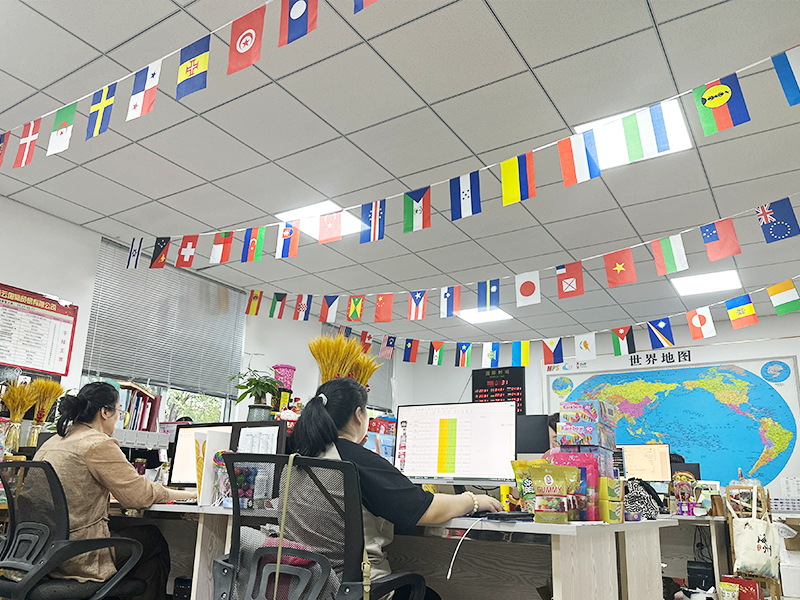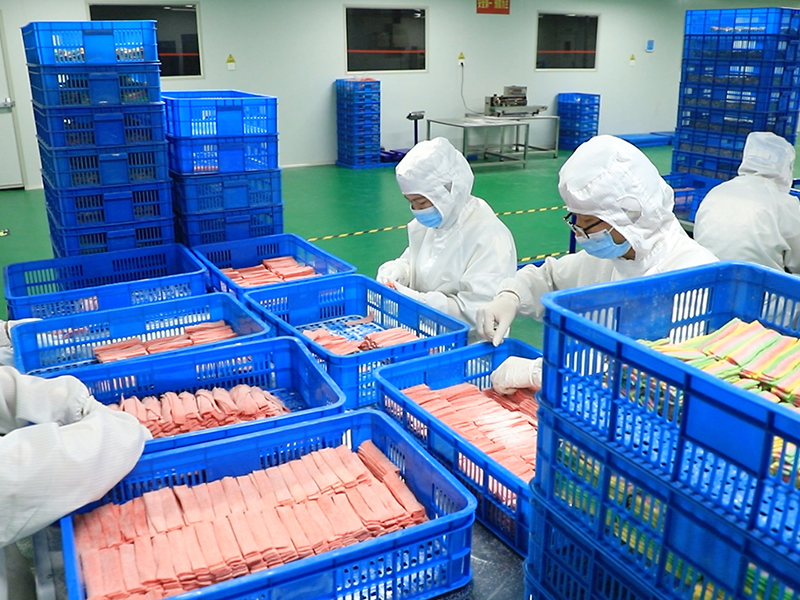
Bring your candy product from an approved concept or specification to stable commercial production with MPS Candy.
MPS Candy is a China-based confectionery manufacturer and exporter providing contract manufacturing, candy co-manufacturing, OEM/ODM development and private label production for international B2B customers.
We support candy brands, importers, distributors, wholesalers, supermarket groups, convenience store chains and established e-commerce companies that require commercial-scale production, private label manufacturing and container-based export supply.
Our role is to help qualified buyers coordinate product development, manufacturing, packaging and export as one commercial project.
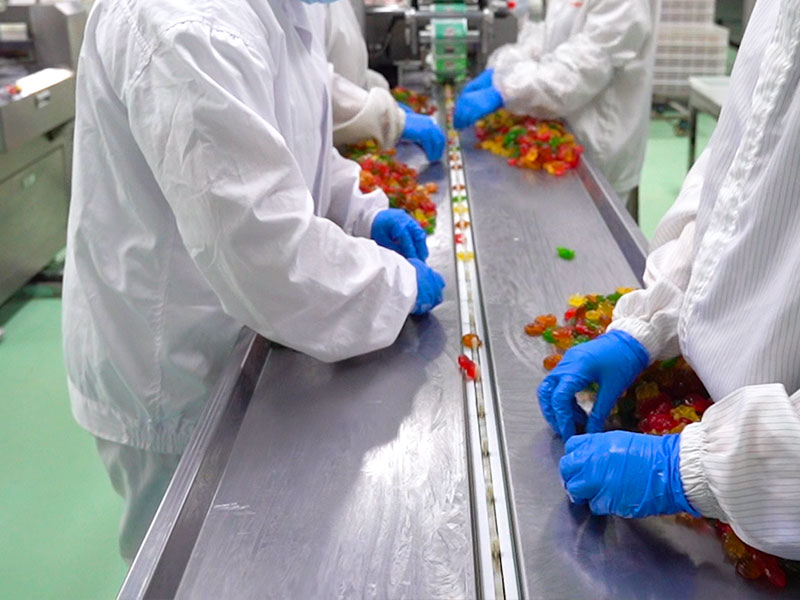
What Is Confectionery Contract Manufacturing?
Confectionery contract manufacturing means that a candy brand or buyer works with an external manufacturer to produce candy according to agreed product requirements.
Depending on the project, the customer may provide:
- An existing formula
- A finished product sample
- A detailed product specification
- A required shape or texture
- A packaging concept
- A target price
- A general product idea
The confectionery manufacturer evaluates whether the product can be produced consistently, safely and economically at commercial scale.
Once the formula, appearance, packaging and quality requirements are approved, the manufacturer proceeds with mass production under the agreed specifications.
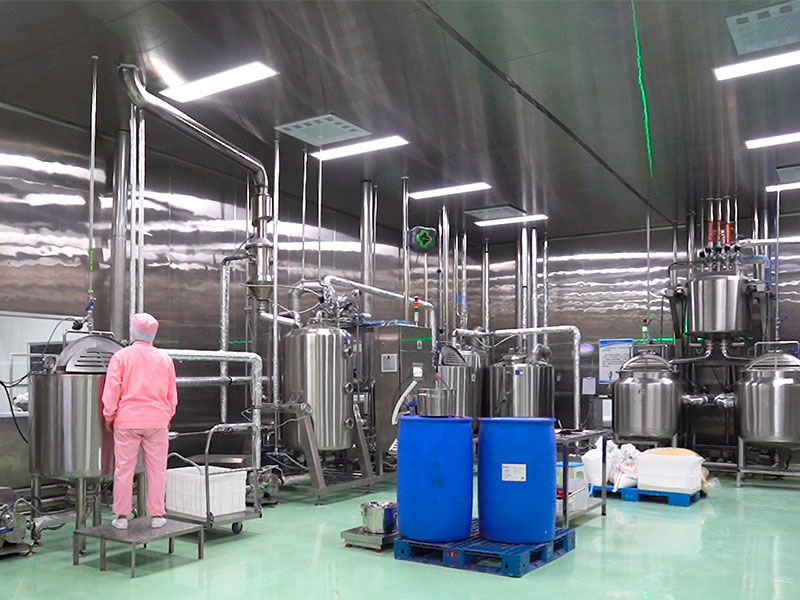
Contract manufacturing is suitable for businesses that need professional production capacity without building or operating their own candy factory.
What Is a Candy Co-Manufacturer?
A candy co-manufacturer is a manufacturing partner that supports a brand with part or all of its production requirements. Choosing the right co-manufacturer requires evaluating production experience, scalability, communication and the ability to support long-term growth.
Some companies use a co-manufacturer to:
- Add production capacity
- Develop a new candy category
- Replace an unstable supplier
- Enter a new market
- Produce seasonal products
- Support private label programs
- Manufacture products outside their own factory capabilities
A co-manufacturing relationship is normally more involved than simply purchasing finished stock.
The U.S. Food and Drug Administration describes co-manufacturing as a contractual arrangement in which a brand owner has another party manufacture or process food on its behalf.
It may include product evaluation, sample development, packaging coordination, quality requirements, production scheduling and repeat-order planning.
MPS Candy combines manufacturing and export coordination, helping international customers manage both factory production and overseas shipment through one B2B team.
Who Is This Service For?
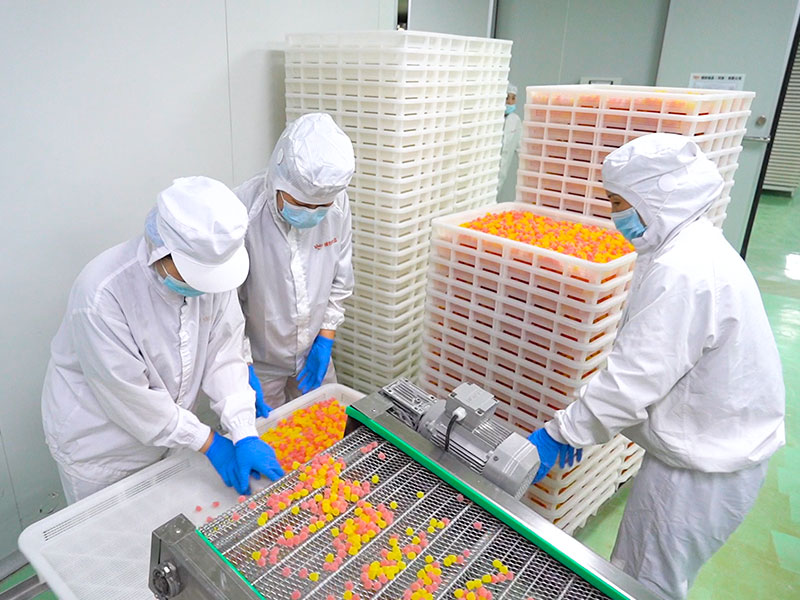
Our confectionery contract manufacturing service is mainly intended for commercial buyers with realistic production quantities and a defined target market.
1. Established Candy Brands
Candy brands may need additional capacity, a new product category or a manufacturing partner in China.
We can evaluate products based on an existing sample, specification or development brief.
2. Importers and Distributors
Importers and distributors often require products that can be reordered consistently and adapted to the preferences of their local market.
They may choose an existing factory product, develop exclusive specifications or combine several qualifying products in one container.
3. Supermarkets and Retail Chains
Retail groups can use contract manufacturing for private label candy, seasonal collections and retail-exclusive products.
Available packaging options include printed pouches, jars, individual wrappers, display boxes and shelf-ready cartons. Private label programs are increasingly used by retailers to offer differentiated products that combine value, quality and exclusive positioning.
4. Wholesalers
Candy wholesalers can expand their assortments with standard products, exclusive colors, special flavor combinations and private label packaging.
5. E-Commerce Candy Businesses
Established online sellers may require visually distinctive candy, parcel-compatible packaging and products suitable for social media promotion.
6. Brands Requiring Additional Production Capacity
A company with an existing product may use MPS Candy as an additional manufacturing source after technical and commercial evaluation.
Three Ways to Work with MPS Candy
Not every contract manufacturing project begins at the same stage.
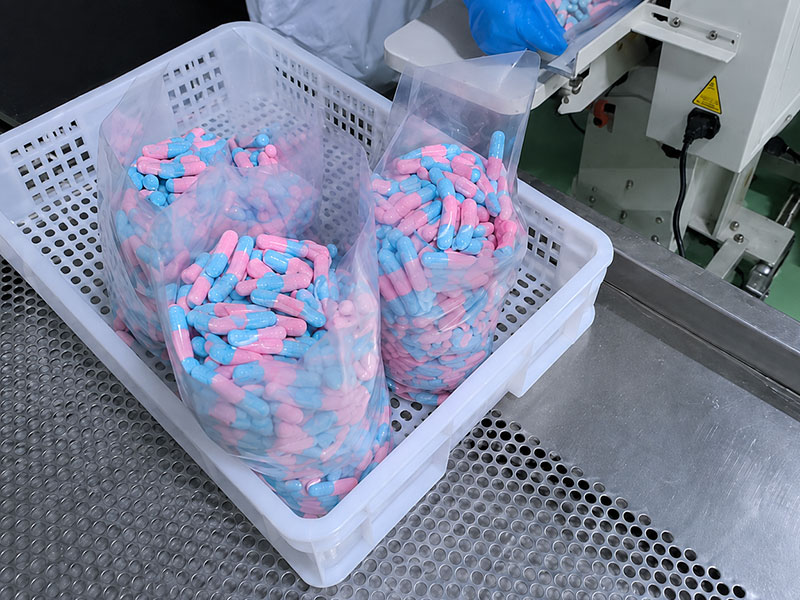
We normally divide projects into three cooperation models.
1. Manufacture an Existing MPS Product
The buyer selects from an existing MPS product, formula and mold.
Customization may focus on:
- Flavor
- Color
- Sweetness or sourness
- Flavor assortment
- Individual wrapper
- Retail packaging
- Logo and artwork
This is generally the most efficient route because the main product structure and production process have already been established.
It is suitable for buyers who want to launch or expand a candy range without developing every part of the product from the beginning.
2. Manufacture According to a Customer Brief or Sample
The buyer provides a reference sample, product specification or clearly defined requirements.
Our team evaluates:
- Product structure
- Formula feasibility
- Texture
- Shape
- Piece size
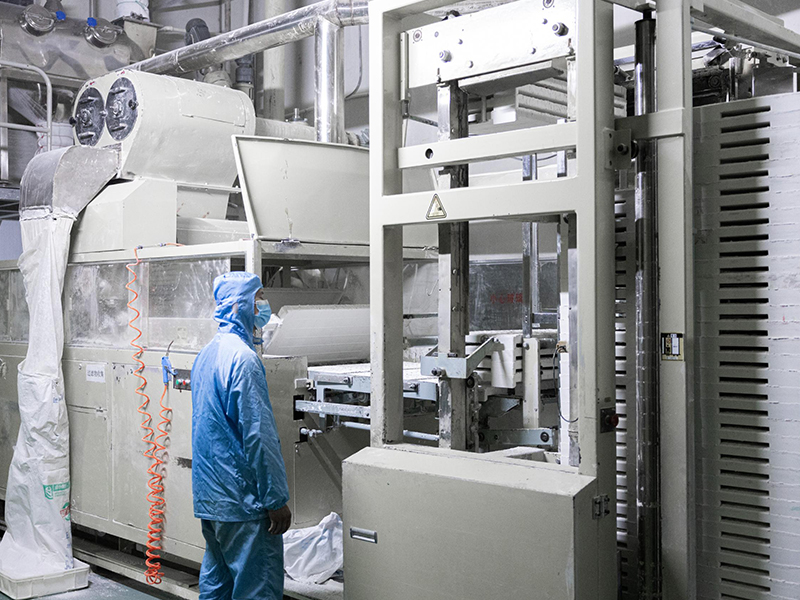
- Production process
- Packaging requirements
- Expected order quantity
- Destination market
The goal is not necessarily to produce an exact copy of another company’s protected product. The project must be technically feasible and should avoid infringing third-party trademarks, packaging, molds or intellectual property.
After evaluation, we develop a suitable sample and confirm the commercial production requirements.

3. Develop a New Candy Product
For customers with a new concept, MPS Candy can support product development through our OEM and ODM process.
Development may involve:
- Formula selection
- Flavor development
- Sweetness and acidity
- Color
- Gummy or hard candy texture
- Filling
- Coating
- Piece size
- Candy shape
- Custom mold
- Individual wrapper
- Retail packaging
Completely new products usually require more development time, sample adjustments and a commercially viable production volume.
MPS currently presents its OEM/ODM offering as a process covering formula, shape, flavor, filling, packaging and export support across multiple candy categories.
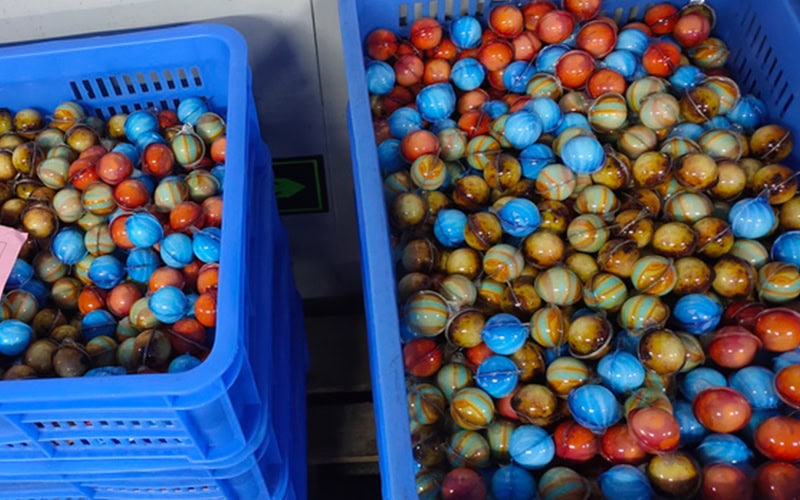
Candy Categories We Manufacture
MPS Candy supports contract manufacturing across several confectionery categories.
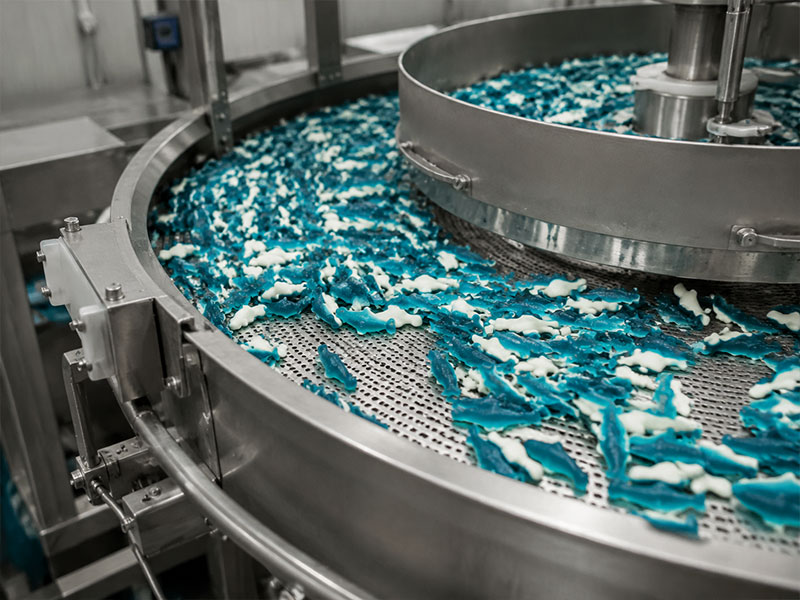
1. Gummy Candy
Available development directions include:
- Traditional gummies
- Sour gummies
- Gummy rings
- Filled gummies
- Jam-filled gummies
- Crunchy-coated gummies
- Peelable gummies
- 3D and 4D gummies
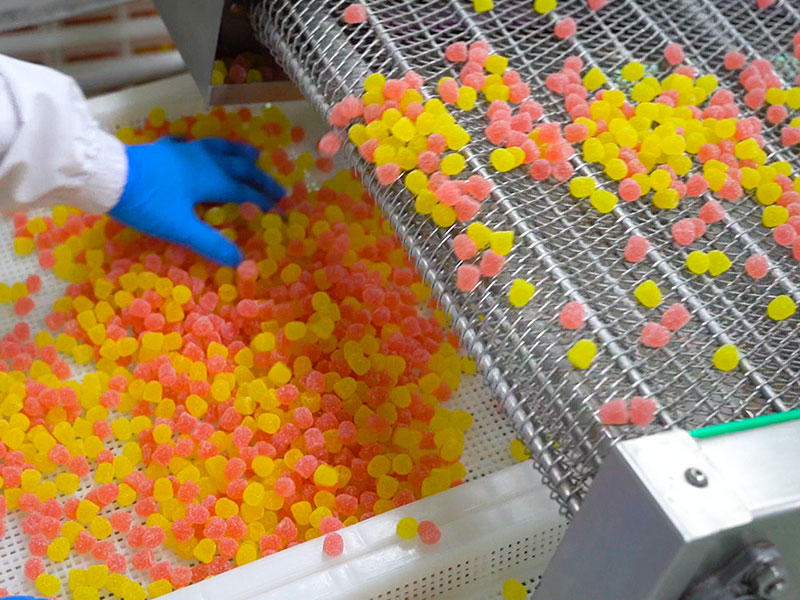
- Gooey gummies
- Giant gummies
- Seasonal gummies
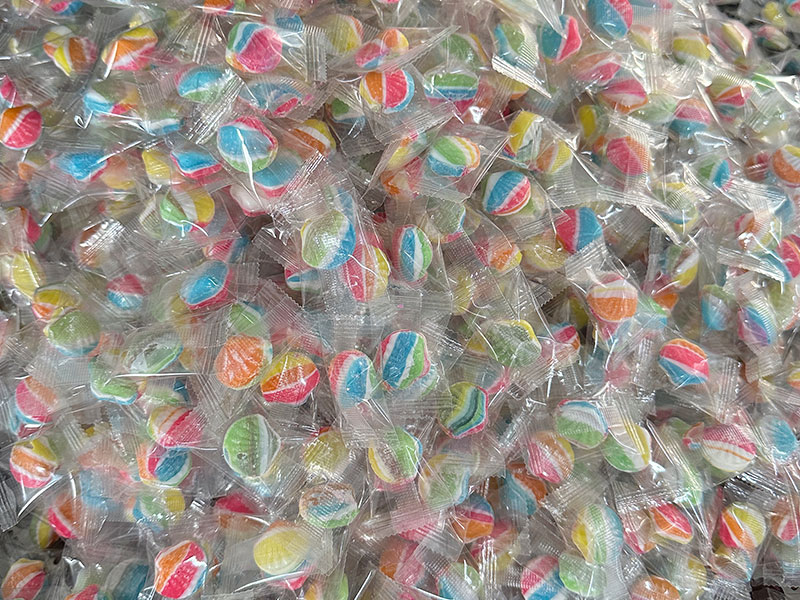
2. Hard Candy
Options include:
- Fruit hard candy
- Filled hard candy
- Coffee candy
- Mint candy
- Rock candy
- Cut rock candy
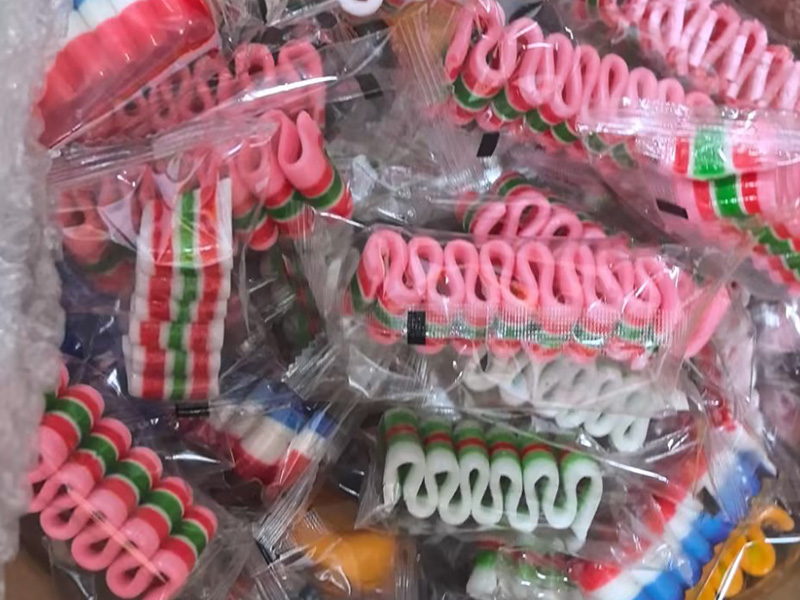
- Ribbon candy
- Candy canes
- Sugar-free hard candy
- Custom-shaped hard candy
3. Lollipops
We support:
- Ball lollipops
- Flat lollipops
- Swirl lollipops
- Filled lollipops
- Character lollipops
- Giant lollipops
- Seasonal lollipops
- Sugar-free product development
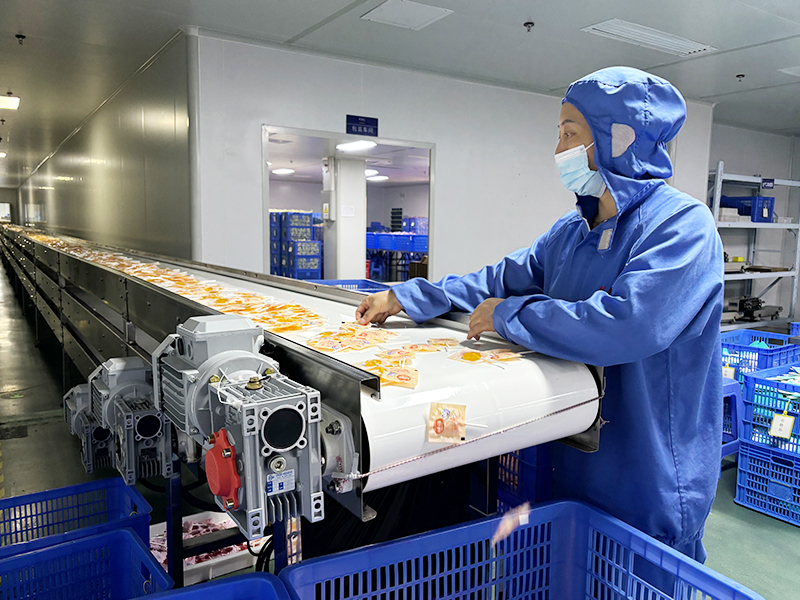
4. Bubble Gum
Options may include:
- Gum balls
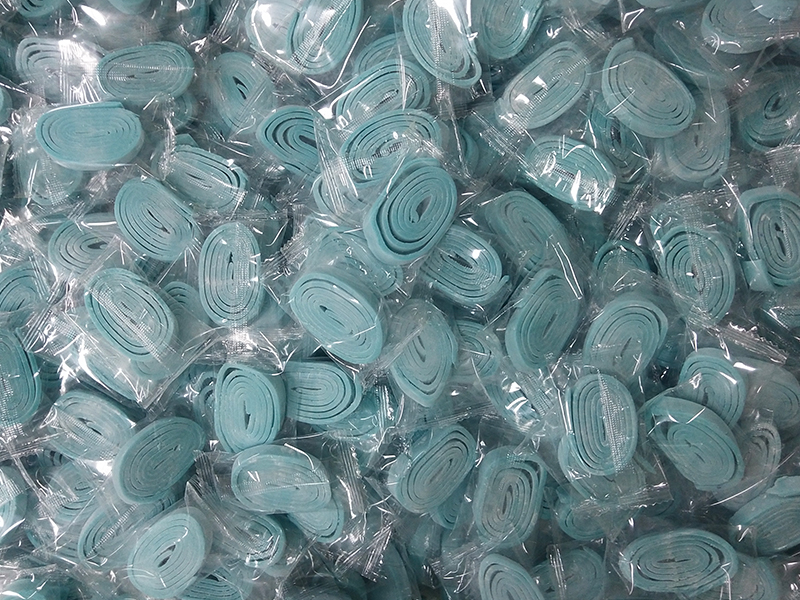
- Center-filled bubble gum
- Fruit-shaped gum
- Sour bubble gum
- Individually wrapped gum
- Gum in jars or display boxes
5. Marshmallows
Products may include:
- Standard marshmallows
- Mini and giant marshmallows
- Filled marshmallows
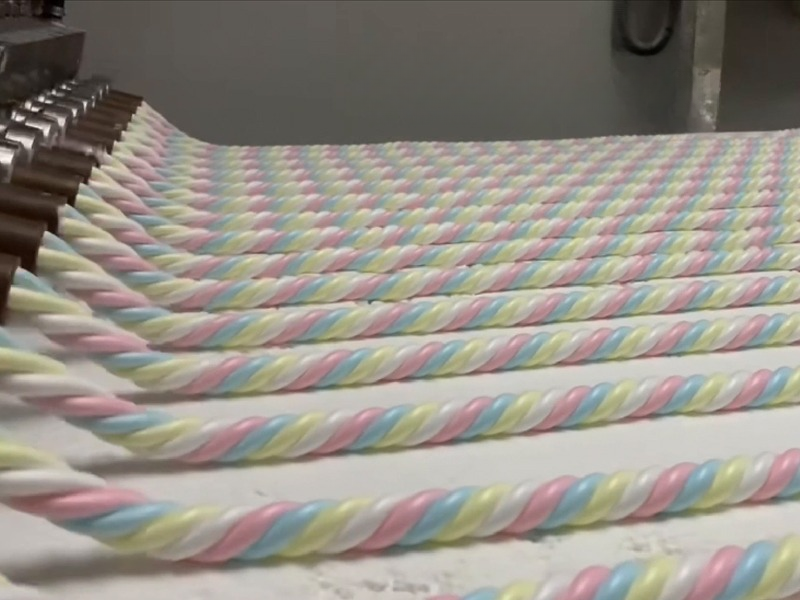
- Twisted marshmallows
- Character shapes
- Seasonal marshmallows
- Individually wrapped products
6. Novelty and Other Candy
Depending on technical feasibility, we also support:
- Freeze-dried candy
- Liquid candy
- Spray candy
- Dip candy
- Wax bottle candy
- Seasonal candy
- Selected chocolate products
MPS operates through six specialized candy factories and supports multiple candy categories for international buyers.
Our Contract Manufacturing Process
1. Project Brief
The buyer provides the basic project information, including:
- Company and target market
- Candy category
- Reference product or concept
- Flavor and texture
- Shape and piece size
- Packaging format
- Expected quantity
- Required certification
- Target delivery date
A clear brief helps us determine whether the project is suitable for our production capabilities.
2. Feasibility Review
Our team reviews the product structure, factory capability, packaging, MOQ and expected production process.
At this stage, we may recommend:
- Using an existing formula
- Adjusting the product shape
- Simplifying the packaging
- Selecting a more suitable production line
- Revising the target specification
Not every concept is immediately suitable for mass production. The feasibility review helps prevent unnecessary sampling costs and delays. Moving from an approved sample to commercial production requires more than simply increasing the batch size.
3. Sample Development
After confirming the development direction, samples can be prepared for evaluation.
The buyer may review:
- Flavor
- Aroma
- Sweetness
- Sourness
- Texture
- Color
- Piece size
- Filling
- Coating
- Product appearance
Customized projects may require more than one sampling round.
Sample preparation and shipping costs are generally borne by the buyer. Eligible sample costs may be credited toward a confirmed bulk order.
4. Product and Packaging Approval
Before production, both parties confirm the relevant details, such as:
- Final product specification
- Formula or approved sample
- Piece weight
- Package size
- Units per bag, jar or box
- Individual wrapper
- Packaging artwork
- Export carton
- Carton markings
- Required documents
The customer is responsible for confirming that final packaging text, claims and artwork comply with the destination market’s requirements.
5. Mass Production
Production begins after the commercial terms, specification, artwork and payment arrangements are confirmed.
Normal lead time is generally around four to eight weeks, depending on the product, quantity, packaging and production schedule.
New molds, complex formulas, peak seasons and special packaging may require additional time.
6. Quality and Shipment Coordination
The finished order is checked according to the confirmed product and packaging requirements.
Our export team then coordinates the agreed documents and shipment arrangements with the buyer or appointed freight forwarder.
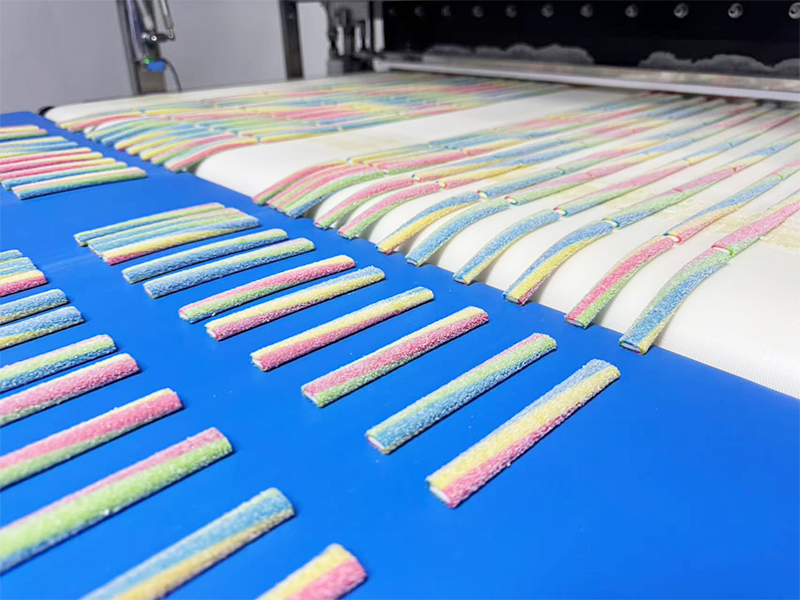
Private Label and Packaging Capabilities
Contract manufacturing is not limited to the candy itself. Modern private label products are increasingly expected to provide distinctive quality, positioning and product innovation rather than simply copy established brands.
MPS Candy can support packaging formats such as:
- Individual twist wrappers
- Flow wrappers
- Pillow bags
- Back-seal bags
- Stand-up pouches
- Plastic jars
- Bulk bags
- Display boxes
- Gift boxes
- Shelf-ready cartons
- Seasonal packaging
Private label support may include the customer’s logo, packaging artwork, product name, flavor information, barcode position and outer-carton markings.
Packaging must be selected according to the product structure, intended shelf life, retail channel, destination climate and shipping method.
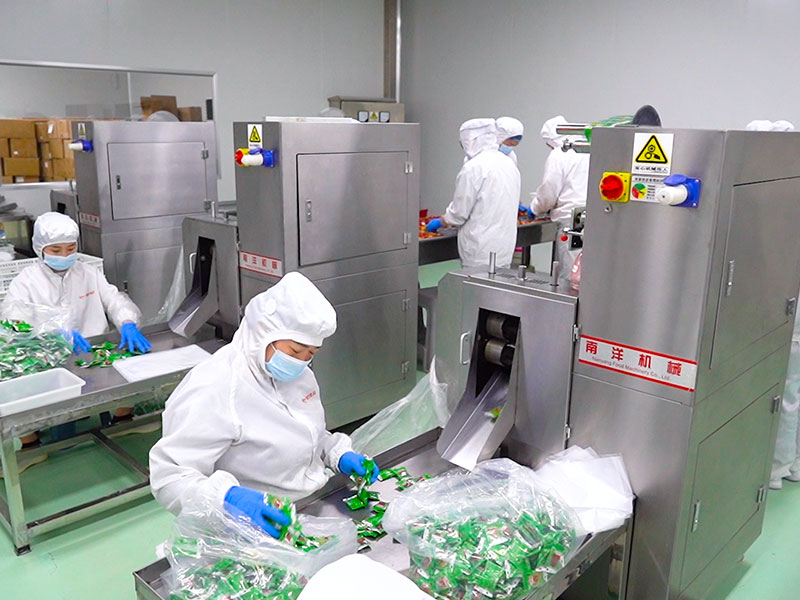
Production MOQ and Container Planning
The MOQ is calculated separately for each candy product.
For many products, the typical MOQ is approximately 4–6 metric tons or 30,000–60,000 pieces per product, depending on the formula, shape, size, process and packaging.
Different qualifying products may be combined, with the total order arranged on a full-container basis for more efficient shipping and overall purchasing costs.
We can also discuss consolidating the candy order with products purchased from the buyer’s other suppliers in China.
Quality Information and Export Documents
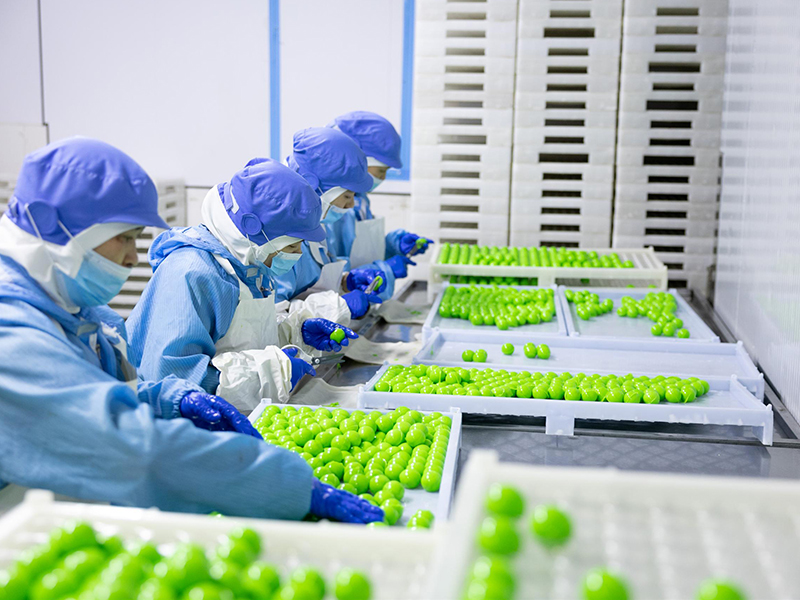
Depending on the selected product, factory and destination market, available support may include:
- Product specifications
- Ingredient lists
- Allergen information
- Certificate of Analysis
- Available testing reports
- Commercial invoice
- Packing list
- Certificate of origin
- Traceability information
- Applicable food safety certificates
- Halal or Kosher documentation when applicable
The exact documentation and certification requirements should be discussed before the product and production factory are finalized.
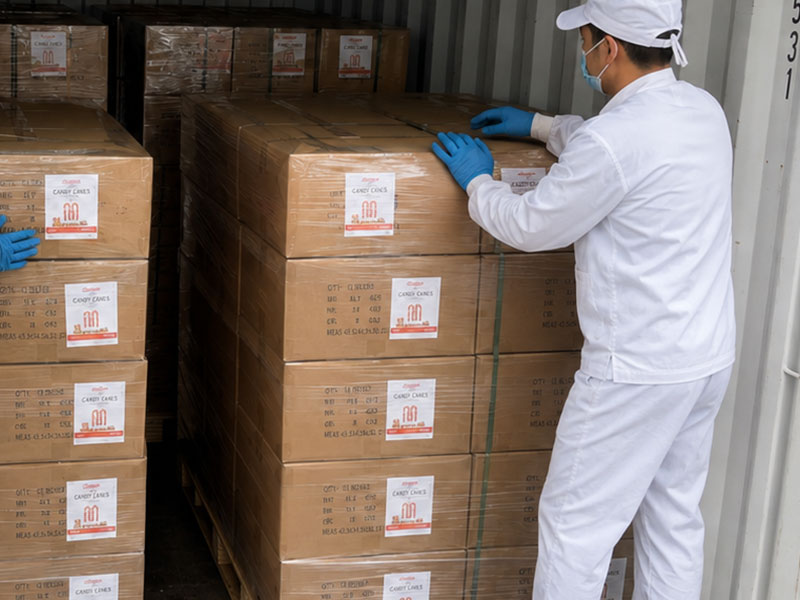
International Export Support
MPS Candy manufactures products for international B2B orders rather than local small-quantity delivery.
Common trade arrangements include:
- FOB
- CIF
- Delivery to a buyer-appointed freight forwarder
- Port-to-port shipping
- Mixed-product container arrangements
- Consolidation with other suppliers in China
We do not normally provide DDP service.
For gummies, chocolate and other temperature-sensitive products, the destination, season and shipping route should be evaluated before confirming the transportation plan.
Why Choose MPS Candy as Your Manufacturing Partner?
1. Multi-Category Manufacturing
Working through six specialized candy factories and more than 30 production lines allows us to support a broader range of confectionery projects than a single-category factory.
2. Product Development Support
Buyers can begin with an existing MPS product, provide a reference sample or discuss a new product concept.
3. OEM, ODM and Private Label Options
The cooperation model can be selected according to the buyer’s product maturity, timeline and customization requirements.
4. Manufacturing and Export Coordination
Our team supports both production and international export communication, reducing the number of parties the buyer must coordinate.
5. Mixed-Product Programs
Different qualifying candy products may be combined, helping importers and distributors develop a broader product assortment.
6. Long-Term B2B Cooperation
Strong contract manufacturing relationships increasingly focus on innovation, flexibility and collaboration rather than production capacity alone.
We focus on stable commercial production, repeat orders and long-term supply rather than selling several cartons from ready inventory.
MPS describes its business as a China-based candy manufacturer serving brands, importers, distributors, wholesalers and retail channels through multi-category production and export services.
Frequently Asked Questions
1. What is the difference between contract manufacturing and private label candy?
Contract manufacturing usually begins with a customer specification, product sample or jointly developed product. Private label commonly begins with an existing or proven factory product that is packaged and sold under the buyer’s brand.
2. Is a candy co-manufacturer the same as a co-packer?
Not always. A co-packer may mainly package an existing product, while a candy co-manufacturer may participate in formula evaluation, product development, production and packaging.
MPS Candy provides manufacturing and packaging coordination rather than packaging-only services.
3. Can you manufacture candy from our existing sample?
We can evaluate a sample, specification or product brief. Technical feasibility, intellectual property, ingredients, production volume and packaging must be reviewed before confirming the project.
4. Can MPS develop a completely new candy?
Yes, subject to technical feasibility and commercial order requirements. New products may require formula development, sample revisions, a custom mold and additional preparation time.
5. What is the MOQ?
MOQ varies by product and packaging format. For many candy products, the typical MOQ is approximately 2–4 metric tons per flavor. For piece-counted, individually wrapped, molded or highly customized products, MOQ may instead be calculated by pieces, packaging quantity or production batch. Each selected flavor, color or style may have its own MOQ depending on the product.
Different qualifying flavors and MPS products can be combined in one container. If needed, your shipment can also be consolidated with goods from your other suppliers in China. For better freight efficiency, we generally recommend arranging the total shipment on a full-container basis.
Gummies, chocolate and other heat-sensitive products must be shipped in a reefer container.
6. Can you provide private label packaging?
Yes. We support printed pouches, individual wrappers, jars, display boxes and other retail packaging for qualified projects.
7. How long does production take?
Normal production generally takes around four to eight weeks after the sample, specification, artwork, commercial terms and payment arrangements are confirmed.
8. Can we combine several candy products in one shipment?
Yes, provided that each product meets its applicable MOQ and the products have compatible transportation requirements.
9. Do you export internationally?
Yes. MPS Candy supports international B2B orders through arrangements such as FOB and CIF and can coordinate with the buyer’s appointed freight forwarder.

Discuss Your Confectionery Manufacturing Project
Tell us about your product, target market and commercial requirements.
Please include:
- Your company name
- Destination country
- Candy category
- Product reference or concept
- Flavor, shape and texture
- Packaging format
- Expected quantity
- Required certification
- Target delivery date
Our team will review the product feasibility, production MOQ, packaging options and export requirements before recommending the next step.
We are MPS Candy, a China-based candy manufacturer specializing in OEM and ODM candy production for global brands, importers, distributors, wholesalers, and retail channels.